What Is the Best Diet to Reverse Autoimmune Disease?
When our daughter started dealing with unexplained symptoms—constant fatigue, joint pain that wouldn’t quit, and brain fog that made school impossible—we went through every test imaginable. Eventually, the diagnosis came: an autoimmune condition. And honestly? I felt completely lost.
The doctors gave us medications. They helped, but they didn’t correct everything. That’s when I started digging into diet. I didn’t think food could cure everything (I’m not that person); instead, I figured it would help to try it alongside conventional treatment.
Turns out, diet can make a massive difference. Like, a life-changing difference. After months of research, trial and error, and far too many failed experiments in our kitchen, I learned what actually works. Furthermore, it’s crucial to understand what doesn’t work.
This isn’t about miracle cures or detox nonsense. It’s about real dietary approaches backed by actual science and real people’s experiences. Including ours.
Best Diet to Reverse Autoimmune Disease: What Actually Happens in the Body
The Basics (Without the Medical Jargon)
So here’s what’s happening: your immune system—which is supposed to protect you from harmful stuff like viruses and bacteria—gets confused. It starts attacking your body’s cells. Your joints. Your thyroid. Your digestive system is also impacted. Your body targets whatever it chooses to.
There are over 80 different autoimmune diseases. Rheumatoid arthritis, lupus, Hashimoto’s thyroiditis, multiple sclerosis, Crohn’s disease—the list goes on. Although they all function slightly differently, the fundamental issue remains the same: your immune system has malfunctioned.
Why does this happen? Nobody knows for sure. Genetics plays a role. Environmental factors matter. Stress is involved. And increasingly, researchers are finding that diet has a bigger impact than anyone realized.
How the Best Diet to Reverse Autoimmune Disease Affects Your Immune System
I used to think food was just… food. I used to believe that food simply consisted of calories and nutrients. But it’s way more complicated than that.
Everything you eat affects your gut. And your gut houses about 70% of your immune system. So when you eat inflammatory foods—processed junk, refined sugar, certain oils—your gut gets irritated. That irritation triggers immune responses. Those responses create inflammation throughout your whole body.
Then there’s this thing called “leaky gut.” (Terrible name, I know.) Basically, the lining of your intestines gets damaged and becomes permeable. Stuff that should stay in your digestive tract—undigested food particles, bacteria, toxins—leaks into your bloodstream. Your immune system becomes overwhelmed and initiates an attack.
This is not just a fanciful concept from alternative medicine. There’s actual research backing this up. Healing your gut and reducing inflammation through diet can significantly impact autoimmune symptoms.
For more practical approaches to eating better, refer to our healthy recipe collection.
The Diet Changes That Actually Matter
Foods That Make Things Worse
Now, let’s get practical. Some foods trigger inflammation in people with autoimmune conditions. Not everyone reacts to the same things, but there are common culprits.
Gluten. This was the hardest one for me to accept because I love bread. But gluten can increase intestinal permeability—that leaky gut thing I mentioned. For people with autoimmune conditions, cutting out gluten often leads to noticeable improvement. We have a whole guide on gluten-free alternatives if you’re new to this.
Refined sugar. Sugar feeds harmful bacteria in your gut and promotes inflammation. I’m not talking about the natural sugars in fruit—I mean the processed stuff in cookies, soda, and basically everything that tastes delicious.
Dairy. Many people with autoimmune conditions react badly to dairy proteins. Not everyone, but enough that it’s worth eliminating for a while to see if it helps.
Processed foods. Foods that have a lengthy ingredient list full of chemicals you can’t pronounce should be avoided. These additives can trigger immune responses and mess with your gut bacteria.
The strategy is to eliminate these for a while—usually at least 30 days—and see how you feel. Then reintroduce them one at a time to figure out your personal triggers. For specific guidance, refer to our AIP diet guide.
What to Eat Instead
Eliminating certain foods is only half the fight. You need to replace them with foods that actually help your body heal.
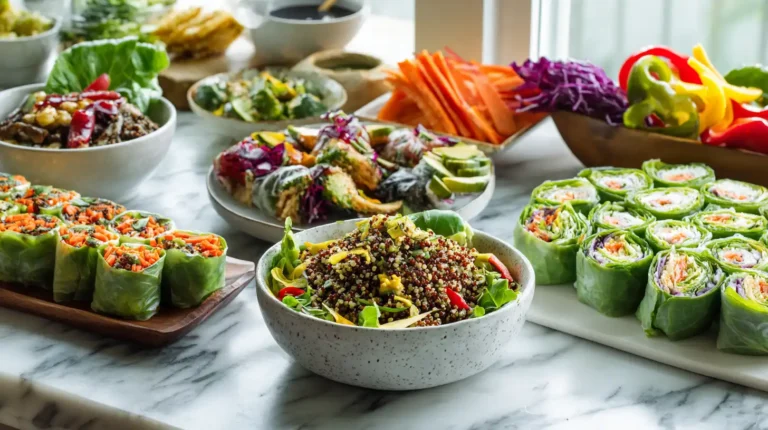
Vegetables. Consume a variety of vegetables. Leafy greens like spinach and kale are loaded with vitamins and antioxidants. Colorful vegetables—bell peppers, carrots, and beets—provide different nutrients your immune system needs.
Fatty fish. Salmon, mackerel, and sardines—these are packed with omega-3 fatty acids that actively reduce inflammation. I try to eat fish at least twice a week now.
Berries. Blueberries, strawberries, and blackberries—all full of antioxidants. They’re sweet enough to satisfy sugar cravings but won’t spike your blood sugar like processed sweets.
Fermented foods. Kimchi, sauerkraut, and coconut yogurt—these feed the good bacteria in your gut. Start small if you’re not used to them. They can be intense.
The goal is to eat a rainbow of whole foods. If it grew from the ground or walked around, you’re probably good. If it came from a factory with seventeen ingredients, skip it.
The Diets People Actually Use
The Autoimmune Protocol (AIP) Diet
This is the big one. The AIP diet was specifically designed for people with autoimmune conditions, and it’s probably the most restrictive eating plan I’ve ever followed.
You eliminate basically everything that might cause problems: grains, legumes, dairy, eggs, nuts, seeds, nightshade vegetables (tomatoes, peppers, and eggplant), processed foods, and refined sugars. What’s left? Meat, fish, most vegetables, some fruits, and healthy fats.
It sounds extreme, and honestly? It is. But here’s the thing: it works for many people. After a few weeks of strict elimination, you start reintroducing foods one at a time to figure out what you can actually tolerate.
We tried AIP for three months. The first two weeks were miserable—I won’t lie. But after that initial adjustment, our daughter’s symptoms improved noticeably. She experienced less pain, increased energy, and had clearer thinking.
For meal ideas, refer to our complete AIP food guide and AIP-friendly breakfast recipes.
The Paleo Approach
Paleo is like AIP’s slightly less intense cousin. You eat whole foods—meat, fish, vegetables, fruits, nuts, and seeds—while avoiding grains, legumes, dairy, and processed stuff.
What is the primary distinction between Paleo and AIP? Paleo allows eggs, nuts, seeds, and nightshades. So it’s more sustainable long-term for people who don’t need the extreme elimination phase.
I know several people who manage their autoimmune symptoms well on Paleo without needing to go full AIP. It really depends on your individual triggers. Our chicken recipe collection has lots of Paleo-friendly options.
The Mediterranean Diet
This one’s less restrictive but still really effective for reducing inflammation. It’s based on how people in Mediterranean countries traditionally eat: lots of vegetables, olive oil, fish, whole grains, legumes, and moderate amounts of poultry.
The Mediterranean diet consistently shows up in research as one of the healthiest eating patterns. Studies have found it lowers inflammatory markers in people with autoimmune conditions.
It’s probably the most sustainable option long-term because it’s not super restrictive. You can actually eat this way at restaurants and social events without feeling like a dietary outcast.
According to the Mayo Clinic, the Mediterranean diet has strong evidence for reducing chronic inflammation.
Why Your Gut Matters So Much
The Gut-Immune System Connection
When I first learned this, it completely captivated me: 70% of your immune system lives in your gut. Not your bloodstream, not your lymph nodes—your digestive tract.
Your gut contains trillions of bacteria. Good bacteria, bad bacteria, and neutral bacteria—they all coexist in this complex ecosystem called your microbiome. When this ecosystem is balanced, your immune system works properly. When this balance is disrupted, issues arise.
Research from the National Institutes of Health shows clear links between gut health and immune regulation. People with autoimmune conditions almost always have disrupted gut bacteria.
Processed foods, sugar, and artificial additives—these feed bad bacteria and starve good bacteria. Over time, the bad guys take over. Your gut lining gets damaged. Inflammation spreads. Your immune system goes haywire.
How to Actually Heal Your Gut
Healing your gut takes time. There’s no quick fix. But these strategies actually work:
Bone broth. This was a game-changer for us. It’s rich in collagen and amino acids that literally repair your intestinal lining. I make a big batch every week and either drink it straight or use it as a base for healing soups.
Fermented foods. Sauerkraut, kimchi, and coconut yogurt—these replenish beneficial bacteria. Start with small amounts because they can cause temporary digestive upset if you’re not used to them.
Prebiotic foods. These feed your good bacteria. Garlic, onions, leeks, asparagus, and bananas—all great sources of prebiotics.
Fiber from vegetables. Your gut bacteria eat fiber and produce short-chain fatty acids that reduce inflammation. More vegetables = happier gut bacteria = less inflammation.
For specific meal ideas that support gut healing, check out our AIP recipe guide.
Beyond Food: What Else Helps
Stress Is Not Your Friend
I learned this the hard way. You can eat perfectly, but if you’re chronically stressed, your autoimmune symptoms will still flare.
Stress increases cortisol. Cortisol suppresses your immune system in some ways and hyperactivates it in others. It’s a mess. Chronic stress basically guarantees inflammation.
What actually helps? I am not referring to “self-care bubble baths,” although they are certainly enjoyable. I mean real stress management: meditation, yoga, deep breathing exercises, therapy, and saying no to obligations that drain you.
I started doing 10 minutes of meditation every morning. I started meditating for just 10 minutes every morning. It made a noticeable difference in how I handled stressful situations, which in turn helped keep inflammation down.
Pairing stress reduction with nourishing meals creates a powerful combination for managing autoimmune symptoms.
Sleep Like Your Health Depends On It (Because It Does)
Poor sleep = more inflammation. It’s that simple.
Your body repairs itself during sleep. It balances hormones, reduces inflammation, consolidates memories, and regulates your immune system. All these processes suffer disruption when you don’t sleep well.
I used to be terrible at sleep. I would often find myself staying up late, scrolling through my phone, having inconsistent bedtimes, and questioning why I felt so awful the next day. Now I’m strict about it: same bedtime every night, no screens an hour before bed, dark room, and cool temperature.
Sounds boring. Works amazingly well.
Questions Everyone Asks
What Foods Heal Autoimmune Diseases?
Foods don’t “heal” autoimmune diseases in the sense of curing them. But certain foods significantly reduce inflammation and support immune regulation. Leafy greens, fatty fish rich in omega-3s, berries packed with antioxidants, fermented foods for gut health, bone broth for intestinal repair, and herbs like turmeric and ginger—all of these help manage symptoms.
What Should I Drink?
Bone broth is probably the best thing you can drink for autoimmune conditions. It’s loaded with collagen and amino acids that repair gut lining. Green tea provides antioxidants and has anti-inflammatory properties. And plain water—lots of it—helps flush toxins and keep everything functioning properly.
What to avoid? Alcohol, sugary drinks, and excessive caffeine. All of these can trigger inflammation and disrupt gut bacteria.
Is it possible to reverse autoimmune disease?
Let me be clear: “cure” is a strong word. Autoimmune diseases don’t typically get cured. But many people achieve remission or significant symptom reduction through diet and lifestyle changes.
The AIP diet combined with stress reduction, quality sleep, and regular movement has helped countless people dramatically improve their quality of life. Some reduce or eliminate medications (under doctor supervision). Others just feel significantly better every day.
What About Eggs?
Eggs are eliminated on AIP because they can trigger inflammation in some people. The proteins in egg whites are particularly problematic for certain individuals.
That doesn’t mean eggs are bad for everyone with autoimmune conditions. During the reintroduction phase, you test them to see if you personally react. Some people can eat them fine. Others can’t tolerate them at all.
For alternative protein sources, refer to our high-protein breakfast options.
Making This Work in Real Life
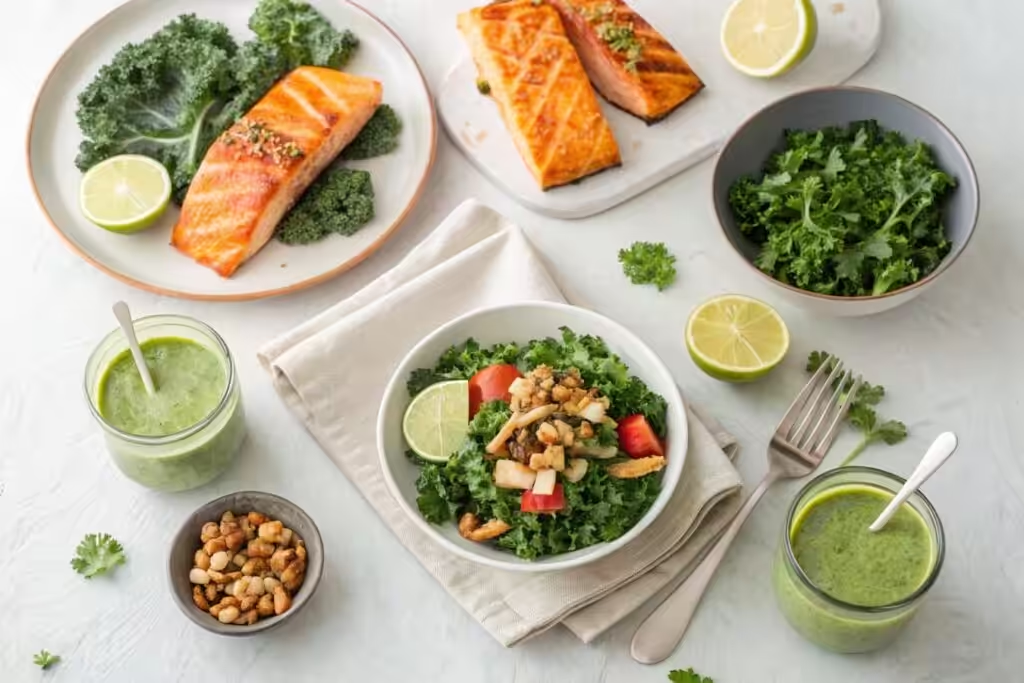
A Week of Eating for Autoimmune Health
Planning meals ahead makes this so much easier. Here’s what a typical week looks like for us:
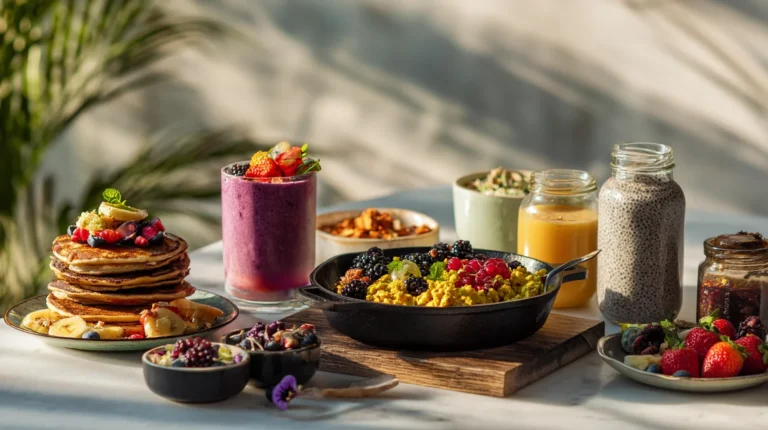
Breakfast: Usually something simple. I typically enjoy a green smoothie that combines spinach, avocado, and coconut milk. Alternatively, I may combine leftover vegetables from dinner with some protein. Sometimes just bone broth if I’m not hungry.
Lunch: Grilled salmon over mixed greens with olive oil and lemon. Alternatively, I may opt for chicken vegetable soup. Alternatively, I may opt for a large salad, incorporating any available protein.
Dinner: This is where I put more effort. Zucchini noodles with grass-fed beef and homemade marinara. Roasted chicken with roasted vegetables. Stir-fried vegetables with shrimp. All simple, all quick.
Snacks: Fresh berries, sliced vegetables with guacamole, roasted sweet potato wedges, or a handful of olives.
For more structured meal planning, refer to our meal prep guide.
Recipes That Actually Taste Good
The greatest challenge with restrictive diets is making food that doesn’t taste like punishment. Here are a couple of my go-to recipes:
Turmeric Chicken Soup: Bone broth, shredded chicken, fresh turmeric (or powder), lots of garlic, mixed vegetables, and fresh herbs. Simmer everything together. Tastes wonderful and makes you feel like you’re actively healing your body with every spoonful.
Kale and Berry Salad: Massaged kale (massage it with olive oil to make it tender), fresh blueberries, sliced cucumber, shredded carrots, and sunflower seeds if you’re past the elimination phase. Dress with olive oil, lemon juice, and a touch of honey.

For more recipes designed for autoimmune health, explore our complete AIP recipe collection.
Real People, Real Results
Stories That Kept Me Going
When we first started this journey, I devoured success stories. They gave me hope when things felt overwhelming.
There’s the woman with rheumatoid arthritis who couldn’t hold a coffee cup without pain. After three months on AIP, she was back to playing piano. The pain didn’t disappear completely, but it went from debilitating to manageable.
Or the guy with Hashimoto’s who spent years feeling exhausted and foggy-brained. He went strict Paleo for six months. His thyroid function improved enough that his doctor reduced his medication. His energy came back. He started exercising again.
These aren’t miracle stories. These are people who committed to dietary changes for months, worked with their doctors, and gradually saw improvements.
What the Research Actually Shows
Personal stories are inspiring, but what does science say? Indeed, the evidence is quite compelling.
A study published in the journal Nutrients found that the AIP diet significantly reduced symptoms in patients with inflammatory bowel disease. The reduction in inflammation markers was not just subjective, but also measurable.
Multiple clinical trials have shown the Mediterranean diet lowers C-reactive protein (a key inflammation marker) in people with various autoimmune conditions.
The catch? Results vary. What works amazingly for one person might not work as well for another. That’s why the reintroduction phase is so important—you need to figure out YOUR triggers, not just follow someone else’s plan blindly.
Mistakes I Made (So You Don’t Have To)
Don’t Go It Alone
My most significant mistake early on? I jumped into AIP without informing my daughter’s doctor. I thought I was being proactive. I was actually being reckless.
Restrictive diets can cause nutritional deficiencies if you’re not careful. You need professional guidance, especially if you’re on medications. Some dietary changes can interact with prescriptions or require medication adjustments.
Always work with a healthcare provider who understands both your condition and the dietary approach you’re trying.
Not Planning for Nutrition Gaps
When you eliminate entire food groups, you might eliminate important nutrients too. Cut out dairy without a plan? You might become calcium deficient. Eliminate grains without replacing them? Your fiber intake might tank.
The solution isn’t to give up on elimination. It’s to be smart about replacement. Eat tons of vegetables for fiber. Get calcium from leafy greens and bone broth. Focus on nutrient density rather than just avoiding foods.
And be patient. This isn’t a two-week experiment. Real change takes months. I’ve seen people give up after three weeks because they didn’t see immediate results. That’s not enough time for your gut to heal and your immune system to calm down.
Where We Are Now
Here’s the truth: reversing—or even just managing—autoimmune disease through diet is challenging. It requires commitment, patience, and a lot of meal planning. There are days when you’re tired of cooking, tired of reading labels, and tired of explaining your dietary restrictions to well-meaning relatives.
But it’s worth it. Observing our daughter transition from constant pain and fatigue to leading a relatively normal life is truly rewarding. That made every restrictive meal, every label-reading session, and every awkward restaurant conversation completely worth it.
Your journey will look different from ours. Your triggers might be different. Your timeline might be longer or shorter. But the fundamental principle holds: what you eat directly affects your immune system. You can use that knowledge to feel better.
Start somewhere. Maybe try eliminating gluten for a month. Or add more anti-inflammatory foods to your current diet. Work with a healthcare provider. Track your symptoms. Adjust as you learn what works for YOUR body.
For additional support and meal ideas, refer to our healthy meal collection. Every recipe is designed with real, whole food ingredients that support overall health.
You don’t need to be perfect. You just need to be consistent and patient. The results will come.