High-Protein Cottage Cheese Pancakes—A Delicious and Nutritious Breakfast Option
High-protein cottage cheese pancakes blend cottage cheese, eggs, oats, and vanilla in a blender for two minutes, then cook up fluffy on a hot griddle. A stack of three delivers around 35 grams of protein with no protein-powder aftertaste, and the cottage cheese melts in completely, leaving a tender, slightly tangy pancake ready in 15 minutes.
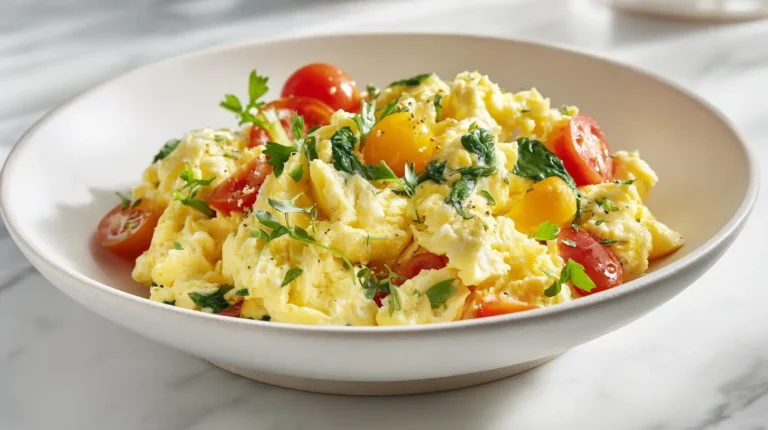
But he insisted we try it. And you know what? I was completely wrong. These pancakes turned out fluffy and kind of creamy in the middle, and they kept me full until 1 PM. No joke. Usually I’m hungry again by 10 AM after regular pancakes, but these are different. The girls now ask for “the protein pancakes” specifically every weekend. If you’re looking for other high-protein breakfast ideas, we also love these egg white breakfast recipes for variety.
Per USDA FoodData Central, low-fat (1%) cottage cheese contains about 12 g of protein per 100 g; a half-cup (113 g) delivers roughly 14 g of protein.
Cottage cheese is also a meaningful calcium source — about 83 mg per 100 g per USDA FoodData Central — contributing toward the 1,000 mg adult Daily Value tracked by the NIH Office of Dietary Supplements.
So Why Are These Pancakes Different?
Here’s the thing. Regular pancakes? They’re delicious for, like… 20 minutes. Then you crash. Hard. I used to make the girls those big fluffy buttermilk pancakes every Saturday, and by mid-morning they’d be complaining they were hungry again. I’m talking 9:30 AM, and they’re already asking for snacks.
Then we switched to these cottage cheese ones. Game changer. The protein actually sticks with you. Like, I’ll make them at 8 AM, and I’m not even thinking about food until noon. That’s a huge difference for me because I used to be that person raiding the pantry by 10.
What’s Actually in Cottage Cheese Anyway?
Okay, so before I started making these, I didn’t really know much about cottage cheese except that my grandma used to eat it with fruit. Turns out it’s actually packed with protein—like way more than regular milk. Moreover, it contains calcium, a nutrient that is beneficial for bone health, a factor I’m increasingly considering as I age.
The cool part is that it makes the pancakes super creamy without making them feel heavy. This results in pancakes that are not only light and fluffy, but also substantial. I hope this explanation makes sense. And if you’re trying to eat less sodium overall, check out these low-sodium recipes we’ve been working on too.
Who Actually Eats These?
Nicolas is big into his morning workouts—he goes to the gym at like 6 AM (crazy, I know). He used to come home and make this huge protein shake that honestly looked gross. Now he just eats a stack of these pancakes instead. He says it’s way better, and he doesn’t feel bloated.
For me and the girls, it’s just about having breakfast that actually works. Our oldest daughter takes a stack to school sometimes (we freeze them Sunday night, and she grabs them Monday morning). She says her friends are always jealous because their breakfast consists of items like a granola bar or something similar. These you can top with basically anything—berries, honey, even peanut butter if you’re feeling wild.
But Do They Actually Taste Good?
This was my big question at first. Because yeah, healthy is great, but if they taste like cardboard, nobody’s going to eat them, right?
They’re really good, though. They have this slightly tangy taste from the cottage cheese—not like sour or anything, just… intriguing. They are truly more flavorful than regular pancakes. And the texture is fluffy but also kind of custardy in the middle. Nicolas described them once as “like if pancakes and cheesecake had a baby,” which is weird but also kind of accurate?
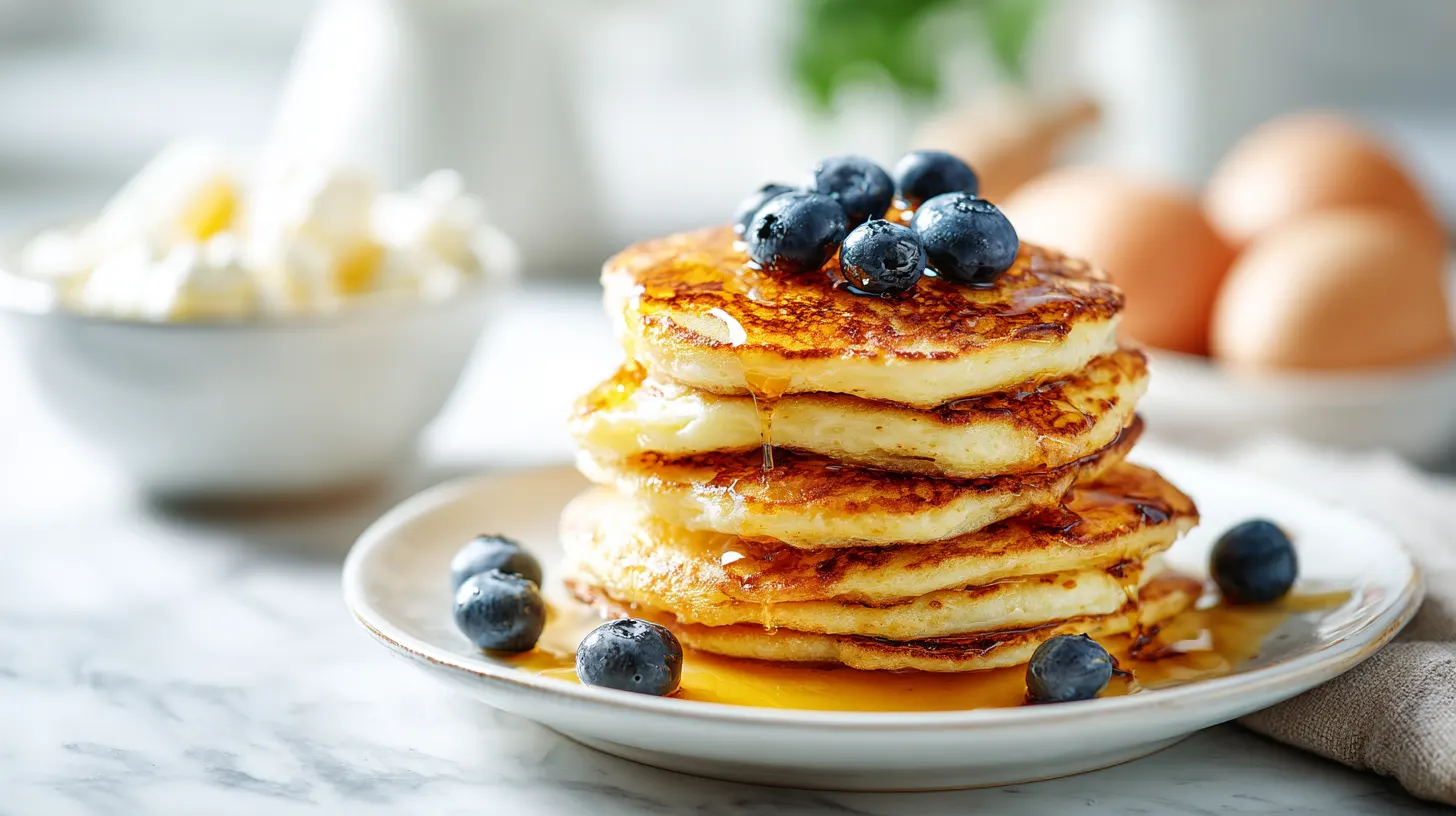
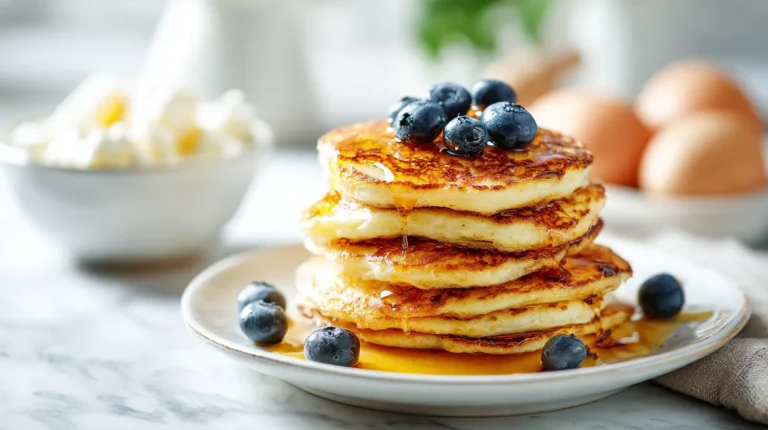
We usually top them with fresh berries (blueberries are my favorite), drizzle a little honey on top, and sometimes add a dollop of Greek yogurt. Last weekend the girls wanted chocolate chips, which… okay, defeats the healthy purpose a bit, but they ate them, so I’m counting it as a win.
What You Actually Need to Make These
The Cottage Cheese Situation
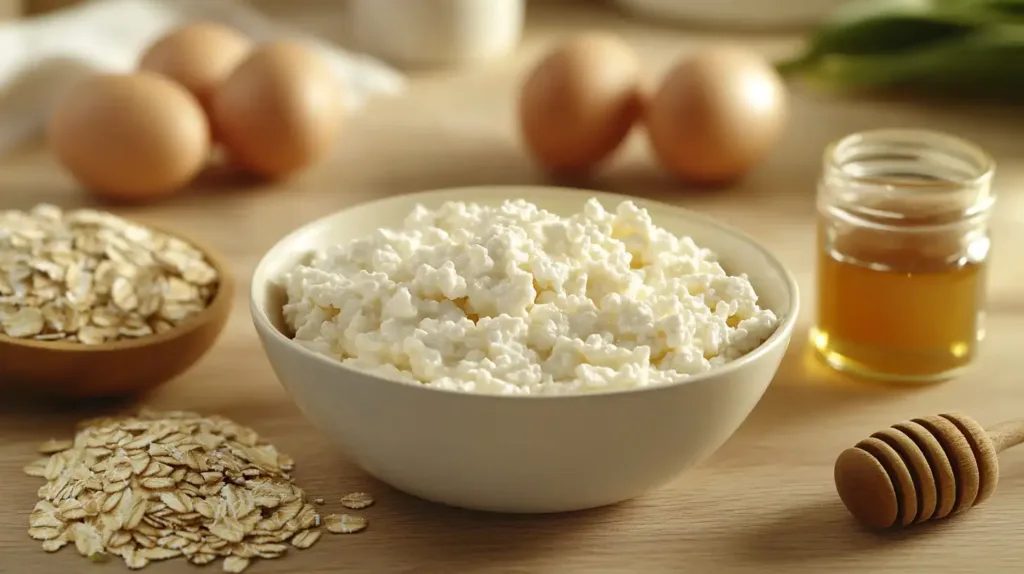
Let’s talk about the cottage cheese. I usually buy the Daisy brand 2% from Costco because it’s cheap and we go through a lot of it. The 2% is perfect—not too watery, not too thick. Nicolas tried the fat-free one once, and the pancakes came out kind of… sad. The pancakes were functional, but they didn’t deliver the same level of flavor.
If you want them richer, go for the full-fat (4%). If you’re watching calories, the 1% or 2% is fine. And yeah, if you’re plant-based, the almond-milk cottage cheese alternatives work too—my sister-in-law is vegan, and she makes them with the Good Karma brand. Says they turn out excellent. For more protein-packed breakfast ideas, these egg white breakfast recipes are another nutritious option.
Everything Else You Need
Eggs. You need eggs. I use regular large eggs, usually 2 or 3 depending on how many pancakes I’m making. Once I forgot to buy eggs and tried using just cottage cheese and oats… yeah, that didn’t work. They fell apart. Don’t skip the eggs.
For the flour part, I use regular rolled oats from Quaker. First, blend the ingredients to make them into powder; it only takes about 10 seconds. It’s cheaper than buying oat flour and works exactly the same. Nicolas sometimes uses almond flour when he’s doing his low-carb thing, but honestly I think the oats taste better. Plus, they’re way cheaper.
Optional stuff: Sometimes I add a scoop of vanilla protein powder (the Orgain brand is excellent) or chia seeds if I remember. Greek yogurt works too—makes them extra tangy. But honestly? Just cottage cheese, eggs, and oats is totally fine. You don’t need to get fancy.
How to Make High-Protein Cottage Cheese Pancakes
How I Actually Make Them
Okay, so this is way easier than it sounds. I promise. Even if you’re not talented at cooking (I’m definitely not a professional chef or anything), you can totally do this.
1. Throw Everything in the Blender
I use my Ninja blender for this. Just dump in 1 cup of cottage cheese, 2 eggs, and about ½ cup of oats (blend the oats first if you want them super smooth). If you are including protein powder or any other ingredients, please add those as well.
Blend it up until it’s smooth. Should take maybe 30 seconds? The batter will be thicker than regular pancake batter—similar to thick yogurt. That’s normal. Don’t add more liquid trying to make it thinner; you’ll just end up with crepes.
2. Getting the Batter Right
So the batter should be thick but still pourable. For example, if you try to pour it, the syrup should come out slowly instead of running out quickly like water. Make sense?
If it’s too thick (like it won’t pour at all), add a tiny bit of milk. I’m talking like a tablespoon at a time. Too thin? Add more oats. But honestly, I usually just use it as is, and it works fine. Don’t overthink it—I definitely did the first few times, and it was fine.
3. Actually Cooking Them (This Is Where I Messed Up At First)
Use a non-stick pan. Seriously. I tried using our regular skillet the first time, and they stuck like crazy. Total disaster. Now I use our non-stick pan and add a little pat of butter—maybe half a tablespoon. The butter makes them taste better than oil, trust me.
Heat the pan on medium. Adjust the heat to medium, not medium-high or low. Pour about ¼ cup of batter for each pancake. They won’t spread much, so don’t worry about that.
Here’s the important part: WAIT until you see bubbles on top before flipping. This process takes longer than regular pancakes—like 3-4 minutes. I used to flip them too early, and they’d break. Nicolas is actually better at this task than me now; he has more patience. When you do flip them, use a big spatula and be gentle. Cook the other side for another minute or two.
Different Ways to Make Them
On the Stove (The Normal Way)
This is the method I use 90% of the time. I simply cook them on the stove, using our non-stick pan. Start on medium heat, then turn it down to medium-low once the pan is hot. Otherwise they burn on the outside while staying raw in the middle. I discovered this the hard way.
If You’re Making a Ton of Them
When we have family over (like Nicolas’ parents or whatever), I use our electric griddle. You can make like 6 pancakes at once, which is way faster. Heat it to 350°F and you’re prepared. This method is significantly more efficient than spending an hour at the stove, flipping each pancake individually.
The Lazy Version (Baked)
Sometimes on weekday mornings when I don’t feel like standing at the stove, I just pour all the batter into a greased 9×13 pan and bake it at 375°F for like 20-25 minutes. Then cut it into squares. The girls call it “pancake cake,” which… okay, sure. It tastes the same and takes way less effort.
What’s Actually in These Things?
The Macro Breakdown (If You Care About That)
Okay, so I’m not like a nutritionist or anything, but I did look this up because Nicolas is always tracking his macros for the gym.
Each serving has somewhere between 15 and 20 grams of protein. If you add protein powder, the protein content may increase significantly. That’s actually pretty good; regular pancakes contain about 5 grams of sugar, right? The cottage cheese and eggs are what give you all that protein.
Carbs come from the oats, mostly. If you use almond flour instead (like Nicolas does), you get fewer carbs but more fat. I don’t really worry about it too much, honestly. The oats are fine for me.
Calories
A serving is usually 200-300 calories, depending on its size and contents. This range of calories is quite reasonable for a substantial breakfast. Way better than stopping at McDonald’s for an Egg McMuffin, which is like 300 calories and leaves you hungry an hour later.
Why They’re Actually Good for You
For People Who Work Out
Nicolas is all about this. He says the protein helps his muscles recover after his morning workouts. I don’t really know the science behind it, but he swears these pancakes work better than his old protein shakes. Less bloating, better taste, same results. So there’s that.
They Keep You Full Forever
This is the big one for me. I used to be SO hungry by mid-morning. I would often find myself unable to concentrate on my work due to constant thoughts of food. These pancakes changed that completely. I make them at 7:30 AM, and I’m not even contemplating lunch until like 12:30 or 1 PM. That’s huge.
The girls noticed it too. They used to come home from school complaining they were starving. Now they eat these for breakfast, and they’re fine until lunch. Less snacking, less complaining, everyone’s happier.
No More Mid-Morning Crash
You know that thing where you eat regular pancakes with syrup and then you feel amazing for like 20 minutes and then you crash HARD? Yeah, that doesn’t happen with these. The protein and fiber (from the oats) keep your energy steady. I don’t get that shaky, cranky feeling anymore.
If you want more protein-packed breakfast ideas that won’t make you crash, check out our pumpkin spice protein pancakes or browse through all our cottage cheese recipes for other ways to use it.
Ways to Mix Things Up
Fruit Stuff
Blueberries are my go-to. Just fold them into the batter before cooking—they get all warm and jammy, and it’s really good. The girls like bananas too. I just mash up half a banana and mix it in. This adds sweetness to the pancakes, reducing the need for additional syrup.
Nicolas did diced apples once with cinnamon. Honestly? Pretty good. The pancakes had a flavor reminiscent of apple pie. Would recommend.
If You Want Them Sweeter
I usually just drizzle honey on top. I use real honey instead of the artificial corn syrup. Maple syrup works, too, if you prefer that. Sometimes for the girls I’ll add a tiny bit of vanilla extract to the batter—maybe half a teaspoon. It enhances their aroma as they cook.
The Savory Version (Actually Really Good)
Okay, this sounds weird, but stay with me. Skip the sweet stuff and add chopped chives and a little garlic powder to the batter. Top them with avocado and a fried egg. It’s basically breakfast heaven.
We did this for brunch once when my parents came over, and they were SHOCKED. They were pleasantly surprised. My dad kept asking, “What’s in these?” He couldn’t believe they were cottage cheese pancakes.
For Special Diets
If you need gluten-free, just make sure your oats say “gluten-free” on the package. Most oats are naturally gluten-free, but occasionally they’re processed in facilities with wheat, so double-check.
For vegans, use plant-based cottage cheese (there are a bunch now at Whole Foods) and replace the eggs with flax eggs. Mix 1 tablespoon ground flaxseed with 2.5 tablespoons water per egg, and wait 5 minutes. My sister-in-law does this procedure and says they turn out great.
How We Actually Serve These
Making It a Full Breakfast
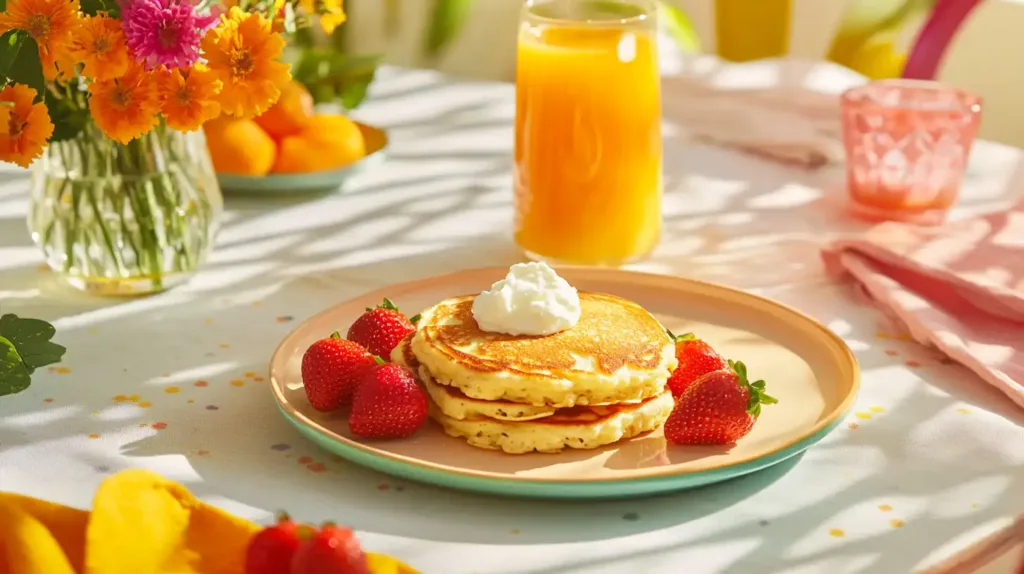
On weekend mornings when we have more time, I’ll make fresh orange juice to go with them. Or Nicolas makes his protein smoothie (berry-banana, usually). Add a side of fresh fruit—strawberries, melon, whatever—and you’ve got yourself a proper brunch situation.
Occasionally I’ll put out Greek yogurt and let everyone add their own toppings. The girls like making a whole thing out of it, adding different berries and nuts. It takes longer, but it’s fun on lazy Sundays.
The Freezer Is Your Friend
This is truly revolutionary. Every Sunday night, Nicolas makes a double batch. We eat some for dinner (yeah, breakfast for dinner; we’re those people), then he stacks the rest with parchment paper between each pancake and freezes them.
On weekday mornings, the girls just grab however many they want from the freezer, pop them in the toaster for like a minute, and they’re done. They don’t require any cooking, create no mess, and remain nutritious. It’s honestly the only way we survive school mornings without going to McDonald’s drive-through.
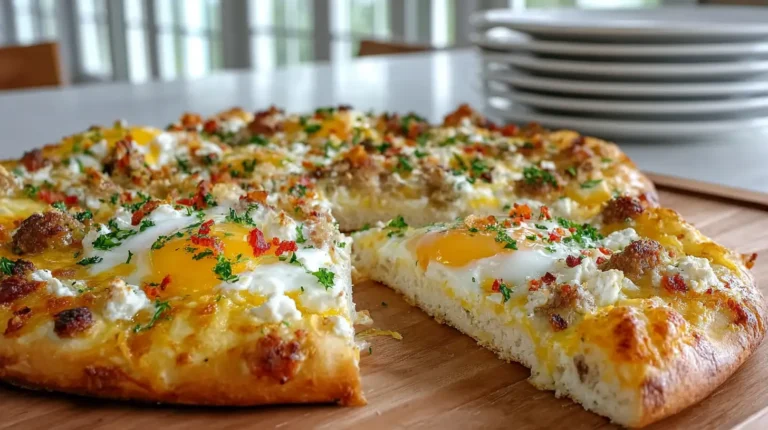
They keep in the fridge for about 4 days, in the freezer for about 3 months. We’ve never had them last longer than 2 weeks because we ate them so fast. For other make-ahead breakfast ideas, our breakfast pizza is also excellent for meal prep. And if you want plant-based options, refer to our vegan breakfast recipes collection.
Questions About High-Protein Cottage Cheese Pancakes
Is cottage cheese necessary for high-protein pancakes?
Not necessarily, but it’s the star ingredient here. You can substitute Greek yogurt or ricotta cheese if you prefer, but cottage cheese gives you the highest protein content and that signature creamy texture. Plant-based cottage cheese works great, too, for dairy-free diets.
What kind of cottage cheese is best for pancakes?
I typically use 2% cottage cheese for a good balance of protein and creaminess. Full-fat (4%) makes richer pancakes, while low-fat or non-fat works if you’re watching calories. Small-curd cottage cheese blends more smoothly, but large-curd works fine too—just blend it well.
How can I make these pancakes fluffier?
For extra fluff, blend your batter until completely smooth and add a teaspoon of baking powder to the dry ingredients. Let the batter rest for 5 minutes before cooking—this allows it to thicken slightly and helps the pancakes rise better. The blending really makes a difference in texture.
Are high-protein cottage cheese pancakes suitable for children?
Absolutely! My girls love these pancakes, especially when I add mashed banana or fold in blueberries. The extra protein keeps them energized throughout the morning without the sugar crash from traditional pancakes. Just customize the toppings to make them kid-friendly—a little honey or maple syrup goes a long way.
Can I freeze cottage cheese pancakes for later?
Yes, they freeze beautifully! Let them cool completely, then freeze in a single layer on a baking sheet. Once frozen solid, transfer to a freezer bag with parchment paper between each pancake. They’ll keep for up to 3 months and reheat perfectly in the toaster or microwave.
What can I substitute for eggs in this recipe?
Flax eggs work excellent for a vegan version. Mix 1 tablespoon of ground flaxseed with 2.5 tablespoons of water per egg and let it sit for 5-10 minutes until gel-like. Chia seeds work the same way—they bind the batter while adding extra fiber and omega-3s.
How do I store leftover cottage cheese pancakes?
Store cooled pancakes in an airtight container in the fridge for up to 4 days. Layer parchment paper between them to prevent sticking. Reheat in a toaster for the crispiest edges, or microwave for 20-30 seconds if you’re in a hurry.
Can I make the batter ahead of time?
Yes, you can prep the batter the night before and store it covered in the fridge. Just give it a quick stir before cooking. The batter may thicken overnight, so add a splash of milk if needed to reach the right consistency. Fresh-made batter cooks up slightly fluffier, but the convenience of making it ahead is worth it on busy mornings.
Final Thoughts
So yeah. These pancakes are honestly one of the best breakfast changes we’ve made in the past year. They’re not complicated to make (way easier than I thought they’d be), they taste excellent, and they actually keep you full.
The protein thing is real—I’m not hungry until lunch, the girls aren’t asking for snacks all morning, and Nicolas is happy because it fits his gym routine. Everyone wins.
Make a batch this weekend. Try them with berries and honey first; that’s the easiest. Then get creative with it—a savory version with avocado, a banana cinnamon version, or whatever sounds appealing to you. Freeze the extras. You’ll thank yourself on Tuesday morning when you’re running late and you just grab pancakes from the freezer.
Trust me. Once you start making these, regular pancakes will seem somewhat pointless. For example, why would I make pancakes that leave me hungry an hour later when I could prepare these instead? Exactly.
Nutrition Calculator (Customize Your Cottage Cheese Pancakes)
Every family makes pancakes a little differently—some add more oats, some prefer extra honey, and others double the batch for the kids. Use this simple calculator below: Just type in your amounts, adjust the servings, and you’ll instantly see the calories, protein, carbs, and fat per serving. That way, you can enjoy your pancakes your way—and still know exactly what’s on your plate.
Nutrition Calculator (Cottage Cheese Pancakes)
| Calories | Protein (g) | Carbs (g) | Fat (g) | |
|---|---|---|---|---|
| Total (batch) | – | – | – | – |
| Per serving | – | – | – | – |
Related Recipes
High-Protein Cottage Cheese Pancakes
Ingredients
Base Ingredients
- 1 cup cottage cheese (2% recommended, small curd if possible)
- 2 large eggs
- 0.5 cup rolled oats (or oat flour)
Optional Add-ins
- 1 scoop vanilla protein powder (optional for extra protein)
- 1 tbsp chia seeds (optional)
- 1 tsp vanilla extract (optional for added flavor)
- 1 tbsp honey or maple syrup (optional, or use for topping)
Instructions
- Add cottage cheese, eggs, and oats to a blender. Blend until smooth, about 30 seconds. Batter should be thick and creamy.
- Heat a non-stick skillet over medium heat and lightly grease with butter or oil.
- Pour about 1/4 cup batter per pancake into the skillet. Cook for 3–4 minutes, until bubbles form on top. Flip gently and cook another 1–2 minutes until golden and cooked through.
- Serve with fresh berries, honey, or Greek yogurt. For savory versions, skip sweeteners and top with avocado or fried eggs.
Notes
These pancakes freeze well. Cool completely, separate with parchment paper, and store in freezer bags. Reheat in toaster for quick weekday breakfasts. For gluten-free, ensure your oats are certified GF.