What Foods Can I Eat on a Low-Sodium Diet?
My dad got diagnosed with high blood pressure three years ago. The doctor said he needed to cut back on sodium—like, seriously cut back. And my dad? He’s the kind of person who salts his food before even tasting it. So this was going to be… intriguing.
I started researching what he could actually eat. Turns out, a low-sodium diet isn’t as restrictive as it sounds. You don’t have to live on plain chicken breast and unseasoned vegetables (though I’ll be honest, that’s what the first few weeks looked like). There are tons of flavorful options once you know what to look for.
This article is everything I learned through trial, error, and far too many bland dinners before we figured it out. If you’re wondering what you can eat on a low-sodium diet without losing your mind, you’re in the right place.
Foods Can I Eat on a Low-Sodium Diet and Why Sodium Matters
What Foods Can I Eat on a Low-Sodium Diet?
The truth about sodium is that your body requires a certain amount of it. It helps with nerve function, muscle contraction, and keeping your fluids balanced—all that important stuff. But most of us eat far too much.
A low-sodium diet means keeping your daily intake under 2,300 milligrams. If you have high blood pressure or kidney issues, your doctor might recommend going even lower—around 1,500 milligrams.
To put that in perspective: one teaspoon of table salt has 2,300 milligrams of sodium. That’s your entire day’s worth. And that’s not counting all the hidden sodium in processed foods, which is where things get tricky.
Why You Should Actually Care About the Issue
Too much sodium makes your body hold onto water. That increases blood volume, which puts pressure on your heart and blood vessels. Over time, this imbalance leads to high blood pressure, which increases your risk of heart attacks, strokes, and kidney damage.
When my dad started cutting sodium, his blood pressure dropped noticeably within a few weeks. While the drop was not significant enough to eliminate his medication, it was significant enough to impress his doctor. That’s when I realized the technique actually works.
If you’re looking for practical meal ideas, check out our low-sodium meal collection—it’s full of recipes that don’t taste like cardboard.
How Much Is Actually Too Much?
Here’s what shocked me: sodium hides everywhere. That “healthy” soup you buy at the store? Your typical “healthy” soup likely contains more than 800 milligrams of sodium per serving. Bread? A single slice of bread typically contains about 150 milligrams. Even cottage cheese—which seems innocent—can pack 400 milligrams per half cup.
The American Heart Association recommends 1,500 milligrams daily for most adults, with 2,300 as the upper limit. Most Americans eat over 3,400 milligrams daily without even realizing it. That’s more than double what we should be consuming.
The key is learning where sodium sneaks in and making smarter swaps. Which brings us to…
What You Can Actually Eat
Fresh Fruits and Vegetables (Your New Best Friends)
This is where things get easy. Fresh produce is naturally low in sodium. Fresh produce has a naturally low sodium content. An apple? Zero sodium. A banana? One milligram. Spinach, carrots, bell peppers—all basically sodium-free.
Plus, many of these foods are high in potassium, which helps balance sodium levels in your body. Bananas, sweet potatoes, avocados, and tomatoes—all great sources of potassium.
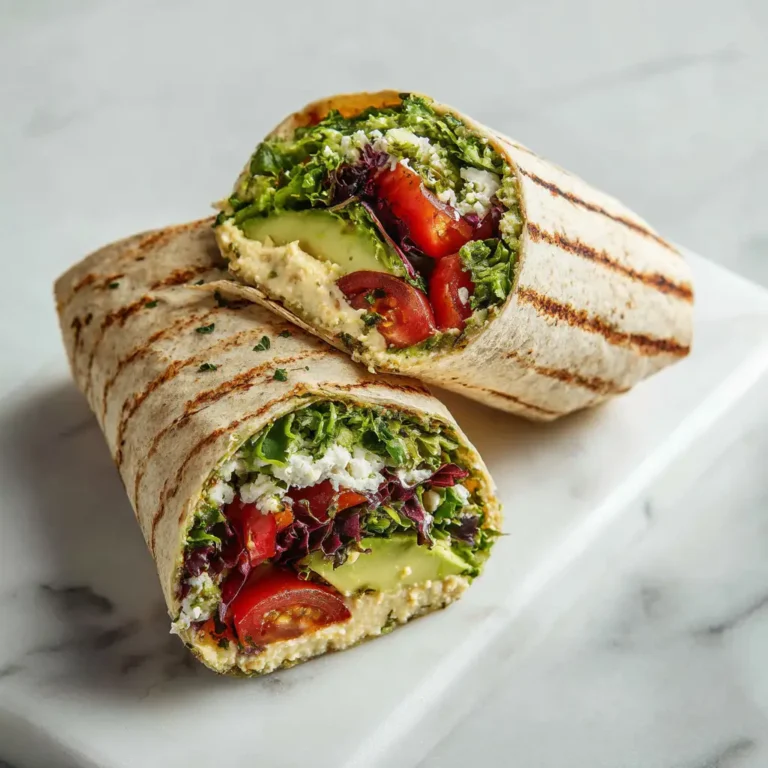
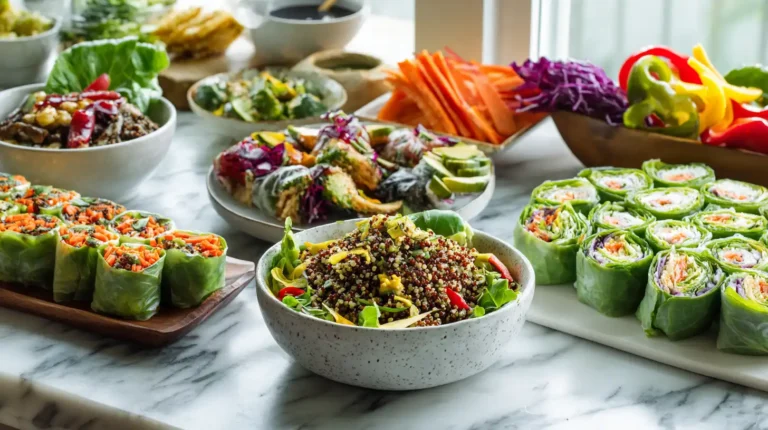
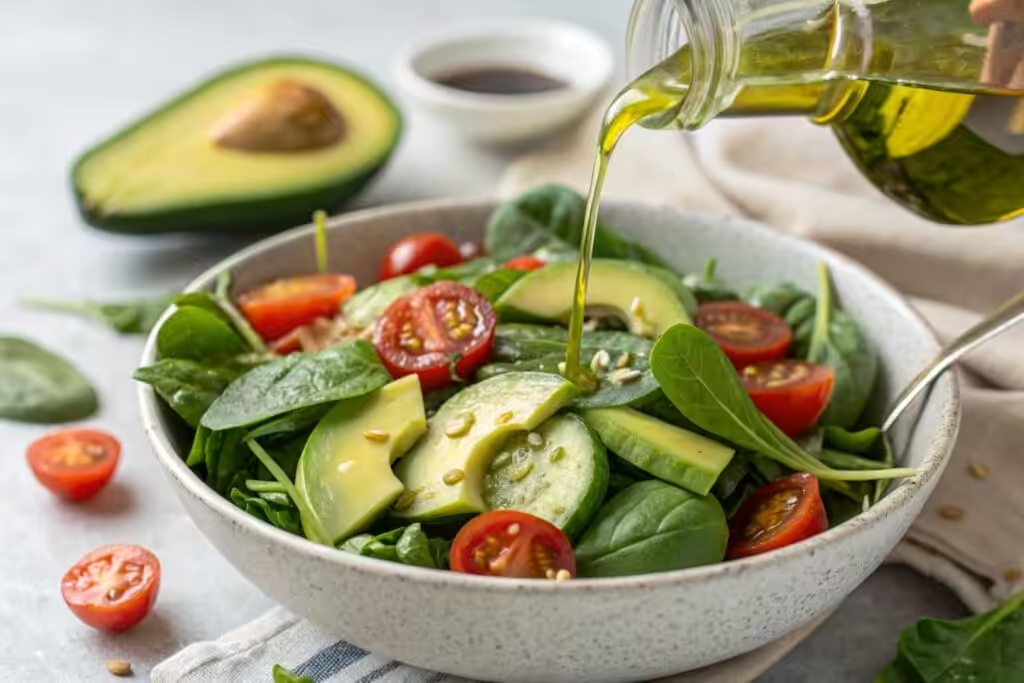
I started making big salads for lunch with whatever vegetables were in the fridge. I incorporated spinach, cucumbers, bell peppers, shredded carrots, and chickpeas to boost my protein intake. Dress it with olive oil, lemon juice, and herbs. This dish boasts zero added sodium and an abundance of flavor.
For more ideas on using fresh vegetables, check out our guide on what veggies work best in soups.
Whole Grains (Yes, You Can Eat Carbs)
Whole grains are naturally low in sodium. Brown rice, quinoa, oats, and barley are all excellent choices. The problem lies in what you add to the sentences. Do you use instant rice packets? These packets are packed with sodium. Are you referring to plain brown rice? You’re good.
I cook a big batch of quinoa or brown rice at the start of the week and use it as a base for different meals. Top it with roasted vegetables, grilled chicken, and a squeeze of lemon. Simple, filling, and low-sodium.
Oats are another staple. Avoid the instant flavored packets, as they are high in sodium. You can enjoy plain rolled oats with fresh fruit, cinnamon, and a drizzle of honey. This recipe requires only five minutes to prepare and provides you with sustained energy for hours.
For a creative rice-based meal, try adapting this dirty rice recipe by using low-sodium broth and skipping added salt.
Protein Without the Salt Overload
Fresh meat and fish are naturally low in sodium. It’s the processed stuff you need to avoid—deli meat, sausages, and smoked fish. Those are cured with tons of salt.
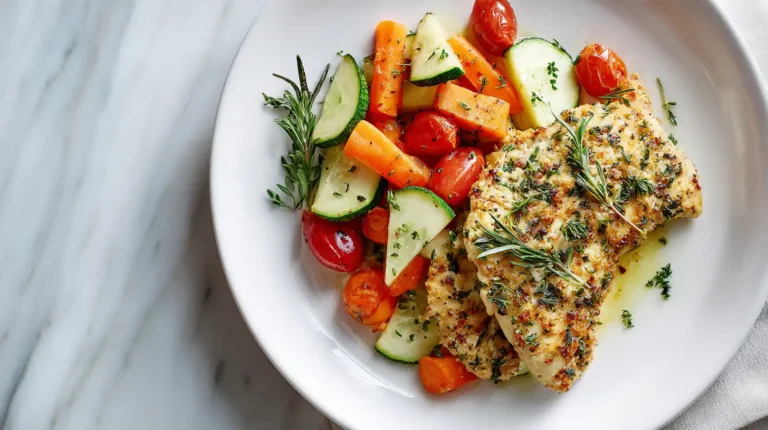
Stick to fresh chicken, turkey, fish, or lean beef. Season them yourself with herbs, garlic, lemon, or whatever you like. Grilling, roasting, or baking all work excellently.
For plant-based protein, dried beans and lentils are perfect. If you have time, cooking from dried beans is better, but rinsing canned beans well (removing 40% of the sodium) is okay.
Eggs are also naturally low in sodium—about 70 milligrams per egg, which is totally manageable. For a high-protein breakfast, try these cottage cheese pancakes (just use low-sodium cottage cheese).
Dairy (Choose Carefully)
Dairy is tricky because a lot of it naturally contains sodium. Milk has about 100 milligrams per cup, which is fine. Regular cheese, though? Regular cheese can contain 200-300 milligrams per ounce. That adds up fast.
Look for low-sodium cheese options. Swiss cheese tends to be lower in sodium than cheddar or American cheese. Or just use less—a little sharp cheddar goes a long way in terms of flavor.
Plain yogurt is tasty. Flavored yogurt? Check the label because some brands add salt along with the sugar.
For dairy alternatives, unsweetened almond milk or oat milk work excellently. Just read the labels—some brands add sodium.
What to Actually Avoid
Processed Food (The Biggest Culprit)
If the food comes in a box, can, or package, check the sodium content. Seriously. I’ve found “healthy” frozen meals with 900+ milligrams of sodium. That’s almost half your daily limit in one meal.
Chips, crackers, and pretzels—all loaded with salt. Even bread can be surprisingly high. Some brands have 200+ milligrams per slice. Read those labels.
The good news? Fresh whole foods rarely have labels because they don’t need them. An apple is an apple. A head of broccoli is a head of broccoli. Simple.
Condiments and Sauces (The Hidden Sodium Bombs)
Soy sauce has about 1,000 milligrams of sodium per tablespoon. Regular soy sauce, that is. (Low-sodium soy sauce has around 600, which is still a lot but more manageable.)
Ketchup, BBQ sauce, salad dressing, and teriyaki sauce are all high in sodium. Even marinara sauce can pack 400+ milligrams per half cup.
What I do now: make my own sauces. A simple vinaigrette is just olive oil, vinegar, Dijon mustard, and herbs. Takes two minutes. For marinara, I use fresh tomatoes, garlic, basil, and a tiny pinch of salt.
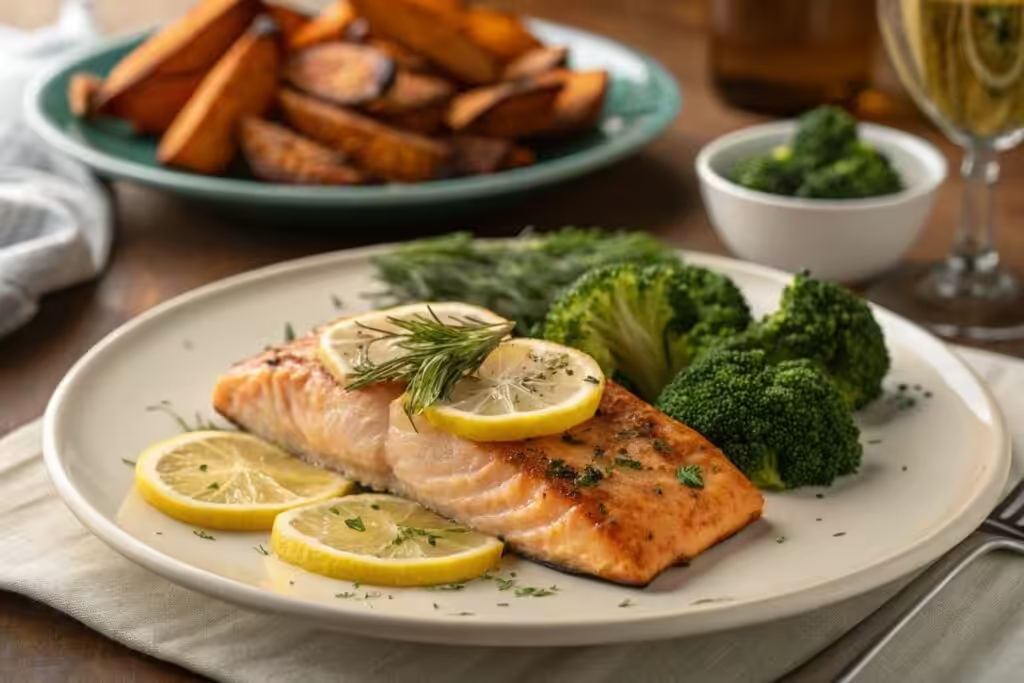
This garlic butter salmon is great if you use unsalted butter and fresh herbs instead of salt.
Cured Meats (Just Say No)
This was hard for my dad because he loved deli meat. But most deli turkey has 500+ milligrams per serving. Salami? Over 1,000. Bacon? Don’t even get me started.
These meats are preserved with salt, which is why they last so long. But that preservation comes at a cost if you’re watching sodium.
Better option: roast your own turkey or chicken and slice it thin for sandwiches. It’s cheaper and fresher, and you control exactly how much salt goes in.
For tips on preparing fresh meat, check out our guide to cooking beef (just skip the salty rubs).
How to Actually Make This Work
Reading Labels Like a Detective
Okay, here’s what you need to know about food labels: The % Daily Value is based on 2,300 milligrams per day. So if something has 20% DV for sodium, that’s 460 milligrams in one serving. That’s a lot.
I aim for products with less than 5% DV per serving. That keeps sodium manageable across multiple meals.
Also, watch out for tricky wording. “Low sodium” means 140 milligrams or less per serving. “Reduced sodium” means 25% less than the original—but that doesn’t make it low. “No salt added” doesn’t mean sodium-free; it just means they didn’t add extra.
Ingredients are listed by weight. If salt appears in the first five ingredients, put it back on the shelf.
Cooking at Home (Where the Magic Happens)
The biggest game-changer? Cooking at home. You control exactly what goes into your food.
I thought food would be bland without salt. It’s not. You just need to get creative with other flavors. Use fresh herbs such as basil, cilantro, parsley, and dill. Use spices such as cumin, paprika, turmeric, and black pepper to enhance the flavor. Acid—lemon juice, lime juice, vinegar. These all add depth and complexity without sodium.
Roasting vegetables brings out their natural sweetness. Garlic adds savory depth. A squeeze of lemon brightens everything.
For meal inspiration, try this vegetable stir-fry using low-sodium soy sauce or coconut aminos. Our meal prep guide has more low-sodium ideas.
Eating Out Without Ruining Everything
Restaurant food is notoriously high in sodium. Chefs use salt liberally because it makes everything taste better. But you can still eat out without blowing your sodium budget.
Ask for sauces and dressings on the side. Request that your food be prepared without added salt (most places will do this). Choose grilled or steamed dishes over fried. Skip the bread basket—restaurant bread is usually pretty salty.
And don’t be shy about asking questions. I used to feel awkward, but now I just explain I’m watching my sodium intake. Most servers are helpful about it.
Questions I Get Asked Constantly
How Can I Flush Sodium Out Fast?
Drink water. Lots of it. Your kidneys filter sodium through urine, so staying hydrated helps that process. Eating potassium-rich foods—bananas, sweet potatoes, and spinach—also helps balance sodium levels.
But honestly? The best strategy is not consuming too much sodium in the first place. Prevention beats damage control.
Can I Still Eat Spaghetti?
Yes! Just make your own sauce. Jarred marinara can have 400+ milligrams per serving. Homemade sauce with fresh tomatoes, garlic, basil, and olive oil? Maybe 50 milligrams total.
Use whole-grain pasta (which is naturally low in sodium), and you’ve got a perfectly acceptable low-sodium meal.
For a protein boost, try this turkey meatball recipe—just reduce the salt in the meatballs.
Are Bananas Okay?
Bananas are perfect for a low-sodium diet. One banana has about 1 milligram of sodium and 422 milligrams of potassium. That potassium helps counteract sodium’s effects on blood pressure.
I eat one almost every day—either in my morning oatmeal or as an afternoon snack.
How Do I Even Start This?
Start by swapping out the biggest offenders. Stop buying processed meals. Cook more at home. Use fresh ingredients. Read labels on everything you buy.
Don’t try to go from 3,500 milligrams to 1,500 overnight. That’s miserable. Cut back gradually. Your taste buds will adjust, I promise. After a few weeks, salty foods that you used to love will taste way too salty.
For recipe ideas, browse our low-sodium collection.
What Happens Long-Term
The Good Stuff That Happens
My dad’s blood pressure dropped within weeks. Not dramatically, but enough that his doctor noticed and approved. That was the first sign this was actually working.
He also stopped feeling bloated all the time. High sodium causes water retention, so cutting back reduced that puffy feeling. He lost a few pounds too—mostly water weight, but still noticeable.
Long-term benefits include reduced risk of heart disease, stroke, and kidney problems. Your heart doesn’t have to work as hard when your blood pressure is lower. Your kidneys function better without excessive sodium to filter.
For additional health support, check out our guide to anti-inflammatory eating.
Can You Go Too Low?
Yes, but it’s pretty rare. Sodium is essential for nerve and muscle function. If you drop way too low (below 1,000 milligrams), you might experience dizziness, fatigue, or muscle cramps.
This mostly happens to endurance athletes who sweat heavily and drink tons of water without replacing electrolytes. For most people eating a balanced diet, getting enough sodium isn’t a problem.
If you’re concerned, talk to your doctor. They can test your sodium levels and give you specific guidance based on your health conditions.
Where We Are Now
Three years into this low-sodium journey, my dad’s doing great. His blood pressure is stable. He doesn’t miss salt as much as he thought he would. And honestly? The food tastes better because we’re using more fresh ingredients and creative seasonings.
The transition wasn’t instant. There were definitely meals where he complained it was bland. But once we figured out how to use herbs, spices, citrus, and garlic effectively, everything improved.
If you’re starting out, be patient with yourself. Your taste buds need time to adjust. After a few weeks, you’ll start tasting the natural flavors in food more clearly. Things that used to seem bland will taste perfectly seasoned.
Start small. Swap one processed food for a fresh version. Cook one more meal at home per week. Read labels on everything. These small changes add up.
For more inspiration, check out our low-sodium recipe collection and healthy lunch ideas. You don’t have to sacrifice flavor to eat less sodium—you just need better strategies.
Good luck. You’ve got this.