Does Rice Have Gluten? The Ultimate Guide to Safe Gluten-Free Eating
The Question That Kept Us Up at Night
Upon receiving the diagnosis of our daughter’s celiac disease, Nora, like any other concerned parent, panicked. Then I obsessed. Then I read everything I could discover about safe foods.
Rice seemed like an obvious answer, right? It’s simple, it’s filling, and kids actually eat it. But every time I stood in the grocery store, I found myself frozen in the aisle, reading labels, second-guessing myself. Is the food really safe? What if I’m missing something?
Nicolas would find me there with three different boxes of rice in my hands and say, You’ve read the label like five times. It either says “gluten-free,” or it doesn’t. He was right, but also… he was mistaken. The real story about whether rice contains gluten is more nuanced than any label indicates.
So we researched. We asked questions. We learned the hard way (and yes, we made mistakes). Now I want to walk you through what we discovered so you don’t have to stress like I did.
Does Rice Have Gluten? Here’s What You Actually Need to Know
The quick answer: Yes, pure rice is completely and naturally gluten-free. Like, genuinely zero gluten proteins. Every type of rice—white, brown, jasmine, basmati, or whatever—is safe from a “contains gluten” standpoint.
But here’s the part that matters: Rice can pick up gluten on its way to your dinner table.
Think of it like this: gluten isn’t naturally in rice, but it can be introduced into rice, kind of like how a clean shirt gets dirty when you’re not looking. That’s what we’re actually worried about when we’re choosing gluten-free meals for our families.
Is Rice Gluten-Free? The Hidden Risks Nobody Warns Parents About
I wish someone had sat down with me and said, “Nora, here’s what can actually go wrong with feeding your family rice.” So I’m doing that for you right now.
Does Rice Have Gluten? The Bulk Bin Trap Most Parents Don’t Expect
This was our first mistake, and I think about it often. We went to a well-known health food store and bought rice from the bulk bins. The bins looked clean. There was a delightful little scoop. We thought we were being smart getting fresh, affordable rice.
What we didn’t know: that same bulk section probably has wheat berries, regular oats, and other gluten-containing grains nearby. Everyone uses the same scoops. Staff members might not be trained on cross-contamination. It’s basically a gluten petri dish.
Nicolas’s take: “I asked an employee if the scoops were cleaned between uses. She looked at me like I’d asked her to recite the periodic table. That’s when we knew we’d made a mistake.”
Our rule now: We never buy rice from bulk bins. Never. Not even if it’s a better price. The risk isn’t worth the savings for our gluten-free family meals.
Why Gluten-Free Rice at the Processing Mill Matters: Factory Cross-Contamination
This one’s less visible but equally important. Rice goes through mills and processing equipment. If that same equipment also processes wheat, barley, or other grains containing gluten, contamination can happen during production. It’s not anyone’s fault; it’s just how the food system works.
That’s why certified gluten-free labels exist. When rice has that label, it means the manufacturer tested the final product to ensure it contains less than 20 parts per million of gluten, which is the safety threshold the FDA recognizes as safe for people with celiac disease.
The simple solution for safe gluten-free rice: Buy rice with a certified gluten-free label. Yes, it might cost a bit more. But you’ll sleep at night. And isn’t that worth it when you’re cooking for your kid’s health?
Gluten-Free Rice Starts in the Field: Farm-to-Table Contamination
Sometimes gluten is introduced even before rice reaches the factory. Rice fields can border wheat fields. During harvest, grains can mix. During transport, the same trucks might carry different grains.
Again, this is why certified gluten-free labeling matters. Manufacturers who certify their gluten-free rice products are aware of these risks and have systems in place to prevent them.
Restaurant Rice for Gluten-Free Diets: Your Restaurant Script for Safe Meals
Here’s what I always tell parents before they order rice at a restaurant: ask questions. Don’t just assume that “plain rice” served at a restaurant is actually safe for a gluten-free diet.
Real-life scenario: We went out for dinner, and our daughter ordered rice. Simple, right? Except the rice was seasoned with a spice blend that contained malt flavoring, which comes from barley. That’s gluten.
Or it could have been cooked in water that previously held pasta. Alternatively, the utensil used to serve the food touched the bread.
Questions to ask restaurants when ordering gluten-free rice:
- “Is this rice prepared without any wheat-based ingredients?”
- “Is it cooked in a separate area or with separate utensils from gluten-containing foods?”
- “Is there any seasoning that might contain gluten?”
- “Can you prepare it fresh using a clean spoon?”
Most excellent restaurants take these questions seriously, especially when you explain it’s for an allergy. Some will even offer to prepare it fresh in their gluten-free station.

Is Gluten-Free Rice in Mixes Actually Safe? The Sneaky Culprit Most Parents Miss
People often make the mistake of assuming that plain rice is safe. But flavored rice? Rice mixes? That’s a different story entirely when you’re choosing gluten-free options.
We learned our lesson the hard way too. I grabbed a box of rice pilaf, the kind with the little pasta mix, without checking the label closely. What kind of pasta is included in the package? It’s wheat. The whole thing is not safe for a gluten-free diet.
Let me break down the usual suspects when looking for gluten-free rice products:
Rice Pilaf (Often Contains Gluten): Often contains orzo (wheat pasta) or gluten-based broth. If it’s not certified gluten-free, it’s not safe.
Fried Rice (Usually NOT Gluten-Free): Traditionally made with regular soy sauce, which contains wheat. Unless they specify tamari or a gluten-free version, skip it. It is not recommended for individuals following a gluten-free diet.
Boxed Rice Mixes (Check Labels): Are those flavor packets included? These packets may contain malt flavoring, wheat flour thickeners, or other hidden gluten sources. Always check the label carefully.
Even Rice Krispies Cereal (Tricky!): Contains malt flavoring from barley. The gluten-free version is labeled differently. Watch for this one; it tricks many parents.
Pro tip: If it comes with seasoning or it’s not just plain rice, assume it has gluten until you see the certified gluten-free label. For more safe breakfast options, check out our gluten-free collection.
All Rice Types Are Naturally Gluten-Free: Complete List for Your Gluten-Free Meals
This is the positive news part: if you buy plain, certified gluten-free rice, any variety is fair game for your gluten-free diet. You don’t need to avoid any particular type based on gluten content.
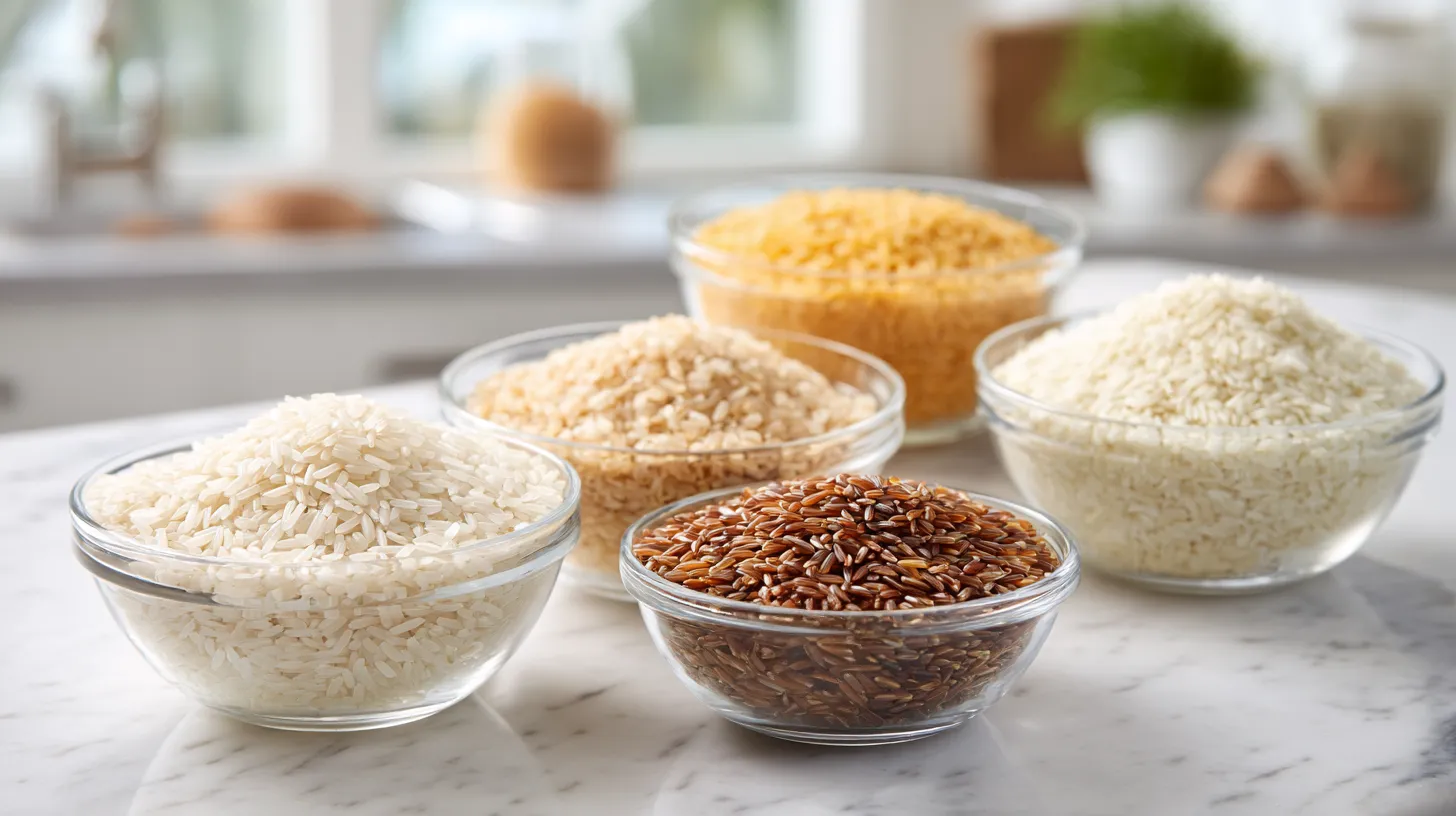
White Rice (any grain length) Naturally gluten-free
Brown Rice Safe for gluten-free diets
Jasmine rice is Completely gluten-free
Basmati Rice Gluten-free option
Wild rice is Naturally gluten-free
Arborio Rice: A Safe gluten-free choice
Even sticky/sweet/glutinous rice is safe, and yes, I know the name is confusing. “Glutinous” refers to the rice’s sticky texture and its high starch content, not to gluten. It’s entirely different from the gluten in wheat and won’t affect your gluten-free diet.
The takeaway? You’re not limited in your gluten-free rice choices. Pick whatever rice your family likes and that fits your gluten-free recipes with chicken. Just make sure it’s certified gluten-free.
When Your Gluten-Free Kid Still Gets Sick: Understanding Orzenin and Rice Proteins
Okay, this may sound random, but it matters for some families managing celiac disease and gluten sensitivity. You might read that rice contains a protein called orzenin that’s similar to gluten in wheat. Some people worry that these proteins could trigger symptoms in people with celiac disease.
Here’s what the science says: for the vast majority of kids with celiac disease or gluten sensitivity, orzenin does not cause the same immune reaction as wheat gluten. The FDA and major celiac organizations all agree that gluten-free rice is safe.
But—and this is important—a small percentage of highly sensitive people might react to it. We’re talking maybe 1-2% of people with celiac disease.
If your kiddo is doing everything right, eating certified gluten-free foods, and still having symptoms, that’s a conversation to have with their doctor or a registered dietitian. There are always individual variations, and a medical professional can help figure out what’s happening. For additional support, explore our autoimmune diet guide.
For almost everyone else? Rice is genuinely safe and should be a staple of your gluten-free rotation.
Our Family’s Real Gluten-Free Rice Rules: What Actually Works for Busy Parents
After months of figuring this out, we landed on a system that works for us. These aren’t fancy; they’re just practical things that keep us sane and keep our daughter healthy while managing her celiac disease.
Rule #1: Certified Gluten-Free Labels, Always
We buy rice with the “certified gluten-free” label on every box. Not just “naturally gluten-free,” but actually certified and verified. Yes, it costs a bit more. It is definitely worth the extra cost, as it provides peace of mind.
Rule #2: Check the Full Ingredient List
If it comes with anything other than rice, we read every ingredient. Spice blends, broths, and seasonings are all checked carefully. The process takes 30 seconds and prevents problems.
Rule #3: Never Buy from Bulk Bins
Not negotiable in our house. Cross-contamination in bulk sections is too common and too easy. We buy packaged rice exclusively.
Rule #4: Ask Questions at Restaurants
We’ve gone from feeling awkward asking questions to understanding it’s normal and necessary. Staff usually appreciate knowing what they need to do for your gluten-free meal.
Rule #5: When In Doubt, Cook It Yourself
Plain rice, cooked in clean water, with clean utensils. It only requires 20 minutes to prepare. Perfect every time and completely safe. Check our meal prep recipes for easy cooking tips.
What This Means for Your Kitchen Right Now: Practical Steps for Gluten-Free Families
You don’t need to overhaul everything. If you are already purchasing regular rice and your child is doing well with it, that is great. But if you’re dealing with a new celiac or gluten sensitivity diagnosis, here’s what I’d do:
- This week: Go through your pantry and check what rice products you have. Look for that certified gluten-free label.
- Next grocery trip: Stock up on certified gluten-free rice varieties. Find ones your family actually likes eating. (Brown rice for some meals, white rice for others, jasmine rice for when we want something special—variety keeps everyone happy.)
- At restaurants: Develop your three to four go-to questions for ordering gluten-free. You might find it helpful to note them on your phone. It becomes easier every time you ask.
- At home: Set up a simple system. Perhaps you could designate a specific shelf for certified gluten-free foods. Consider implementing a label system. Whatever helps you feel organized and confident.
- Share this with other parents: If you know someone newly navigating gluten-free life, send them this article. The community needs each other.
Gluten-Free Rice Recipe Ideas: From Your Kitchen to Yours
Speaking of practical solutions, we have tons of easy gluten-free meals on our blog that work perfectly with certified gluten-free rice:
- Chicken Tortilla Soup—A comforting gluten-free family favorite with rice
- Traditional Mexican Tacos—Perfect with cilantro rice sides
- Low-Sodium Meals—Great for gluten-free families managing health concerns
- Easy Gluten-Free Lunch Recipes—A complete collection specifically for gluten-free diets
- Best Griddle Recipes—Including rice-based griddle meals
- Dirty Rice Recipe—A Southern classic made gluten-free safe
- Saffron Rice Recipe—Elegant gluten-free side dish
- Salmon Dinner Recipes—Protein + rice combinations
These recipes all work beautifully with certified gluten-free rice, making meal planning easier for parents managing celiac disease.
The Bottom Line: Gluten-Free Rice Is Your Reliable Staple
Rice is genuinely gluten-free. It’s not a risky food or something to avoid. It’s a reliable, affordable staple that should absolutely be part of your gluten-free rotation.
The key is knowing where the actual risks hide—bulk bins, unlabeled mixes, and cross-contamination during prep—so you can make confident choices instead of anxious ones.
Nicolas likes to say, “Rice is boring in a good way. It just does its job. Once you know the rules, you can relax about it.”
He’s right. And I think that’s the goal here—not to stress you more, but to give you the information you need to feel genuinely confident feeding your family safe, gluten-free meals.
Your kids deserve to eat safely. You deserve to feel confident when you’re doing it. This issue is one of those things that’s way less complicated than it seems once you understand the real story about whether rice has gluten.
You’ve got this.
Nora & Nicolas, The Dalim Family
More Resources for Gluten-Free Parents
If you’re managing celiac disease or gluten sensitivity in your family, we have comprehensive guides:
- Bariatric Recipes—For specialized dietary needs
- AIP Recipes Guide—Autoimmune Protocol options
- What Foods Can I Eat on the AIP Diet—Complete AIP food list
- Vegan Recipes—Plant-based, gluten-free options
- Vegetarian Soup Recipes—Gluten-free soup ideas for families
- Instant Pot Recipes—Easy gluten-free meals for busy families
P.S. Have a favorite gluten-free rice dish you make at home? We’d love to hear about it. Drop your family’s go-to rice recipe in the comments or shoot us a message on Instagram; we’re constantly looking for new ideas to share.
Gluten-Free Rice Guide
Ingredients
Types of Rice
- 1 cup Certified Gluten-Free White Rice (Select a brand that is labeled certified gluten-free.)
- 1 cup Certified Gluten-Free Brown Rice (Choose brands ensuring low cross-contamination.)
- 1 cup Certified Gluten-Free Jasmine Rice (Make sure it has the certified gluten-free label.)
Instructions
Preparation
- Check all rice products for a certified gluten-free label before purchasing.
- Avoid buying rice from bulk bins to minimize contamination risk.
Cooking
- Rinse rice under cold water until the water runs clear.
- In a saucepan, combine 1 cup of rice with 2 cups of water and a pinch of salt.
- Bring to a boil, then reduce heat to low, cover, and simmer for about 20 minutes until tender.
Notes
Always ask restaurants about gluten-free practices to ensure safety.