AIP Diet Guide: Recipes and Strategies That Actually Work
So here’s what happened three years ago.
Quick Answer
- AIP (Autoimmune Protocol) recipes eliminate grains, dairy, legumes, eggs, and nightshades
- The easiest AIP proteins are chicken, turkey, and salmon — all naturally compliant
- Coconut milk, coconut aminos, and arrowroot starch are the top AIP pantry staples
- Most AIP meals take 30 to 45 minutes and use one pan for easy cleanup
- Every recipe on this page follows strict AIP guidelines with no forbidden ingredients
My best friend Sarah called me crying. Not the gentle, I-just-watched-a-sad-movie crying. The exhausted, I-can’t-do-this-anymore kind.
She’d just gotten her Hashimoto’s diagnosis. The doctor handed her a prescription and basically said, “good luck.” No real guidance. No hope for actually feeling better. Just… here’s your medication, see you in six months.
Sarah was 34. A mom of two. And she could barely get out of bed most mornings.
That’s when we stumbled onto the Autoimmune Protocol diet. And honestly? I was skeptical as hell. Another restrictive diet claiming to fix everything? Sure.
But watching Sarah transform over the next few months changed my mind completely. Her energy came back. The brain fog lifted. She started recognizing herself again.
Now, I’m not gonna to sit here and tell you AIP is magic. It’s not easy. There were days Sarah wanted to throw in the towel. But three years later, she’s managing her Hashimoto’s better than her doctor ever expected.
Today I’m sharing everything we learned – the stuff that actually worked, the shortcuts we discovered, and the mistakes you can avoid.
Here’s What You’re Getting:
- The real science behind AIP (without the medical jargon)
- What you can actually eat (it’s way more than you think)
- 15 recipes that don’t taste like cardboard
- How to deal with the hard parts without losing your mind
- The reintroduction phase explained like a normal human
What Is the AIP Diet and Autoimmune Protocol?
Let me break this down without making it sound like a medical textbook.
Your immune system is supposed to protect you. But when you have autoimmune disease, it gets confused and starts attacking your own body. Think of it like a security system that can’t tell the difference between burglars and your family members.
The research from Cleveland Clinic shows that chronic inflammation and gut problems play a huge role in this confusion.
AIP is basically a reset button. You temporarily cut out foods that commonly trigger inflammation. Then – and this part’s crucial – you slowly add them back to figure out what YOUR body can handle.
It’s not a forever diet. It’s an investigation.
Why Your Gut Matters More Than You Think
Your gut lining is supposed to be like a selective bouncer at a club. It lets the good stuff in (nutrients) and keeps the bad stuff out (toxins, undigested food particles).
But when that lining gets damaged – what doctors call “increased intestinal permeability” or leaky gut – things start sneaking through that shouldn’t. Your immune system sees these particles in your bloodstream and freaks out.
According to peer-reviewed research on Healthline, certain foods make this worse. AIP removes those foods while focusing on nutrients that actually help repair that gut lining.
Pretty straightforward, right?
Who Should Actually Try This?
Look, I’m not gonna tell you everyone needs AIP. You don’t.
But if you’re dealing with any of these, it’s worth considering:
- Hashimoto’s thyroiditis – Sarah’s thyroid antibodies dropped 60% in eight weeks.
- Rheumatoid arthritis – Joint pain and morning stiffness often improve significantly.
- Inflammatory bowel disease – Studies from the National Institutes of Health show real promise here.
- Lupus – Can help manage flares and reduce overall inflammation.
- Multiple sclerosis – Some people report better symptom control.
- Psoriasis or eczema – Skin often clears up when the gut heals.
Even if you don’t have a diagnosis but you’re constantly tired, dealing with mystery digestive issues, or feeling inflamed all the time, AIP might give you answers.
Just talk to your doctor first. I’m not a medical professional, just someone who’s seen this work.
Complete AIP Diet Food List: What You Can Eat
Everyone focuses on what you CAN’T eat. Let’s flip that.
Because honestly, once you get past the initial panic, there’s still tons of delicious food available.
Best Protein Sources for AIP Diet Recipes
You need protein. A lot of it. It’s literally the building blocks for repairing your damaged tissues.
Your best bets:
- Grass-fed beef – Higher in omega-3s than the conventional stuff.
- Chicken and turkey – Versatile, affordable, easy to cook.
- Wild-caught fish – Salmon, sardines, mackerel are inflammation-fighting machines.
- Bison and lamb – Great alternatives when you’re sick of chicken.
- Organ meats – I know, I know. But liver is basically a multivitamin in food form.
- Seafood – Shrimp, scallops, oysters all work
Pro tip: If organ meats gross you out, mix ground liver into your burger meat. You won’t taste it, but you’ll get all those nutrients.
Our Sweet Hawaiian Crockpot Chicken is perfect for AIP with just a few tweaks to the sauce.
Vegetables (Basically Eat All of Them… Except)
Here’s where you can really load up.
Eat these like they’re going out of style:
- Leafy greens – Spinach, kale, arugula, Swiss chard, collards
- Cruciferous veggies – Broccoli, cauliflower, Brussels sprouts, cabbage
- Root vegetables – Sweet potatoes, carrots, beets, turnips, parsnips
- Squash – Butternut, acorn, spaghetti squash, zucchini
- Onions and garlic – Flavor powerhouses with anti-inflammatory benefits
- Sea vegetables – Nori, kelp, dulse if you’re feeling adventurous
Skip these nightshades:
Tomatoes, white potatoes (sweet potatoes are fine though!), all peppers, and eggplant. They contain compounds that can increase gut permeability in sensitive people.
I know. Tomatoes hurt to give up. But it’s temporary.
Check out our BBQ Chicken Pizza on Cauliflower Crust for a nightshade-free version that actually tastes good.
Fats Are Your Friend
Don’t be scared of fat. Your hormones literally need it to function.
Stock these:
- Avocado and avocado oil – Great for high-heat cooking
- Coconut everything – Oil, milk, cream, butter
- Olive oil – Extra virgin for dressings, regular for gentle cooking
- Animal fats – Tallow, lard, duck fat from quality sources
Fruit (Yes, It’s Allowed)
Some people say to avoid fruit on AIP. I call nonsense on that.
Unless you’re dealing with candida overgrowth or blood sugar issues, fruit is totally fine. Just focus on lower-sugar options.
Best choices:
- Berries – Lowest sugar, highest antioxidants. Win-win.
- Apples and pears – The pectin content actually helps gut health
- Stone fruits – Peaches, plums, cherries in moderation
- Bananas – Especially slightly green ones for resistant starch
- Tropical fruits – Mango, papaya, pineapple (watch portions)
Seasonings That Still Work
This trips people up. Yes, you lose a bunch of spices. But you still have flavor options.
Use liberally:
- Fresh herbs (basil, cilantro, parsley, thyme, rosemary, oregano, dill)
- Garlic and onion (fresh or powder)
- Turmeric and ginger (anti-inflammatory superstars)
- Cinnamon, mace, cloves
- Good quality sea salt
- Apple cider vinegar
- Coconut aminos (replaces soy sauce)
Skip these:
Black pepper, cumin, coriander, fennel, mustard, and anything nightshade-based like paprika, cayenne, and chili powder.
What You’re Eliminating (And Why It Matters)
Alright, let’s rip off the band-aid.
The elimination list is long. I won’t pretend it isn’t. But every food on here has a legitimate reason for being temporarily removed.
The Complete No-Go List
| Category | Specific Foods | Why They’re Out |
|---|---|---|
| Grains | Wheat, rice, oats, corn, quinoa, all flour products | Contains lectins and other compounds that mess with gut barrier function |
| Legumes | Beans, lentils, peas, peanuts, soy | High in lectins and saponins that irritate the gut |
| Dairy | Milk, cheese, yogurt, butter, cream, whey | Casein and lactose commonly trigger immune responses |
| Eggs | Whole eggs, egg whites, anything egg-based | Lysozyme in whites can increase intestinal permeability |
| Nuts and Seeds | All nuts, all seeds, seed oils, seed spices | Phytic acid and enzyme inhibitors stress digestion |
| Nightshades | Tomatoes, potatoes, peppers, eggplant, goji berries | Glycoalkaloids increase gut permeability |
| Refined Sugar | White sugar, brown sugar, artificial sweeteners | Feeds bad gut bacteria, causes inflammation |
| Processed Foods | Anything with additives, emulsifiers, preservatives | Synthetic ingredients disrupt gut microbiome |
The Sneaky Stuff That Catches Everyone
Reading labels becomes a part-time job. These ingredients hide everywhere:
- Gums (guar, xanthan) – In “healthy” products, protein powders, coconut milk
- Natural flavors – Can hide gluten, soy, or corn derivatives
- Maltodextrin – Usually corn or wheat-based
- Modified food starch – Almost always from eliminated grains
- Soy lecithin – Lurks in chocolate, supplements, processed foods
My rule? If the ingredients list looks like a chemistry experiment, skip it during elimination.
15 AIP Diet Recipes You’ll Actually Make
I tested every single one of these. Some multiple times because my family kept requesting them.
These aren’t “diet food.” They’re just good foods that happen to follow AIP guidelines.
Breakfast (Because It’s the Hardest Meal)
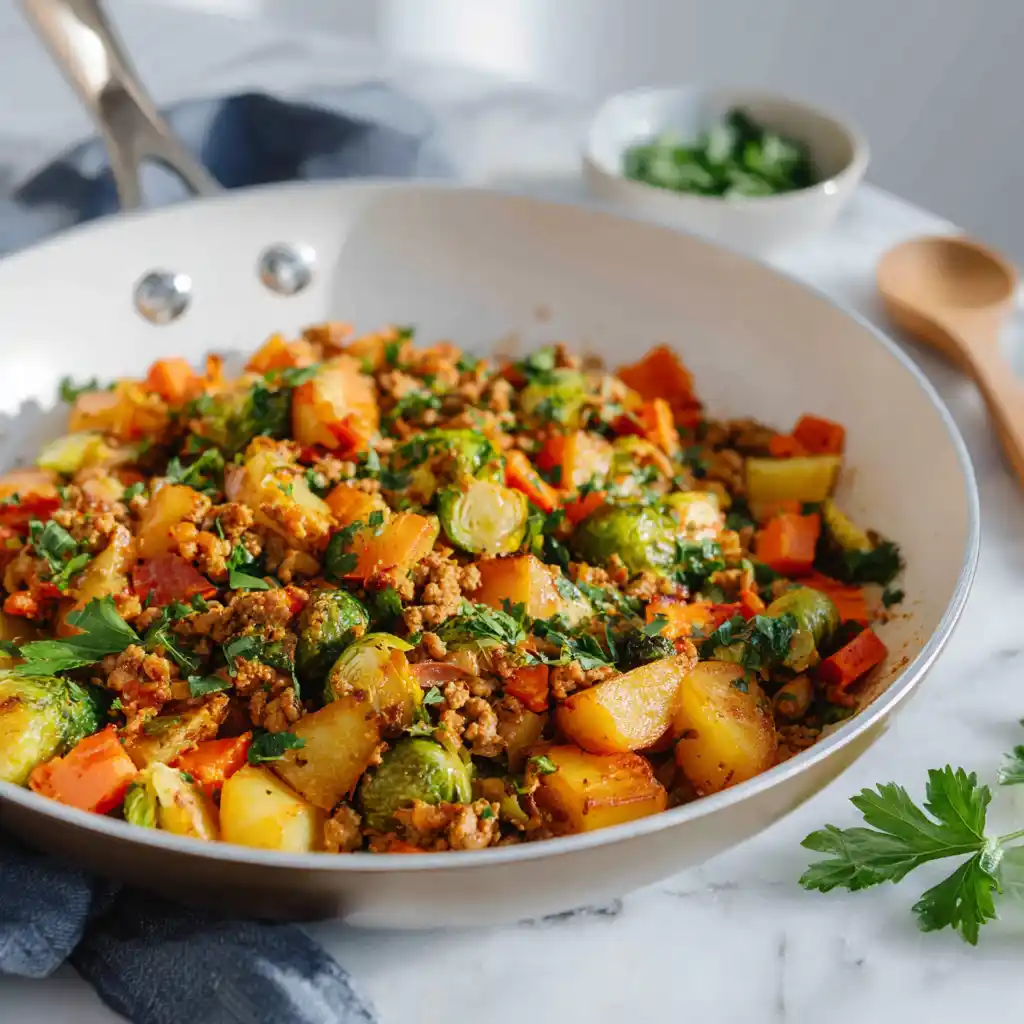
1. Sweet Potato and Turkey Breakfast Hash
This became our Sunday morning staple. Crispy sweet potatoes, savory turkey, and enough vegetables to make you feel virtuous.
What you need:
- 1 pound ground turkey
- 2 large sweet potatoes, diced small (small pieces = crispier)
- 1 cup Brussels sprouts, shredded
- 1 medium onion, diced
- 2 cloves garlic, minced
- 2 tablespoons coconut oil
- 1 teaspoon turmeric
- 1 teaspoon dried thyme
- Sea salt
- Fresh parsley
How to make it:
- Get your skillet really hot. Add coconut oil.
- Throw in sweet potatoes. Don’t move them around too much – let them get crispy. About 8-10 minutes.
- Push potatoes to one side, add turkey to the other. Break it up, let it brown.
- Add everything else. Season generously.
- Cook another 5-7 minutes until the Brussels sprouts are tender and everything’s golden.
- Top with fresh parsley.
Similar to our Sweet Potato Hash with Turkey Sausage but modified for strict AIP compliance.
2. Banana Coconut Porridge
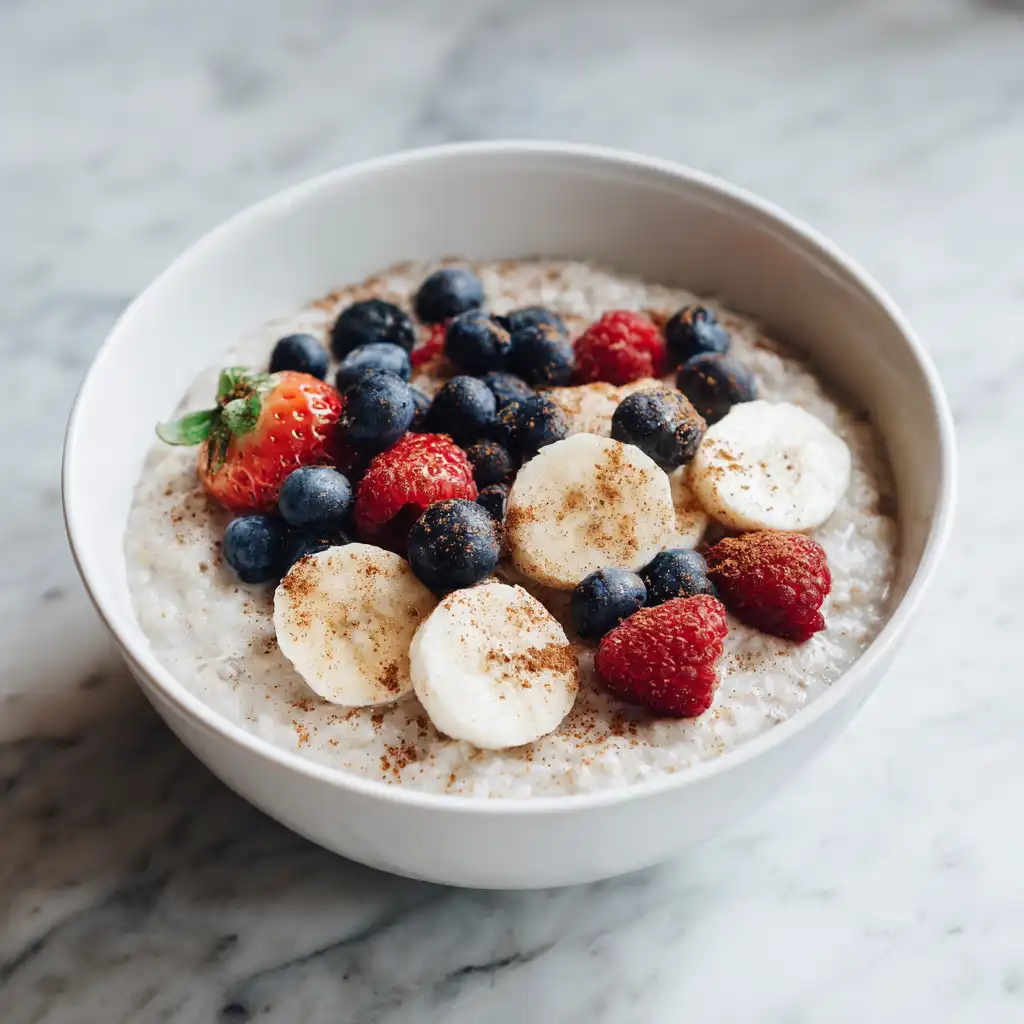
When you’re missing oatmeal so badly you could cry, make this instead.
What you need:
- 2 ripe bananas (spotty ones work best)
- 1 cup full-fat coconut milk
- 2 tablespoons coconut flour
- 1 tablespoon coconut oil
- 1 teaspoon cinnamon
- Pinch sea salt
- Fresh berries
How to make it:
- Mash bananas in a small pot.
- Add coconut milk and flour. Whisk out lumps.
- Cook over medium heat, stirring constantly. It’ll thicken in 5-7 minutes.
- Stir in coconut oil, cinnamon, and salt.
- Top with berries.
It won’t fool you into thinking it’s oatmeal. But it’s comforting and satisfying, which is what matters at 7 AM.
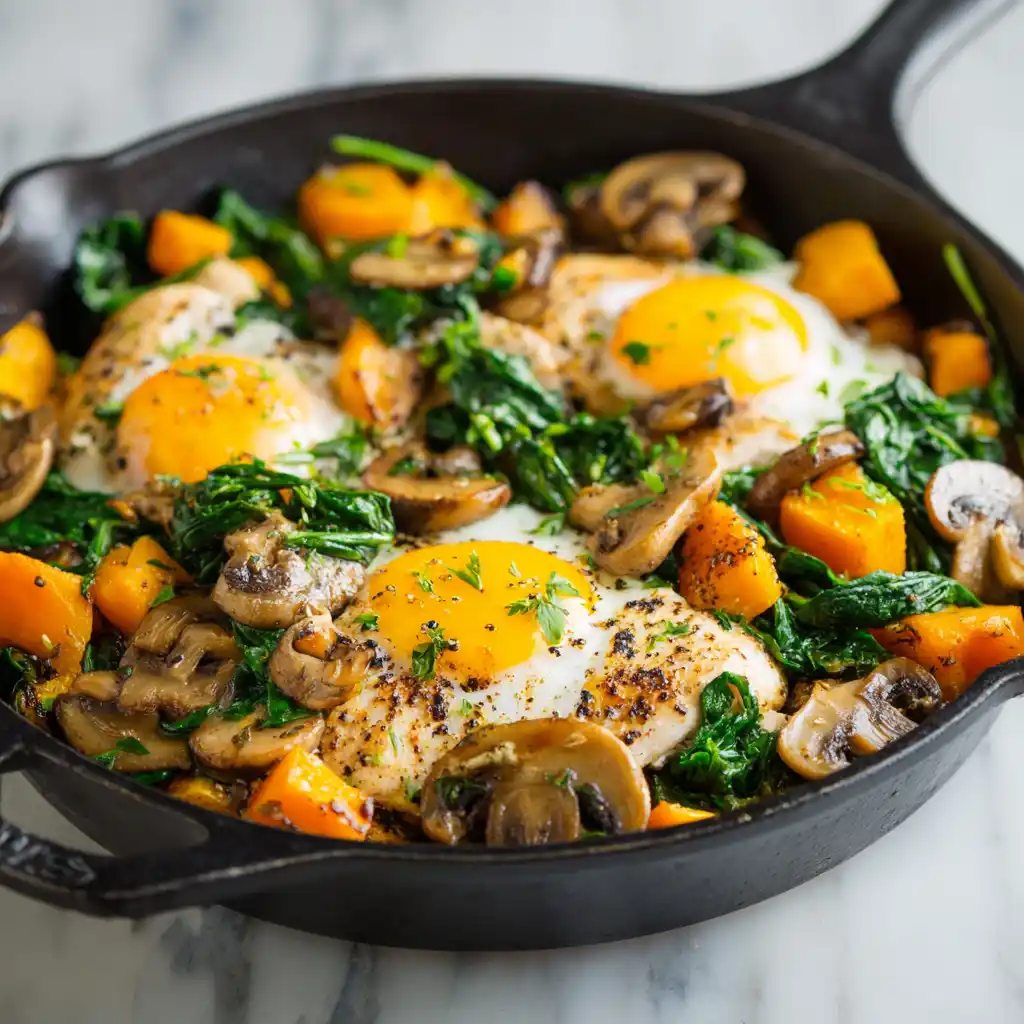
3. Chicken and Vegetable Breakfast Skillet
Who says breakfast has to be sweet? This is my go-to for meal prep.
What you need:
- 1 pound ground chicken
- 2 cups butternut squash, cubed
- 2 cups spinach
- 1 cup mushrooms, sliced
- 1 medium onion, diced
- 3 cloves garlic, minced
- 2 tablespoons avocado oil
- 1 teaspoon dried sage
- 1/2 teaspoon dried rosemary
- Sea salt
How to make it:
- Heat oil. Add butternut squash first – it needs a head start. Cook for about 10 minutes.
- Add chicken. Break it up, let it brown.
- Toss in onion, garlic, mushrooms. Season with herbs and salt.
- In the last minute or two, add spinach. Just wilt it.
- Done. Divide into containers for the week.
Lunch Options That Travel Well
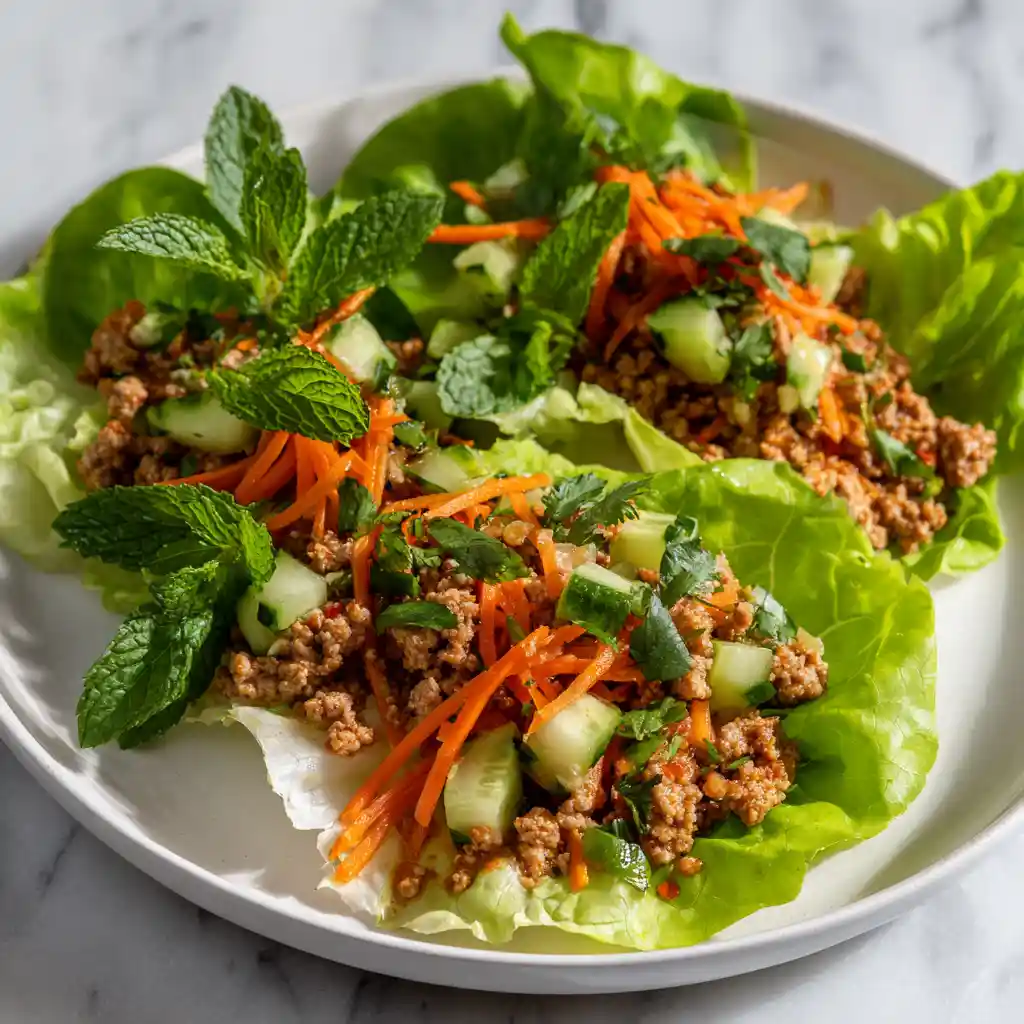
4. Turkey and Veggie Lettuce Wraps
These are legitimately good. Not “good for a diet food” – actually good.
What you need:
- 1 pound ground turkey
- 1 large head of butter lettuce
- 1 cup cucumber, julienned
- 1 cup carrots, shredded
- 1/2 cup fresh cilantro
- 2 green onions, sliced
- 2 tablespoons coconut aminos
- 1 tablespoon fresh ginger, minced
- 2 cloves garlic, minced
- 1 tablespoon coconut oil
For the sauce:
- 3 tablespoons coconut aminos
- 1 tablespoon apple cider vinegar
- 1 teaspoon fresh ginger, grated
- 1 clove garlic, minced
How to make it:
- Brown turkey with ginger and garlic. Add 2 tablespoons coconut aminos.
- Mix sauce ingredients in a small bowl.
- Separate lettuce leaves. Fill with turkey, cucumber, carrots, and cilantro.
- Drizzle with sauce. Top with green onions.
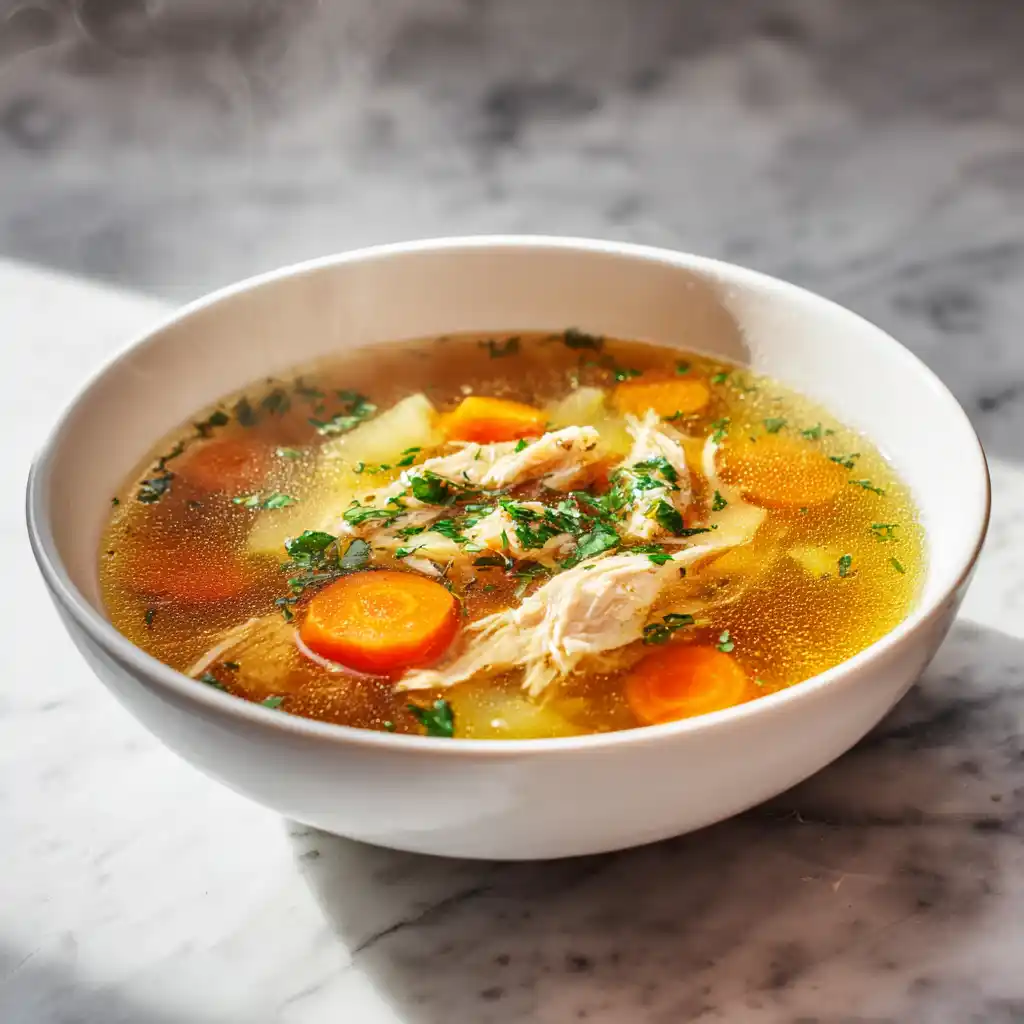
5. Chicken and Vegetable Soup
This is the soup Sarah lived on during her worst days. It’s gentle on your stomach but packed with nutrients.
What you need:
- 2 pounds bone-in chicken thighs
- 8 cups bone broth (homemade is better, but store-bought works)
- 3 large carrots, sliced
- 2 cups butternut squash, cubed
- 2 celery stalks, sliced
- 1 large onion, diced
- 4 cloves garlic, minced
- 2 bay leaves
- 1 teaspoon dried thyme
- 1 teaspoon turmeric
- Sea salt
- Fresh parsley
How to make it:
- Dump broth, chicken, bay leaves, thyme, and turmeric in a big pot.
- Bring to a boil, then simmer for 30 minutes.
- Fish out the chicken. Shred the meat, and toss the bones and skin.
- Add all vegetables to the broth. Simmer for 20 minutes until tender.
- Return chicken to pot. Season with salt.
- Garnish with parsley.
For more soup inspiration, check out Chicken Broccoli Soup – just skip the dairy and you’re golden.
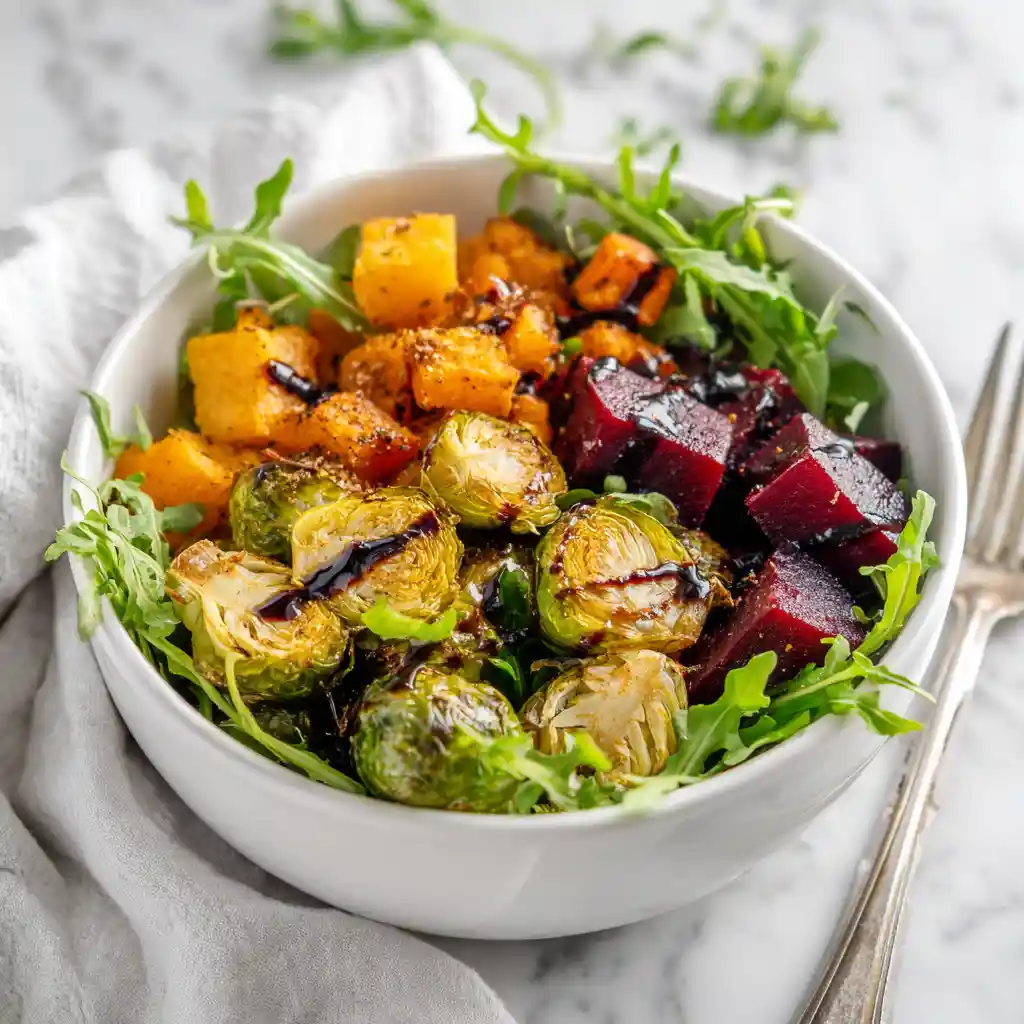
6. Roasted Vegetable Bowl with Balsamic Glaze
Meal prep heaven. Make once, eat four times.
What you need:
- 2 cups Brussels sprouts, halved
- 2 cups butternut squash, cubed
- 2 cups beets, cubed
- 1 red onion, wedged
- 3 tablespoons avocado oil
- 2 tablespoons balsamic vinegar (check ingredients – should just be grapes)
- 2 teaspoons dried rosemary
- Sea salt
- Cooked protein of choice
- Fresh arugula
How to make it:
- Crank oven to 425°F.
- Toss everything with oil, vinegar, rosemary, and salt.
- Spread on two baking sheets. Don’t crowd them.
- Roast 35-40 minutes. Stir halfway through.
- Serve over arugula with your protein.
Dinner Winners
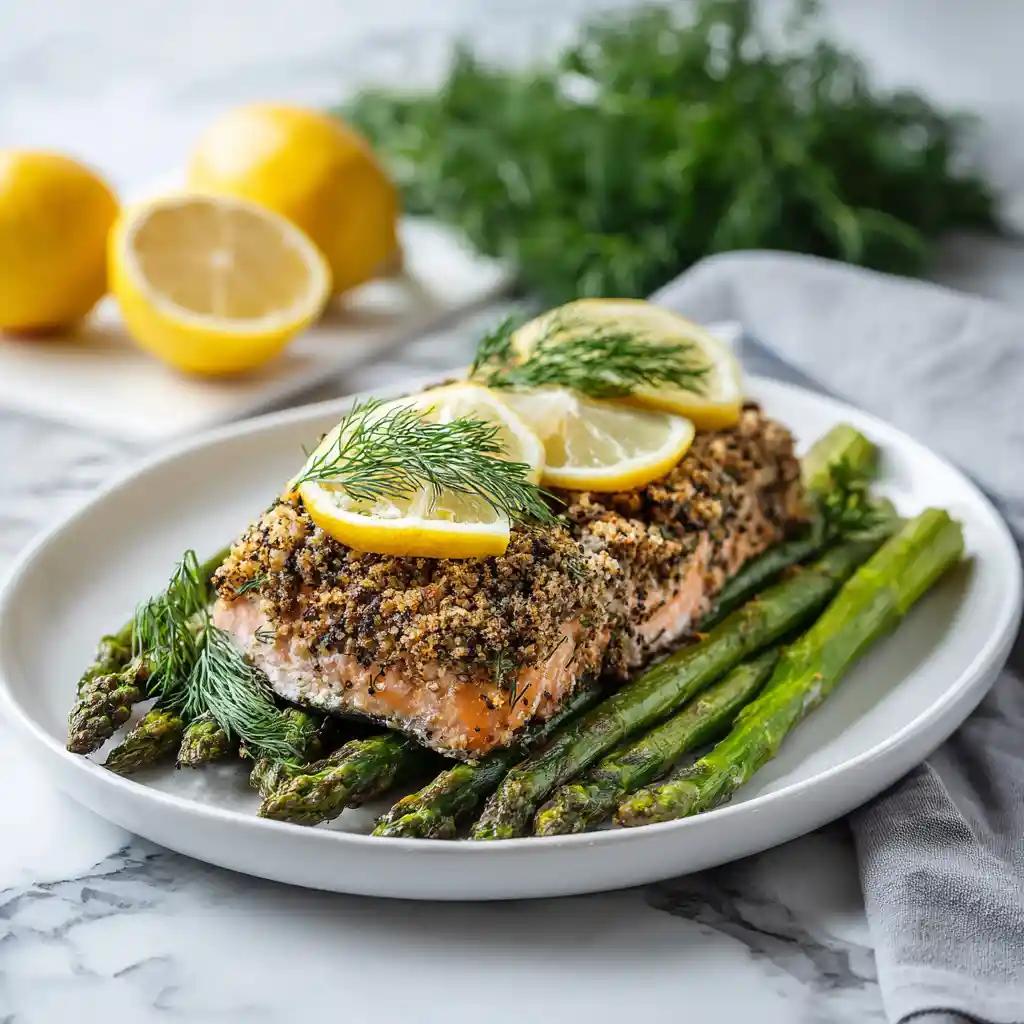
7. Herb-Crusted Salmon with Asparagus
Fancy restaurant quality. Takes 20 minutes.
What you need:
- 4 wild-caught salmon fillets (6 oz each)
- 2 cups asparagus, trimmed
- 2 cups zucchini, sliced
- 3 tablespoons fresh dill, chopped
- 2 tablespoons fresh parsley, chopped
- 2 cloves garlic, minced
- 3 tablespoons olive oil (divided)
- 2 tablespoons lemon juice
- Sea salt
- Lemon wedges
How to make it:
- Heat oven to 400°F.
- Toss vegetables with 1 tablespoon oil and salt. Spread on a baking sheet.
- Mix dill, parsley, garlic, 2 tablespoons oil, and lemon juice.
- Place salmon on the sheet with vegetables. Spread herb mixture on top.
- Roast 15-18 minutes. Salmon should flake easily.
- Serve with lemon wedges.
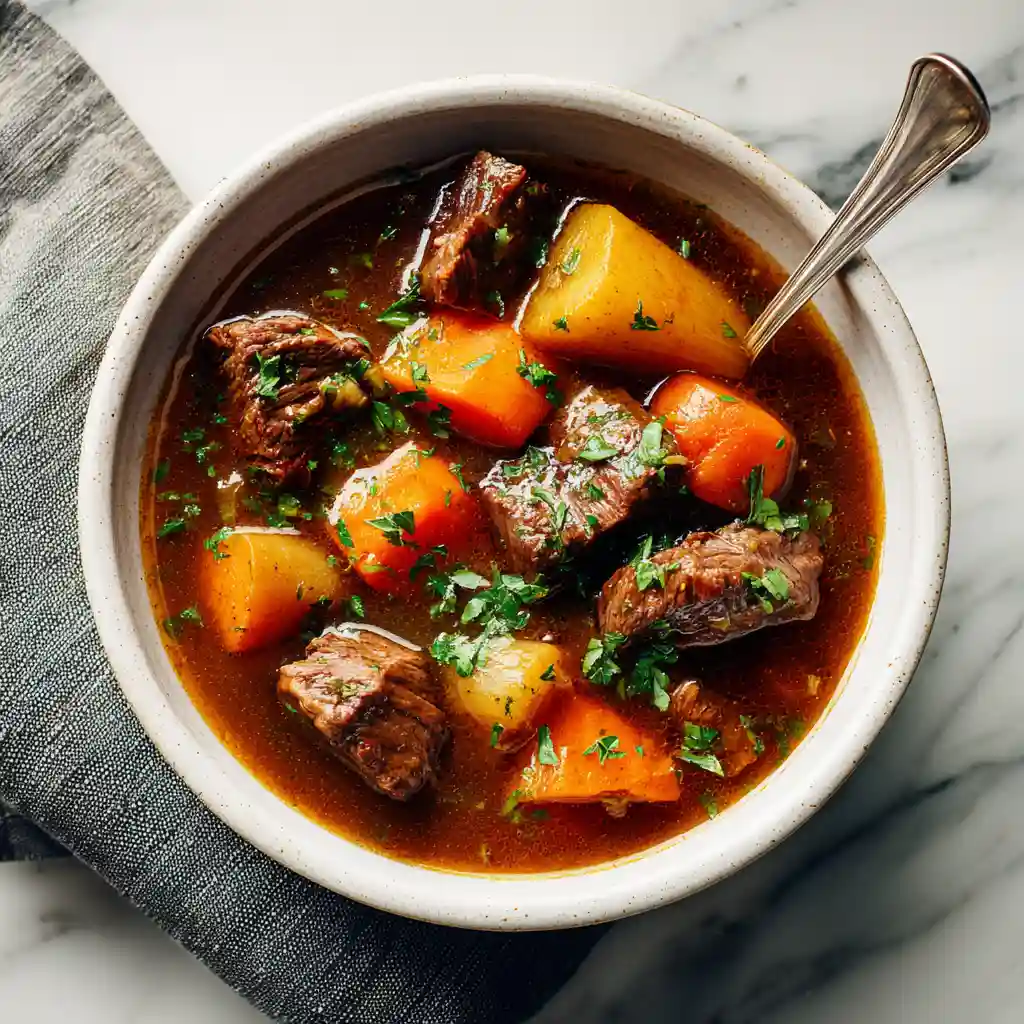
8. Slow Cooker Beef Stew
For when you need dinner to make itself.
What you need:
- 2 pounds beef chuck, cut into 2-inch cubes
- 3 cups beef bone broth
- 3 large carrots, chunked
- 2 large parsnips, chunked
- 2 cups rutabaga, cubed
- 1 large onion, diced
- 4 cloves garlic, minced
- 2 bay leaves
- 2 teaspoons dried thyme
- 1 teaspoon dried rosemary
- 2 tablespoons coconut aminos
- Sea salt
- Fresh parsley
How to make it:
- Salt the beef generously.
- Throw everything in the slow cooker.
- Low for 8 hours or high for 4-5 hours.
- Remove bay leaves. Adjust salt.
- Top with parsley.
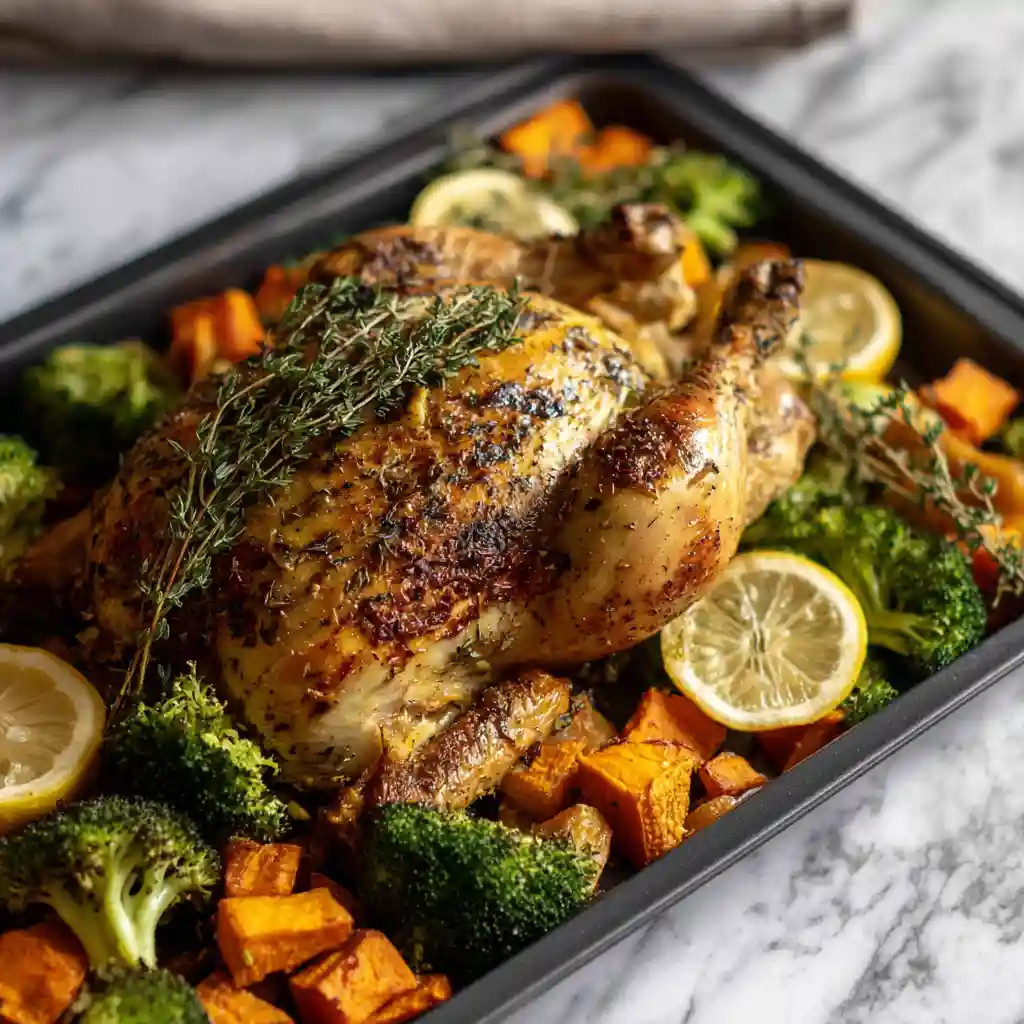
9. Lemon Herb Roasted Chicken
This is the dinner that made my kids stop complaining about AIP.
What you need:
- 1 whole chicken (4-5 pounds)
- 3 large sweet potatoes, cubed
- 1 head of broccoli, florets
- 1 lemon, sliced
- 1 lemon, juiced
- 4 cloves garlic, smashed
- 3 tablespoons olive oil (divided)
- 2 tablespoons fresh rosemary, chopped
- 2 tablespoons fresh thyme
- Sea salt (be generous)
How to make it:
- Heat oven to 425°F.
- Pat chicken dry. Season inside and out with salt.
- Stuff cavity with lemon slices and garlic.
- Rub chicken with 1 tablespoon oil, then coat with herbs.
- Toss sweet potatoes with 1 tablespoon oil and salt. Spread in a roasting pan.
- Put chicken on top of potatoes. Roast for 20 minutes.
- Drop temp to 375°F. Continue roasting for 60-75 minutes.
- Add broccoli with remaining oil in the last 15 minutes.
- Let chicken rest 10 minutes before carving.
- Drizzle everything with fresh lemon juice.
Similar technique to our Forgotten Chicken but adapted for AIP.
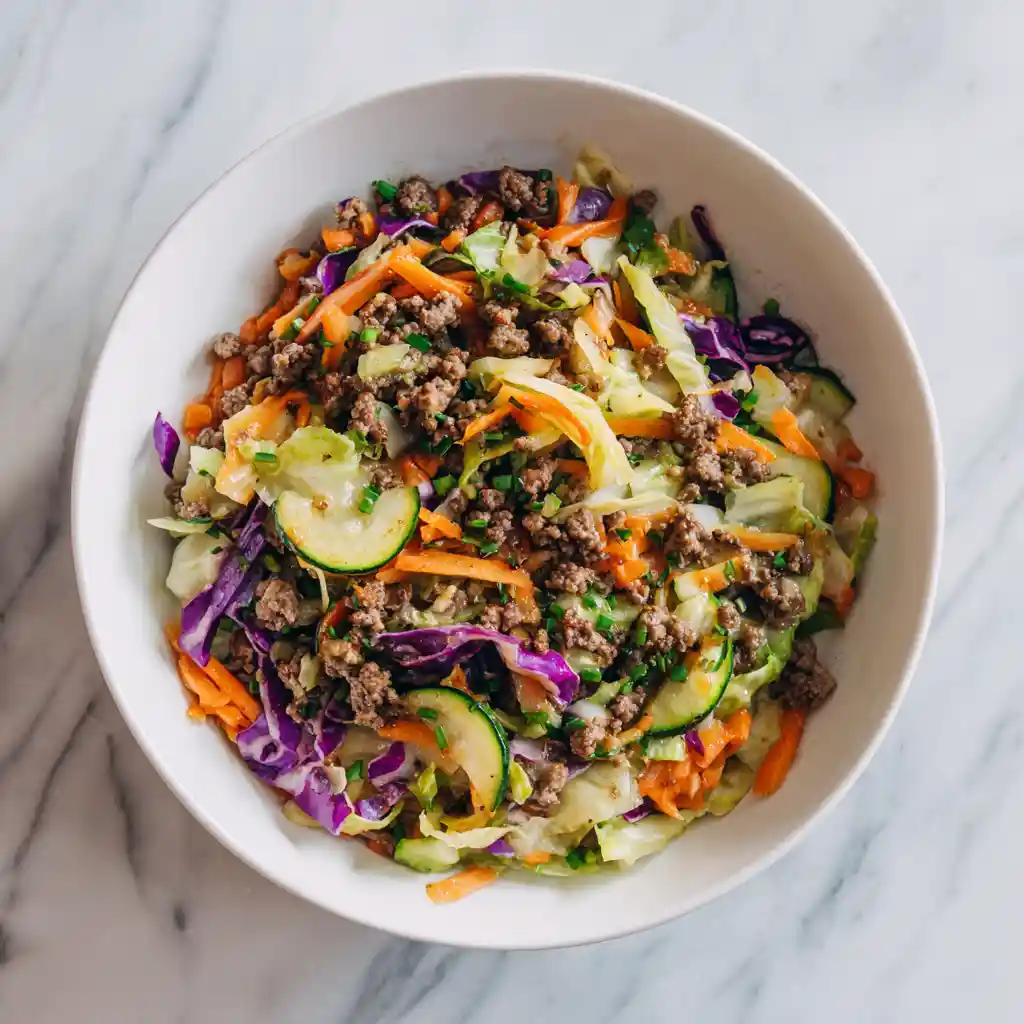
10. Ground Beef and Cabbage Skillets
Emergency dinner. 20 minutes. One pan.
What you need:
- 1.5 pounds ground beef
- 2 cups cabbage, shredded
- 1 cup carrots, shredded
- 1 cup zucchini, diced
- 1 medium onion, diced
- 3 cloves garlic, minced
- 2 tablespoons coconut aminos
- 1 tablespoon apple cider vinegar
- 1 teaspoon ground ginger
- 2 tablespoons coconut oil
- Sea salt
- Green onions
How to make it:
- Heat oil in your biggest skillet.
- Brown the beef. Break it up as it cooks.
- Add onion and garlic. Cook for 2 minutes.
- Add cabbage, carrots, and zucchini. Stir well.
- Add coconut aminos, vinegar, ginger, and salt.
- Cook 8-10 minutes until vegetables are tender-crisp.
- Top with sliced green onions.
Snacks and Sides
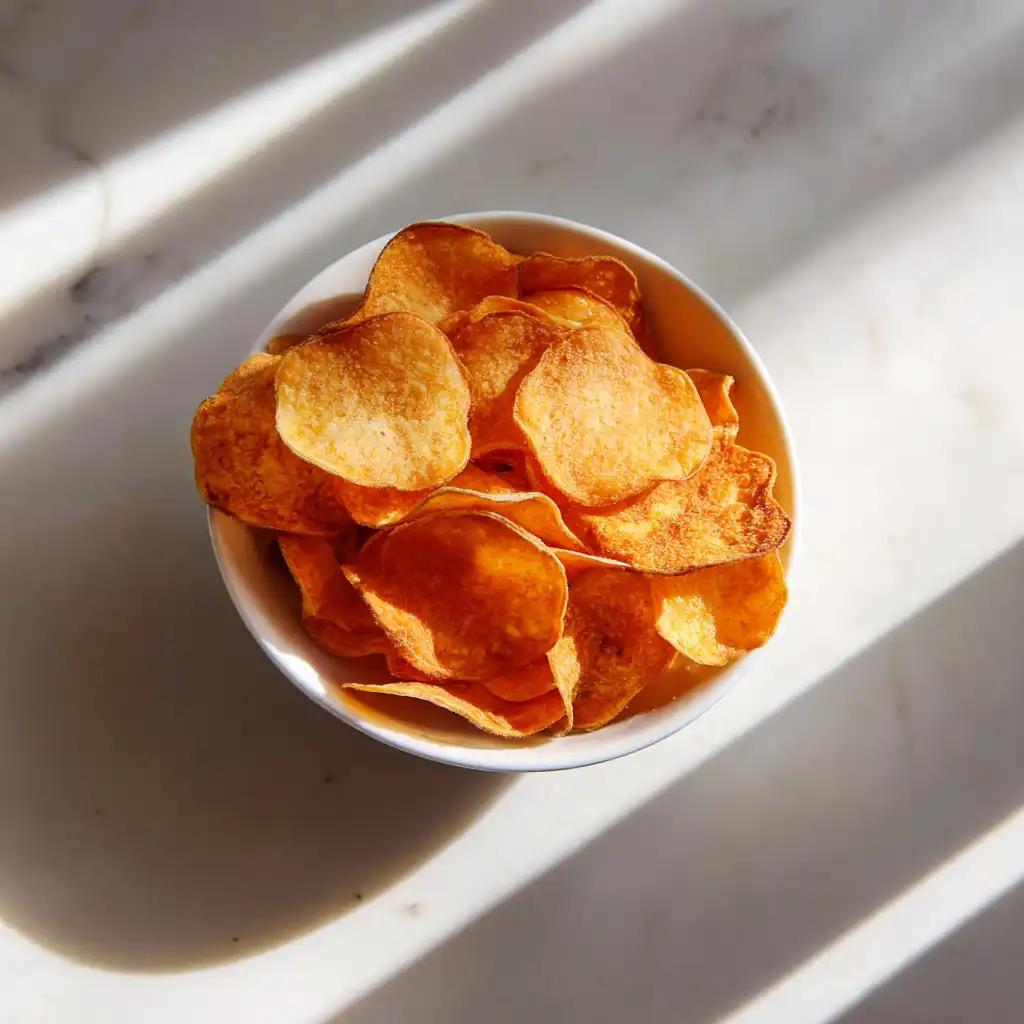
11. Crispy Sweet Potato Chips
For when you need a crunch.
What you need:
- 2 large sweet potatoes
- 2 tablespoons avocado oil
- 1 teaspoon sea salt
- Optional: garlic powder, dried rosemary
How to make it:
- Heat oven to 375°F. Line two baking sheets with parchment.
- Slice sweet potatoes thin. Like, really thin. Mandoline, if you have one.
- Toss with oil and seasonings.
- Arrange in a single layer. No overlapping or they won’t crisp.
- Bake 15 minutes. Flip. Bake another 10-15 minutes.
- Let cool completely on the sheet. They’ll get crispier.
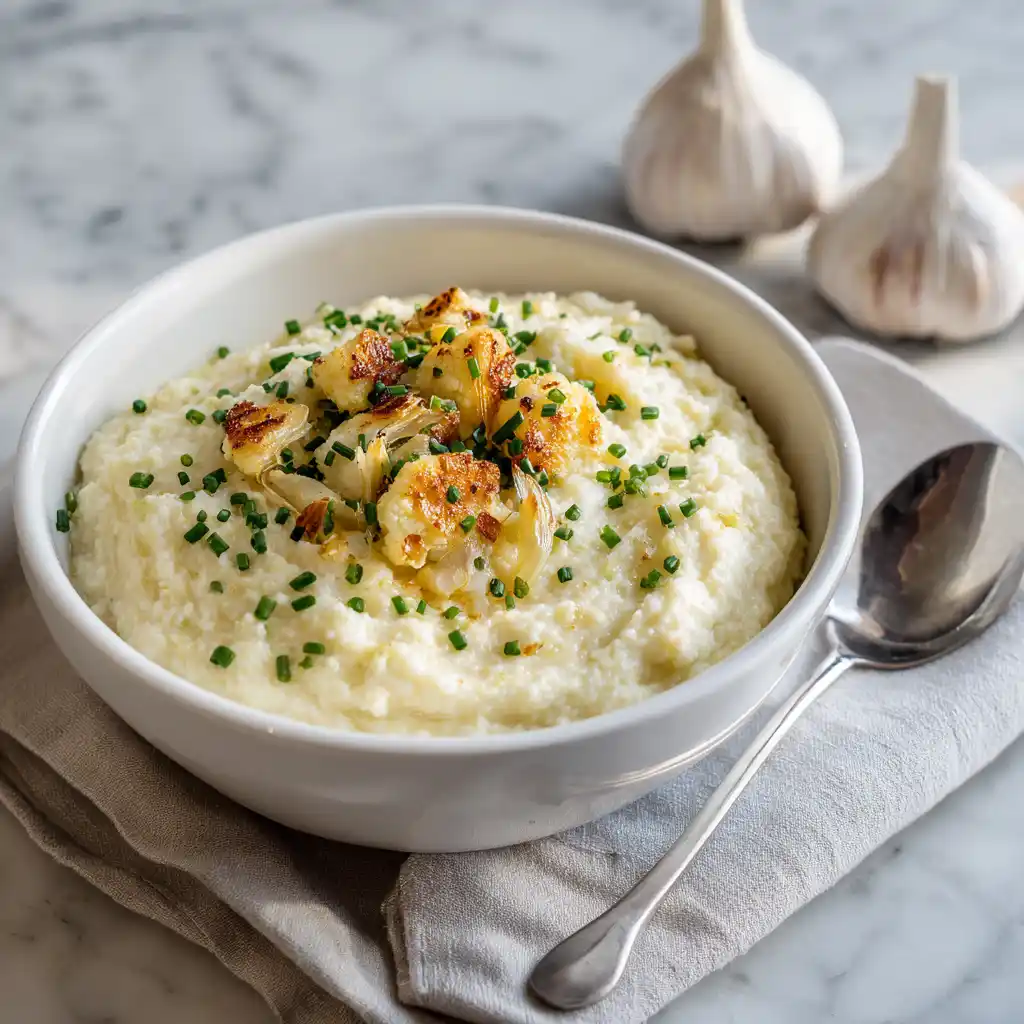
12. Roasted Garlic Cauliflower Mash
Better than mashed potatoes. Fight me.
What you need:
- 1 large head of cauliflower, florets
- 1 whole head of garlic
- 3 tablespoons olive oil (divided)
- 1/4 cup coconut milk
- 2 tablespoons fresh chives
- Sea salt
How to make it:
- Heat oven to 400°F.
- Cut the top off the garlic head. Drizzle with 1 tablespoon oil. Wrap in foil. Roast for 30 minutes.
- Steam cauliflower until super tender. About 15 minutes.
- Squeeze roasted garlic out of skins.
- Throw hot cauliflower, roasted garlic, remaining oil, coconut milk, and salt in a food processor.
- Process until completely smooth.
- Top with chives.
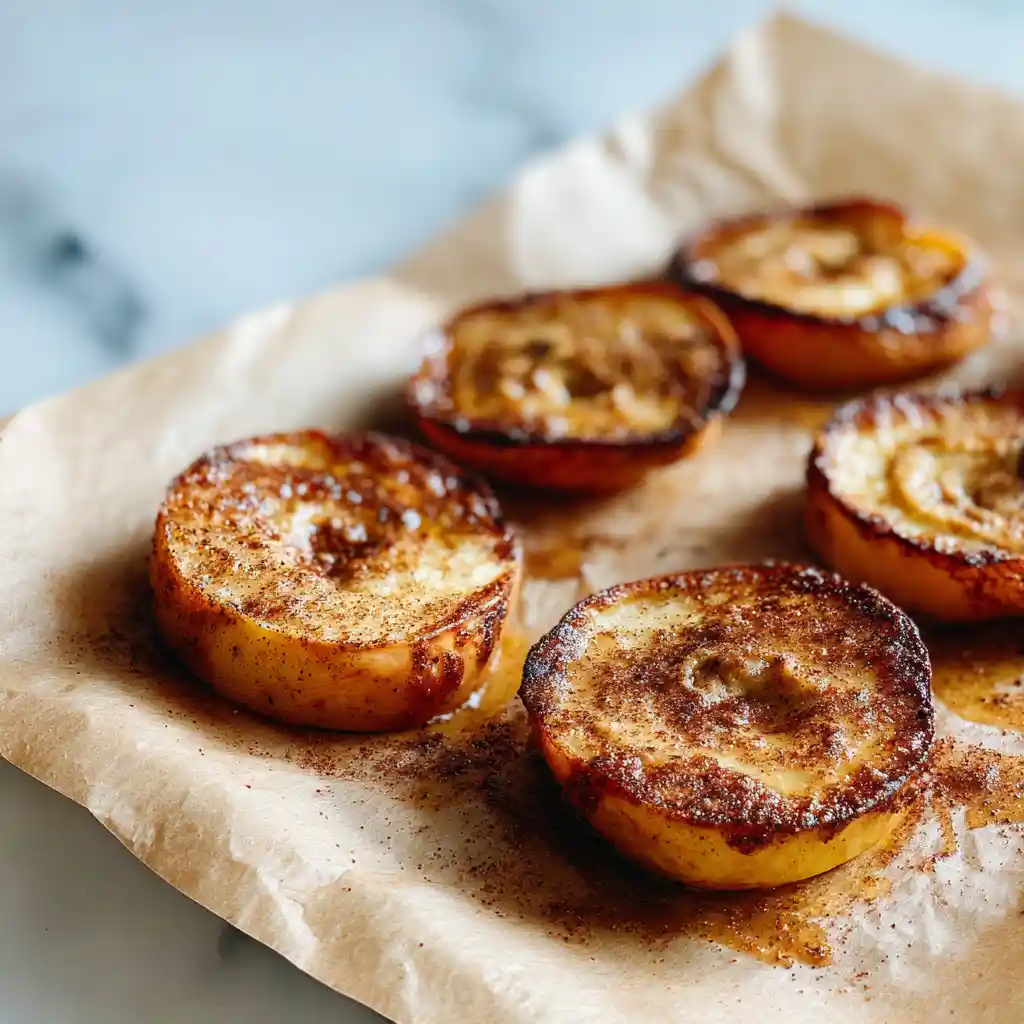
13. Baked Apple Rounds
Not cookies. But sweet enough to scratch that itch.
What you need:
- 2 large apples, cored and sliced into 1/4-inch rounds
- 2 tablespoons coconut butter, melted
- 2 teaspoons cinnamon
- Pinch sea salt
- Optional: 1 teaspoon maple syrup
How to make it:
- Heat oven to 350°F. Line baking sheet with parchment.
- Arrange apple slices on sheet.
- Mix coconut butter, cinnamon, salt (and maple syrup if using).
- Brush or drizzle over apples.
- Bake 20-25 minutes, flipping halfway.
- Cool slightly before eating.
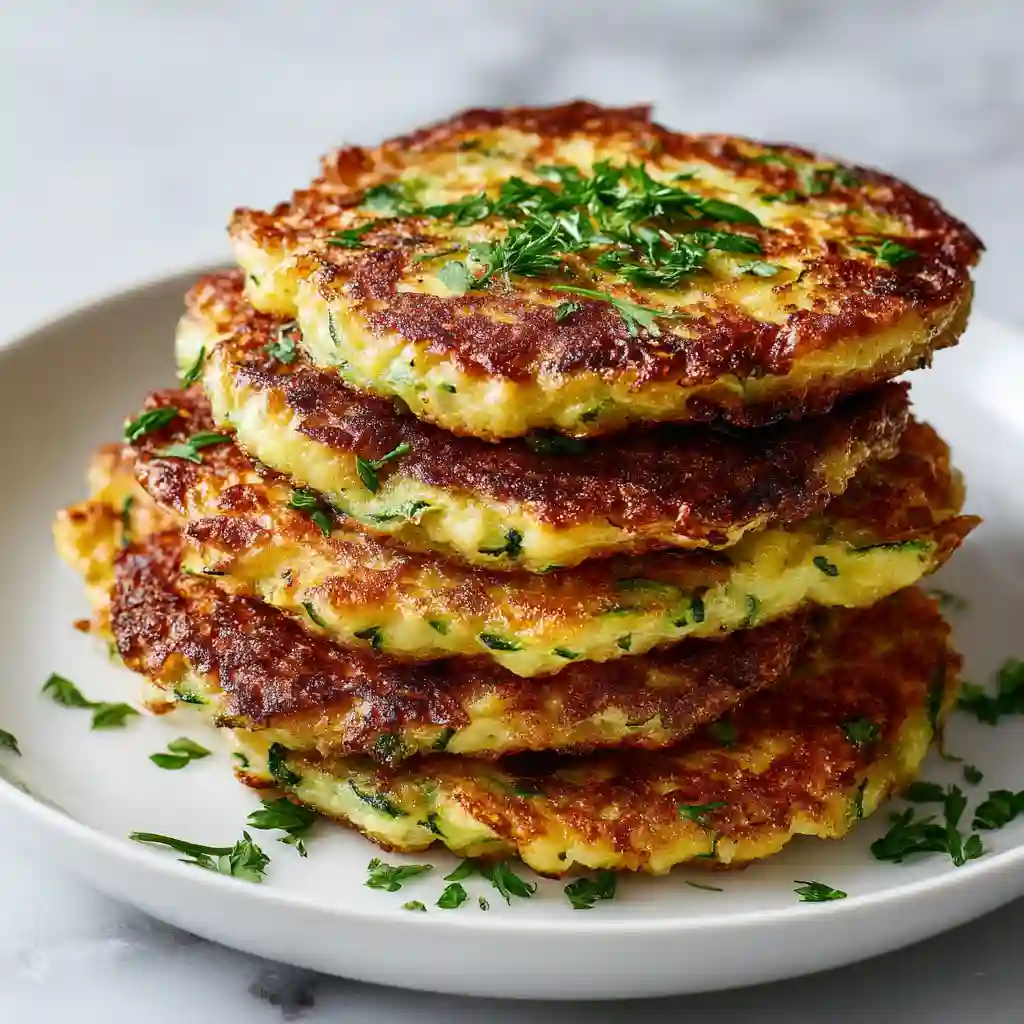
14. Zucchini Fritters
These disappear fast.
What you need:
- 3 medium zucchini, grated
- 1/4 cup coconut flour
- 2 tablespoons fresh parsley, chopped
- 2 tablespoons fresh dill, chopped
- 2 cloves garlic, minced
- 1/2 teaspoon sea salt
- 3 tablespoons avocado oil
How to make it:
- Squeeze the hell out of that grated zucchini. Use a clean kitchen towel. Get as much water out as possible.
- Mix zucchini with everything except the oil.
- Heat oil in skillet over medium heat.
- Form small patties. Fry 3-4 minutes per side until golden.
- Drain on paper towels.
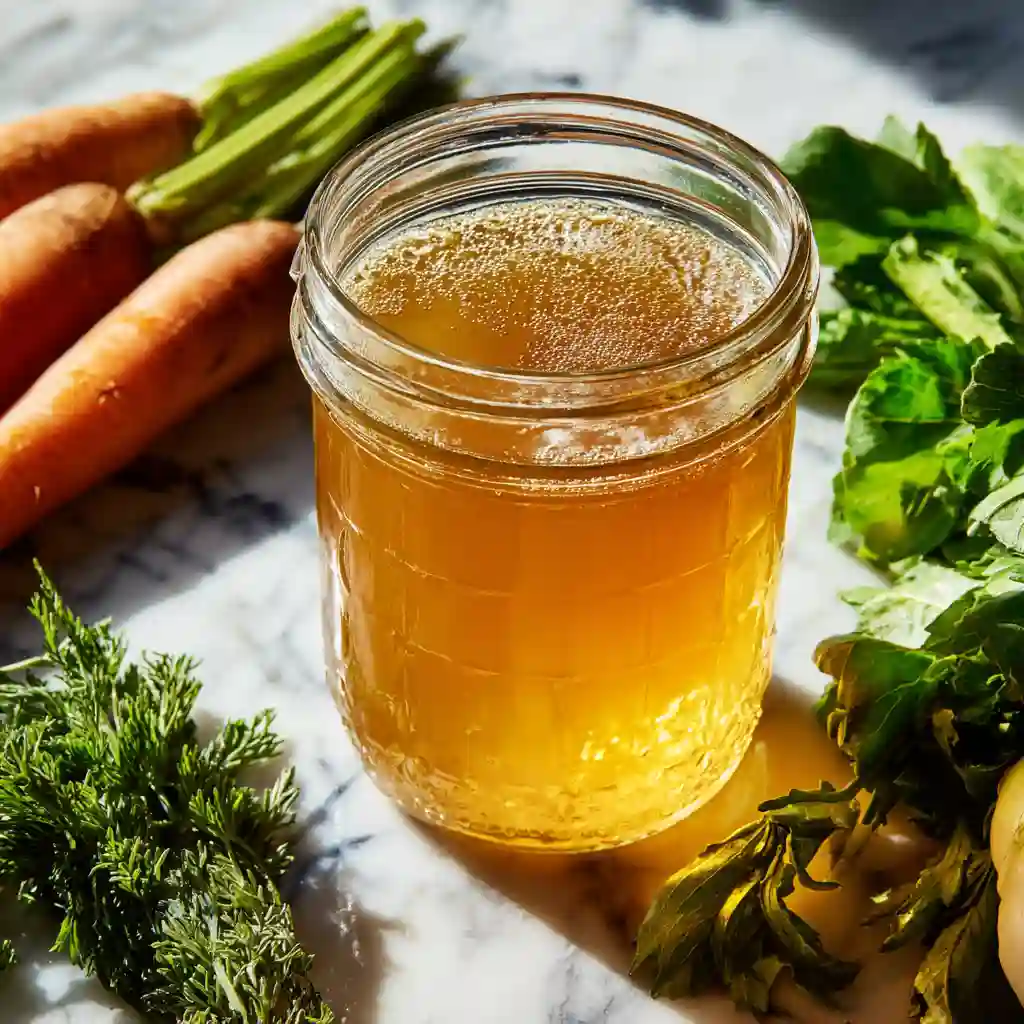
15. Bone Broth (Your Secret Weapon)
This isn’t just a recipe. It’s medicine.
What you need:
- 3-4 pounds beef bones (marrow bones, knuckles, or mixed)
- 2 tablespoons apple cider vinegar
- 1 large onion, quartered
- 3 carrots, roughly chopped
- 3 celery stalks, roughly chopped
- 4 cloves garlic, smashed
- 2 bay leaves
- Fresh parsley
- Water to cover
How to make it:
- Roast bones at 400°F for 30 minutes. Not required but makes it taste better.
- Put bones in slow cooker with vinegar. Let it sit for 30 minutes. This helps extract minerals.
- Add vegetables, herbs, and enough water to cover by 2 inches.
- Cook on low for 24-48 hours. Longer = more nutrients.
- Strain through a fine mesh strainer.
- Store in jars. Fridge for 5 days, freezer for 6 months.
You’ll know it’s good when it gels in the fridge. That’s the collagen.
The Hard Parts (And How to Handle Them)
Let’s talk about what nobody wants to admit.
AIP sucks sometimes. Especially in the beginning.
Social Situations Are Awkward
Birthday parties. Work lunches. Holiday dinners. They all become complicated.
Here’s what actually works:
At restaurants: Call ahead. Most places will grill plain chicken or fish with steamed vegetables if you ask nicely. Bring your own salad dressing in a small container. Nobody cares. They’re busy eating.
At parties: Eat before you go. Focus on people, not food. Or better – offer to bring a dish. Make something so good everyone wants the recipe. Now you have something to eat without drawing attention.
With family: Have the conversation early. Explain that this is medical, not optional. Most people will support you once they understand. The ones who don’t? That’s their problem, not yours.
It’s Expensive (Not Gonna Lie)
Quality meat costs more. Organic produce adds up. But there are ways to manage it:
- Buy whole chickens – Roast one, use bones for broth. Three meals from one purchase.
- Shop seasonally – Farmers markets at the end of the day often have deals.
- Get a freezer – Buy meat in bulk when it’s on sale.
- Skip specialty flours – You don’t need cassava flour to do AIP. Focus on whole foods.
- Grow herbs – Windowsill garden. Herbs are expensive but easy to grow.
The Cravings Are Real
The first two weeks are brutal. Your body’s detoxing from inflammatory foods.
When cravings hit hard:
- Drink bone broth – Sounds weird but it works. The minerals satisfy something.
- Eat fat – Spoonful of coconut butter or half an avocado. Kills cravings fast.
- Move your body – Walk around the block. Change your scenery.
- Read your symptom journal – Remember why you started. When you’re tempted to cheat, reading about your pre-AIP symptoms helps.
Meal Planning Feels Overwhelming
Staring at a blank meal plan is paralyzing.
Here’s my system:
- Pick 3-4 proteins for the week (ground beef, chicken thighs, salmon).
- Choose 5-6 vegetables you actually like (sweet potatoes, broccoli, carrots, Brussels sprouts, zucchini, spinach).
- Rotate cooking methods (roasted, slow cooker, skillet, soup).
- Make extra – Always cook enough for leftovers.
Example week:
- Monday: Slow cooker beef stew (make double).
- Tuesday: Leftover stew.
- Wednesday: Pan-seared salmon with roasted vegetables.
- Thursday: Ground beef skillet.
- Friday: Roasted chicken with sweet potatoes (make double).
- Saturday: Leftover chicken over salad.
- Sunday: Meal prep day.
Check our soup collection for more ideas you can adapt to AIP.
Reintroduction: Finding What Works for YOUR Body
This is where AIP gets personal.
After 30-90 days of strict elimination (depending on your symptoms), you start testing foods one at a time.
How to Reintroduce Without Screwing It Up
According to guidelines from U.S. News health experts, this needs to be systematic.
The process:
- Pick one food from the reintroduction list below.
- Eat a small amount. Wait 15 minutes. Any immediate reactions?
- If you’re fine, eat a larger portion. Wait 2-3 hours.
- Still good? Eat a normal serving. Then wait 5-7 days before testing another food.
- Track everything – Digestion, energy, sleep, skin, mood, and any autoimmune symptoms.
What Order to Reintroduce
Start with the least likely to cause problems. Work up to the big triggers.
Stage 1 (Try these first):
- Egg yolks only (not whites)
- Seed-based spices (cumin, coriander)
- Grass-fed butter or ghee
Stage 2:
- Tree nuts (not peanuts)
- Seeds (pumpkin, sunflower)
- Nightshade fruits (goji berries)
Stage 3:
- Egg whites
- Nightshade vegetables (start with peeled potatoes)
- Grass-fed dairy (start with fermented, like yogurt)
Stage 4 (Save for last):
- Legumes
- Gluten-free grains
- Regular dairy
What to Watch For
Reactions aren’t always immediate. Sometimes they take days to show up.
Track these:
- Digestive stuff (bloating, gas, bathroom changes)
- Energy levels and sleep quality
- Skin (breakouts, rashes, itching)
- Joint pain or stiffness
- Mood (anxiety, depression, irritability, brain fog)
- Your specific autoimmune symptoms
If you react, remove the food and wait until symptoms completely clear before testing another one.
Long-Term AIP Diet Success and Meal Planning
Most people don’t stay on strict elimination forever. That’s not the goal.
The goal is figuring out YOUR triggers and building a sustainable way of eating.
Sarah’s Personal AIP After Reintroduction
Remember Sarah from the beginning? After her reintroduction phase, here’s where she landed:
She can tolerate:
- Egg yolks (but whites still cause problems)
- Most nuts and seeds
- Ghee and grass-fed butter
- White potatoes (but not tomatoes or peppers)
- Black pepper (but not other seed spices)
She permanently avoids:
- All grains (even gluten-free ones trigger her)
- Egg whites
- Legumes
- Tomatoes and peppers
- Dairy except ghee
Your results will be different. That’s literally the entire point.
Kitchen Essentials That Make This Easier
Equipment worth having:
- Slow cooker or Instant Pot – For making bone broth and hands-off cooking
- Good blender – Smoothies, sauces, pureed soups
- Spiralizer – Vegetable noodles save the day
- Cast iron skillet – One-pan meals are your friend
- Food processor – Cauliflower rice in seconds
- Sharp knife – You’ll be chopping a lot
Pantry staples to stock:
- Coconut oil, avocado oil, olive oil
- Canned full-fat coconut milk
- Coconut aminos
- Apple cider vinegar
- Sea salt (get the good stuff)
- Dried herbs (thyme, rosemary, oregano, basil)
- Turmeric and ginger powder
- Coconut flour (for occasional use)
- Bone broth
Real People, Real Results
These are actual messages I’ve gotten from readers who tried AIP.
Jennifer’s Thyroid Story
“Started AIP three months ago. My thyroid antibodies were over 1000. The doctor said medication was my only option. I decided to try AIP first. Eight weeks in, my antibodies dropped to 400. My doctor literally said, ‘I don’t know what you’re doing, but keep doing it.’ My energy is back. The weight I couldn’t lose for years came off. Brain fog is gone. I’m still on AIP and honestly don’t miss the foods I gave up.”
Michael’s Arthritis Relief
“I’m 52. RA diagnosis two years ago. Joint pain was killing me. Couldn’t grip my tools anymore, which for a contractor is pretty much game over. The rheumatologist suggested AIP with my meds. Thought it was BS. But after six weeks, my morning stiffness decreased significantly. After three months, we reduced my medication dose (with doctor approval). I’ve reintroduced some foods, but grains and nightshades are out permanently. The difference is massive.”
Lisa’s Crohn’s Transformation
“Living with Crohn’s meant I was afraid to eat. Every meal could trigger a flare. AIP changed my life. It took a full 12 weeks before I saw major improvements, but when they came, they were significant. I went from multiple flares monthly to maybe one every few months. My gastroenterologist is thrilled. I’ve maintained remission for over a year. Still strict with my diet but, it’s worth it.”
Final Thoughts from Someone Who’s Been There
Look, I’m not gonna to tell you AIP is easy.
It’s not.
The first month kind of sucks. You’ll be tired of explaining your diet to people. You’ll miss certain foods. There will be moments you want to give up.
But if you’re dealing with autoimmune disease and conventional medicine isn’t giving you the answers you need, AIP might be worth that temporary discomfort.
Sarah went from barely functional to managing her Hashimoto’s better than anyone expected. She still has flare days occasionally. But they’re rare now instead of constant.
My advice? Don’t aim for perfection. Give yourself an honest 30 days on strict elimination. Meal prep on weekends. Keep AIP-friendly snacks everywhere. Join online support groups. And remember this is temporary – you’re gathering data, not sentencing yourself to life without food variety.
After reintroduction, you’ll know exactly what foods work for your body and what foods don’t. That knowledge is incredibly powerful.
Want to dive deeper? Check out our guide on reversing autoimmune disease through diet. And if you’re wondering about specific food choices, our article on what you can eat on AIP breaks it down simply.
For more protein-packed meals that fit AIP principles, try our High-Protein Chicken and Spinach Salad.
You’ve got this. Every meal is a chance to support your healing.
With real encouragement,
Nora
Common Questions About AIP
Are bananas OK on the AIP?
Yes, bananas are totally fine on AIP. They’re actually great for you – good source of resistant starch (especially the slightly green ones), potassium, and natural sweetness when you’re missing desserts. A lot of people blend frozen banana with coconut milk to make a pretty convincing ice cream substitute. Just watch portions if you’re dealing with blood sugar issues.
Can I drink coffee on AIP diet?
No, coffee’s out during elimination. I know. It sucks. But coffee contains compounds that irritate the gut lining and stimulate the immune system – exactly what you’re trying to calm down. The caffeine also stresses your adrenal glands, which many autoimmune patients already struggle with. Try dandelion root tea if you miss the bitter taste, or chicory root for something similar. After reintroduction, some people find they can tolerate coffee again. Others can’t. You won’t know until you test it.
What is the best diet for AIP?
The Autoimmune Protocol IS the diet. It’s specifically designed for managing autoimmune conditions through food. Focus on grass-fed meats, wild fish, organ meats, tons of vegetables (except nightshades), quality fats like avocado and olive oil, and moderate fruit. The elimination phase removes inflammatory triggers. The reintroduction phase helps you identify personal sensitivities. Combine it with stress management, good sleep, and appropriate movement for best results.
Are carrots OK on AIP?
Yes, carrots are encouraged. They’re loaded with beta-carotene (which converts to vitamin A), fiber, and natural sweetness. They’re anti-inflammatory and support gut health. Eat them raw as snacks, roasted for maximum flavor, blended into soups, or spiralized into noodles. They’re a staple in most AIP kitchens.
How long should I stay on elimination?
Minimum 30 days. Most people need 60-90 days for significant symptom improvement. The key is staying on strict elimination until you see real changes. If nothing’s improving after 30 days, continue another 30. Some people need longer. Listen to your body and work with a healthcare provider who understands AIP.
Can I eat out at restaurants on AIP?
It’s challenging but doable. Steakhouses work well – order plain grilled steak with steamed vegetables. Seafood restaurants can grill fish with simple sides. Call ahead. Explain your needs clearly. Ask about cooking oils and seasonings. Bring your own salad dressing. Many people find it easier to eat beforehand and just order something simple when dining out.
What can I eat for breakfast on AIP?
Forget traditional breakfast foods. Think “dinner for breakfast.” Leftover proteins with roasted vegetables work great. Ground turkey hash with sweet potatoes. Bone broth with shredded chicken and greens. Banana coconut porridge. Smoothies made with coconut milk and fruit. Batch cooking breakfast options on weekends makes weekday mornings manageable.
Is AIP expensive?
It can be, mainly because of quality meats and organic produce. But you can manage costs by buying whole chickens, purchasing meat in bulk when on sale, shopping seasonal produce at farmers markets, making your own bone broth, and focusing on whole foods instead of packaged AIP products. Remember that improving health now may save medical costs later.
Will I lose weight on AIP?
Many people do because you’re eliminating processed foods and inflammatory triggers while eating nutrient-dense whole foods that regulate appetite and blood sugar. But weight loss isn’t the primary goal – healing your gut and reducing inflammation is. Some people actually gain healthy weight if they were underweight from malabsorption. Focus on how you feel, not the scale.
What if I accidentally eat something not AIP-compliant?
Don’t panic. One mistake won’t completely derail your progress, though you might experience temporary symptoms. Drink lots of water, return to strict compliance immediately, and pay attention to any reactions. Use it as a learning experience about how that food affects you. Some people extend their elimination phase a few days after accidental exposure, but it’s not always necessary unless symptoms return.
Can children follow AIP?
Children with autoimmune conditions can benefit, but it must be done under supervision from a pediatrician and ideally a registered dietitian familiar with AIP. Kids have different nutritional needs for growth. Modified AIP approaches may be more appropriate. Focus on adding nutrient-dense foods rather than just removing foods. Make meals fun. Involve kids in age-appropriate food prep.
Do I need supplements on AIP?
While AIP is designed to be nutrient-complete through whole foods, some people benefit from targeted supplementation initially. Common ones include vitamin D (if deficient), omega-3 fish oil, L-glutamine for gut healing, and quality probiotics. Always check supplement ingredients carefully – many contain hidden non-AIP ingredients. Work with a functional medicine practitioner to determine what might benefit your specific situation.
Can I exercise on AIP?
Yes, but listen to your body. During early elimination, many people have lower energy as their body adapts. Focus on gentle movement like walking, yoga, or swimming initially. As symptoms improve and energy returns, gradually increase intensity. Overtraining can increase inflammation and stress your immune system, potentially interfering with healing. Quality sleep and stress management are just as important as exercise during this phase.