Low Sodium Recipes: Delicious Family Meals Your Heart Will Love
Low-sodium recipes cut salt without sacrificing flavor. High blood pressure, heart disease, and kidney problems all improve with less sodium. The average American consumes 3,400 mg daily. Recommended limit: 2,300 mg (ideal: 1,500 mg). These recipes keep you under target while tasting better than packaged foods.
Why Low Sodium Matters
Sodium regulates fluid balance, supports nerve function, and maintains muscle activity. The body needs small amounts. Modern diets exceed safe levels due to processed foods. Excess sodium causes water retention, elevated blood pressure, and cardiovascular strain.
High sodium intake risks: hypertension (high blood pressure), heart disease and stroke, kidney damage from overwork, and reduced calcium absorption affecting bones. One can of soup contains 800 mg of sodium—over half the daily limit. Frozen dinners pack 1,200 mg. Restaurant salads reach 1,800 mg.
Benefits of reducing sodium: better blood pressure control, improved heart health, enhanced kidney function, and reduced bloating and water retention. Blood pressure drops within weeks. Energy increases. Sleep improves. Taste buds adapt within 2–3 weeks.
Pantry Staples for Low-Sodium Recipes
Stock these items for quick low-sodium cooking. Fresh herbs: basil, oregano, thyme, rosemary, dill, parsley, cilantro, mint, and chives. Dried spices: paprika, turmeric, cumin, coriander, black pepper, chili powder, and garlic powder (not garlic salt). Make salt-free spice blends: Italian seasoning, taco seasoning, and curry powder.
Fresh produce is naturally low in sodium. Vegetables: leafy greens, bell peppers, carrots, zucchini, broccoli, cucumbers, mushrooms, and tomatoes. Fruits: apples, oranges, bananas, berries, melons, and citrus for acids. Aromatics: Garlic, onions, ginger, and shallots build the flavor base.
Proteins with minimal sodium. Fresh meats: chicken breast, turkey, lean beef, and pork. Seafood: fresh fish, shrimp, scallops (not breaded or processed). Plant proteins: tofu, tempeh, dried lentils, chickpeas, and black beans. Eggs, whole or whites. Avoid deli meats, bacon, sausage, and canned meats.
Whole grains and legumes provide fiber and nutrients. These include brown rice, quinoa, farro, bulgur, oats, barley, and whole wheat pasta. You can also include dried beans, lentils, and peas in your diet. If you are using canned beans, buy those that have no added salt. Plain rice and pasta contain virtually no sodium.
Breakfast Low Sodium Recipes
Start mornings right without sodium overload. Veggie scramble beats diner versions. Sauté mushrooms, spinach, and tomatoes in olive oil with garlic. Add whisked eggs with a splash of milk. Season with fresh herbs from the window garden and black pepper. Top with a measured amount of real cheese (yes, cheese is allowed in low-sodium recipes—just measure it). Add nutritional yeast for cheesy umami flavor with almost no sodium.
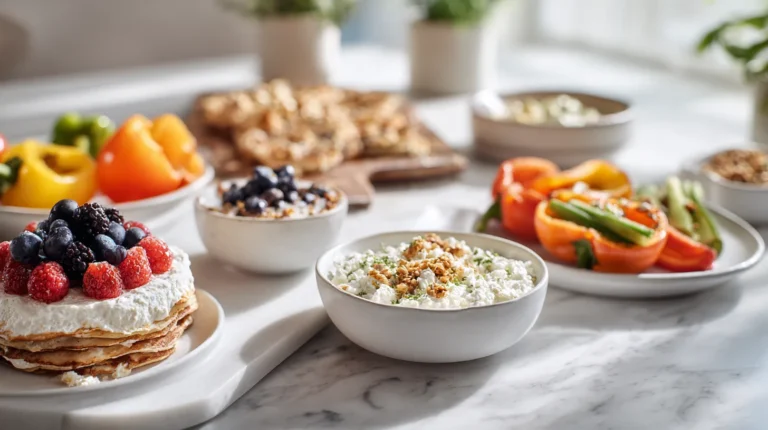
Overnight oats need no salt. Mix oats with unsweetened almond milk, mashed banana, cinnamon, and a drop of vanilla. In the morning, top the dish with fresh berries and drizzle honey over it. The flavor is reminiscent of dessert. Breakfast doesn’t need salt when natural ingredients shine.
French toast works sweet, not salty. Whisk eggs, milk, vanilla, and cinnamon. The egg mixture should not contain any salt. Use low-sodium bread (it exists and tastes great). Top with fresh fruit instead of syrup. Avocado toast: whole grain toast, mashed avocado, black pepper, and lemon zest. Smoothie bowl: blend bananas, berries, and unsweetened yogurt. Top with nuts and seeds.
Lunch Low Sodium Recipes
Lunch without sodium bombs. Soup made with homemade stock (easy to make). Save veggie scraps in a freezer bag—carrot tops, celery leaves, and onion ends. When full, simmer with water and herbs for 2 hours. Free flavorful stock with zero added sodium. White bean rosemary soup: homemade stock, fresh vegetables, and herbs. Build layers of flavor with onions, garlic, bay leaves, and fresh herbs. Real ingredients eliminate the need for salt.
Grilled chicken salad: mixed greens, grilled chicken, cucumbers, and vinaigrette made with olive oil and lemon juice. Vegetable soup: broth-based with carrots, celery, zucchini, and low-sodium beans. Turkey wrap: whole grain tortilla, turkey, lettuce, tomatoes, and hummus spread. More options for low-calorie lunch recipes for balanced meals.
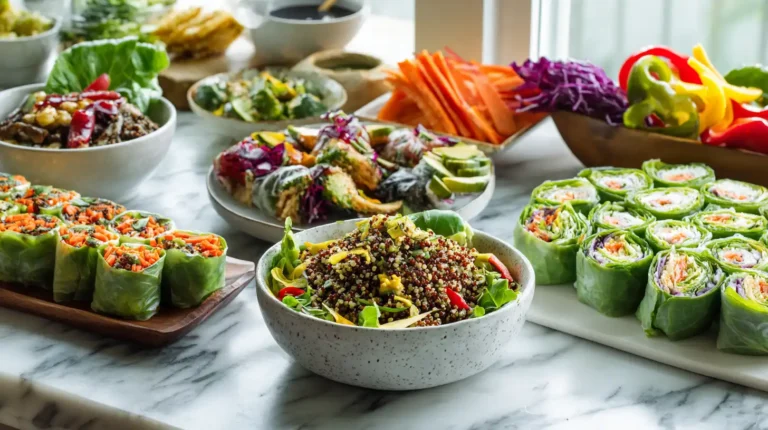
Loaded sweet potatoes work all week. Bake sweet potatoes Sunday. Monday: black beans and low-sodium salsa. Tuesday: leftover roasted chicken from chicken recipes and steamed broccoli. Wednesday: hummus and roasted red peppers. Fast, filling, and naturally low in sodium. Quinoa bowl: quinoa topped with roasted vegetables, chickpeas, and tahini dressing.
Mason jar salads stay fresh all week. Layer ingredients in jars—dressing on bottom (homemade with lemon, olive oil, and herbs), sturdy veggies next, and greens on top. Shake when ready to eat. Five jars Every Sunday ensures convenient lunches throughout the week.
Dinner Low Sodium Recipes
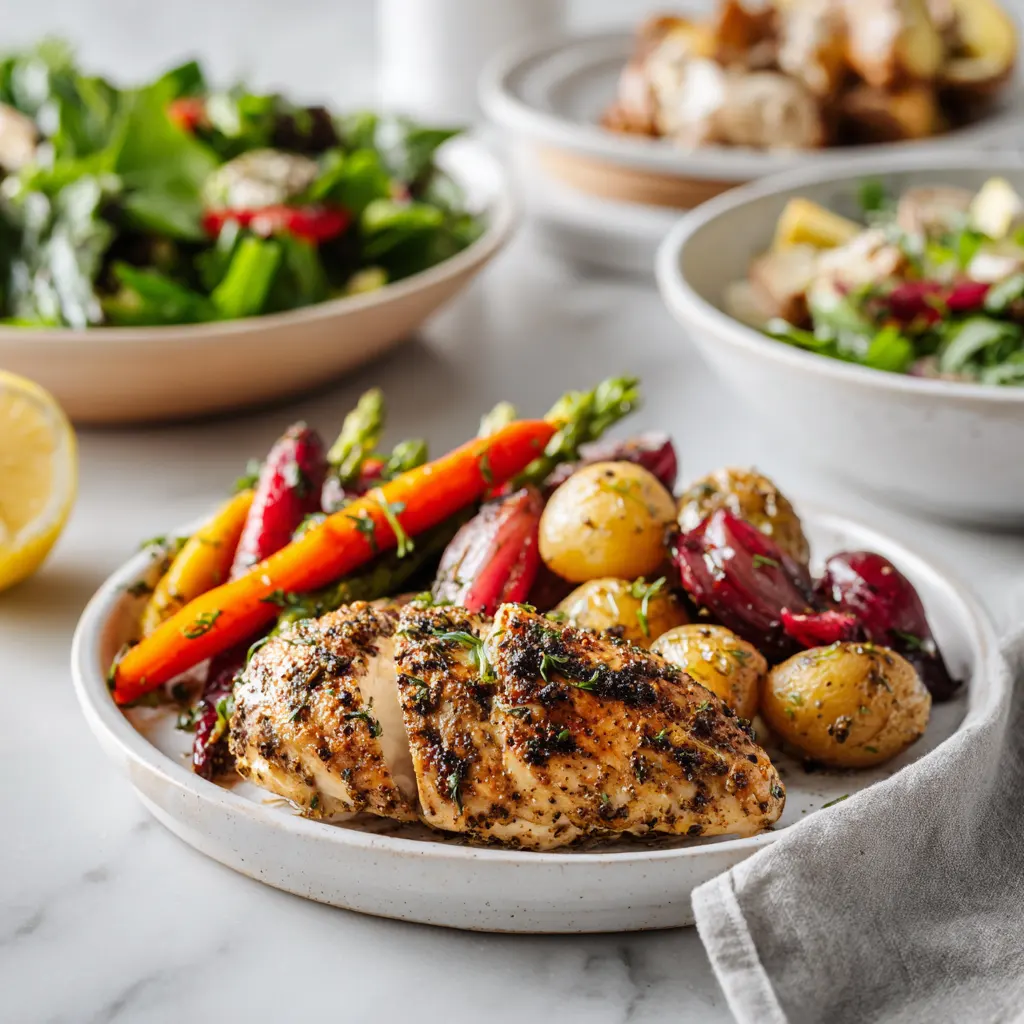
Dinner brings family to the table. Herb-crusted chicken changes minds about low-sodium recipes. Mix fresh parsley, basil, oregano, garlic, lemon zest, and a little olive oil. Coat chicken breasts and bake at 375°F for 25 minutes. Herbs create crust, lemon brightens everything, and garlic adds punch.
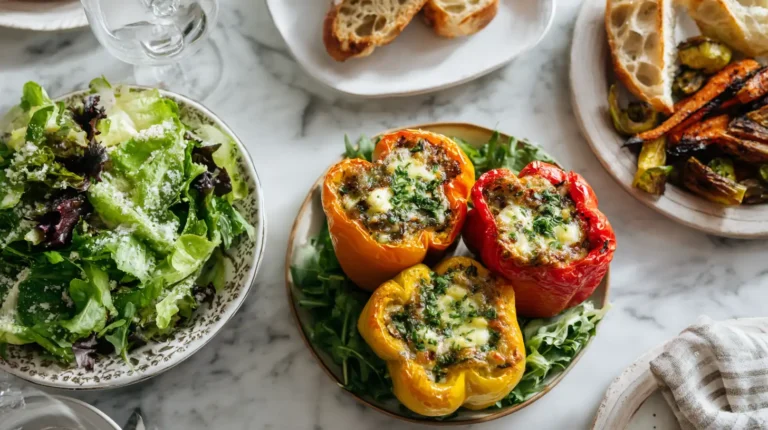
Baked salmon with vegetables: fresh salmon seasoned with garlic, paprika, and lemon. Serve with steamed broccoli and brown rice. Stuffed bell peppers: peppers filled with quinoa, black beans, tomatoes, and spices. Roasted chicken thighs: seasoned with rosemary, garlic, and olive oil. Pair with sweet potatoes and green beans.
Taco Tuesday without a sodium bomb. Taco seasoning packets contain 500-700 mg of sodium per serving. Make your own: cumin, chili powder, paprika, oregano, and garlic powder. Combine ground turkey or beef with fresh toppings and serve with soft corn tortillas. Stir-fried tofu and vegetables: tofu cubes sautéed with colorful vegetables and a low-sodium soy sauce alternative.
Pasta night still happens. Make your own sauce or buy no-salt-added. Use whole grain pasta and load up on vegetables. Marinara sauce with fresh basil and roasted garlic from Italian pasta recipes has flavor; nobody misses salt. Add sautéed mushrooms, zucchini, and bell peppers for a satisfying meal.
Snacks That Work
Snacking without sabotage. Chips, crackers, and pretzels are all sodium bombs. Consider incorporating nutritional yeast, garlic powder, and a small amount of olive oil into your air-popped popcorn. One cup has 2 mg sodium versus 200 mg in microwave popcorn. Raw vegetables paired with hummus or guacamole are also a healthy option. You can also opt for unsalted nuts or seeds. Slices of fresh fruit are also a healthy option.
Veggies taste like chips when prepared right. Kale chips: toss kale with olive oil and garlic powder, and bake until crispy. Zucchini chips and sweet potato chips made in the oven with a touch of olive oil and herbs. It is crunchy, satisfying, and contains almost no sodium. You can enjoy Greek yogurt paired with honey and berries. Baked apple with cinnamon. Unsalted dark chocolate squares are a wonderful option.
Shopping for Low-Sodium Recipes
Label decoding is critical. “Low Sodium” means 140 mg or less per serving. “Very Low Sodium” means 35 mg or less. “No Salt Added” means no salt added during processing. “Reduced Sodium” means 25% less than regular but can still be high. Read actual sodium numbers, not just claims.
Stock these naturally low-sodium superstars: fresh fruits (all of them), fresh vegetables (except celery and beets), dried beans and lentils (not canned), plain rice and pasta, fresh meats and fish (not processed), eggs, plain yogurt, unsalted nuts, olive oil and vinegars, fresh herbs, and dried spices (not blends).
Avoid sneaky sodium sources. Bread, even “healthy” kinds, contains 200 mg per slice. Breakfast cereals, even plain ones, have sodium. Cottage cheese packs 500 mg per half cup. Salad dressings, even “light” ones, are high. Tomato sauce, unless no-salt-added. Seasoning blends make your own instead.
Flavor Builders
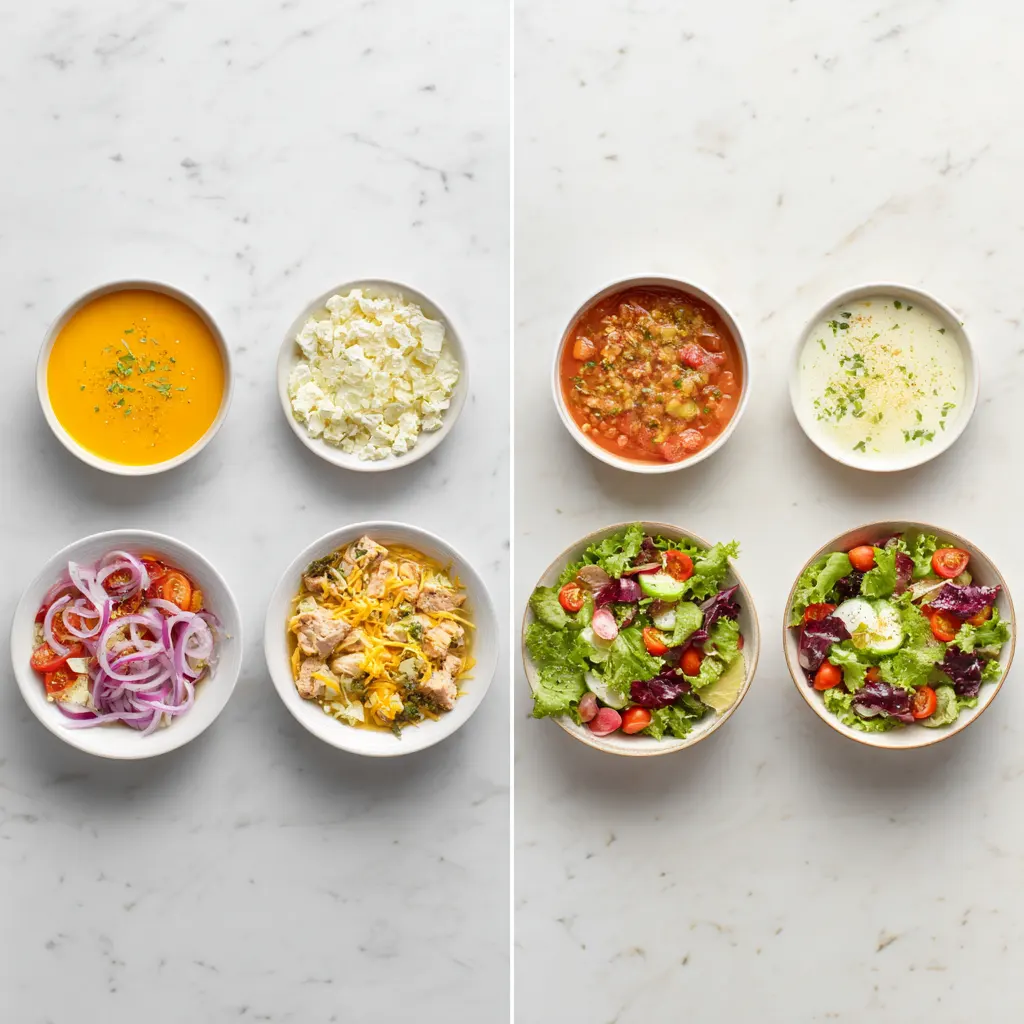
Low-sodium recipes succeed through what you add, not what you remove. Fresh herbs are game changers. Basil: sweet and peppery for Italian dishes. Cilantro: bright and citrusy for Mexican food. Rosemary: woodsy and strong for roasted meats. Thyme: subtle and earthy for soups. Use generously.
Acids provide brightness. Lemon juice is a top choice for most dishes. For Latin cuisine, lime juice is a popular choice. Vinegars: balsamic, apple cider, and rice. Fresh tomatoes contain natural acids. Add the seasoning at the end of cooking for maximum impact.
Aromatics build a foundation. Sautéing onions, garlic, ginger, and shallots first improves the taste of everything. No salt is required when building flavor from the bottom up. Add to hot oil, and cook until fragrant before adding other ingredients.
Meal Prep Strategies
Planning ensures success. Create a weekly meal plan with balance: proteins, vegetables, whole grains, and healthy fats. Plan variety by rotating different cuisines and ingredients. List ingredients, ensuring fresh, low-sodium options. You can find more preparation ideas in the roasted potatoes recipe for batch cooking.
Prep ingredients in advance. Wash, chop, and portion vegetables ahead. Batch cook grains, beans, and broths. Mix salt-free spice blends to keep on hand. Store in airtight containers labeled clearly.
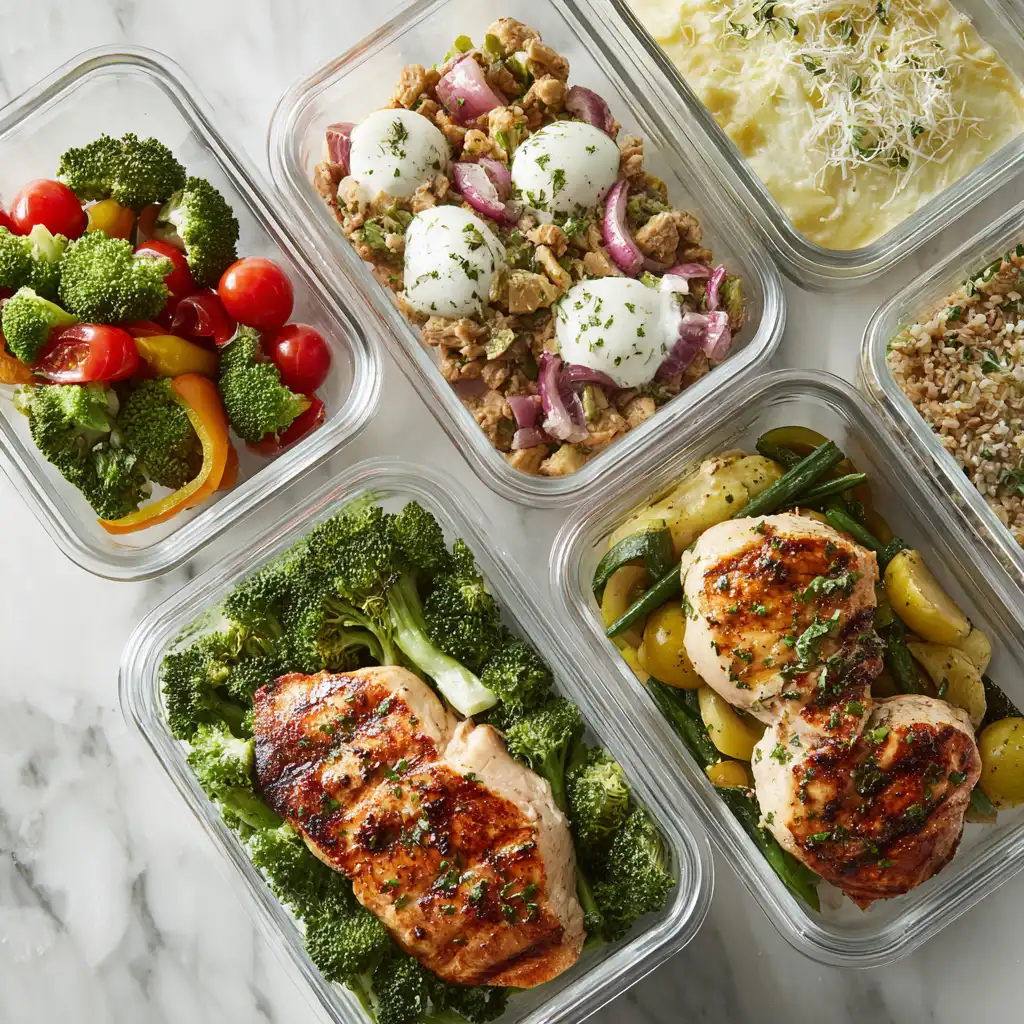
Store meals properly. Refrigerate or freeze pre-cooked meals in portioned containers. Label with date tracking freshness. Use glass or BPA-free plastic, preserving taste and quality. It keeps 3–4 days refrigerated and 2–3 months frozen.
Low-Sodium Recipes for Health Conditions
Heart health requires a low-sodium diet, reducing cardiovascular strain. Focus on whole foods: fresh vegetables, fruits, whole grains, lean proteins, and omega-3-rich fish (salmon, mackerel). Avoid processed packaged foods with hidden sodium. Limit saturated fats and added sugars. Season with garlic, rosemary, and thyme instead of salt. Example: grilled salmon with quinoa and steamed asparagus seasoned with lemon and dill.
Hypertension management needs less than 1,500 mg daily. Follow the DASH diet approach. Increase potassium-rich foods: bananas, spinach, and potatoes counteract sodium effects. Minimize high-sodium condiments, substituting low-sodium tamari or coconut aminos for soy sauce. Emphasize fiber with beans, lentils, and whole grains supporting heart and vascular health. Example: spinach and chickpea salad with olive oil, balsamic vinegar, and mustard vinaigrette.
Kidney-friendly options are essential for reducing kidney stress. Avoid phosphorus and potassium additives, choosing fresh over processed. Limit high-protein foods if necessary depending on the kidney disease stage. Use fresh or frozen vegetables without added sauces or seasonings. Fresh herbs enhance flavor: basil, oregano, and parsley. Example: herb-roasted chicken with mashed cauliflower and steamed green beans.
Diabetes benefits from low sodium supporting blood sugar and blood pressure control. Combine low sodium with low glycemic index foods: whole grains, non-starchy vegetables, and lean proteins. Limit processed carbohydrates, avoiding packaged bread, crackers, and cereals with added sodium and sugars. Watch hidden sodium in sauces and dressings using homemade versions. Prioritize healthy fats: avocado, nuts, seeds, and olive oil promote satiety and stable blood sugar. Example: grilled chicken with roasted Brussels sprouts and quinoa salad with olive oil lemon dressing.
Eating Out Strategies
Restaurants are still possible with smart choices. Ask the server questions. “Can you prepare these items without added salt?” “Is the chicken or fish marinated?” (Usually in salt). “Can I have oil and vinegar on the side?” “Are vegetables steamed fresh or frozen?” (Frozen often has salt). Don’t be shy about asking.
You can find safe options at most restaurants. Please request grilled fish or chicken without seasoning. The recipe also includes steamed vegetables that require no butter. Baked potato (control your toppings). Fresh fruit. Include a side salad with oil and vinegar. Avoid anything described as “smoked,” “cured,” “breaded,” “marinated,” or “seasoned”—likely sodium bombs. Be cautious with sauces, gravies, and anything labeled as “crispy”; they often contain added salt.
Common Questions About Low-Sodium Recipes
How Long Does It Take to Adjust to Low-Sodium Recipes?
Taste buds adapt within 2–3 weeks. The first week is the hardest, as everything tastes bland. Week two’s improvement is noticeable. In week three, food tastes normal, and salty foods taste too salty. Gradual reduction works better than eliminating all salt immediately.
How much sodium daily?
General recommendation: 2,300 mg daily maximum. Ideal for heart health: 1,500 mg daily. Hypertension or heart disease: 1,500 mg or less. The average American consumes 3,400 mg daily, mostly from processed foods, not salt shakers.
Can I use salt substitutes?
Salt substitutes contain potassium chloride instead of sodium chloride. Check with a doctor first, especially if you have kidney problems or take certain medications. Potassium can be dangerous in some conditions. Better approach: use herbs, spices, and acids for flavor.
Where is hidden sodium?
Primary sources: processed meats (bacon, deli meat, sausage), canned soups and vegetables, frozen dinners, bread and baked goods, cheese, condiments and sauces, and restaurant meals. Read all labels, checking actual sodium numbers, not just front package claims.
How do I make homemade stock?
Save vegetable scraps in a freezer bag: carrot tops, celery leaves, onion ends, and herb stems. When the bag is full, place scraps in a large pot with water. Add bay leaves, peppercorns, and fresh herbs. Simmer for 2 hours. Strain and cool. Freeze in portions. The stock should be flavorful and low in sodium. Try cabbage chicken soup or vegetarian soups with homemade stock.
Will kids eat low-sodium food?
Kids adapt faster than adults. Start gradually reducing sodium in family meals. Let kids help choose and prepare food, increasing acceptance. Make food fun with colors and shapes. Avoid saying “this is healthy”; just serve it normally. Most kids prefer less salty food once taste buds adjust.
Getting Started
Low-sodium recipes provide better health without sacrificing flavor. Start by replacing one packaged meal with a fresh one. Blood pressure improves within weeks. Energy increases. Taste buds adapt quickly. Grocery bills decrease when buying fresh instead of processed.
Week one: stop adding salt at the table. Week two: try low-sodium dinner recipes. Weekend: clean the pantry, read labels, and shop fresh. Week two: add low-sodium breakfasts and lunches. Weekend: meal prep for next week. Gradual changes stick better than dramatic overhauls.
Focus on what you add, not what you remove. Fresh herbs, citrus, garlic, and spices create flavor salt never could. Cooking becomes creative again, not restrictive. Your body thanks you with better numbers, more energy, and improved sleep. Food tastes better when you actually taste it— not just salt.