The Ultimate Dirty Rice Recipe: A Southern Classic You’ll Love
This Southern dirty rice recipe simmers long-grain rice with browned ground beef, chicken livers, the Cajun holy trinity of onion, celery, and bell pepper, plus garlic and Creole seasoning. Wondering what to plate with it? See what goes with dirty rice. The livers melt into the rice, giving it the dark color and deep, savory flavor that define a true Louisiana dirty rice. Ready in 45 minutes.
Hey sweetie! It’s Nora, and I need to tell you about the most embarrassing cooking moment I’ve had in years. So, we have these new neighbors from Louisiana—the Boudreaux family—and they invited us over for dinner about three months ago. When I asked what I could bring, Mrs. Boudreaux (she insists I call her Celine) said, “Oh honey, just bring some dirty rice!”
I smiled and nodded like I totally knew what that was. Dirty rice. Sure. No problem. I hung up the phone and immediately panicked. What in the world is dirty rice?! Is it actually dirty? Did something fall on the floor? Is this a Louisiana thing I should know about? Nicolas walked by during my mild crisis and asked what was wrong. When I told him, he just laughed and said, “Google it, Nora.”
Well, I Googled it, found a recipe, made what I thought was dirty rice, and showed up to dinner feeling pretty confident. Celine took one look at my dish, smiled that sweet Southern smile, and said, “Bless your heart, that’s… interesting.” In the South, “bless your heart” is not a compliment, y’all. My “dirty rice” was basically plain rice with some ground beef mixed in. No seasoning. No vegetables. The rice was simply bland and colorless.
Here’s what you’ll learn about dirty rice:
• My spectacular first failure (it was bad)
• What Celine taught me about real Louisiana cooking
• The “Holy Trinity” that changed everything
• Why this became our Friday night favorite
• Simple techniques that make all the difference
• Variations our family actually eats
Love Southern comfort food? Check out our Southern soup collection for more family favorites.
Chicken livers are nutritionally dense: a 100-gram cooked portion provides roughly 11 mg of iron and 6,500 mcg of vitamin A per USDA FoodData Central.
The NIH Office of Dietary Supplements notes that heme iron from animal foods like liver is absorbed more efficiently than non-heme iron from plant sources.
How I Learned the Real Dirty Rice Recipe from a Louisiana Neighbor
The Monday after that dinner disaster, Celine showed up at my door with a bag of groceries. “Come on, cher,” she said (I learned that ‘cher’ is like ‘honey’ in Cajun French). “I’m going to teach you how to make really dirty rice. Your family deserves better than what you brought to my house.”
I was mortified but also grateful. She set up in my kitchen like she owned the place, pulling out onions, bell peppers, celery, and this little packet of Cajun seasoning. “First lesson,” she said, “dirty rice isn’t dirty because it’s messy. It’s called dirty because the meat and seasonings make the rice look… well, dirty. Speckled. Brown. Not pristine white like what you brought me.”
Fair point, Celine. Fair point.
The Holy Trinity Behind a Real Dirty Rice Recipe
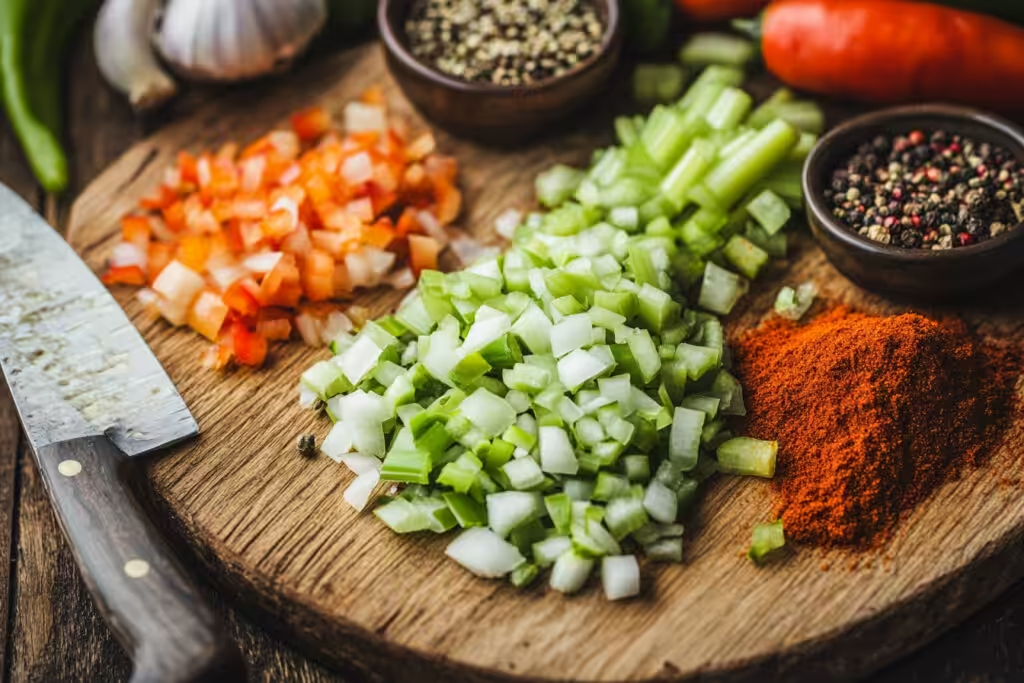
Celine grabbed my cutting board and started chopping. “In Louisiana cooking, we have something called the Holy Trinity. That’s onions, bell peppers, and celery. You use these three in almost everything—gumbo, jambalaya, étouffée, and especially dirty rice. They’re the foundation of flavor.”
She had me dice everything into small, uniform pieces. “Same size, cher. You want them to cook evenly.” I was used to just roughly chopping vegetables, but Celine was particular about this. And you know what? She was right. When we cooked those vegetables together, the smell that filled my kitchen was wonderful. Sweet, savory, aromatic—nothing like my sad beige rice experiment.
Now,” she continued, “real dirty rice traditionally uses chicken livers. Gives it that authentic flavor and, well, makes it look really dirty.” She paused, seeing my face. “But I know that’s not for everyone, so we’ll use ground beef today. Still delicious, just a little different.” For more rice variations, check out our saffron rice guide.
My First Successful Batch (With Supervision)
Under Celine’s watchful eye, I browned the ground beef in a large skillet. “Break it up small,” she instructed. “You don’t want big chunks. Little crumbles. That’s how the meat gets mixed throughout the rice nice and even.”
Once the meat was browned, she had me add the Holy Trinity. The vegetables sizzled and released this incredible aroma. After a few minutes, she asked me to add minced garlic. “Garlic goes in last with the vegetables,” she explained. “If you add it too early, it burns. If you add it too late, it will remain raw. Timing matters, cher.”
Then came the rice. Not cooked rice—raw rice. I looked at her, confused. “You cook the rice with everything?” She laughed. “Of course! That’s how it absorbs all the flavor. You think you just mix cooked rice with seasoned meat? No, ma’am.”
She had me stir the raw rice into the meat and vegetables, coating each grain with all that flavorful oil and seasoning. Then she added chicken broth—”Not water, cher, never water”—and a generous amount of Cajun seasoning. “This is where the magic happens. The rice cooks in all these flavors. Every single grain is going to taste wonderful.”
The Waiting Game
We brought it to a boil, then Celine reduced the heat, covered the skillet, and set a timer. “Now we wait. Twenty minutes. Don’t you dare lift that lid, you hear me? Every time you lift the lid, steam escapes, and your rice won’t cook right.”
Those twenty minutes felt like an hour. The smell was incredible—spicy and savory, with this deep, rich aroma that made my mouth water. Nicolas came home, stuck his head in the kitchen, and said, “What is that smell, and why have you never made it before?”
When the timer went off, Celine let me fluff the rice with a fork. It was perfect. Each grain is separate, coated in seasoning, and mixed with perfectly cooked meat and vegetables. It was speckled and brown and it was absolutely beautiful. “Now that’s dirty rice, cher,” Celine said with satisfaction.
My Solo Attempts: Lessons Learned
Mistake #1: Too Much Liquid
The first time I tried making dirty rice on my own (without Celine supervising), I added far too much broth. I thought, “More liquid = more flavor,” right? Wrong! The rice turned into mush. It was dirty rice soup, basically. Nicolas tried to be encouraging: “It tastes delicious, just… wet.”
I called Celine in a panic. She laughed. “Did you use the right amount of broth? For every cup of rice, you need two cups of liquid. No more, no less. Louisiana rice isn’t rice pudding, cher.”
Mistake #2: Impatient Rice
On my second solo attempt, I got impatient. After fifteen minutes, I lifted the lid to determine if it was done. Then I checked again at seventeen minutes. And again at nineteen minutes. The rice turned out sticky and undercooked in some places, overcooked in others.
Celine’s voice echoed in my head: “Don’t lift that lid!” She was right. The next time, I set my timer for twenty minutes and walked away. Folded laundry. I also assisted with my classmates’ homework. I had faith in the process. And you know what? Perfect rice. For more rice cooking tips, see our grain cooking guide.
Mistake #3: Bland Seasoning
One time I ran out of Cajun seasoning and thought, “I’ll just use regular spices.” I added some paprika, a tiny bit of cayenne, and some garlic powder. It tasted… fine. Not great. Not exciting. Just fine.
The girls ate it without complaining, but nobody asked for seconds. Nicolas diplomatically said, “It’s good, but it’s not like Celine’s.” He was right. Cajun seasoning isn’t just one spice—it’s a blend of paprika, cayenne, garlic, onion, oregano, thyme, and other spices all working together. You can’t really replicate it with random individual spices. Now I buy it in bulk and keep three jars in my pantry at all times.
How We Make It Now
After months of practice (and a few more panic calls to Celine), I’ve finally got dirty rice down. Here’s my process:
Step 1: Prep everything first
I dice my Holy Trinity vegetables while the meat browns. Equal parts onion, bell pepper (I use green, but Celine sometimes uses a mix), and celery. I cut them into small, uniform pieces. Mince the garlic. Measure out the rice and broth. Having everything ready makes the cooking process smooth.
Step 2: Brown the meat properly
I use a pound of ground beef (90/10 lean works best) in a large, deep skillet. Break it into small crumbles as it cooks. Drain off most of the fat—not all of it, just most. You want some fat for flavor, but not so much that your rice is greasy. I learned that lesson too.
Step 3: Build the flavor base
Add the Holy Trinity to the cooked meat. Sauté for about five minutes until the vegetables soften and start to smell sweet. Then add the garlic and cook for one more minute. This is where your kitchen starts smelling amazing and Nicolas appears asking what’s for dinner.
Step 4: Toast the rice
Celine taught me this trick: after adding the rice to the meat and vegetables, let it cook for a minute or two before adding liquid. “Toast it a little, cher. Helps every grain become coated with flavor.” She’s right. This step makes a difference.
Step 5: Add liquid and seasonings
Pour in the broth (I use chicken broth, but Celine sometimes uses beef broth for a richer flavor). Add the Cajun seasoning—I use about 2 tablespoons, but you can adjust based on spice tolerance. Stir everything together, making sure the rice is evenly distributed.
Step 6: Cook without peeking
Bring to a boil, then reduce heat to low, cover, and set your timer for 20 minutes. Walk away. Don’t peek. Don’t check. Trust the process. This is the hardest part for me because I’m a chronic lid-lifter, but I’ve learned.
Step 7: Fluff and rest
When the timer goes off, turn off the heat and let it sit, covered, for another 5 minutes. Then fluff with a fork. This resting time helps the rice finish cooking perfectly and makes it fluffy instead of sticky. Love one-pot meals? Try our chicken and rice dishes.
How Our Family Customizes It
The Girls’ Mild Version
Our youngest can’t handle much spice, so sometimes I make a mild version using only half the Cajun seasoning and adding a bit of smoked paprika for flavor without heat. She loves this version and will actually eat vegetables when they’re in dirty rice (a win in my book!).
Nicolas’s Extra-Spicy Batch
Nicolas likes to add diced jalapeños to his portion. He also keeps hot sauce at the table and adds it liberally. Celine approves of this approach and once told him, “You got a good Louisiana palate, cher.”
My Veggie-Boosted Version
Sometimes I add extra vegetables—diced tomatoes, corn, or chopped spinach—in the last few minutes of cooking. It makes the dish a bit more nutritious and adds color. Celine says the recipe isn’t traditional, but she also says, “You make it work for your family, cher.” For more veggie-packed meals, see our vegetable stir-fry.
Turkey Tuesday: The Lighter Option
We’ve started using ground turkey sometimes instead of beef. It’s lighter but still delicious. The key is not draining it as much since turkey is already leaner. Celine tried my turkey version once and said, “It’s different, but it’s good. Not traditional, but excellent.”
Why This Became Friday Night Dinner
Dirty rice has become our Friday night tradition. After that embarrassing first attempt, I was determined to master it, and now it’s one of our family’s favorite meals. Here’s why it works so well for us:
It’s truly one-pot: everything cooks in one skillet. Brown the meat, add the vegetables, add the rice and liquid, and done. Cleanup is minimal, which is perfect for Friday when we’re all exhausted.
It feeds a crowd: one batch makes enough for dinner plus leftovers for lunch. Sometimes we intentionally make extra rice because leftover dirty rice is fantastic.
Everyone actually eats it: This is huge. Finding a meal all four of us enjoy is like finding a unicorn. The mild version works for the girls, Nicolas can spice his up, and I love the authentic Louisiana flavors.
It’s budget-friendly: Ground beef, rice, and vegetables aren’t expensive. This is comfort food that doesn’t break the bank. Love budget meals? Check out our beef recipe collection.
It makes the house smell wonderful: that combination of Cajun spices, sautéed vegetables, and cooking rice creates this warm, inviting aroma. Our oldest’s friends always ask what’s cooking when they come over on Friday nights.
What We Serve With It
Dirty rice is hearty enough to be a main dish, but we usually add a couple of simple sides:
- Simple green salad—the freshness balances the rich, spicy rice
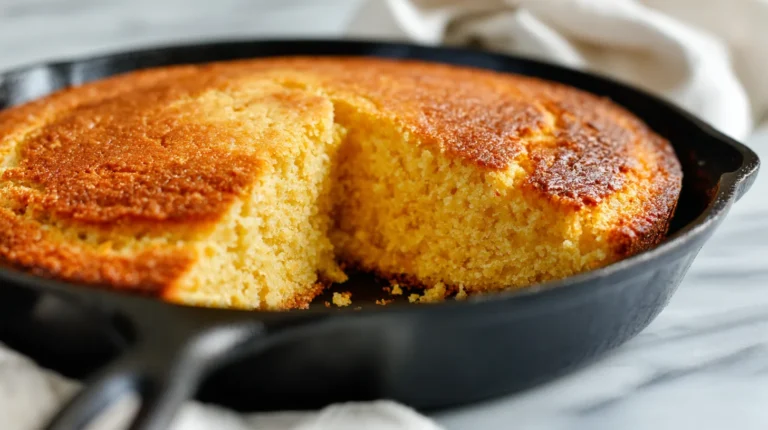
- Cornbread—Celine insists on this pairing, and she’s not wrong
- Steamed green beans—quick, easy, and the girls will eat them
- Coleslaw—The cool, crunchy slaw works great with the warm, spicy rice
But honestly? Some Fridays we just eat bowls of dirty rice and call it dinner. It’s substantial enough on its own, especially with all those vegetables cooked right in.
Frequently Asked Questions
Why is it called dirty rice, really?
Celine explained it best: the rice looks “dirty” because of how the meat and seasonings speckle and color it. Traditional dirty rice uses chicken livers, which make it even darker and more speckled. It’s not actually dirty—it’s just a rustic, earthy-looking dish. The first time I made it successfully, I understood. The rice has this beautiful speckled appearance, all brown and flecked with bits of meat and vegetables. It’s not pristine white rice; it’s got character!
Is dirty rice the same as jambalaya?
No! This confused me at first too. Jambalaya is wetter, almost like a rice stew, and usually has multiple proteins like shrimp, sausage, and chicken. Dirty rice is drier—the rice should be fluffy and separate, not soupy. Jambalaya also often has tomatoes, while traditional dirty rice doesn’t. They’re both Louisiana classics, but they’re definitely different dishes. Celine makes an amazing jambalaya too, and trust me, they’re not interchangeable!
Can I make this ahead?
Yes! This actually tastes even better the next day after the flavors have had time to meld. I make it Friday night, and we eat leftovers through the weekend. Store it in an airtight container in the fridge for up to 4 days. To reheat, add a splash of broth or water and warm it gently on the stove or in the microwave. The rice can get a bit dry when refrigerated, so that little bit of liquid brings it back to life.
What if I can’t find Cajun seasoning?
You can make your own! Celine gave me her blend: Combine 2 tablespoons paprika, 1 tablespoon garlic powder, 1 tablespoon onion powder, 1 teaspoon cayenne pepper (more or less depending on heat preference), 1 teaspoon dried oregano, 1 teaspoon dried thyme, 1 teaspoon black pepper, and 1 teaspoon salt. Mix it all together and store it in a jar. It’s not quite the same as the store-bought blends (they have their secrets!), but it works in a pinch.
Why Learning This Recipe Mattered
You know what I learned from my dirty rice journey? Sometimes the best recipes come from admitting you don’t know something and being willing to learn. I could have Googled another recipe after that embarrassing dinner and tried again on my own. But instead, I got a Louisiana cooking lesson from someone who grew up making this dish, whose grandmother made it, and whose great-grandmother probably made it too.
Celine didn’t just teach me a recipe. She taught me about the Holy Trinity, about building flavors in layers, about the importance of patience (don’t lift that lid!), and about respecting the food traditions that matter to people. Every time I make dirty rice now, I think of her standing in my kitchen saying “cher” and showing me how things are really done.
And the best part? She comes over every few months to check on my dirty rice technique. Last time, she tasted it, nodded approvingly, and said, “Now you can bring this to my house anytime, cher. You finally got it right.” Coming from Celine, that’s the highest compliment.
The girls love telling people about how Mom brought “sad beige rice” to a Louisiana dinner and got taught the right way by our neighbor. Nicolas loves reminding me of it every single time I make dirty rice. And me? I love that I took a humiliating moment and turned it into one of our family’s favorite weekly meals.
From our kitchen to yours,
Nora & Nicolas
P.S. – If you make dirty rice and it doesn’t turn out perfect the first time, that’s okay! Mine definitely didn’t (ask Celine). The second batch will be better, and by the fifth batch, you’ll have it down. And if you have a Louisiana neighbor who can teach you properly, even better!
Looking for another standout rice dish? Our golden and fragrant saffron rice recipe makes a stunning, restaurant-quality side in under 30 minutes.