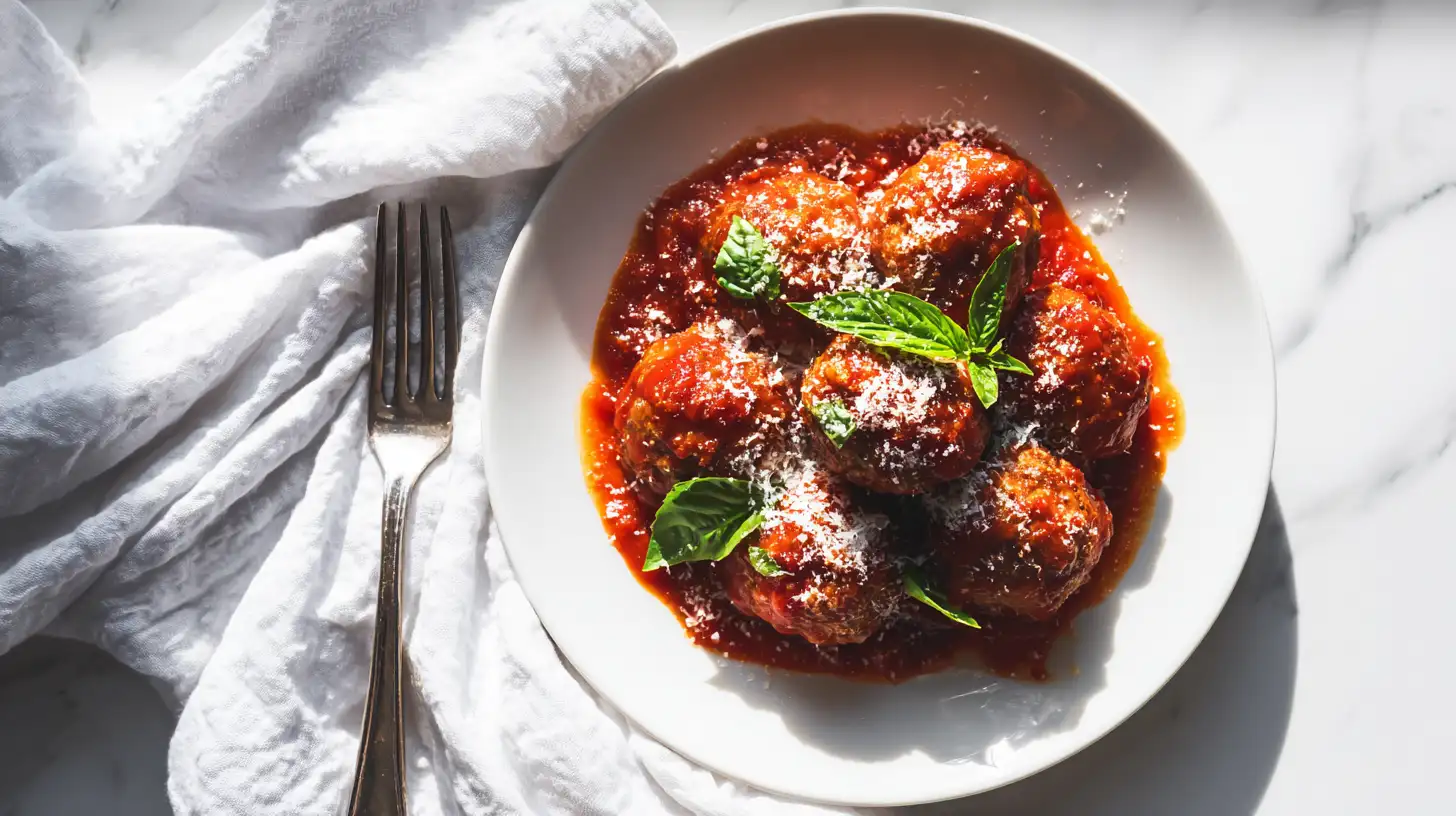
How to Make Italian Turkey Meatballs?
I made Italian turkey meatballs thinking they’d taste like regular beef meatballs but healthier. Used the same recipe as beef—mixed ground turkey with breadcrumbs, egg, Parmesan, and Italian herbs. Shaped them, baked them. They came out dense, rubbery, and tasting like seasoned sawdust. My kids took one bite each and asked for chicken nuggets instead. The problem was treating lean turkey exactly like fatty beef—doesn’t work. Turkey has almost no fat, so it dries out and gets tough when cooked using beef meatball methods. Need a completely different approach for moisture and tenderness.
Italian turkey meatballs work when you compensate for turkey’s leanness with moisture-boosting ingredients and gentler cooking, not when you use the identical beef meatball technique with different meat. Ground turkey needs soaked breadcrumbs (panade), extra olive oil, and maybe grated vegetables for moisture. Can’t just bake at high heat—dries them out completely. Lower temperature or finishing in sauce is essential. The Italian herbs (oregano, basil, garlic, and Parmesan) work fine with turkey, but meat preparation must change. For more Italian pasta dishes, see our Italian pasta collection.
Why Italian Turkey Meatballs
Health Benefits Reality
Ground turkey (93% lean) has significantly less saturated fat than ground beef (80/20). Per 4 oz serving, turkey has 8 g total fat (2 g saturated) versus beef’s 23 g total fat (9 g saturated). Meaningful difference if watching heart health or calories.
Turkey provides the same protein as beef (about 22 g per serving) plus B vitamins, selenium, and zinc. Not magic health food but a legitimately leaner option that works IF prepared correctly for lean meat properties.
Flavor Expectations
Turkey tastes milder than beef—less inherent meatiness. This means Italian seasonings (garlic, oregano, basil, and Parmesan) must be more generous to create the same flavor impact. Can’t use timid amounts and expect bold Italian taste.
Properly seasoned and cooked turkey meatballs taste distinctly Italian, just lighter than beef versions. Different, not worse, if done right.
Italian Turkey Meatball Ingredients
Makes about 20 meatballs:
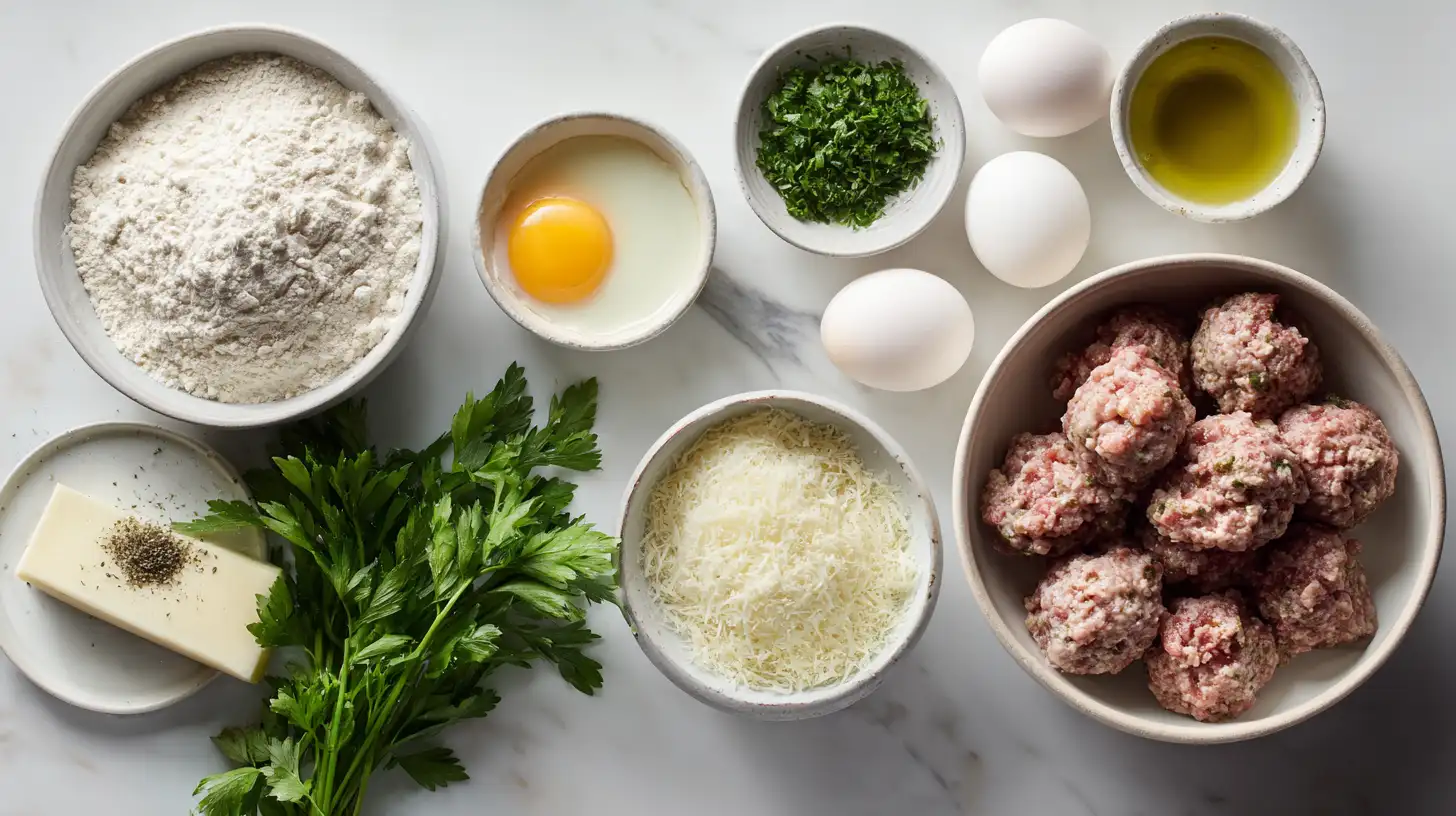
- 1 lb ground turkey (93% lean)
- ½ cup breadcrumbs (plain or Italian-seasoned)
- ⅓ cup whole milk
- 1 large egg
- ⅓ cup grated Parmesan cheese
- 3 garlic cloves, minced
- 2 tbsp fresh parsley, chopped (or 2 tsp dried)
- 1 tsp dried oregano
- 1 tsp dried basil
- 1 tsp salt
- ½ tsp black pepper
- ¼ tsp red pepper flakes (optional, for heat)
- 2 tbsp olive oil (mixed into meat)
Critical ingredient—milk-soaked breadcrumbs (panade): This is what keeps turkey meatballs moist. Soak breadcrumbs in milk 5-10 minutes before mixing. The paste created holds moisture during cooking. Without this, meatballs dry out, guaranteed.
How to Make Italian Turkey Meatballs
Prepare Mixture: italian turkey meatballs
Step 1: Soak breadcrumbs in milk in a small bowl. Let sit 5-10 minutes until breadcrumbs have completely absorbed milk and formed a paste.
Step 2: In a large bowl, combine ground turkey, soaked breadcrumb mixture (squeeze out a tiny bit of excess milk if very wet), egg, Parmesan, minced garlic, parsley, oregano, basil, salt, pepper, red pepper flakes, and olive oil.
Step 3: Mix gently with hands until just combined. Don’t overmix—overworking makes dense, tough meatballs. The mixture should hold together but still feel light and slightly loose, not compact.
Rest mixture: Refrigerate 20-30 minutes. This helps ingredients meld and makes shaping easier. Also, it firms up the mixture slightly so meatballs hold their shape better during cooking.
Shape Meatballs
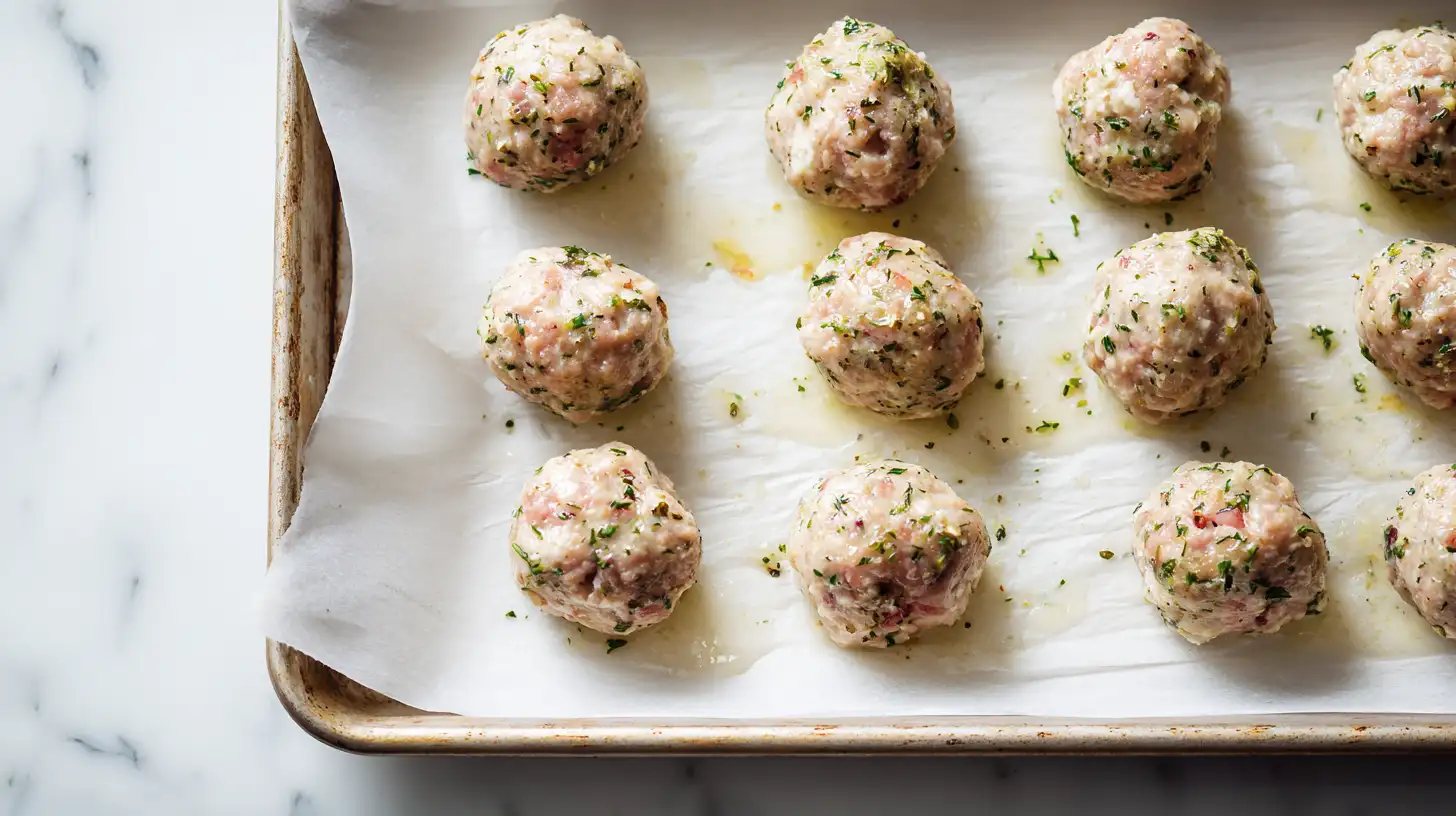
Wet hands with water (prevents sticking). Scoop about 2 tablespoons of the mixture, and roll gently into a ball 1½ inches in diameter. Don’t compress hard—gentle rolling creates tender texture.
Place on a plate or baking sheet. Should get about 20 meatballs from 1 pound of turkey. Keep the size consistent so they cook evenly.
Cooking Methods
Option 1 – Baking (easiest, hands-off):
Preheat oven to 375°F (NOT 400°F—lower temp prevents drying). Line baking sheet with parchment, brush lightly with olive oil. Space meatballs apart (touching causes steaming).
Bake for 18-22 minutes until cooked through (165°F internal). Don’t overbake—turkey dries fast. Should be lightly golden but still moist inside.
Option 2 – Pan-sear, then simmer in sauce (best flavor and moisture):
Heat 2 tablespoons olive oil in a large skillet over medium heat. Brown meatballs on all sides, about 8 minutes total. Won’t be fully cooked yet—intentional.
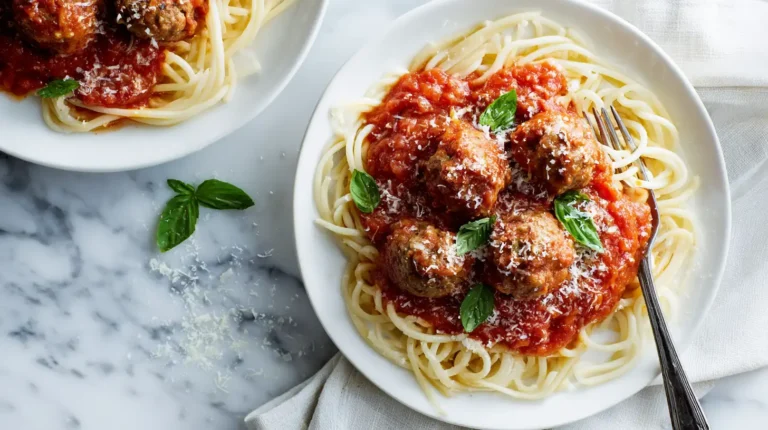
Transfer browned meatballs to pot of simmering marinara sauce. Let it finish cooking in sauce for 12-15 minutes. This method produces the most moist, flavorful meatballs—sauce keeps them from drying out.
Simple Marinara Sauce
Ingredients:
- 28 oz can crushed tomatoes
- 3 tbsp olive oil
- 1 small onion, diced
- 4 garlic cloves, minced
- 1 tsp dried basil
- 1 tsp dried oregano
- ½ tsp sugar
- Salt and pepper to taste
- Fresh basil for garnish
Method: Heat olive oil in a large saucepan over medium heat. Cook onion until soft (5 minutes). Add garlic and cook for 1 minute. Add crushed tomatoes, basil, oregano, sugar, salt, and pepper. Simmer for 20-25 minutes, stirring occasionally. Taste and adjust seasoning.
Common Italian Turkey Meatball Problems
Dry Dense Meatballs
Causes: My exact problem—didn’t soak breadcrumbs in milk, didn’t add olive oil, overbaked at too high temp.
Prevention: MUST soak breadcrumbs in milk first. Add 2 tablespoons of olive oil to the mixture. Bake at 375°F, not higher. Consider finishing in sauce. Don’t cook past 165°F internal temp.
Meatballs Falling Apart
Causes: Not enough binder (egg/breadcrumbs), mixture too wet, handled too roughly.
Fixes: Use a full egg and ½ cup breadcrumbs. Squeeze out slight excess from soaked breadcrumbs if very wet. Refrigerate the mixture before shaping. Handle gently when turning during cooking.
Bland Flavor
Cause: Under-seasoned—turkey’s mild flavor needs generous herbs and aromatics.
Fixes: Don’t reduce salt (a full teaspoon is needed). Use fresh garlic, not powder. Increase dried herbs if using dried instead of fresh. Add Parmesan (provides umami depth). Taste the raw mixture by microwaving a tiny piece—adjust before shaping all meatballs.
Serving Italian Turkey Meatballs
Classic ways:
- With pasta: Spaghetti, penne, rigatoni with marinara sauce
- Meatball subs: Toasted rolls, marinara, melted mozzarella
- Over zoodles: Zucchini noodles for low-carb option
- With polenta: Creamy polenta base, meatballs and sauce on top
- In soup: Add to Italian wedding soup or minestrone
For more Italian meal ideas, try our spaghetti pie recipe.
Storage and Reheating
Refrigerate: Store cooked meatballs in an airtight container for up to 4 days. Store in sauce if possible—keeps them moist.
Freeze: Freeze cooked meatballs for up to 3 months. Freeze on a baking sheet first, then transfer to a freezer bag. Can freeze in sauce or plain. Thaw overnight in the fridge before reheating.
Reheat: Stovetop in sauce is best (medium-low heat, stir gently). An oven at 350°F covered with foil works. Microwave is okay but can make it rubbery (use 50% power, heat in intervals).
Variations
Extra Italian Flavor
Add 1 teaspoon fennel seeds (crushed) for Italian sausage flavor. Or mix in ¼ cup sun-dried tomatoes (chopped).
Even Lighter Version
Add ½ cup finely grated zucchini (squeezed dry) to the mixture. Extra moisture and vegetables without changing flavor much.
Italian Turkey Meatball Questions
Can I make these ahead?
Yes. Shape meatballs and refrigerate covered up to 24 hours before cooking. Or freeze uncooked up to 2 months. Cook from frozen, adding 5-7 minutes to the time.
What replaces breadcrumbs?
Rolled oats (gluten-free if needed), crushed crackers, almond flour, or panko all work. Adjust the amount as needed for the right texture. Still soak in milk regardless of substitute used.
Can I use ground chicken?
Yes, identical to turkey. Same lean profile, same techniques needed. Use the exact same recipe.
Final Reality on Italian Turkey Meatballs
Italian turkey meatballs stopped being a rubbery disappointment when I learned lean meat requires completely different preparation than fatty beef. My dense sawdust disaster happened because I used the beef meatball method with turkey meat—doesn’t work. Turkey needs milk-soaked breadcrumbs for moisture retention, olive oil added to the mixture, a lower baking temperature, or finishing in sauce.
The Italian seasonings (garlic, oregano, basil, and Parmesan) work perfectly with turkey’s mild flavor—actually an advantage because turkey doesn’t compete with herbs. But you must use generous amounts since turkey provides no inherent richness like beef does.
This is a practical, healthy alternative to beef meatballs when prepared correctly for lean meat properties. Not difficult—just requires understanding turkey behaves differently than beef and adjusting technique accordingly. Soak breadcrumbs, add fat, don’t overbake, and season boldly. My kids now request these regularly—vindication after that first batch they rejected for chicken nuggets. For more turkey recipes, see our turkey meatballs with spaghetti.