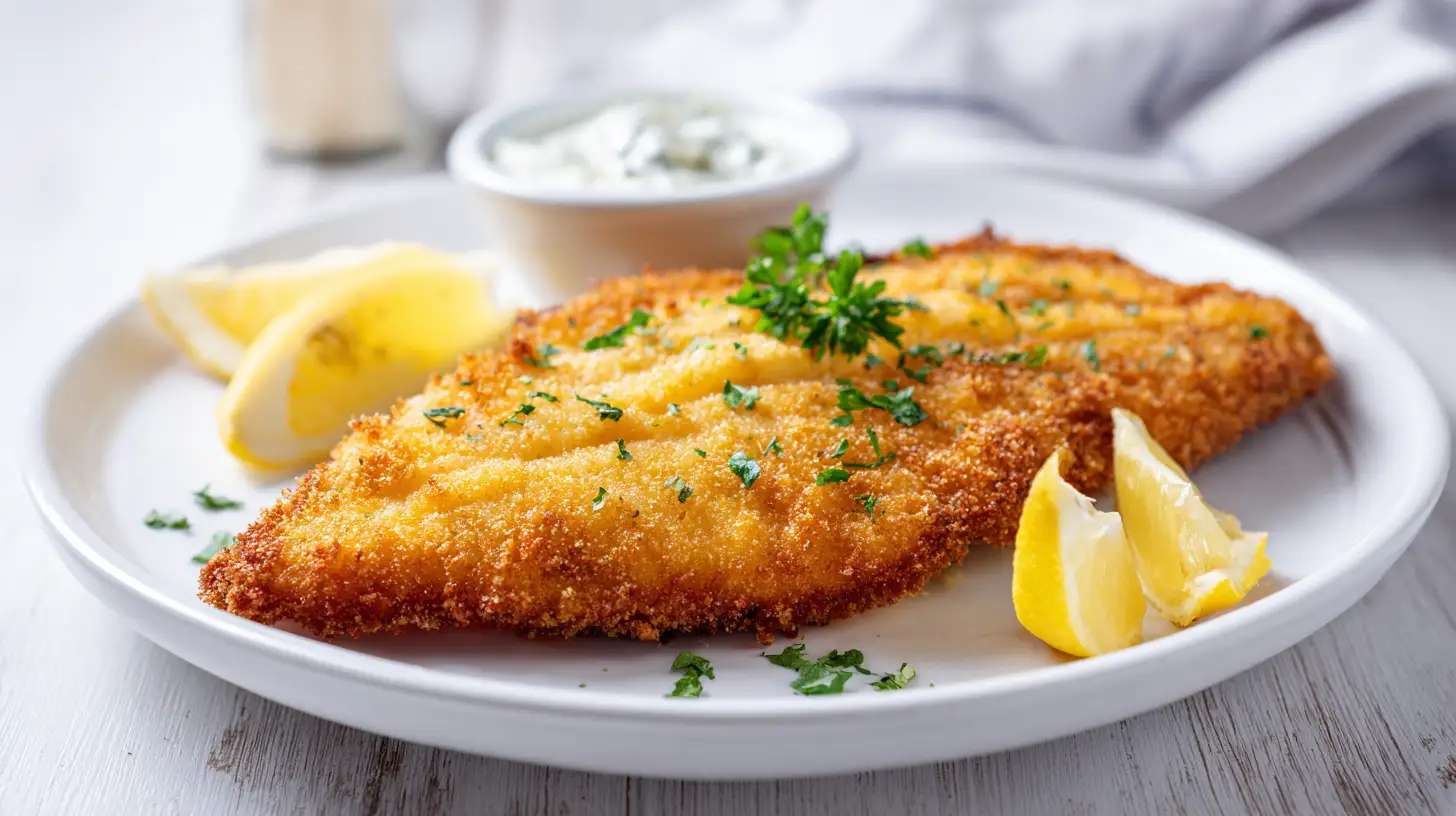
Fried Fish Recipe
Growing up, Friday nights meant one thing: fried fish. Is that crispy, golden crust cracking open to reveal tender, flaky fish inside? Pure comfort food magic. If you’ve never nailed a delicious fried fish at home, don’t worry—it’s way easier than most people think. Once you get the hang of it, you’ll skip the takeout and make restaurant-quality fish in your kitchen.
This fried fish recipe covers everything you need—from picking the right fish to getting that perfect crunch without ending up with soggy, greasy fillets. We’ll walk through the best coatings, frying tricks, and how to dodge the usual mistakes. Let’s make some seriously delicious fried fish.
Picking the Right Fish for a Perfect Fried Fish Recipe
Not all fish fry the same. Some hold up great under high heat; others fall apart. Here’s what works best.
Best Fish Choices for a Classic Fried Fish Recipe
When you’re making this fried fish recipe, stick with these varieties—they’ve got the right texture and flavor:
- Cod: Flaky, mild, classic choice for fish and chips
- Tilapia: Budget-friendly, takes on any seasoning you throw at it
- Catfish: Southern staple, firm enough to handle a good fry
- Haddock: Slightly sweeter than cod, another fish and chips favorite
- Snapper: Delicate taste, firm flesh, great if you want something a bit fancier
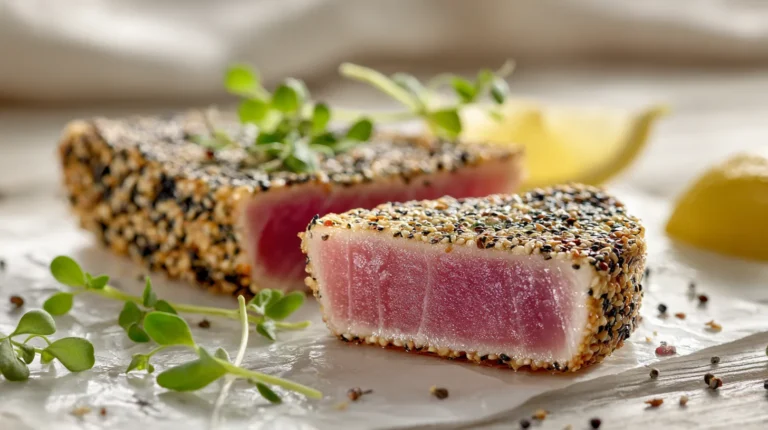
Want to try other fish dishes? Our Seared Ahi Tuna Recipe is quick and elegant, or check out the California Corbina Recipe if you’re looking for something roasted instead.
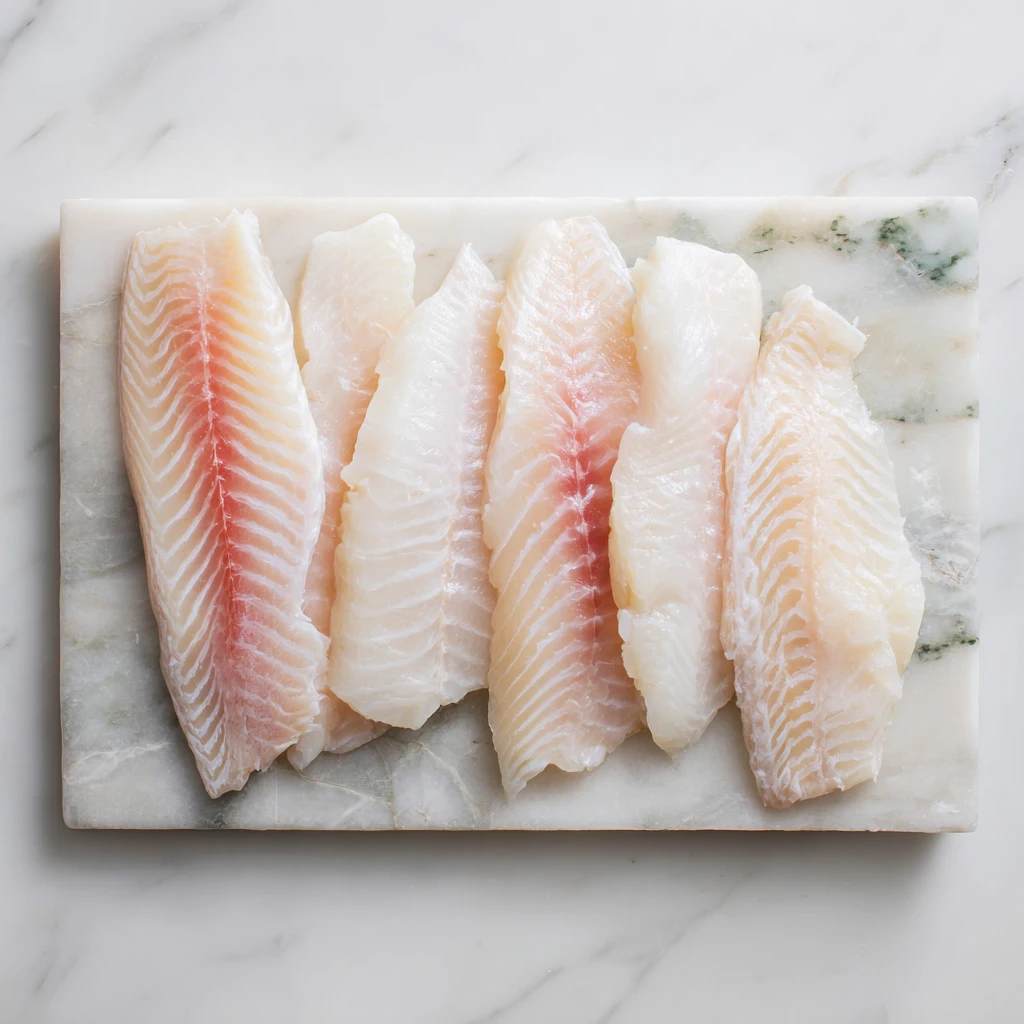
Fresh or Frozen Fish for a Fried Fish Recipe: What Works Best
Both work fine. Fresh fish usually has a firmer texture and brighter flavor, but frozen is convenient and available year-round. If you go frozen, thaw it properly in the fridge overnight—never at room temp. Then pat it bone dry before you bread it. Wet fish equals soggy coating. Every time.
What You Need to Make a Crispy Fried Fish Recipe at Home
You can’t fake genuine ingredients. Here’s what you actually need for that perfect golden crust.
Breading and Batter Options for a Crispy Fried Fish Recipe
The coating is where the crunch happens. Pick one of these:
- Classic flour breading: Simple, reliable, gets the job done
- Beer batter: Light and airy, adds a little tang
- Cornmeal coating: Extra crunch with a touch of sweetness
- Panko breadcrumbs: Japanese style, super crispy
For this fried fish recipe, we’re using a mix of flour and cornmeal. It delivers consistent results without any fuss.
Seasonings That Make a Fried Fish Recipe Truly Flavorful
Don’t skimp here. Bland fried fish is just sad. Here’s what brings the flavor:
- Salt and black pepper: Start here, always
- Paprika: Smoky depth plus color
- Garlic powder: Savory backbone
- Cayenne pepper: Optional heat—skip it if you’re cooking for kids
- Herbs: Fresh or dried thyme, oregano, or parsley work great
Getting the Fish Ready for a Successful Fried Fish Recipe
Prep work matters more than you’d think. Skip these steps and you’ll pay for it later.
Cleaning and Filleting
If you’re starting with a whole fish, here’s the quick version:
- Scale it: Use a scaler or the back of a knife, rinse well
- Fillet it: Cut behind the gills to the backbone, slice along it to separate the meat
- Debone: Run your fingers along the fillet, pull out any pin bones with tweezers
Most stores sell pre-filleted fish anyway, which saves a ton of time. Just pat them completely dry before moving forward.
Quick Marinade for More Flavor
A simple marinade adds flavor and helps tenderize the fish. Nothing fancy is needed:
Basic Marinade:
- 1 cup buttermilk (or regular milk works too)
- 1 teaspoon salt
- 1 teaspoon black pepper
- 1 teaspoon paprika
- 1 teaspoon garlic powder
Toss everything in a bowl, add your fillets, and stick it in the fridge for 30 minutes to 2 hours. The buttermilk tenderizes while adding flavor. Simple.
How to Bread the Fish
This is where you build that irresistible crunch. There are three simple steps involved in this process.
The Three-Step Method
Set up three shallow dishes:
- Dish 1: 1 cup all-purpose flour + 1 teaspoon salt + 1/2 teaspoon pepper
- Dish 2: 2 eggs beaten with 2 tablespoons milk
- Dish 3: 1 cup cornmeal + 1 cup flour + 2 teaspoons paprika + 1 teaspoon garlic powder + salt and pepper
Here’s what you do:
- Pat fish bone dry—can’t stress this enough
- Dredge in seasoned flour, shake off extra
- Dip in egg wash, let it drip off
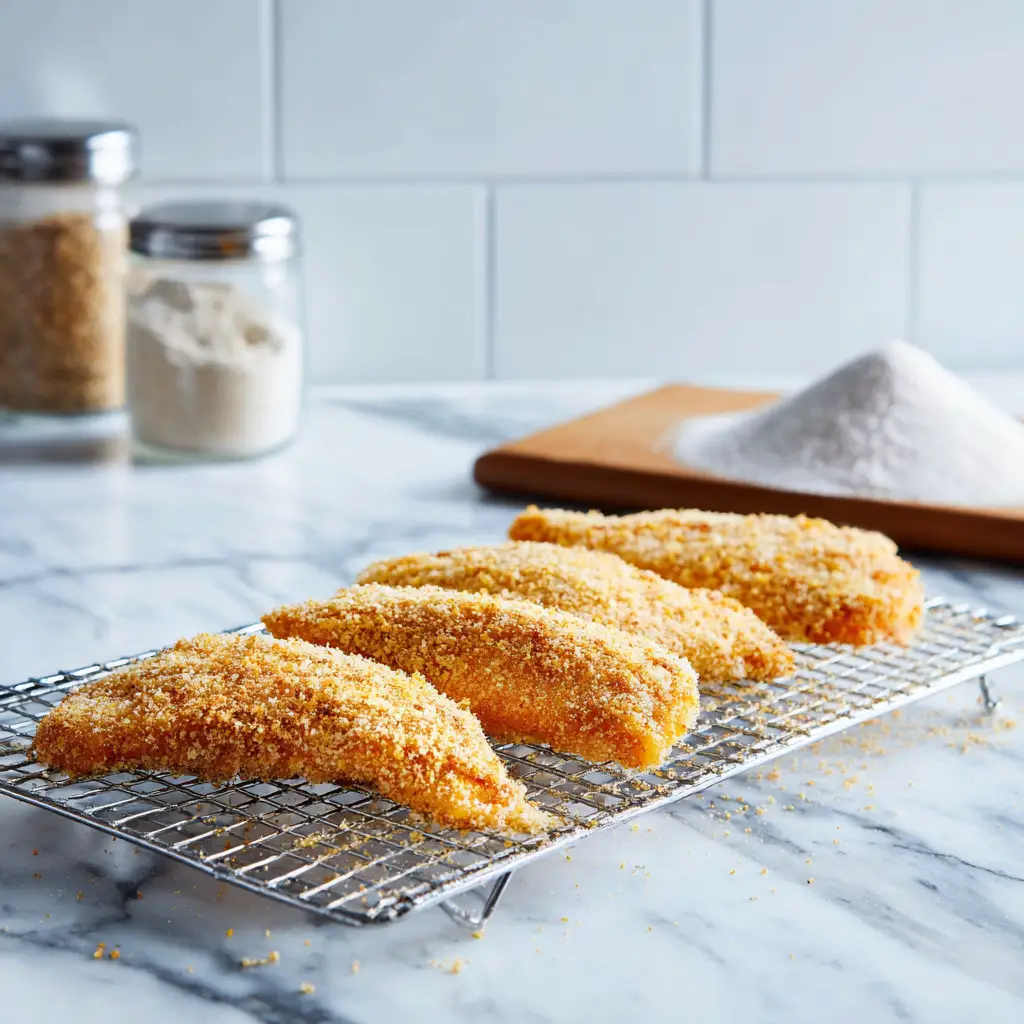
- Coat thoroughly in the cornmeal mix, press gently so it sticks
- Set on a wire rack and let rest for 10 minutes before frying
That 10-minute rest? Total game changer. The coating sets up and gets way crispier. This technique works for other proteins too—check our chicken recipes for more breading ideas.
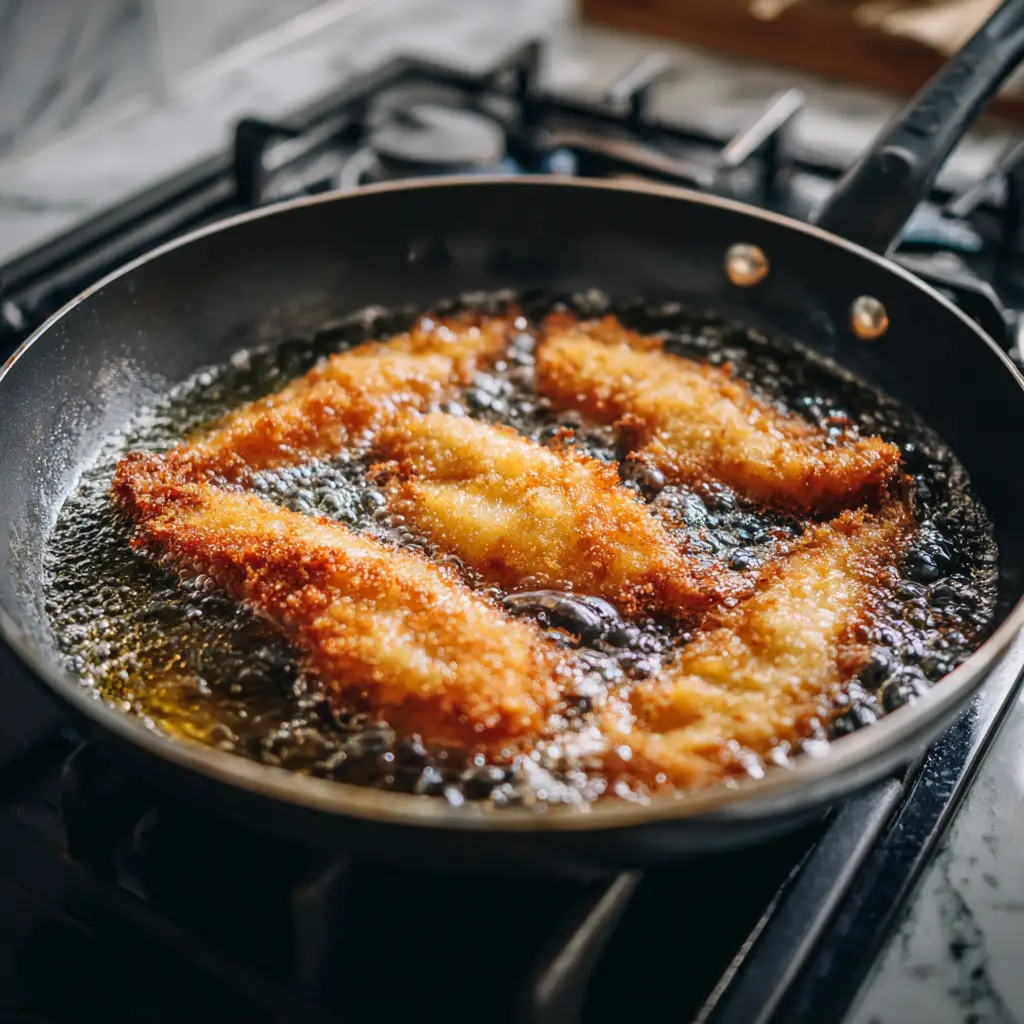
Frying It Right
This is where technique really counts. Mess this up and your fish is either raw inside or burnt outside.
Deep Fry or Pan Fry?
Deep frying:
- Pros: Even cooking, steady temp, nothing sticks
- Cons: Uses more oil, more calories
- Best for: Big batches, consistently crispy coating
Pan-frying:
- Pros: Less oil, easier for small amounts
- Cons: Needs more attention, can cook unevenly
- Best for: Smaller batches, slightly lighter option
For this fried fish recipe, deep frying gives you the crispiest results. But pan frying works just fine if that’s what you’ve got. Love cooking with less oil? Browse our best griddle recipes for more options.
Get the Temperature Right
Temperature control is everything. Too hot, and the outside burns while the inside stays raw. Too cool, and you get greasy, soggy fish. Here’s what works:
- Sweet spot: 350°F to 375°F (175°C to 190°C)
- Get a thermometer: Don’t guess—buy a cheap kitchen thermometer
- Don’t crowd the pan: Fry in batches so the temp stays steady
- Adjust between batches: If the oil cools down, turn up the heat slightly
According to FDA food safety guidelines, fish needs to hit 145°F (63°C) internally. Use an instant-read thermometer to check—stick it in the thickest part.
Common Problems and Fixes
Even experienced cooks run into issues. Here are some tips for troubleshooting common issues.
Fish Keeps Sticking
Why: Not enough oil, the pan’s not hot enough, or you’re cramming too much in at once.
Fix: Heat the oil to the right temp before adding fish. Use a non-stick or well-seasoned cast-iron pan. Fry in batches—give each piece some space.
Greasy, Oily Fish
Why: The oil temp dropped too low, or the fish sat in oil too long.
Fix: Keep that oil between 350°F and 375°F. Drain fried fish on a wire rack, not paper towels—paper traps steam and makes the coating soft. Don’t reuse oil more than 2-3 times max.
Soggy or Uneven Coating
The oil temperature fluctuated, or the breading was not applied evenly.
Fix: Keep that oil temp steady. Make sure the breading is even—not too thick, not too thin. Let the fish rest a few minutes after frying so excess moisture can escape.
What to Serve With Fried Fish
The choice of sides can significantly impact the success of the meal. Here’s what works.
Classic Sides
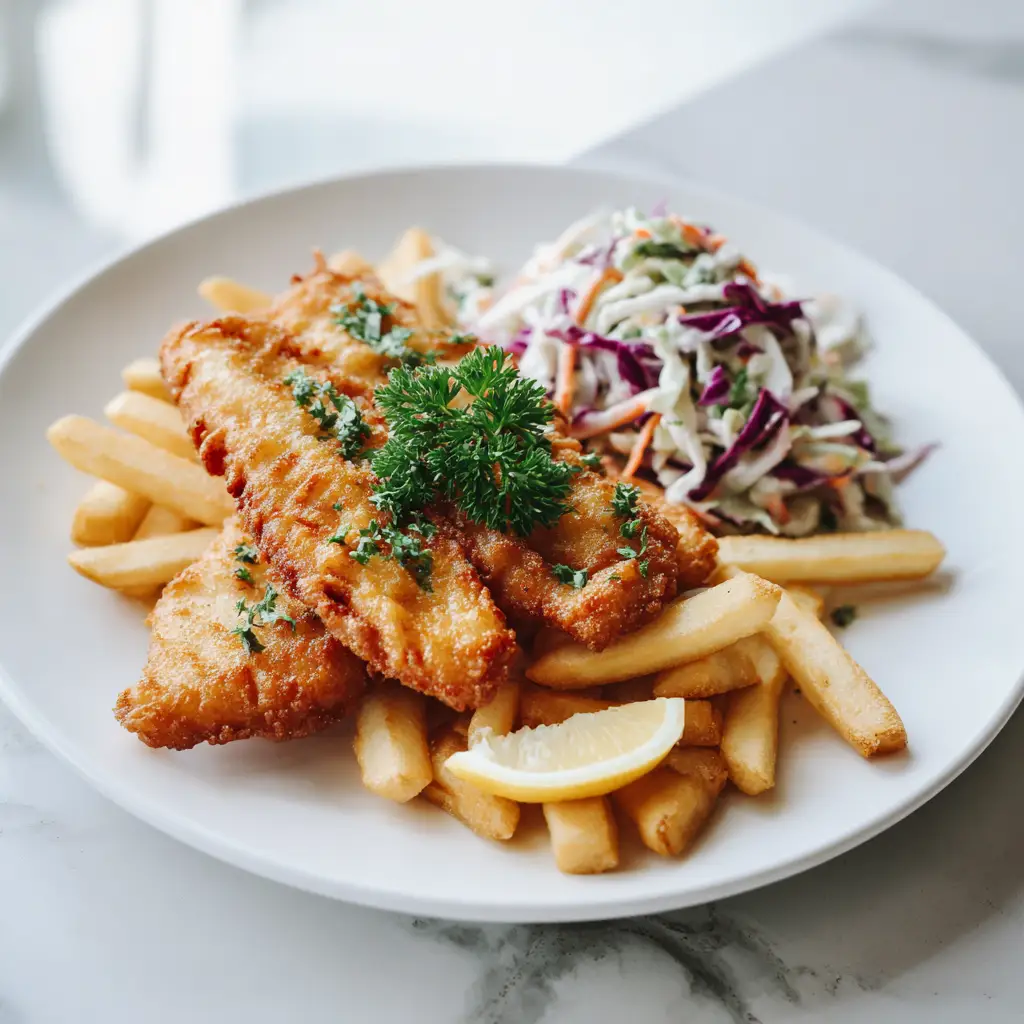
- French fries or chips: Can’t go wrong with double crispy
- Coleslaw: Refreshing crunch, creamy tang
- Tartar sauce: Essential for dipping
- Lemon wedges: Brightens everything up
- Hush puppies: If you’re going full Southern-style
Want a complete Southern meal? Pair your fried fish with Southern cornbread or Dirty Rice. Both hit the spot.
Creative Ways to Serve It
- Fish tacos: Wrap in soft tortillas with fresh veggies and spicy mayo
- Fish sandwiches: Stack between toasted buns with lettuce, tomato, and sauce
- Over salad: Toss crispy fish pieces on fresh greens
- Rice bowls: Serve over rice with steamed veggies and sauce
Need more quick dinner ideas? Browse our 30-minute meals or easy everyday recipes for more inspiration.
Lighter Options
I love fried fish, but watch calories? Here are some smart swaps.
Bake It Instead
Bake your breaded fish at 400°F (200°C) for 15-20 minutes, flipping halfway. Spray lightly with olive oil for extra crisp. For the last 2-3 minutes, switch to broil for that golden finish—just watch it closely so it doesn’t burn.
Try Air Frying
Air fryers use way less oil and still deliver crispy results:
- Heat air fryer to 375°F (190°C)
- Coat fish with your breading
- Spray lightly with oil
- Air fry 10-12 minutes, flip halfway through
The American Heart Association says eating fish twice a week supports heart health. Baking or air frying makes it even better for you.
Leftovers and Storage
Do you have extras? Here’s how to keep them good.
- Refrigerate: Store in an airtight container for up to 2 days
- Reheat: Use a 350°F oven for 10-12 minutes to bring back the crisp. Skip the microwave—it makes everything soggy
- Freeze: Freeze breaded (but uncooked) fish for up to 3 months. Fry straight from frozen; just add 2-3 extra minutes to cooking time
For more make-ahead options, check out our freezer-friendly meals collection.
Bottom Line
This fried fish recipe delivers restaurant-quality results at home. With the right fish, solid breading technique, and careful temp control, you’ll get perfectly crispy, golden fish every time. Whether you’re making classic fish and chips or creative fish tacos, nail this recipe and you’ve got endless options.
Give it a shot tonight. Grab your favorite fish, follow these steps, and see how it turns out. Drop your results in the comments, and follow us on Facebook and Pinterest for more easy dinner ideas.
Questions People Ask
What’s the best oil for frying fish?
Stick with oils that have high smoke points—vegetable oil, canola oil, peanut oil, or sunflower oil. These handle the heat without breaking down or adding weird flavors. Skip olive oil for deep frying—it’s got a lower smoke point and can burn.
How do I know when the fish is done?
Fish is cooked when it’s golden brown outside and hits 145°F (63°C) inside. The flesh should be opaque and flake easily with a fork. No thermometer? Cut into the thickest part—it should be white all the way through, not see-through.
Can I use frozen fish fillets?
Yeah, just thaw them completely in the fridge overnight first. Pat them super dry with paper towels before breading—frozen fish releases more water, which can wreck the coating. Never fry fish straight from frozen unless it’s already pre-breaded for that.
Why does my fried fish turn out soggy?
It usually happens when the oil’s too cool or the fish wasn’t dried properly before breading. Keep your oil between 350°F and 375°F and always pat fish completely dry. Furthermore, drain on a wire rack instead of paper towels—paper traps steam and softens the coating.
Can I make the sauce gluten-free?
Absolutely. Swap regular flour for gluten-free flour or almond flour, and use gluten-free breadcrumbs or just cornmeal for the coating. The cornmeal in this recipe is naturally gluten-free if you skip the flour or use a gluten-free version. Technique stays the same.
How long should I fry the fish?
This depends on the thickness of the fish. Most fillets (about 1/2 to 3/4 inch thick) take 3-5 minutes per side at 350°F-375°F. Thicker cuts might take 6–7 minutes per side. Don’t crowd the pan—fry in batches and let the oil come back up to temp between rounds.
Perfect Fried Fish

Classic comfort food with a crispy golden crust and flaky inside. This fried fish recipe walks you through every step—from seasoning to frying—to achieve restaurant-quality results at home.
- Deep fryer or cast-iron skillet
- Wire rack
- Kitchen thermometer
- Tongs
For the Marinade
- 1 cup buttermilk (or use regular milk)
- 1 tsp salt
- 1 tsp black pepper
- 1 tsp paprika
- 1 tsp garlic powder
For the Breading
- 1 cup all-purpose flour
- 1 cup cornmeal
- 2 eggs (beaten)
- 2 tbsp milk
- 2 tsp paprika
- 1 tsp garlic powder
- salt and pepper (to taste)
Fish
- 4 white fish fillets (such as cod, tilapia, catfish, or haddock)
For Frying
- vegetable oil (for frying)
In a bowl, mix the marinade ingredients. Add fish fillets and refrigerate for 30 minutes to 2 hours.
Set up a breading station with seasoned flour in one dish, beaten eggs and milk in another, and the cornmeal mix in the third. Pat fish dry, then coat in flour, dip in egg wash, and coat with cornmeal mixture.
Let the breaded fillets rest on a wire rack for 10 minutes to set the coating.
Heat oil in a deep fryer or skillet to 350°F–375°F. Fry fish for 3–5 minutes per side or until golden and internal temp reaches 145°F.
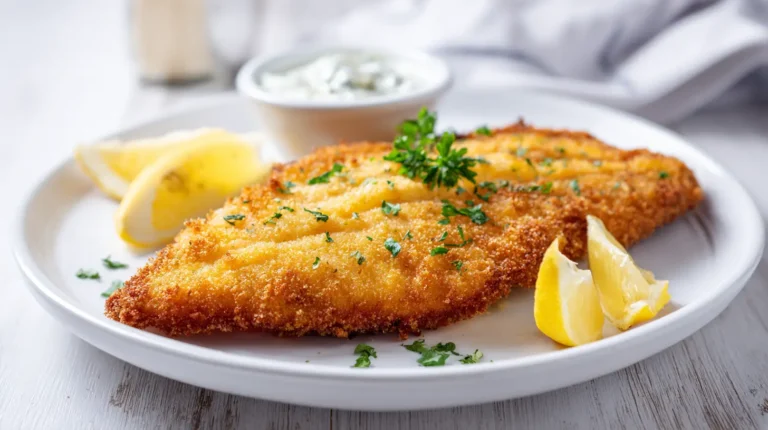
Drain fried fish on a wire rack. Serve hot with lemon wedges, tartar sauce, and your favorite sides.
For gluten-free: use gluten-free flour and cornmeal. You can also bake or air fry for lighter versions. Fish fillets can be frozen raw (breaded) and fried directly from frozen.
Related Recipes
- Can I Use an Air Fryer as a Dehydrator? Top Tips You Need…
- Dare to dazzle? Cobia recipes
- Is Raising Cane’s Healthy? The Truth About Its Nutrition
Perfect Fried Fish
Ingredients
For the Marinade
- 1 cup buttermilk (or use regular milk)
- 1 tsp salt
- 1 tsp black pepper
- 1 tsp paprika
- 1 tsp garlic powder
For the Breading
- 1 cup all-purpose flour
- 1 cup cornmeal
- 2 eggs (beaten)
- 2 tbsp milk
- 2 tsp paprika
- 1 tsp garlic powder
- salt and pepper (to taste)
Fish
- 4 white fish fillets (such as cod, tilapia, catfish, or haddock)
For Frying
- vegetable oil (for frying)
Instructions
- In a bowl, mix the marinade ingredients. Add fish fillets and refrigerate for 30 minutes to 2 hours.
- Set up a breading station with seasoned flour in one dish, beaten eggs and milk in another, and the cornmeal mix in the third. Pat fish dry, then coat in flour, dip in egg wash, and coat with cornmeal mixture.
- Let the breaded fillets rest on a wire rack for 10 minutes to set the coating.
- Heat oil in a deep fryer or skillet to 350°F–375°F. Fry fish for 3–5 minutes per side or until golden and internal temp reaches 145°F.
- Drain fried fish on a wire rack. Serve hot with lemon wedges, tartar sauce, and your favorite sides.
Notes
For gluten-free: use gluten-free flour and cornmeal. You can also bake or air fry for lighter versions. Fish fillets can be frozen raw (breaded) and fried directly from frozen.