Is It Necessary to Boil Potatoes Before Roasting? Expert Advice!
I tried making roasted potatoes for Christmas dinner once without boiling them first. Just cut them up, toss them with oil, and throw them in the oven. An hour later they were burnt on the outside and raw in the middle. My family politely ate around them while I pretended not to notice. That disaster taught me large potato chunks need pre-cooking—otherwise the outside burns before the inside cooks through.
Boiling potatoes before roasting is a technique debate that splits cooks. Proponents say it’s essential for crispy exteriors and fluffy interiors. Critics call it unnecessary extra work. The truth depends on what you’re making, how much time you have, and what texture you want. For more potato techniques, check out our perfect roasted potatoes guide.
Why People Boil Potatoes Before Roasting
Reduced Cooking Time When You Boil Potatoes Before Roasting
Pre-boiling cuts oven time significantly. Raw potatoes might take 50-60 minutes to roast completely. Boiled potatoes roast in 25-30 minutes because they’re already partially cooked.
This technique matters when you’re cooking multiple dishes simultaneously. If your oven space is limited or you’re coordinating several components of a meal, shorter roasting time for potatoes helps everything finish together.
Better Texture When You Boil Potatoes Before Roasting
Boiling potatoes does something useful to their surface. The outer layer softens and roughens up when you drain and shake them. This rough surface has more area for oil to cling to, which creates extra crispiness during roasting.
The technique works best with starchy potatoes like Russets. Their high starch content means fluffier interiors and crispier exteriors. Waxy potatoes like red or fingerlings don’t benefit as much—they stay firm regardless.
Key timing: Boil until fork-tender but not falling apart—usually 7-10 minutes depending on size. Overboil them, and they turn to mush. Underboil, and you haven’t saved any time.
Flavor Enhancement Through Boiling
Potatoes absorb flavor from boiling water. Salt the water heavily (it should taste like seawater). The potatoes soak up salt throughout instead of just on the surface.
Some cooks add garlic cloves, herbs, or chicken stock to boiling water for extra flavor. I’m skeptical this makes much difference—most flavor comes from what you toss them with after boiling. But salted water definitely helps.
Drawbacks of Boiling Potatoes Before Roasting
Nutrient Loss from Boiling
Water-soluble vitamins (C and some B vitamins) leach into boiling water. If you dump the water, you lose those nutrients. This matters if you’re trying to maximize nutritional value.
Workarounds: Save the potato water for soup stock. Or steam instead of boil—steaming retains more nutrients while still softening potatoes for roasting.
Risk of Overcooking When Boiling
The line between perfectly boiled and overcooked is thin. Overcooked potatoes fall apart when you try to toss them with oil. You end up with potato mash instead of chunks.
Test with a fork after 5 minutes. It should pierce easily, but potatoes should hold their shape. Different potato varieties cook at different rates—Yukon Gold softens faster than Russet.
Crispiness Challenges After Boiling
Boiling adds moisture. Wet potatoes steam in the oven instead of crisping. This defeats the whole point of roasting.
Solution: Dry potatoes thoroughly after draining. Let them sit in a colander 5 minutes to steam dry. Pat with towels if needed. Then shake them hard in the pot to rough up surfaces before adding oil.
Alternative Methods to Boiling Potatoes
Parboiling as Middle Ground
Parboiling = partial boiling. Cook potatoes 3-5 minutes instead of 7-10. This softens the exterior without cooking them through.
Advantages: Faster than full boiling, less risk of overcooking, and still creates a rough surface for crisping. Works well when you want some benefit of boiling without committing fully.
Method: Bring water to a rolling boil, add potatoes, cook 3-5 minutes, drain immediately, and proceed with roasting as normal.
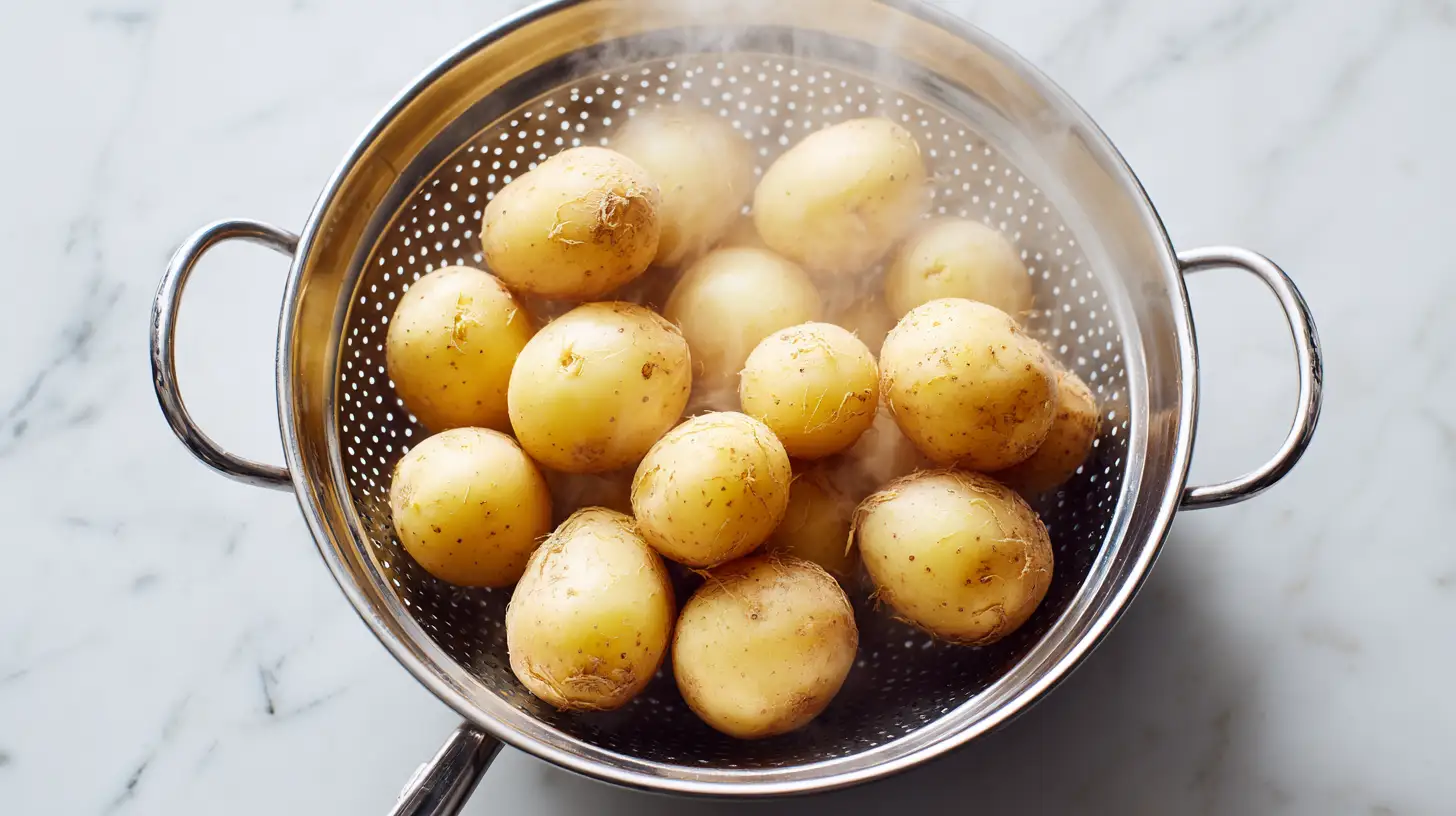
Steaming to Preserve nutrients.
Steaming cooks potatoes without submerging them in water, which means fewer nutrients leach out. Takes 10-15 minutes depending on size.
Use a steamer basket over boiling water. Potatoes cook from steam heat rather than direct water contact. Results are similar to boiling but healthier.
Downside: No flavor absorption from seasoned water. You’re relying entirely on post-cooking seasoning for flavor.
Roasting Raw Potatoes (No Pre-Cooking)
Skip pre-cooking entirely. Cut potatoes small (1-inch cubes maximum), toss with oil and seasonings, and roast at 425-450°F for 45-60 minutes.
Keys to success:
- Cut uniformly so everything cooks evenly.
- Don’t overcrowd pan—leave space between pieces.
- Flip halfway through for even browning.
- Higher temperature helps—450°F better than 400°F.
This method works fine if you’re patient. Takes longer but requires less active work (no boiling pot to watch).
For more roasting techniques, see our chicken and potato recipes.
Step-by-Step Guide to Boiling and Roasting
Selecting Right Potatoes for Boiling and Roasting
- Best choice: Russet (Idaho) potatoes—high starch, fluffy interior, crisp exterior
- Good alternative: Yukon Gold—creamier, slightly waxy, still crisps decently
- Avoid: Red potatoes, fingerlings, new potatoes—they are too waxy, stay firm, don’t crisp well
Boiling Process for Roasting
- Cut potatoes into even pieces (1½ to 2 inches). Uniform size = even cooking.
- Start in cold water (not boiling). Add 1 tablespoon of salt per quart of water.
- Bring to a boil, then reduce to simmer. Cook 7-10 minutes until fork-tender.
- Drain immediately. Don’t let them sit in water.
- Return to the empty pot and shake vigorously to rough up surfaces. This creates texture for crisping.
- Let steam dry 5 minutes before adding oil.
Roasting Technique After Boiling
- Preheat oven to 425°F minimum (450°F is even better for extra crisp).
- Toss dried, roughened potatoes with 2-3 tablespoons of oil (olive, avocado, or vegetable oil).
- Season aggressively: salt, black pepper, and garlic powder minimum. Add rosemary, thyme, or paprika if desired.
- Spread on a baking sheet in a single layer. Don’t overlap or pile up.
- Roast for 25-30 minutes, flipping once halfway through.
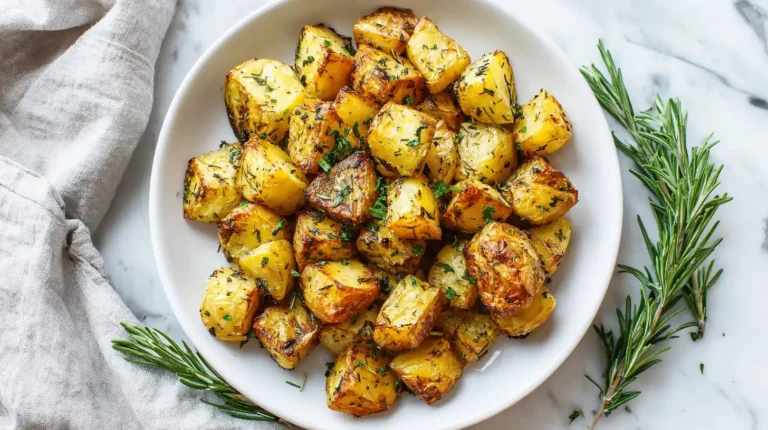
- Potatoes are done when golden brown and crispy. Taste one to check—it should be crispy outside and fluffy inside.
Common Questions About Boiling Before Roasting
Why soak potatoes before roasting?
Soaking removes surface starch, which can make potatoes gummy during roasting. Some recipes recommend 30 minutes in cold water before cooking.
Unnecessary if you’re boiling them—boiling already removes starch. Soaking makes more sense when roasting raw potatoes.
How does Jamie Oliver make roast potatoes?
Jamie Oliver’s method: Parboil potatoes 10 minutes, drain, shake to rough up surfaces, toss with hot oil (sometimes duck fat), and roast at high heat with garlic and rosemary. The roughened surface is key to his extra-crispy results.
Why aren’t my roast potatoes crispy?
Common causes:
- Too wet: Didn’t dry after boiling. Pat them dry.
- Overcrowded pan: Creates steam. Use a larger pan or two pans.
- Temperature too low: The temperature should be at least 425°F. Higher is better.
- Not enough oil: Needs coating to crisp. Don’t be stingy.
- Wrong potato type: Waxy potatoes don’t crisp well. Use Russets.
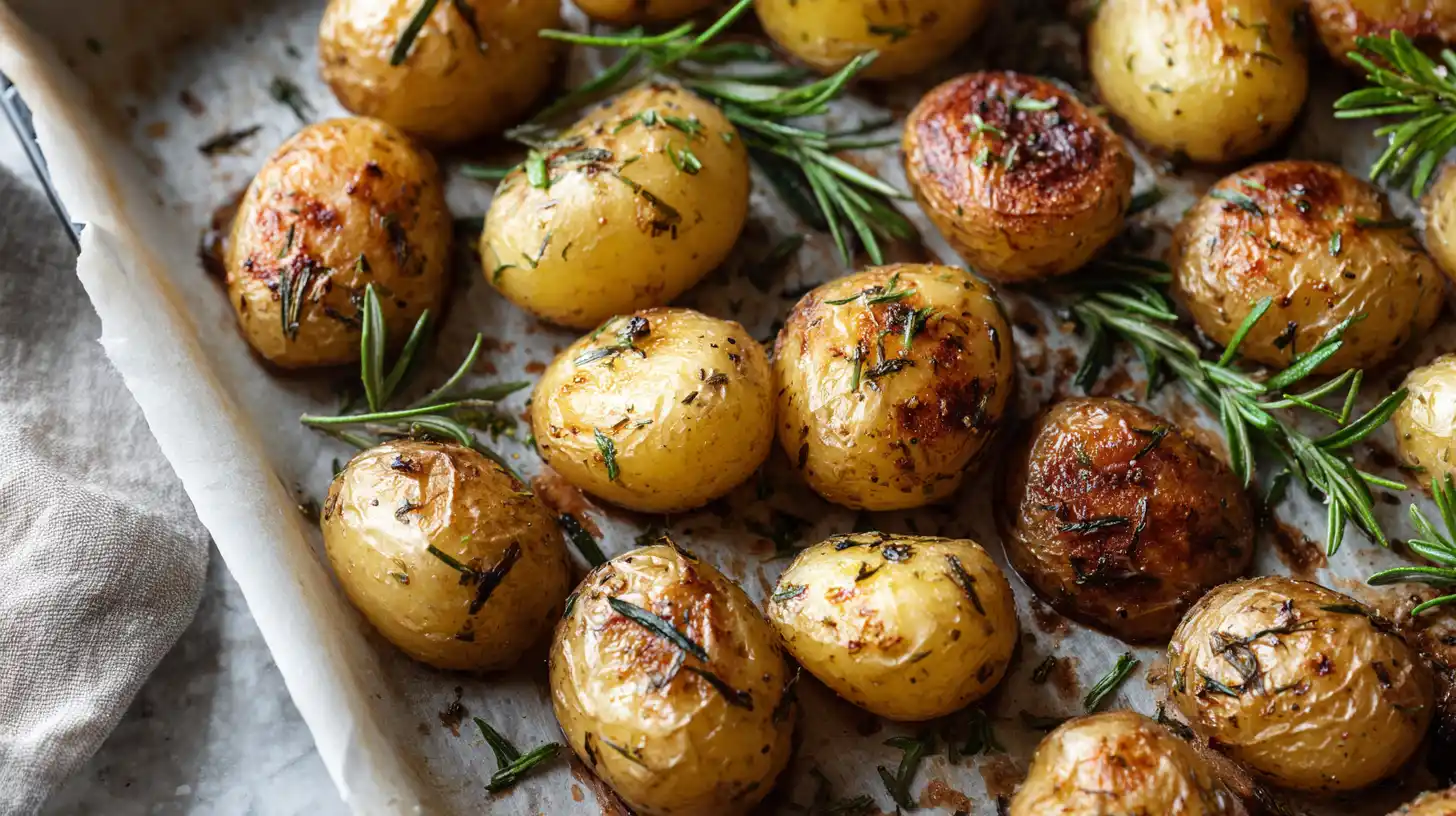
What happens if you skip boiling?
Nothing terrible. Takes longer to roast (45-60 minutes instead of 25-30). Risk of uneven cooking—outside burns before inside softens. Works fine with small pieces and patience.
More FAQs About Boiling and Roasting Potatoes
Can you boil and roast potatoes in advance?
Yes. Boil potatoes, cool completely, and refrigerate up to 24 hours. When ready to serve, toss with oil and seasonings, and roast as usual. They’ll take slightly longer from cold but still work well. Good for meal prep or holiday cooking.
Does boiling work for other vegetables?
Yes. Carrots, parsnips, turnips, and sweet potatoes all benefit from parboiling before roasting. Same principle—softens interior, reduces roasting time, and improves texture. Brussels sprouts and cauliflower also work but need less time (3-4 minutes).
Do professional kitchens boil before roasting?
Many do, especially for large batches. Parboiling ensures consistent results and faster service. Hotels and restaurants often parboil potatoes in the morning, then roast to order during service for efficiency.
What oil works best for roasting?
High smoke point oils: avocado oil (smoke point 520°F), grapeseed oil (420°F), and refined olive oil (465°F). Avoid butter alone (it burns too easily), but you can mix butter with oil for flavor. Duck fat or beef drippings are a traditional British choice—very flavorful but not vegetarian.
Does potato size matter?
Absolutely. Small pieces (1 inch) roast through without boiling. Medium chunks (1½-2 inches) benefit from parboiling. Large pieces (2+ inches) need full boiling, or they won’t cook through before burning. Cut uniformly—mixed sizes cook unevenly.
Final Verdict on Boiling Potatoes Before Roasting
Whether to boil potatoes before roasting depends on priorities. Boiling saves time (25-30 minutes roasting vs 50-60), creates fluffier interiors, and makes crispier exteriors through roughened surfaces. Drawbacks include extra steps, nutrient loss, and risk of overcooking.
Alternatives work too: parboiling (3-5 minutes), steaming (10-15 minutes), or roasting raw (45-60 minutes). Each method has tradeoffs between time, effort, and results.
My recommendation: Boil large potato chunks (1½ inches or bigger) for better results. Skip boiling for small pieces (1 inch) that roast quickly anyway. Use parboiling as a compromise when you’re unsure.
The “best” method is whichever fits your schedule and produces potatoes you like eating. Try both ways and see which you prefer. For more potato cooking methods, explore our complete roasted potato guide.