Brioche Recipe
I’ve burned brioche. I’ve made brioche that came out dense as a brick. I’ve made brioche that looked perfect but tasted like cardboard. And I’ve made brioche so good that I ate half the loaf standing at the counter before it even cooled. What distinguishes all those versions from one another? Understanding what truly matters and what doesn’t is crucial.
Brioche isn’t complicated, but it is precise. You need the right ratios, the right technique, and most importantly, patience. Rush it and you’ll get disappointing results. Take your time and you’ll end up with rich, buttery bread that makes everything else taste boring. For more bread-based breakfast ideas, refer to our Southern Cornbread Recipe.
What Brioche Actually Is
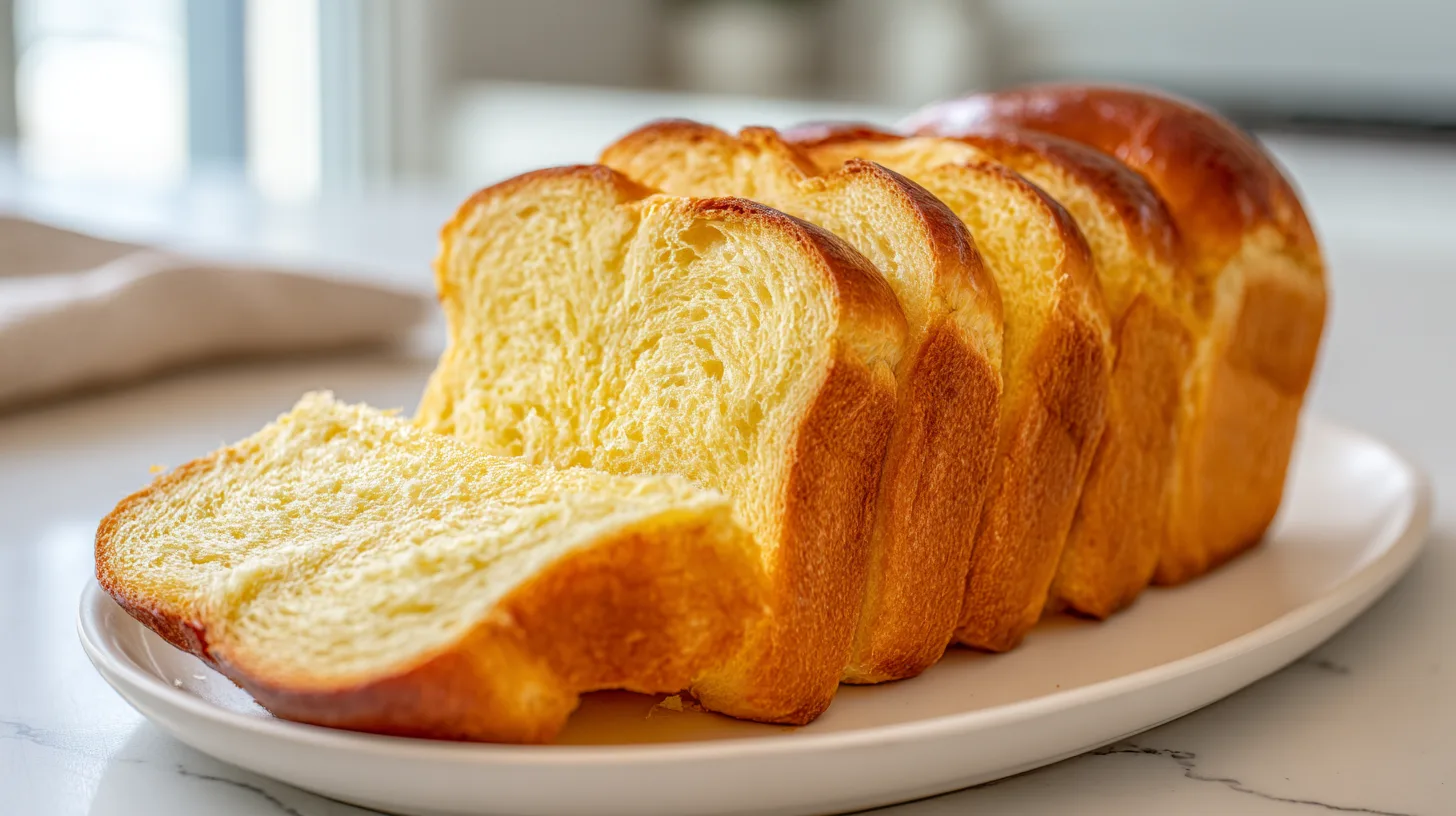
Brioche is an enriched French bread. That means it’s loaded with butter, eggs, and sometimes milk—ingredients that make it richer and more tender than regular bread. The texture sits somewhere between bread and pastry. It’s soft, slightly sweet, and has a yellow color from all those egg yolks.
The butter content is what makes brioche special. We’re talking about using almost as much butter as flour, which sounds insane until you taste it. That butter creates the tender crumb and rich flavor that makes brioche worth the effort.
Ingredients That Actually Matter
The Right Flour: Brioche Recipe
Use bread flour, not all-purpose. The higher protein content in bread flour gives you better structure, which you need because all that butter and eggs makes the dough soft and heavy. All-purpose flour works in a pinch, but bread flour gives you better results.
Butter Quality Matters
Use excellent butter. European-style butter with higher fat content (82% vs 80%) makes a noticeable difference in flavor and texture. The butter needs to be soft but not melted—about room temperature. Cold butter won’t incorporate properly, and melted butter will make the dough greasy.
Eggs and Yeast
Room temperature eggs mix in easier. Cold eggs from the fridge can cool down your dough and slow fermentation. I use instant yeast because it’s more reliable than active dry, but either works. Just make sure your yeast isn’t expired—dead yeast means flat dough.
How to Make Brioche Recipe
What You Need
- 500 g (4 cups) bread flour
- 50 g (1/4 cup) sugar
- 10 g (2 tsp) salt
- 7 g (2 1/4 tsp) instant yeast
- 4 large eggs, room temperature
- 60 ml (1/4 cup) whole milk, warm
- 340 g (1 1/2 cups) unsalted butter, softened
- 1 egg for egg wash
Mixing the dough.
Mix flour, sugar, salt, and yeast in your stand mixer bowl. Add eggs and warm milk. Mix on low speed until everything comes together into a shaggy dough. This takes about 2 minutes.
Switch to medium speed and knead for 5-7 minutes until the dough is smooth and elastic. It should pull away from the sides of the bowl but still stick to the bottom. If it’s too dry, add milk a tablespoon at a time. Too wet? Add flour the same way.
Adding the Butter (The Critical Part)
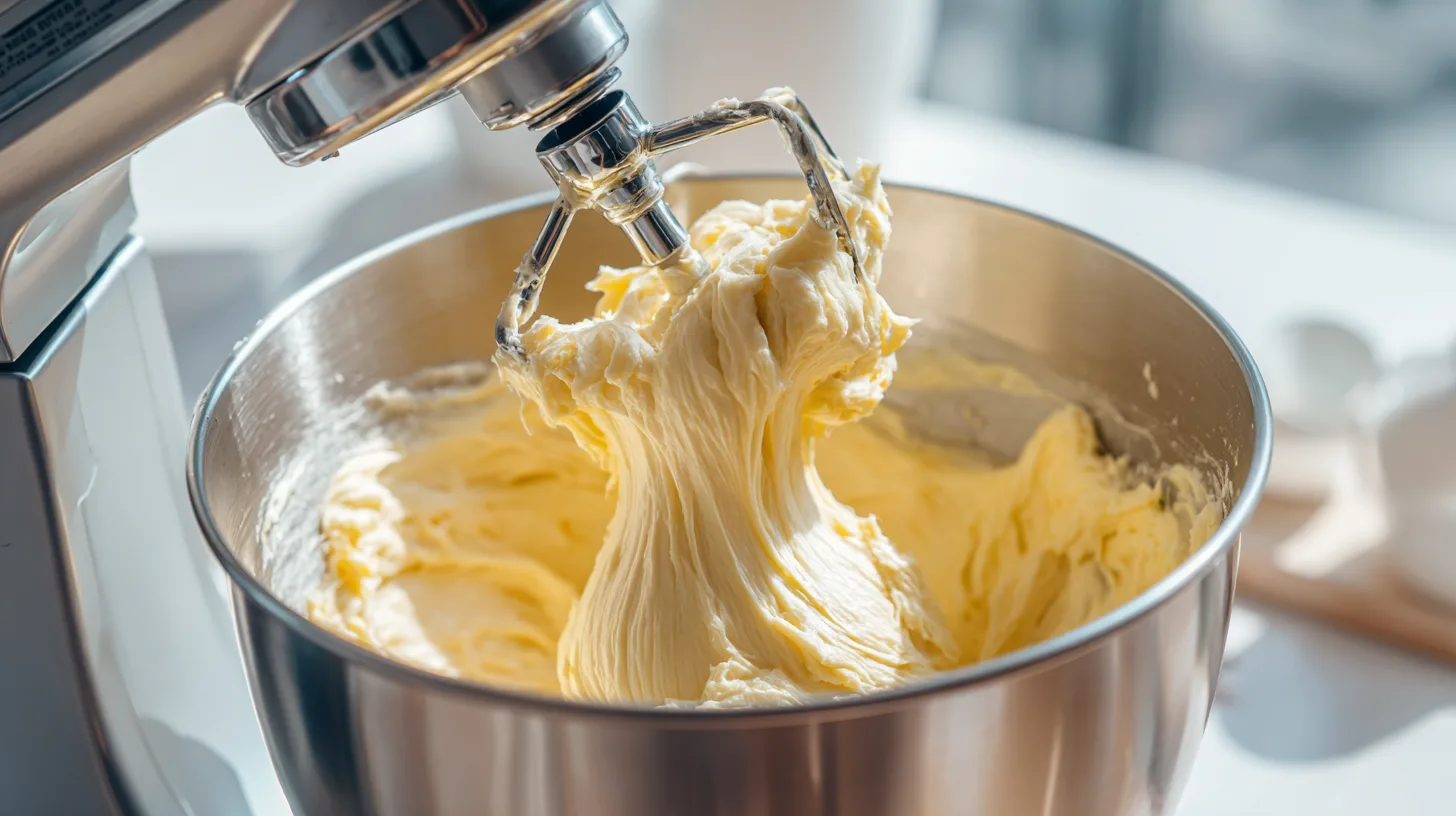
This is where most people mess up. Add the softened butter a few tablespoons at a time while the mixer runs on medium speed. Don’t dump it all in at once. Each addition needs to be fully incorporated before you add more.
This process takes 10-15 minutes. Yes, it takes that long. The dough will look like a greasy mess at first, then gradually come together into a smooth, glossy, slightly sticky dough. When it’s ready, it should be soft, shiny, and pull away from the bowl in sheets.
First Rise
Put the dough in a lightly greased bowl, cover with plastic wrap, and let it rise at room temperature for 1.5–2 hours until it doubles. Then punch it down, cover it, and refrigerate it overnight. This cold fermentation develops better flavor. You can skip the first step and go straight to shaping, but an overnight cold rise makes better brioche.
Shaping
Take the cold dough from the fridge. It’s easier to work with when cold. Divide it based on what you’re making:
For a loaf: Shape into a log and place in a greased 9×5 loaf pan.
For rolls: Divide into equal pieces (60-80 g each), shape into tight balls, and place on a lined baking sheet with space between them.
For classic brioche à tête: Divide dough, save 1/4 for the “head.” Shape the larger portion into balls, and place them in greased brioche molds. Make a deep indent, and place a small ball on top.
Second Rise
Cover the shaped dough loosely with plastic wrap. Let rise at room temperature for 1-2 hours until puffy and almost doubled. It should jiggle when you gently shake the pan.
Eggwashing and Baking
Preheat oven to 375°F (190°C). Mix one egg with a tablespoon of water. Gently brush this mix over the risen dough. Don’t press down—you’ll deflate it.
Bake loaves for 30-35 minutes and rolls for 15-20 minutes, until deep golden brown. Internal temperature should hit 190°F (88°C). If the top browns too quickly, tent with foil.
Let cool in the pan for 10 minutes, then transfer to a wire rack. It’s tempting to cut into it immediately, but let it cool for at least 20 minutes. Hot brioche is too soft and gummy.
Common Problems and Fixes
Dense, Heavy Brioche
Causes: Under-kneaded dough, not enough rising time, or too much flour.
Fix: Knead until the dough is truly smooth and elastic. Let it rise until actually doubled, not just slightly puffed. Measure flour accurately.
Greasy Texture
Cause: Butter added too quickly or butter was too soft/melted.
Fix: Add butter gradually and make sure it’s softened but not greasy when you start.
Dough Didn’t Rise
Causes: Dead yeast, too cold an environment, or too much salt added directly to yeast.
Fix: Check yeast expiration date. Keep dough in a warm (75-80°F) spot. Mix salt with flour before adding wet ingredients.
Ways to Change It Up
Chocolate Brioche
Fold in 200 g chocolate chips after the first rise. Or make chocolate babka by rolling out the dough, spreading it with Nutella, rolling it up, and baking it in a loaf pan.
Savory Brioche
Reduce sugar to 2 tablespoons. Add 100 g shredded cheese and herbs (rosemary, thyme) after incorporating butter. Makes excellent burger buns or sandwich bread. For more savory breakfast options, try our Breakfast Pizza Recipe.
How to Use Brioche
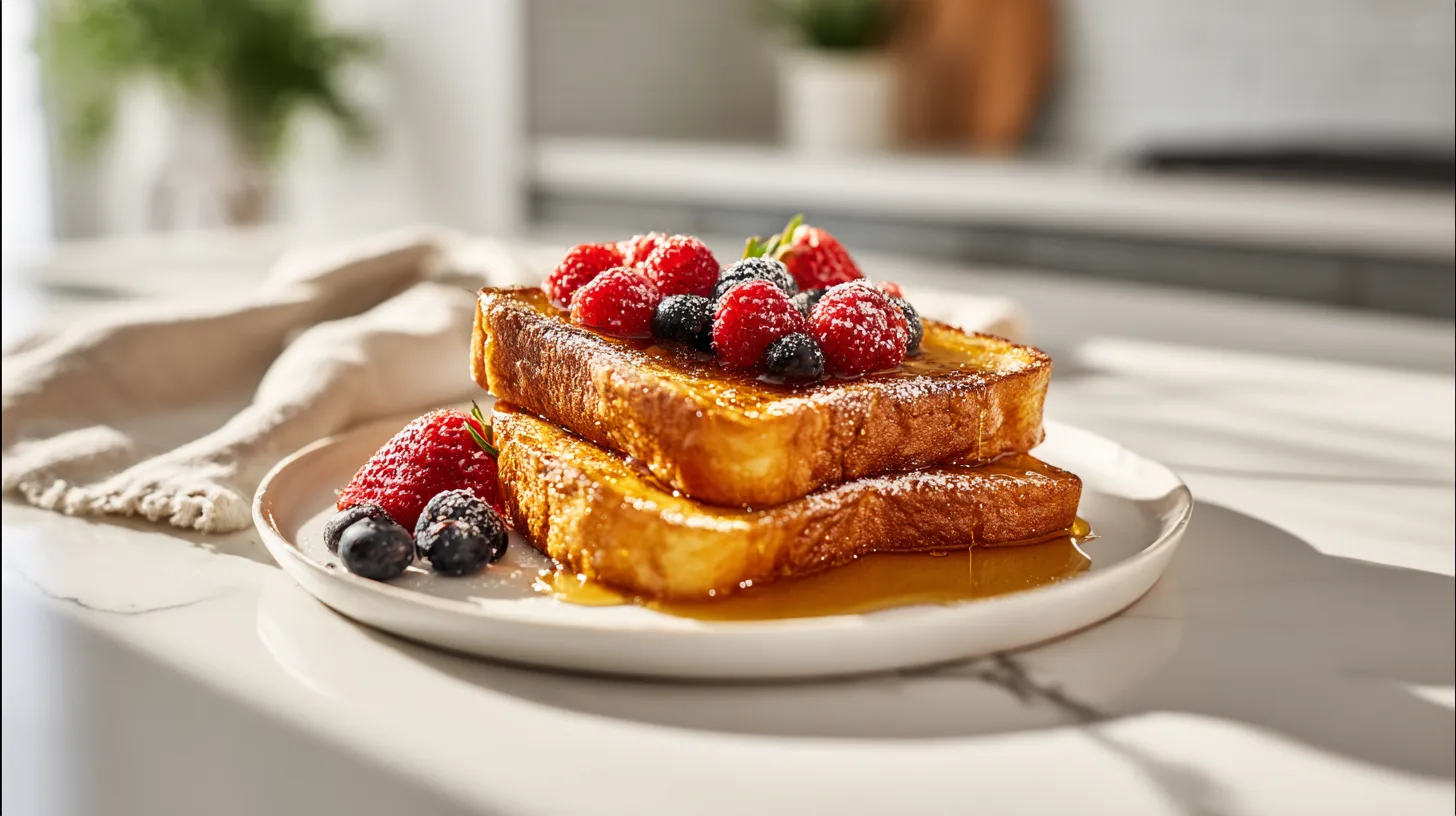
- French toast: The best French toast you’ll ever make. The rich bread soaks up the egg mixture perfectly.
- Bread pudding: Cubes of stale brioche make incredible bread pudding.
- Burgers: Brioche buns take burgers to another level.
- Just toast it: with butter and jam. Sometimes simple is best.
Storage
Room temperature: 2-3 days in an airtight container or bag.
Refrigerator: Up to a week, but it dries out faster. Warm slices in the toaster before eating.
Freezer: Wrap tightly in plastic wrap, then foil. Freeze for up to 3 months. Thaw at room temperature or toast frozen slices.
Common Questions
Can I substitute ingredients?
Butter: No excellent substitutes. Margarine or oil won’t give you the same flavor or texture. Flour: All-purpose works but gives slightly less structure. Eggs: Need the eggs—they’re not optional.
How long does the process actually take?
Active time: About 45 minutes. Total time with rising: 4–5 hours, or overnight if you do the cold rise (recommended). It’s not quick, but most of that time is hands-off.
Do I need a stand mixer?
Highly recommended. You can do it by hand, but incorporating all that butter manually is exhausting. A stand mixer makes this much easier.
Bottom Line
Brioche takes time and patience, but it’s not actually difficult. The key to success is using good ingredients, applying proper technique when adding the butter, and not rushing the rising process. Do those things right and you’ll get rich, tender, buttery bread that makes everything else seem ordinary.
Start with the basic recipe. Once you nail that, experiment with different shapes and flavors. Make French toast, bread pudding, or just eat it warm with butter. However you use it, homemade brioche is worth the effort. For more baking recipes, explore our complete Breakfast Recipes collection.
Related Recipes
Homemade Brioche
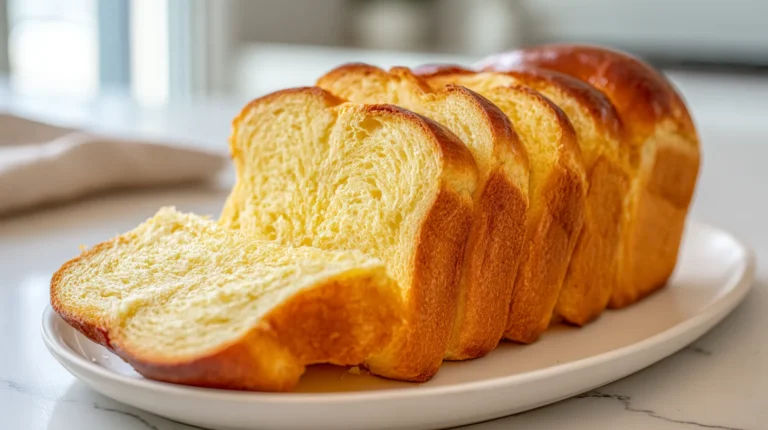
Homemade brioche is a rich, buttery enriched French bread with a tender, golden crumb from all those eggs and butter. It takes time and patience rather than skill — the key is incorporating the butter slowly and not rushing the rises. Use it for the best French toast, bread pudding, or burger buns, or just eat it warm with butter and jam.
Ingredients
- 500 g bread flour (about 4 cups)
- 50 g sugar (about ¼ cup)
- 10 g salt (about 2 tsp)
- 7 g instant yeast (about 2¼ tsp)
- 4 large eggs (room temperature)
- 60 ml whole milk (warm, about ¼ cup)
- 340 g unsalted butter (about 1½ cups, softened)
- 1 egg (for egg wash)
Instructions
- Mix the flour, sugar, salt, and yeast in a stand mixer bowl. Add the eggs and warm milk and mix on low speed until it comes together into a shaggy dough, about 2 minutes.
- Switch to medium speed and knead 5-7 minutes until smooth and elastic — the dough should pull away from the sides but still stick to the bottom. Adjust with milk or flour a tablespoon at a time if needed.
- Add the softened butter a few tablespoons at a time on medium speed, fully incorporating each addition before adding more. This takes 10-15 minutes; the dough goes from a greasy mess to smooth, glossy, and slightly sticky, pulling away from the bowl in sheets.
- First rise: place the dough in a lightly greased bowl, cover, and let rise at room temperature 1.5-2 hours until doubled. Punch down, cover, and refrigerate overnight for the best flavor.
- Shape the cold dough: for a loaf, shape into a log and place in a greased 9x5 pan; for rolls, divide into 60-80 g balls; for brioche à tête, use a small ball on top of a larger one in brioche molds.
- Second rise: cover loosely and let rise at room temperature 1-2 hours until puffy and almost doubled (it should jiggle when you gently shake the pan).
- Preheat oven to 375°F (190°C). Gently brush with egg wash (1 egg + 1 tbsp water) without pressing down.
- Bake loaves 30-35 minutes (rolls 15-20) until deep golden brown and the internal temperature reaches 190°F (88°C); tent with foil if browning too fast. Cool in the pan 10 minutes, then transfer to a wire rack and let cool at least 20 minutes before slicing.
Notes
Refrigerate dough overnight for best flavor — the cold fermentation develops a richer taste.
Use bread flour for structure and good butter (European-style 82% makes a noticeable difference). Keep ingredients at room temperature.
Add the butter gradually and don't rush the rises; a warm spot (75-80°F) helps the dough rise.
Variations: chocolate brioche (fold in 200 g chocolate chips, or make a Nutella babka) or savory (reduce sugar, add 100 g shredded cheese and herbs). A stand mixer is highly recommended for incorporating the butter.