Most Popular Squash Recipes
I made butternut squash soup for a potluck once without tasting it first. Forgot to add salt. Brought this giant pot of bland orange liquid that tasted like hot water with squash color. People were polite, but I saw them reaching for salt shakers. That embarrassment taught me squash needs aggressive seasoning—its mild flavor requires bold spices and proper salt to make it actually taste excellent.
Squash works in everything from soups to desserts because it takes on whatever flavors you impart it. The texture changes based on cooking method—roasting makes it sweet and caramelized, boiling keeps it soft for soups, and grilling adds char. Once you understand which squash variety works for which dish, you can make it taste like anything. For more vegetable recipes, check out our vegetarian soup ideas.
Understanding Different Squash Varieties for Popular Recipes
Summer Squash Varieties in Popular Recipes
Summer squash = thin skin, high water content, and cooks fast. Eat skin and all.
- Zucchini: Most common. Mild flavor, works raw or cooked. Good for: spiralized “noodles,” grilled slices, stuffed boats, bread/muffins. Texture gets mushy if overcooked.
- Yellow squash: Slightly sweeter than zucchini. Same uses. The curved neck variety is easier to slice evenly than the straight kind.
- Pattypan: Small, round, scalloped edges. Cute for presentation. Hollow out the vegetables and stuff them whole for individual servings.
Summer squash goes stale fast—use within 3-4 days of buying. Store it in a crisper drawer.
Winter Squash Varieties in Popular Recipes
Winter squash = hard skin (must peel), dense flesh, and stores for months. It requires a longer cooking time but yields a richer flavor.
- Butternut: Most popular. The flavor is sweet and nutty. Smooth texture when cooked. Best for: soups, purees, and roasting. The pear shape makes it easier to peel than round squashes.
- Acorn: Small, ridged, and dark green. Slightly less sweet than butternut. Good for stuffing (size of one serving). Can eat skin after roasting.
- Spaghetti squash: Yellow, oval. Flesh shreds into noodle-like strands after cooking. Use as a low-carb pasta substitute. Bland—needs sauce.
- Kabocha: Japanese pumpkin. Very sweet, almost chestnut-like. Dense, dry texture. Skin is edible after cooking.
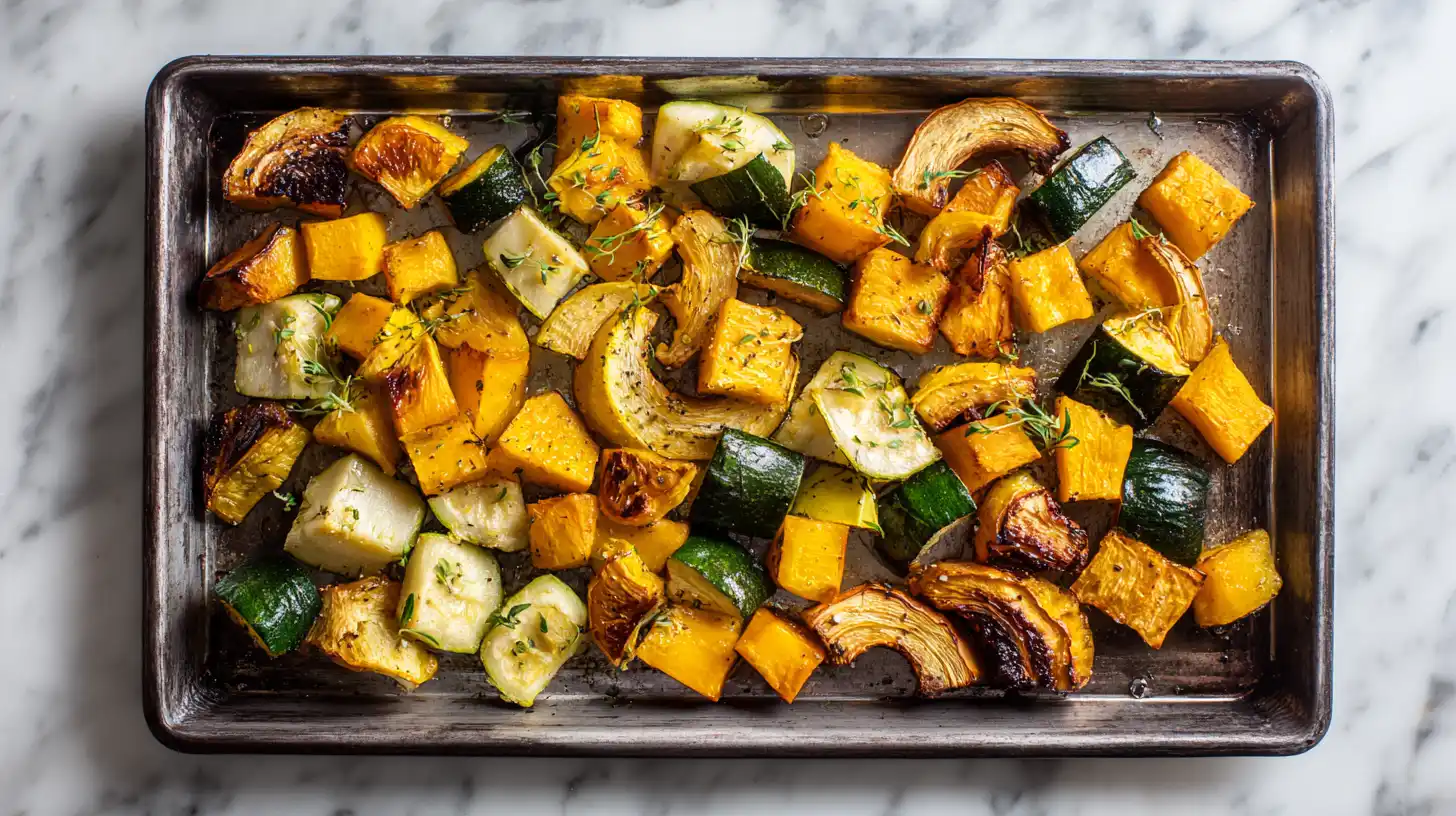
- Delicata: Cream-colored with green stripes. Thin skin can be eaten. Sweet flavor. Roasts quickly (20-25 minutes).
Winter squash lasts for 2–3 months when stored in a cool, dark place. Don’t refrigerate—it makes it deteriorate faster.
Top 10 Most Popular Squash Recipes
1. Butternut Squash Soup—Most Popular Recipe
Classic fall soup. The soup is creamy, slightly sweet, and comforting.
Basic method: Roast butternut squash chunks (450°F, 25-30 minutes) with onions and garlic. Blend with vegetable broth until smooth. Season with nutmeg, cinnamon, salt, and pepper. Add cream or coconut milk for richness.
Common mistake: Under-roasting the squash. It needs caramelization for depth—don’t rush it.
2. Roasted Acorn Squash in Popular Recipes
Cut in half, scoop seeds, and roast cut-side up at 400°F for 35-40 minutes.
Sweet version: Brush with melted butter, brown sugar, and cinnamon before roasting.
Savory version: Olive oil, salt, pepper, fresh thyme, or rosemary.
Skin becomes edible after roasting—scoop flesh with skin for extra texture.
3. Spaghetti Squash Carbonara Recipe
This recipe serves as an effective low-carb pasta substitute.
- Roast spaghetti squash whole (poke holes first): 400°F for 45-60 minutes until tender.
- Cut in half, scrape out strands with a fork.
- Toss with crispy bacon, eggs, Parmesan, and black pepper (classic carbonara ingredients).
Key: Drain squash well—it’s watery. Press between paper towels, or it’ll make the sauce runny.
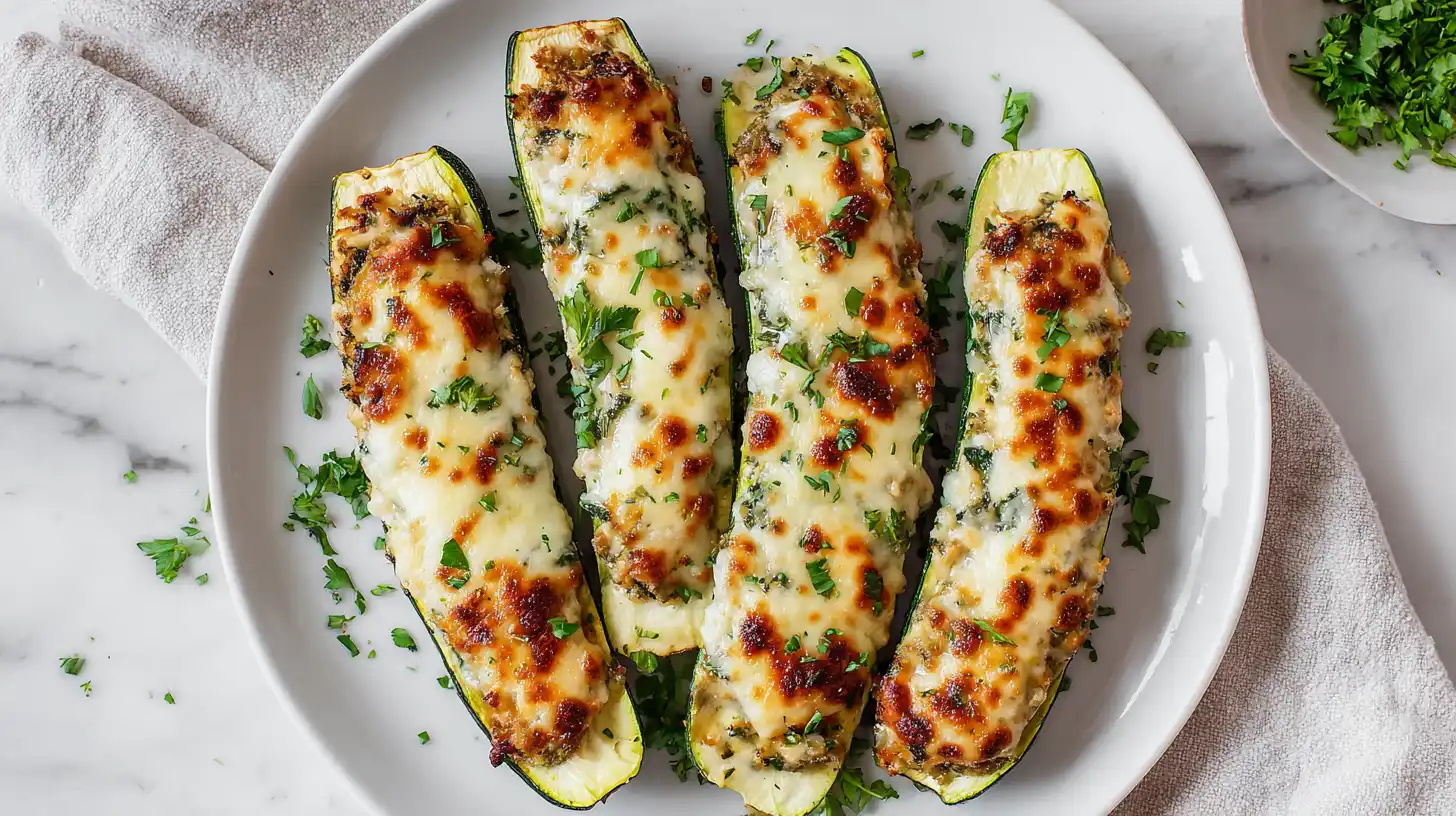
4. Stuffed Zucchini Boats—Popular Squash Recipe
Hollow out zucchini halves lengthwise. Fill with seasoned ground meat, quinoa, rice, or vegetarian filling. Top with cheese. Bake at 375°F for 25-30 minutes.
Filling ideas:
- Ground turkey + marinara + mozzarella (Italian style)
- Ground beef + taco seasoning + cheddar (Mexican style)
- Quinoa, feta, and sun-dried tomatoes (Mediterranean style)
5. Summer Squash Casserole Recipe
Southern classic. Layers of sliced yellow squash and zucchini with cheese, onions, and crunchy topping.
Basic structure: Sauté squash with onions. Layer a baking dish with shredded cheddar. Top with crushed Ritz crackers mixed with melted butter. Bake at 350°F for 30 minutes.
Pair with dishes from our Southern cornbread recipe.
6. Crispy Squash Fritters—Popular Recipe
Grated zucchini or yellow squash mixed with eggs, flour, cheese, and seasonings. Form into patties, and pan-fry until golden.
Critical step: Squeeze grated squash in a clean kitchen towel to remove excess water. Wet batter = soggy fritters that fall apart.
7. Butternut Squash Risotto
Creamy Italian rice dish with sweet squash cubes.
Method: Roast butternut cubes separately. Make risotto by slowly adding warm broth to Arborio rice while stirring constantly. Fold in roasted squash, Parmesan, and butter at the end. Garnish with fried sage leaves.
Takes 25-30 minutes of constant stirring but worth it.
8. Squash and Sage Ravioli Recipe
Fancy but doable. Roasted butternut squash puree mixed with ricotta, Parmesan, and nutmeg for filling. You can either use homemade or store-bought pasta sheets for this dish.
Brown butter sage sauce: Melt butter until nutty and brown (watch carefully—it goes from brown to burnt fast). Add fresh sage leaves, and toss with cooked ravioli.
9. Grilled Squash Skewers—Popular Recipe
Cut zucchini and yellow squash into thick rounds or chunks. Thread on skewers alternating with cherry tomatoes, bell peppers, and onions.
Marinade: Olive oil, lemon juice, garlic, Italian herbs, salt, and pepper. Marinate for 30 minutes. Grill on medium-high heat for 8–10 minutes, turning occasionally.
10. Squash Bread and Muffins
Like zucchini bread—moist, sweet, with warm spices.
Use: Grated zucchini or yellow squash (squeeze out excess moisture first). Add to quick bread batter with cinnamon, nutmeg, and vanilla. Fold in nuts or chocolate chips (optional).
Bakes at 350°F: loaf 50-60 minutes, muffins 20-25 minutes.
Expert Tips for Cooking Popular Squash Recipes
How to Choose Squash for Popular Recipes
Summer squash: Firm, no soft spots, shiny skin. Smaller is better (large ones have big seeds and watery texture). 6-8 inches is ideal.
Winter squash: Heavy for size, hard rind, no cracks or soft spots. Dull skin (shiny means picked too early). The stem should be dry and intact.
Preparing Squash for Popular Recipes
Peeling butternut squash hack: Microwave whole squash 2-3 minutes. Skin softens and peels easily with a vegetable peeler.
Cutting safely: Cut a small flat spot on the bottom first so the squash doesn’t roll. Use a sharp chef’s knife and apply steady pressure—don’t hack at it.
Removing seeds: A spoon works, but an ice cream scoop is faster and cleaner.
Best Cooking Methods for Popular Squash Recipes
- Roasting: 400-450°F, 25-40 minutes depending on size. Best for bringing out sweetness.
- Steaming: 10-15 minutes. Preserves nutrients but less flavor than roasting.
- Sautéing: Summer squash only. Cut thin, cook in hot pan 5-7 minutes. Don’t overcrowd, or it will steam instead of brown.
- Grilling: Cut thick (½ inch minimum) or it falls through grates. Brush with oil. Cook on medium-high heat for 4-5 minutes on each side.
Common Mistakes in Popular Squash Recipes
- Undercooking winter squash: It should be fork-tender, not crunchy.
- Overcooking summer squash: Turns to mush. Should still have a slight bite.
- Not draining properly: Squash is watery. Salt it and let it drain, or squeeze it in a towel before using it in recipes.
- Under-seasoning: Squash is bland. Squash requires the addition of salt, acid (lemon), and bold flavors (garlic, herbs, and spices).
Seasonal Squash Recipes
Fall and Winter: Popular Squash Recipes
Focus on winter squash varieties. Warm, comforting dishes.
- Butternut squash soup with crusty bread
- Roasted acorn squash with maple syrup
- Squash casserole for Thanksgiving
- Butternut squash mac and cheese
Spring and Summer Popular Squash Recipes
Light, fresh dishes with summer squash.
- Grilled zucchini with lemon
- Zucchini noodles with pesto
- Raw zucchini ribbons in salads
- Stuffed zucchini boats on the grill
FAQ About Most Popular Squash Recipes
What’s the most popular way to cook squash?
Roasting wins. High heat (400-450°F) caramelizes natural sugars, creates crispy edges, and concentrates flavor. Works for all squash varieties. Toss with olive oil, salt, and pepper at a minimum—add other seasonings as desired.
Which squash tastes best?
Butternut for sweet dishes and soups—naturally sweet, smooth texture. Kabocha for intense squash flavor—almost nutty. Delicata for quick cooking—thin skin, very sweet. Depends on what you’re making.
How long does cooked squash last?
Refrigerate in an airtight container: 3-5 days. Freeze: up to 3 months (texture changes slightly but fine for soups and purees). Don’t freeze raw summer squash—it’s too watery and turns to mush.
Can I substitute different squash varieties in recipes?
Occasionally. Within the same category, yes: butternut ↔ acorn ↔ kabocha work interchangeably. Can’t swap summer for winter or vice versa—completely different textures and water content. Spaghetti squash is unique, with no good substitutes.
Is squash healthy?
Very. Low calorie (40-80 calories per cup depending on variety), high fiber, and loaded with vitamin A (especially winter squash—orange color indicates beta-carotene). It is also a good source of vitamin C, potassium, and magnesium. Naturally fat-free.
Final Thoughts on Popular Squash Recipes
Squash succeeds in recipes because it adapts to whatever flavors you pair it with. Sweet preparations work (brown sugar, cinnamon, and maple syrup). Savory works (garlic, herbs, Parmesan). The key is understanding which variety suits which cooking method—winter squash for roasting and soups, summer squash for quick sautés and grilling.
The most common mistake is forgetting that squash needs bold seasoning. Its mild flavor serves as a foundation, not a final dish. Salt generously, add acid for brightness, and use aromatic herbs and spices. Master these basics, and every squash recipe works. For more vegetable-based recipes, explore our complete vegetarian guide.