What to serve with eggplant parmesan?
I served eggplant Parmesan for the dinner party, thinking it would be a complete meal on its own. Made beautiful layered eggplant with marinara and mozzarella, baked until bubbly. Put it on the table with nothing else. Guests looked at their plates, then at each other, then politely asked if there was bread or salad coming. The problem was eggplant Parmesan is rich and heavy—it needs lighter contrasting sides to balance richness and provide textural variety. Serving it alone feels incomplete and overwhelming. One rich dish dominating the plate makes the meal feel unbalanced regardless of how good that dish tastes.
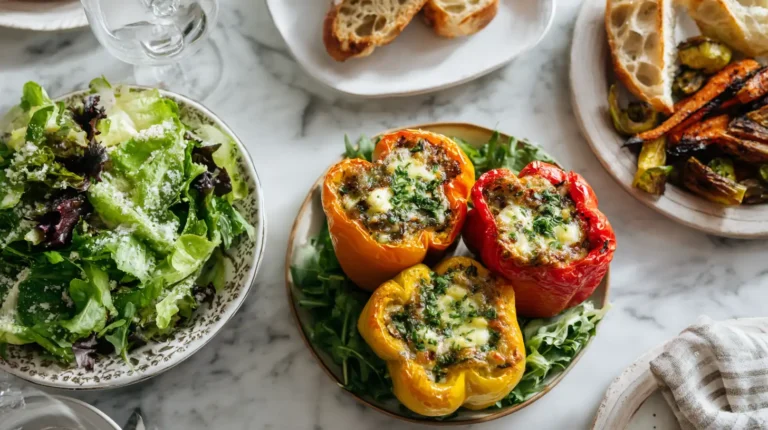
Eggplant Parmesan sides work when they provide contrast (fresh vs rich, crunchy vs soft, light vs heavy) or complement without competing, not when you serve nothing or choose sides that add more heaviness. Need fresh salads for acidity, crusty bread for texture, or light vegetables to cut through cheese and tomato sauce richness. The goal is a balanced plate where eggplant Parmesan remains the star, but supporting elements make the meal feel complete and thoughtfully composed.
Why Eggplant Parmesan Needs Sides
Richness Problem
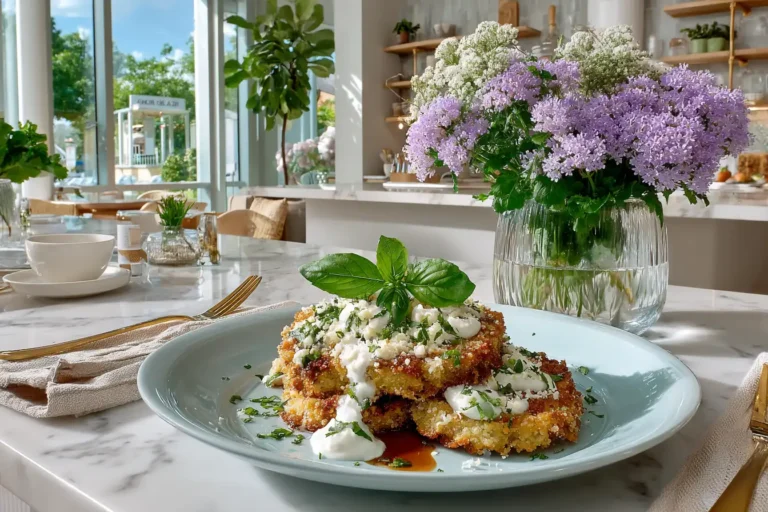
Eggplant Parmesan contains breaded fried eggplant, tomato sauce, mozzarella, and Parmesan cheese—all rich, heavy ingredients. Eating this alone without any contrast becomes overwhelming quickly. After a few bites, you want something fresh or acidic to reset your palate.
This is why Italian meals traditionally include multiple courses and sides—not just to show off, but because rich dishes need balance for an enjoyable eating experience.
Texture Variety
Eggplant Parmesan is soft throughout—breading softens in sauce, eggplant is tender, and cheese melts. Need contrasting textures like crunchy salad greens, crisp bread crust, or firm roasted vegetables to make the meal visually appealing.
Monotone texture makes food boring regardless of flavor quality.
Fresh Salad Sides
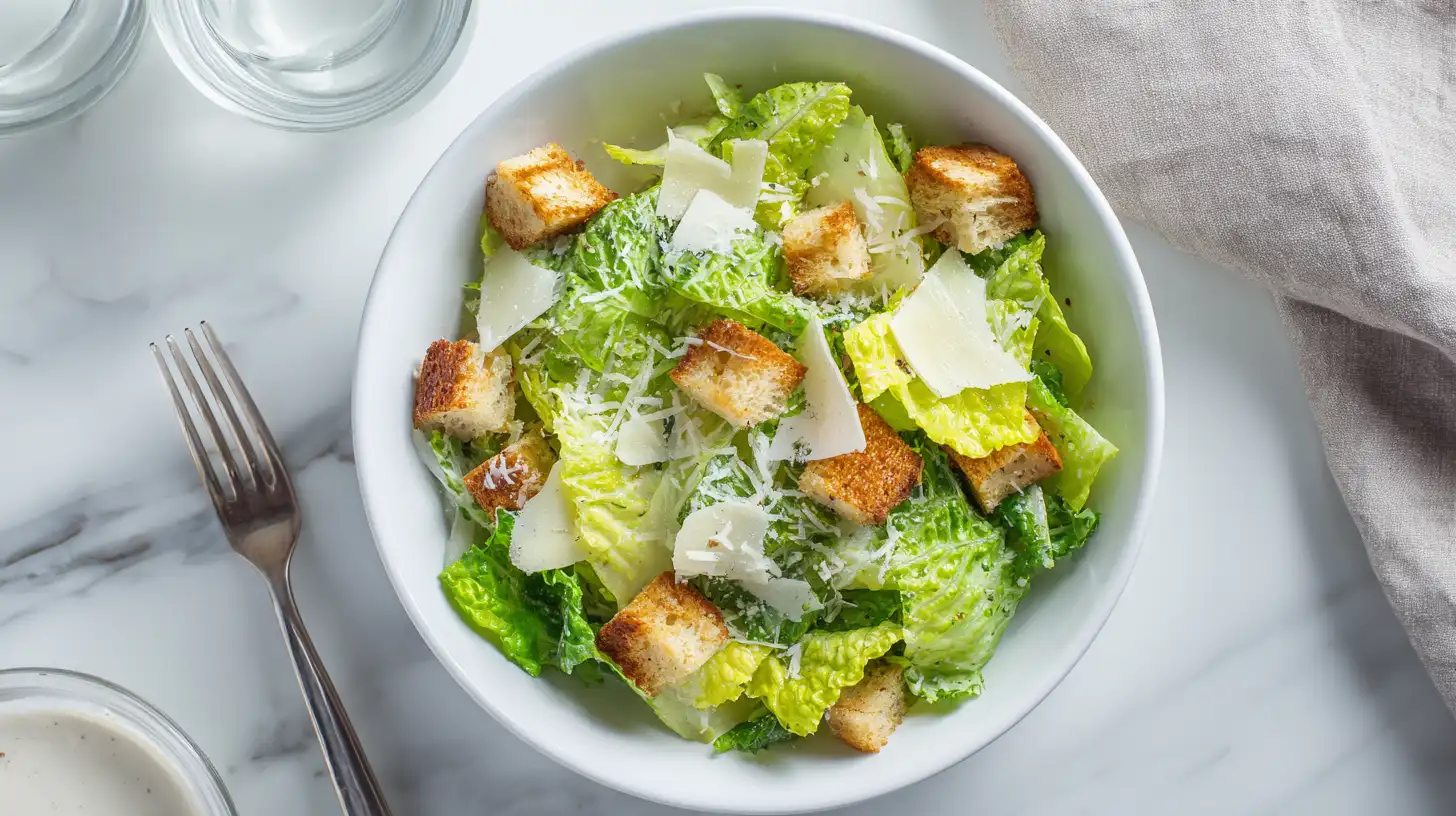
Caesar Salad
Classic Caesar with crisp romaine, crunchy croutons, shaved Parmesan, and tangy dressing provides perfect contrast. The acidity in the dressing cuts through eggplant’s richness. Croutons add textural crunch missing from the soft eggplant dish.
Keep it simple: Don’t add protein to Caesar when serving with eggplant Parmesan—too much food. The dish should consist solely of lettuce, croutons, cheese, and dressing.
Caprese Salad
Fresh mozzarella, ripe tomatoes, basil leaves, balsamic glaze, and olive oil. Lighter than Caesar, it complements Italian flavors without competing. The fresh basil and acidic balsamic brighten the heavy eggplant dish.
Timing matters: Make Caprese shortly before serving. Pre-made hours ahead, it becomes watery and sad-looking.
Simple Arugula Salad
Peppery arugula, lemon juice, olive oil, shaved Parmesan, salt, and pepper. Takes 2 minutes to make. The peppery bite contrasts with mild eggplant; lemon adds brightness.
Bread Options
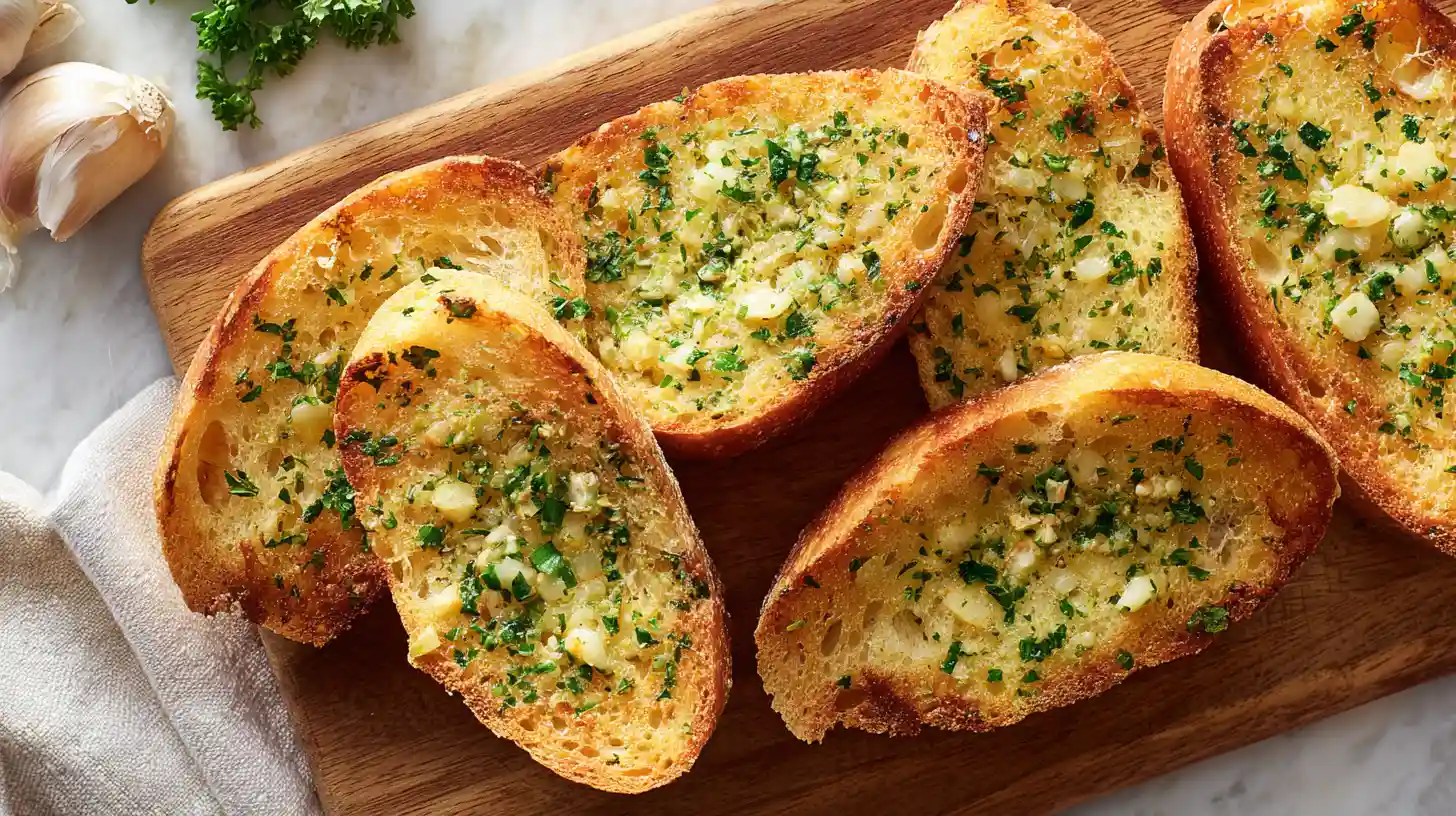
Garlic Bread
Crusty Italian bread, butter, minced garlic, parsley, toasted until golden. Perfect for soaking up extra marinara sauce on the plate. The crispy edges provide textural contrast.
Don’t overdo garlic: too much raw garlic makes breath overwhelming and competes with eggplant’s seasoning. Use a moderate amount and toast well to mellow the flavor.
Focaccia
Soft, olive oil-rich Italian flatbread with rosemary and sea salt. Less aggressively flavored than garlic bread—lets eggplant Parmesan remain the focus. The olive oil richness complements rather than fights.
Serve warm, torn into pieces rather than sliced—more rustic and inviting.
Vegetable Sides
Roasted Vegetables
Best choices:
- Zucchini and bell peppers: Cut into chunks, toss with olive oil, Italian seasoning, salt, roast at 425°F until edges caramelized (20-25 minutes)
- Broccoli: Florets roasted with garlic and lemon zest until crispy edges form
- Cauliflower: Roasted until golden with Parmesan and breadcrumbs
Roasting concentrates vegetable sweetness and creates a crispy texture that contrasts with soft eggplant.
Sautéed Spinach
Garlic, olive oil, fresh spinach, salt, and a pinch of red pepper flakes. Cooks in 5 minutes. Provides a green vegetable component, and garlic complements Italian flavors without overwhelming.
Don’t overcook: Spinach should be wilted but still bright green. Overcooked spinach turns dark, mushy, and bitter.
Light Pasta Sides
Controversial opinion: Serving pasta with eggplant Parmesan feels excessive to some people (carbs on carbs), but it’s a traditional Italian approach. If doing this, keep pasta very simple and portions small.
Spaghetti Aglio e Olio
Spaghetti, olive oil, garlic, red pepper flakes, and parsley. No heavy sauce competing with eggplant’s marinara. The garlic and oil provide flavor without adding more tomato or cheese richness.
Serve small portions—this is a side, not a second main dish.
Simple Penne
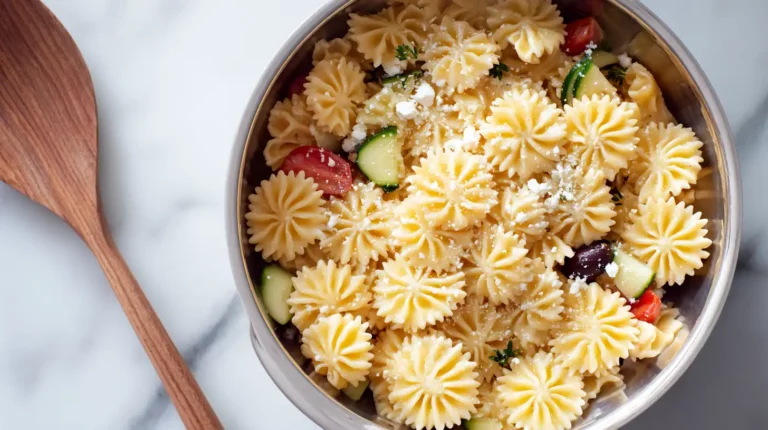
Plain penne tossed with olive oil, fresh basil, and Parmesan. Can use leftover marinara sauce for light coating if desired. Short pasta is easier to eat alongside eggplant than long noodles.
Protein Additions (Optional)
Eggplant Parmesan itself is vegetarian. Adding a protein side makes the meal heartier for meat-eaters.
Italian Sausage
Mild or spicy Italian sausage links, grilled or pan-fried. Slice on the bias before serving. The meat flavor and different texture profile add variety for those who want it.
Halal option: Use halal beef or turkey Italian sausage—the flavor profile is similar, just with a different meat base.
Grilled Chicken
Simple grilled chicken breast seasoned with Italian herbs, olive oil, and lemon. Keep it plain—eggplant Parmesan is is already heavily seasoned. Chicken provides lean protein without adding more richness.
Beverage Pairings
Halal non-alcoholic options:
- Sparkling water with lemon: Cuts through richness, cleanses palate between bites
- Iced tea (unsweetened or lightly sweetened): Refreshing, doesn’t compete with food flavors
- Italian soda: Blood orange, lemon, or cherry flavors complement Italian meal
- Sparkling grape juice: Non-alcoholic option with complexity (serve in wine glass for elegance)
- San Pellegrino: Italian sparkling mineral water—authentic choice
Avoid milk- or cream-based drinks (too heavy with a cheese-heavy dish) and overly sweet sodas (compete with tomato sauce sweetness).
Light Dessert Options
After heavy eggplant Parmesan, we need a light dessert that doesn’t make everyone feel stuffed.
Lemon Sorbet
Palate cleanser and dessert in one. It is tart, icy, and refreshing. Perfect after a rich Italian meal. Serve small portions in chilled bowls or glasses.
Fresh Fruit
Mixed berries, melon, and citrus segments. Simple, naturally sweet, light. Can drizzle with honey or add fresh mint for presentation.
Biscotti with Tea
Italian twice-baked cookies traditionally served with tea or coffee for dunking. Not a heavy dessert—more like an ending ritual. Almond or anise flavored ones work well.
Common Pairing Mistakes
Too Much Food
Problem: Serving multiple heavy sides plus eggplant Parmesan creates an overwhelming meal where everything gets cold before people finish.
Fix: Choose 2-3 sides maximum. One fresh (salad), one starch (bread), and one optional (vegetable or light pasta). That’s enough without excess.
Competing Flavors
Problem: Serving strongly flavored sides (like spicy buffalo wings, BBQ ribs, or heavily curried dishes) that fight with eggplant’s Italian seasoning.
Fix: Keep sides complementary to the Italian flavor profile or neutral enough not to clash. Stick with herbs like basil, oregano, garlic, and lemon—things that work with Italian cuisine.
All Soft Textures
Problem: My original mistake—serving only soft eggplant with no textural contrast. Makes meal boring to eat.
Fix: Include at least one crunchy element (crisp salad, crusty bread, or roasted vegetables with crispy edges).
Serving Tips
Portions: Eggplant Parmesan is filling. Plan 1-2 slices per person depending on appetite. Side portions should be modest—not competing in volume with the main dish.
Temperature: Eggplant Parmesan is best served hot. Time the other dishes so everything is ready simultaneously. Use a warming oven (200°F) for bread if needed to keep it warm while finishing other items.
Plating: Eggplant Parmesan should be the focal point of the plate. Arrange sides around it; don’t cover or crowd. Leave some white space for visual appeal.
Eggplant Parmesan Sides Questions
What are the best sides for eggplant Parmesan?
Fresh salads (Caesar, Caprese, arugula), crusty bread (garlic bread, focaccia), and roasted vegetables (zucchini, broccoli, bell peppers). These provide contrast to eggplant’s richness and soft texture.
Should I serve pasta with eggplant Parmesan?
Optional but traditional. If serving pasta, keep it basic (aglio e olio, plain with olive oil) and portions small. The pasta is a side dish, not the second main dish. Some people find the combination of carbs with other carbs excessive.
Can I serve meat with eggplant Parmesan?
Yes, Italian sausage or grilled chicken works well for those wanting extra protein. Eggplant Parmesan is vegetarian, so the meat side makes the meal heartier for meat-eaters.
What drinks pair with eggplant Parmesan?
Sparkling water with lemon, iced tea, Italian sodas, sparkling grape juice, or San Pellegrino. These cut through richness without competing with flavors. Avoid milk-based or overly sweet drinks.
Final Reality on Eggplant Parmesan Sides
Eggplant Parmesan stopped feeling incomplete when I learned rich dishes need contrasting sides for a balanced meal. My dinner party failure happened because I served nothing but soft, rich, heavy eggplant—overwhelming and monotonous regardless of how good it tasted. The meal needs a fresh acidic salad to cut richness and crusty bread for textural contrast, maybe a light vegetable or a simple pasta side.
The pairing goal is balance—eggplant Parmesan remains the star, but supporting elements make the plate feel complete and thoughtfully composed rather than one-note. It’s not about showing off with many dishes or complex recipes. Simple Caesar salad and garlic bread transform eggplant Parmesan from a heavy solo act into a proper meal.
This is a basic hospitality principle that applies beyond just this dish—rich food needs fresh contrast, soft needs crunchy, and heavy needs light. My guests now leave satisfied instead of politely asking if there’s more food coming. For the main dish recipe, see our eggplant Parmesan guide.