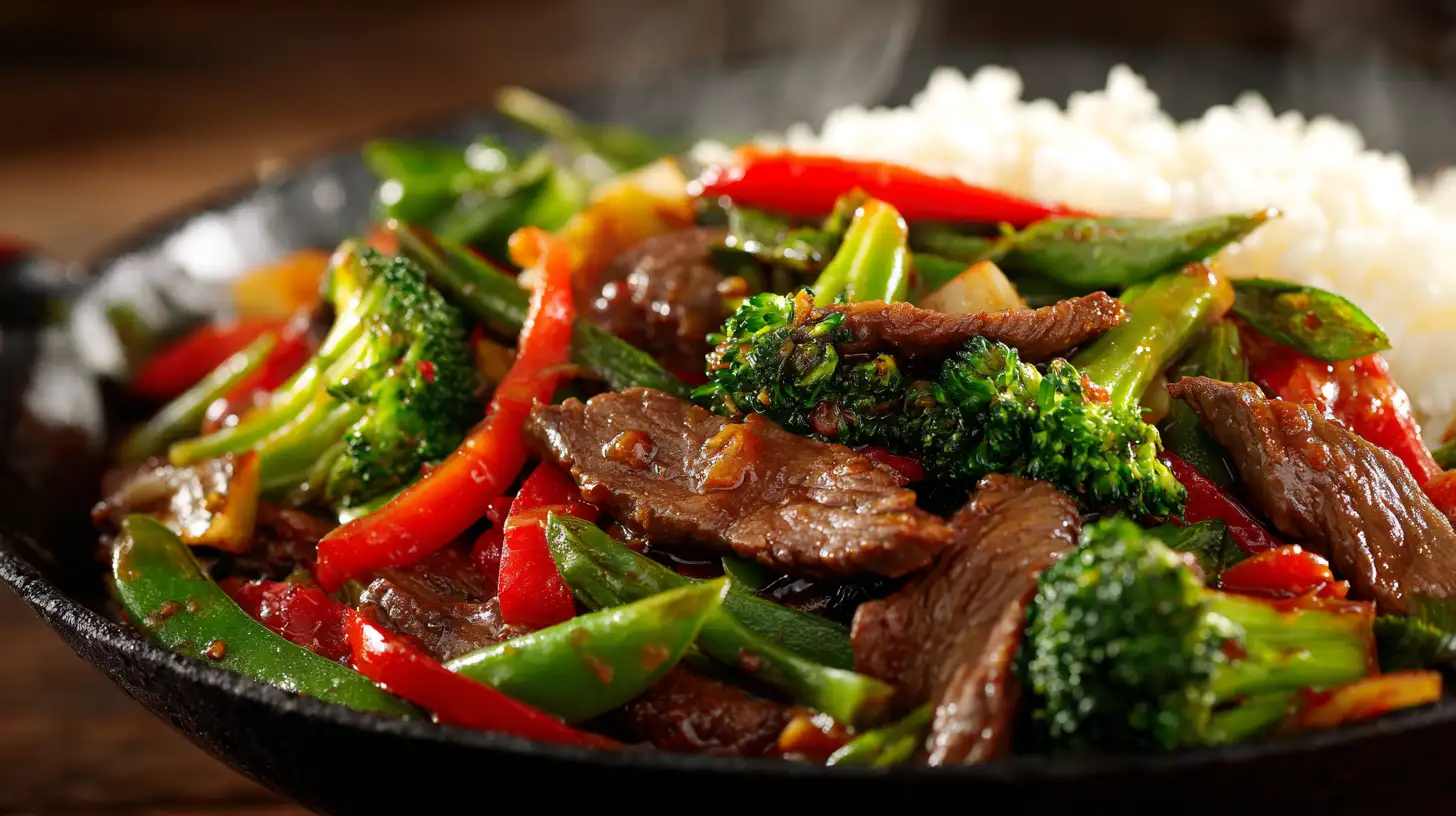
The Best Beef Stir-Fry Recipe: A Quick and Flavorful Meal
Stir-frying beef seems hard at first, but once you learn, you’ll wonder why you waited. The whole process takes about 15 minutes from start to finish, and you end up with a dish that tastes like it came from your favorite Chinese restaurant.
What makes a delicious beef stir-fry? It’s really about getting three things right: tender beef that melts in your mouth, vegetables that still have a bit of crunch, and a sauce that brings everything together without drowning the ingredients. The beauty of this dish is that you can adapt it based on what’s in your fridge. Do you have some leftover bell peppers? Throw them in. Have you come across an unused head of broccoli? Perfect.
Cooked beef flank steak provides about 27 g of protein and 2.0 mg of iron per 100 g per USDA FoodData Central; the NIH Office of Dietary Supplements notes that heme iron in beef is absorbed substantially better than non-heme iron from plant sources.
Soy-based stir-fry sauces are sodium-dense — a single tablespoon of regular soy sauce contains about 879 mg of sodium per USDA FoodData Central, roughly 38% of the AHA-recommended 2,300 mg daily ceiling.
Why Stir-Fry Works So Well
There’s a reason stir-fry has been popular for centuries in Asian cooking. High heat and quick cooking preserve nutrients and flavors in a way that slower methods just can’t match. When you cook vegetables quickly over intense heat, they keep their color, texture, and vitamins. The beef gets a nice sear on the outside while staying juicy inside.
Most people think they need a fancy wok to make proper stir-fry, but that’s not true. A large skillet or frying pan works just fine if it gets hot enough. The real secret is having everything prepped before you turn on the heat because once you start cooking, things move fast. If you’re looking for other quick Asian-inspired meals, this Vegetable Stir-Fry with Peanut Sauce is another excellent option.
From a nutrition standpoint, beef stir-fry checks many boxes. You’re getting lean protein from the beef, fiber and vitamins from the vegetables, and relatively little oil compared to deep-fried dishes. Cuts like flank steak or sirloin aren’t overly fatty, so you get that beefy flavor without excessive calories. If you’re watching sodium, you might want to check out these low-sodium recipes for ways to adjust the sauce.
Picking Your Beef
Not every cut of beef works well in stir-fry. You need something that cooks quickly and stays tender. Flank steak is probably the most popular choice because it has excellent flavor and isn’t too expensive. It’s also lean, which means it won’t leave you with a greasy pan. Sirloin is another solid option, especially if you like a bit more marbling for richness.
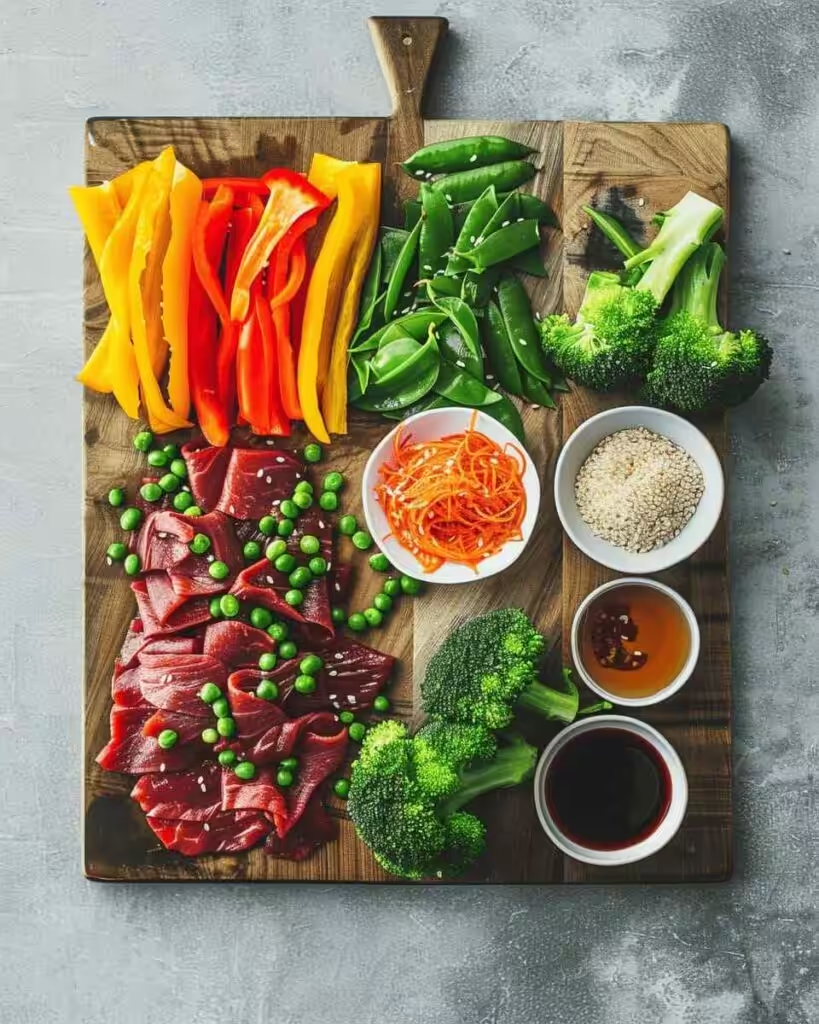
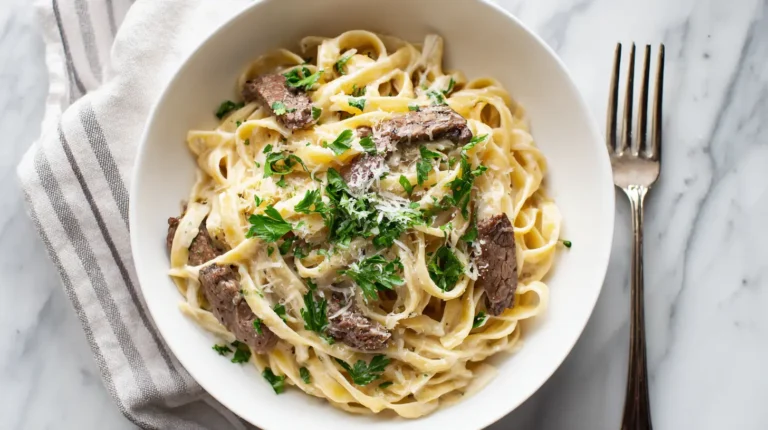
Skirt steak gives you an even deeper beef flavor, but you have to slice it really thin or it gets chewy. Ribeye is the fancy option if you want something really tender and don’t mind a bit more fat. Whatever cut you choose, the trick is to slice it against the grain. This shortens the muscle fibers and makes each bite more tender. If you’re interested in other ways to use beef, these steak pasta recipes might give you some ideas.
Vegetables That Complement Beef
The vegetable mix is where you can really make this dish your own. Broccoli and bell peppers are classics for good reason. They hold up well to high heat and add pleasing color contrast. Carrots bring a touch of sweetness, while snap peas add freshness. Mushrooms are excellent because they soak up all that savory sauce.
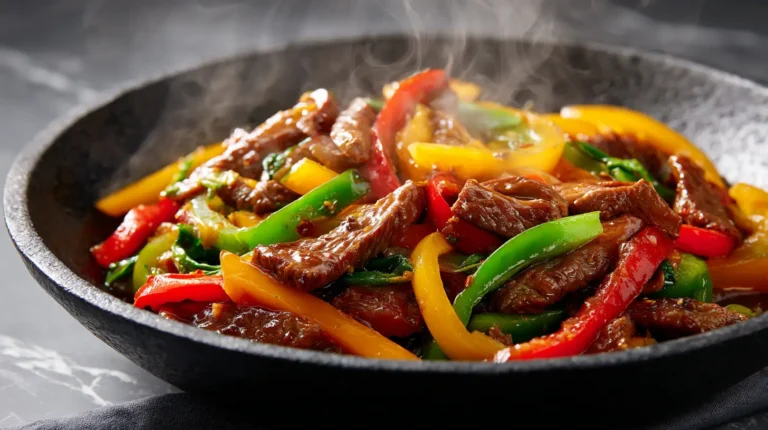
Some people like to add baby corn or water chestnuts for extra crunch. Others throw in some bok choy or Chinese cabbage for a more authentic feel. The key is cutting everything roughly the same size so it cooks evenly. Dense vegetables like carrots should be sliced thinner than softer ones like mushrooms. Want more vegetable-focused options? This steak and pepper stir-fry puts more emphasis on the peppers.
The sauce matters.
Here’s where a lot of home cooks go wrong. They either use far too much sauce and everything gets soggy, or they don’t use enough and the dish tastes bland. The right amount should coat the ingredients with a glossy sheen without pooling at the bottom of the pan.
Soy sauce is your base, but don’t stop there. Oyster sauce adds depth and a slight sweetness that balances the saltiness. A splash of sesame oil at the end brings in that nutty aroma you get at restaurants. Some people add a bit of hoisin sauce for extra sweetness, while others prefer a touch of rice vinegar for brightness. Cornstarch mixed with water helps thicken everything up and gives that characteristic glossy finish. If you like experimenting with sauces, this Cane’s Sauce Recipe is worth trying.
Getting the Beef Ready
Marinating might seem like an extra step you can skip, but it really does make a difference. Even just 15 minutes in a simple marinade of soy sauce, cornstarch, and a bit of oil will change the texture of your beef. The cornstarch creates a thin coating that seals in moisture during cooking. This technique is called velveting, and it’s what makes restaurant stir-fry beef so tender.
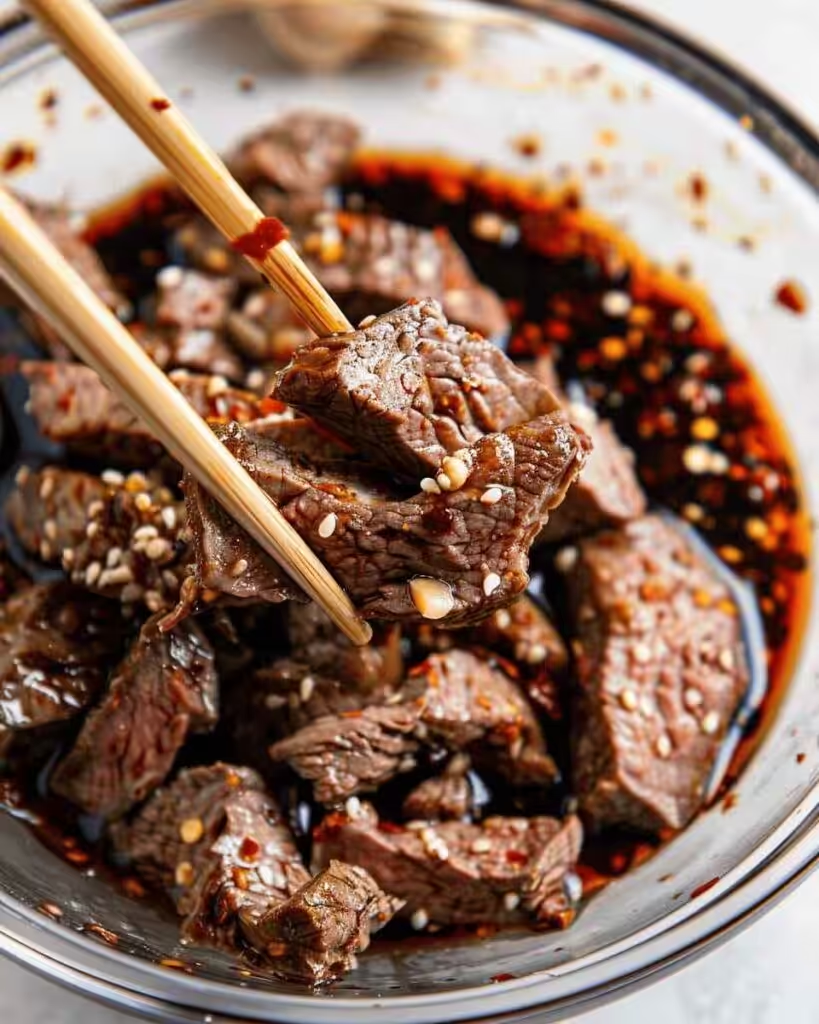
Some Chinese cooks add a tiny pinch of baking soda to their marinade. It sounds weird, but it actually helps break down the proteins and makes the meat even more tender. Just don’t use too much, or you’ll get a weird texture. The meat should be sliced pretty thin, maybe a quarter inch at most. Thicker pieces won’t cook through properly before the outside gets tough.
Prepping Vegetables
Cut your vegetables into similar-sized pieces so they cook at the same rate. Broccoli should be broken into small florets. Bell peppers work best in strips about half an inch wide. Carrots need to be sliced thin on an angle because they take longer to soften than other vegetables.
If you’re using tougher vegetables like broccoli or green beans, some people like to blanch them quickly in boiling water first. This gives them a head start on cooking and ensures they’ll be tender by the time everything else is done. Others prefer to add them to the pan first and give them a minute or two before adding softer vegetables.
Mixing Up the Sauce
Have your sauce mixed and ready to go before you start cooking. A basic version uses about a quarter cup of soy sauce, a couple of tablespoons of oyster sauce, a teaspoon of sesame oil, and a teaspoon of cornstarch dissolved in a bit of water. Some people add a little sugar to balance the saltiness. Others throw in some chili flakes or fresh ginger for heat and aroma.
The measurements don’t have to be exact. Taste it before you cook and adjust based on what you like. Too salty? Add a splash of water. Too bland? Increase the amount of soy sauce. Want it sweeter? A bit of honey or brown sugar works excellently.
Cooking Everything Together
Get your pan really hot before you add any oil. You want to see a faint wisp of smoke rising from it. Add your oil and swirl it around to coat the surface. Peanut oil or vegetable oil is best because they can handle high heat without burning.
Add the beef in a single layer. Don’t crowd the pan, or it’ll steam instead of sear. You might need to cook it in two batches if you’re making a lot. Let it sit for about 30 seconds before stirring so it gets that lovely brown crust. Once it’s mostly cooked through but still a bit pink, take it out and set it aside.
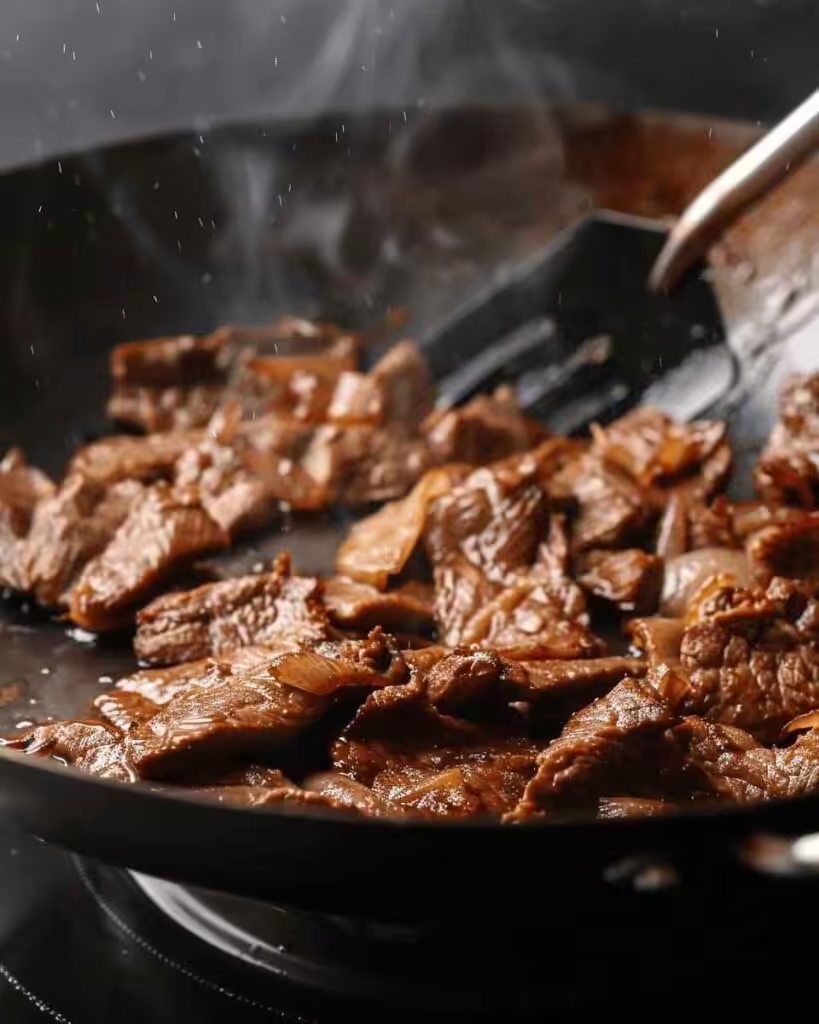
Now add your vegetables, starting with the firmest ones. Toss them constantly so they cook evenly and don’t burn. After a minute or two, add any softer vegetables. The whole vegetable cooking process should take maybe three or four minutes total. They should still have some crunch when you’re done.
Return the beef to the pan along with any juices that collected on the plate. Pour in your sauce and toss everything together quickly. The cornstarch will thicken the sauce almost immediately. Once everything is coated and glossy, you’re done. The whole cooking process, from the moment you add oil to when you turn off the heat, is probably less than ten minutes.
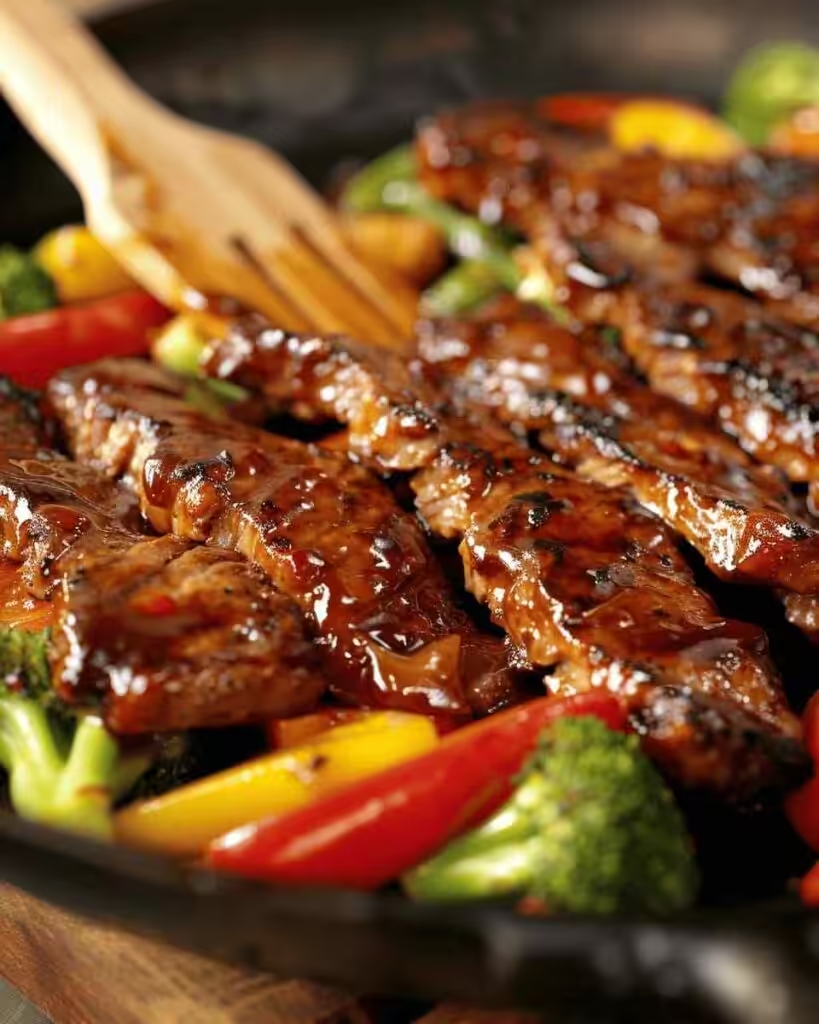
Explore the different flavor profiles of the beef stir-fry recipe.
Once you’ve got the basic technique down, you can start playing with different flavors. A traditional Cantonese-style stir-fry uses light soy sauce for saltiness and dark soy sauce for color. Adding some Shaoxing rice cooking liquid gives it that authentic restaurant taste. Include vegetables like bok choy, bean sprouts, and scallions for a classic presentation.
Spicy Szechuan Approach
If you like heat, Szechuan-style stir-fry is where it’s at. Szechuan peppercorns create this intriguing numbing sensation that’s different from regular chili heat. Toast them in a dry pan until fragrant, then grind them up and add them to your sauce. Throw in some dried red chilies or chili oil for more kick. The combination of numbing and spicy creates a really unique flavor experience.
Serve this version with plenty of steamed rice to balance out the heat. For more spicy Asian options, check out these Best Griddle Recipes.
Sweeter Teriyaki Version
Teriyaki-style beef stir-fry takes things in a sweeter direction. The sauce uses more sugar or honey, along with mirin for that characteristic Japanese flavor. Some people add pineapple chunks, which sounds weird but actually works really well. The sweetness complements the beef nicely, and the pineapple adds intriguing texture.
This version is ideal for kids or anyone who finds traditional stir-fry sauce too salty. Top it with toasted sesame seeds and sliced green onions for garnish. If you enjoy sweet and savory combinations, this Sweet Hawaiian Crockpot Chicken has similar flavors.
Low-Carb Adaptation
Making a low-carb version is easier than you might think. Replace regular soy sauce with coconut aminos if you want to cut down on sodium and carbs. Serve it over cauliflower rice instead of regular rice, or use zucchini noodles for a different texture. Load up on low-carb vegetables like mushrooms, bell peppers, and spinach.
The excellent thing about stir-fry is that the vegetables and protein are already the star, so swapping out the rice doesn’t really change the dish that much. For more low-carb meal ideas, these Bariatric Recipes might be helpful.
Avoiding Common Problems
The biggest mistake people make is not getting their pan hot enough. If the pan isn’t screaming hot, your ingredients will release water and steam instead of getting that perfect sear. You want to hear a sizzle the moment anything hits the pan. If you don’t, take everything out and wait for the pan to heat up more.
Too Much in the Pan
Overcrowding is another common issue. When you put too much beef or vegetables in the pan at once, they lower the temperature too quickly. Everything ends up steaming in its juices instead of frying. Cook in batches if you need to. It takes a bit longer, but the results are so much better.
Picking the Wrong Cut
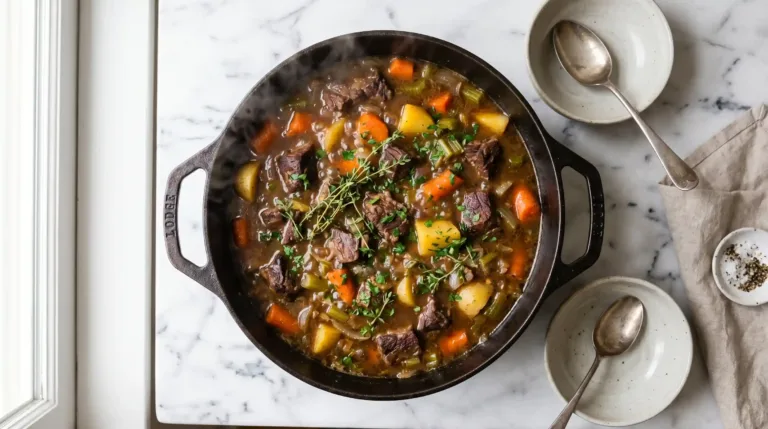
Using a tough cut of beef ruins the whole dish. Stew meat or chuck roast needs hours of slow cooking to become tender. They’ll never work in a quick stir-fry. Stick with the tender cuts mentioned earlier, like flank, sirloin, or skirt steak. If you are keen to explore other beef preparations, this Hawaiian Beef Stew Recipe uses those tougher cuts properly.
Skipping the Marinade
Some people think marinating is optional, but it really isn’t if you want tender beef. Even 15 minutes makes a noticeable difference. The cornstarch in the marinade creates a protective coating that keeps moisture locked in during the high-heat cooking. Without it, the beef can turn out dry and tough no matter how carefully you cook it.
What Goes With Stir-Fry
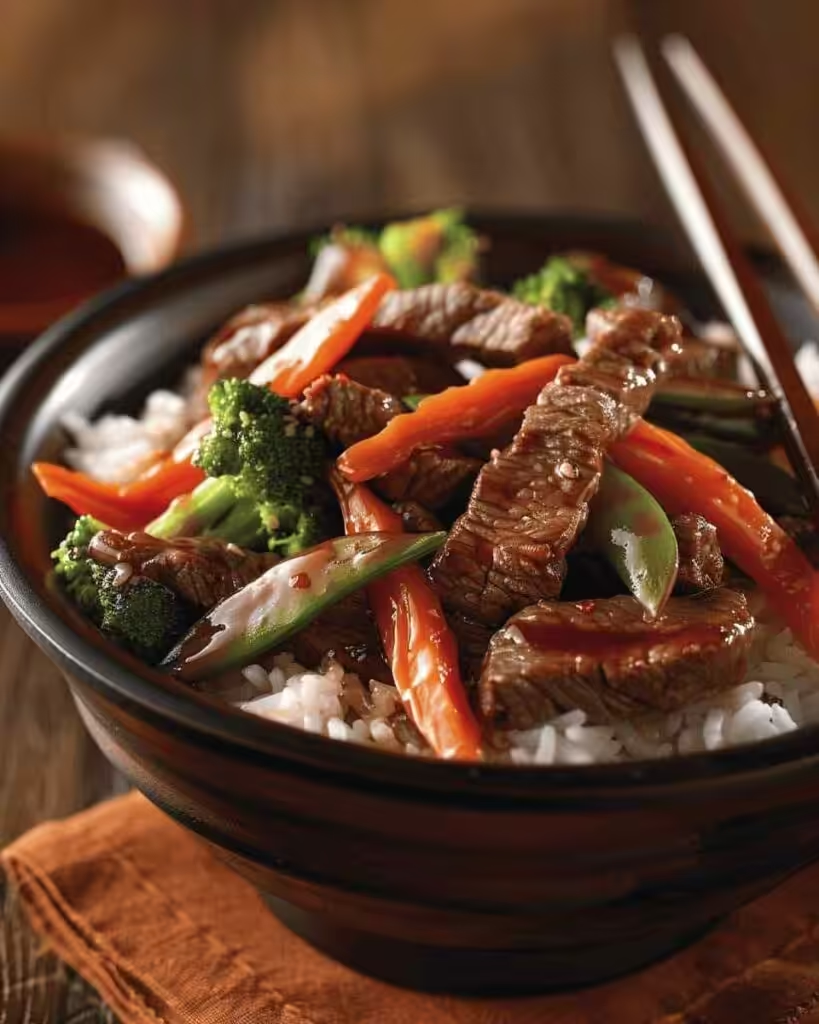
Rice is the obvious choice, but which kind? Jasmine rice is traditional, and its slightly sticky texture works perfectly for soaking up sauce. Brown rice gives you more fiber and a nuttier flavor. Some people make fried rice as a side, though that seems like stir-fry overkill to me.
If you’re not sure about rice varieties, this guide on Does Rice Have Gluten covers the basics.
Noodle Alternatives
Noodles are another great option. Lo mein noodles are thick and chewy, perfect for mixing with the sauce. Rice noodles work if you need something gluten-free. Udon noodles are thick Japanese noodles that have a really satisfying texture. This Griddle Lo Mein Recipe would pair nicely with beef stir-fry.
Lighter Options
Cauliflower rice has become popular for people watching carbs. It doesn’t taste exactly like rice, but it does a decent job of soaking up sauce. Zucchini noodles are another low-carb choice. They add extra vegetables to the meal without overwhelming the main dish.
Common Questions
Why is restaurant beef so tender?
Restaurants use the velveting technique mentioned earlier. They marinate the beef in cornstarch and sometimes baking soda, which breaks down the proteins. Some places even do a quick oil bath at low temperature before the final high-heat cooking. This pre-cooks the meat gently so it stays tender during the stir-fry.
Can you make it ahead?
Stir-fry is best eaten right away because the vegetables lose their crunch as they sit. That said, you can prep everything ahead of time. Slice the beef and marinate it in the morning. Cut all your vegetables and mix your sauce. Then when dinner time comes, the actual cooking only takes ten minutes.
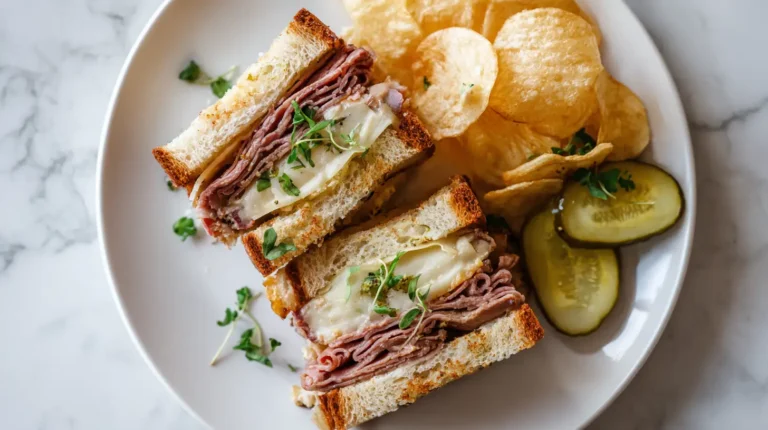
Leftovers are okay for a day or two, but they won’t have that fresh crispness. Some people actually prefer day-old stir-fry because the flavors have had time to meld together. For more make-ahead protein options, refer to this arm roast recipe.
What oil works best?
You need an oil with a high smoke point since stir-frying happens at really high temperatures. Peanut oil is traditional in Chinese cooking and adds a subtle nutty flavor. Vegetable oil or canola oil works fine too. Avoid olive oil because it burns at high heat and turns bitter.
How do you get that smoky flavor?
That characteristic smoky taste is called wok hei, which literally means “breath of the wok. “It comes from cooking over extremely high heat, often on restaurant burners that are way more powerful than home stoves. You can approximate it by making sure your pan is really hot and not moving the ingredients around too much at first. Let them get a bit of char before tossing.
Wrapping Up
Making excellent beef stir-fry at home is totally doable once you understand the basic principles. Get your pan hot, work in batches, and don’t overthink it. The beauty of this dish is its flexibility. You can adjust the vegetables, change up the sauce, or modify the spice level to suit your taste.
Start with a basic version and then experiment from there. Maybe try adding different vegetables or playing with the sauce ratios. Some people like their stir-fry saucier, while others prefer it drier. Neither is wrong; it just depends on what you enjoy.
The main thing is getting comfortable with high-heat cooking and learning to work quickly. Once you’ve made it a few times, you’ll develop a rhythm and won’t even need to think about the steps. For more quick dinner ideas, this Vegetable Stir-Fry with Peanut Sauce is worth trying, or browse through these Best Chicken Recipes for variety.
Related Recipes
Beef Stir-Fry
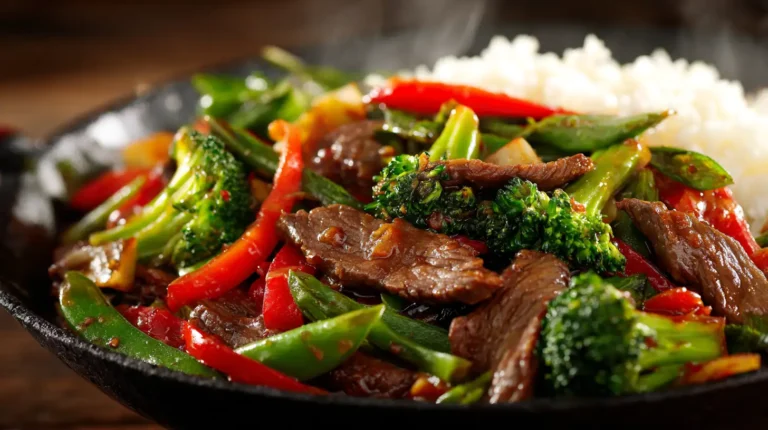
This quick beef stir-fry sears thin-sliced, velveted beef over high heat, then tosses it with crisp-tender vegetables in a glossy soy and oyster sauce. The whole thing comes together in about 15 minutes for a weeknight dinner that tastes like takeout.
Ingredients
For the Beef & Marinade
- 1 lb flank steak (or sirloin, thinly sliced against the grain (~¼-inch))
- 1 tbsp soy sauce
- 1 tsp cornstarch
- 1 tsp neutral oil
- 1 pinch baking soda (optional, for extra tenderness)
For the Stir-Fry Sauce
- 1/4 cup soy sauce
- 2 tbsp oyster sauce (check label for alcohol-free oyster sauce)
- 1 tsp sesame oil
- 1 tsp cornstarch (dissolved in 2 tbsp water)
- 1 tsp sugar (optional, to balance)
- chili flakes or fresh ginger (optional, for heat/aroma)
For the Vegetables
- 2 cups broccoli florets (cut into small florets)
- 1 bell pepper (cut into ½-inch strips)
- 1 carrot (thinly sliced on an angle)
- 1 cup snap peas or mushrooms (optional)
- 2 tbsp peanut or vegetable oil (for cooking)
- steamed jasmine rice (to serve)
Instructions
- Slice the beef thinly against the grain (about ¼-inch). Toss with the soy sauce, cornstarch, oil, and optional pinch of baking soda, then let it marinate 15 minutes — this velveting keeps it tender.
- Stir the sauce ingredients together in a small bowl and set aside.
- Prep the vegetables into similar-sized pieces — broccoli into small florets, peppers into strips, carrots sliced thin on an angle so they cook at the same rate.
- Heat a wok or large skillet until very hot (you'll see a faint wisp of smoke), then add the oil and swirl to coat.
- Add the beef in a single layer, working in two batches if needed so it sears instead of steaming. Let it sit ~30 seconds, then stir until mostly cooked but still slightly pink. Remove and set aside.
- Add the firmest vegetables first (carrots, broccoli), tossing 1–2 minutes, then the softer ones; cook 3–4 minutes total so they keep their crunch.
- Return the beef and any juices to the pan, pour in the sauce, and toss quickly until everything is coated and glossy — about 1 minute as the cornstarch thickens.
- Finish with a splash of sesame oil and serve over steamed jasmine rice.
Notes
Halal: use an oyster sauce labeled alcohol-free (check the label). Rice wine / Shaoxing is omitted.
Velvet the beef — even 15 minutes in soy + cornstarch makes it restaurant-tender.
Get the pan screaming hot and don't crowd it; sear the beef in batches or it steams.
Slice the beef against the grain and keep the vegetables crisp-tender.
Low-carb: serve over cauliflower rice; lower-sodium: swap soy for coconut aminos.