Exploring the World of Traeger Recipes
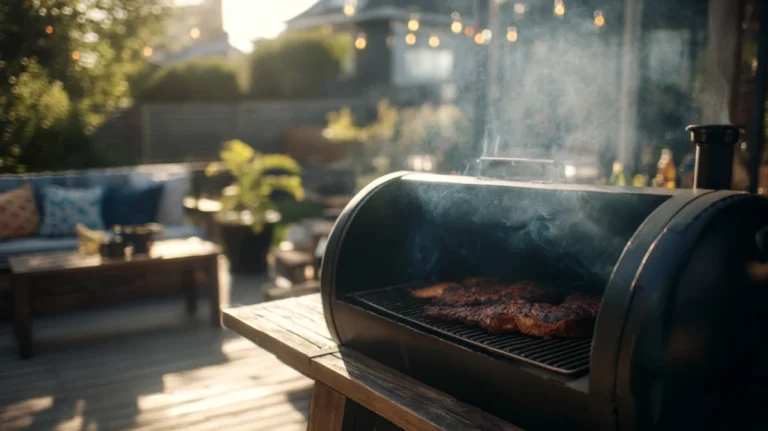
Traeger grills have this weird way of making you feel like a better cook than you actually are. Maybe it’s the wood smoke doing all the heavy lifting, or the way those temperature controls take the guesswork out of everything. Whatever it is, once you start cooking on one, you’ll wonder why you spent so many years fighting with temperamental charcoal or boring gas grills.
Quick Answer
- Traeger grills use real wood pellets to add authentic smoke flavor to any protein or vegetable
- The most popular Traeger temperature is 225°F (107°C) for low and slow cooking
- Chicken, beef ribs, and salmon are the top three proteins for Traeger beginners
- Always preheat the Traeger for 15 minutes before adding food for consistent results
- These recipes include exact temperatures, pellet wood recommendations, and cook times
The thing about Traeger recipes is they’re designed around what these grills do best, which is maintaining steady heat while adding that wood-fired flavor to pretty much anything you cook. You can throw a brisket on there for twelve hours and forget about it, or grill some vegetables in twenty minutes. Both turn out better than they would on a regular grill, and you don’t have to babysit the temperature every five minutes.
Traeger Recipes: What Makes These Grills Different
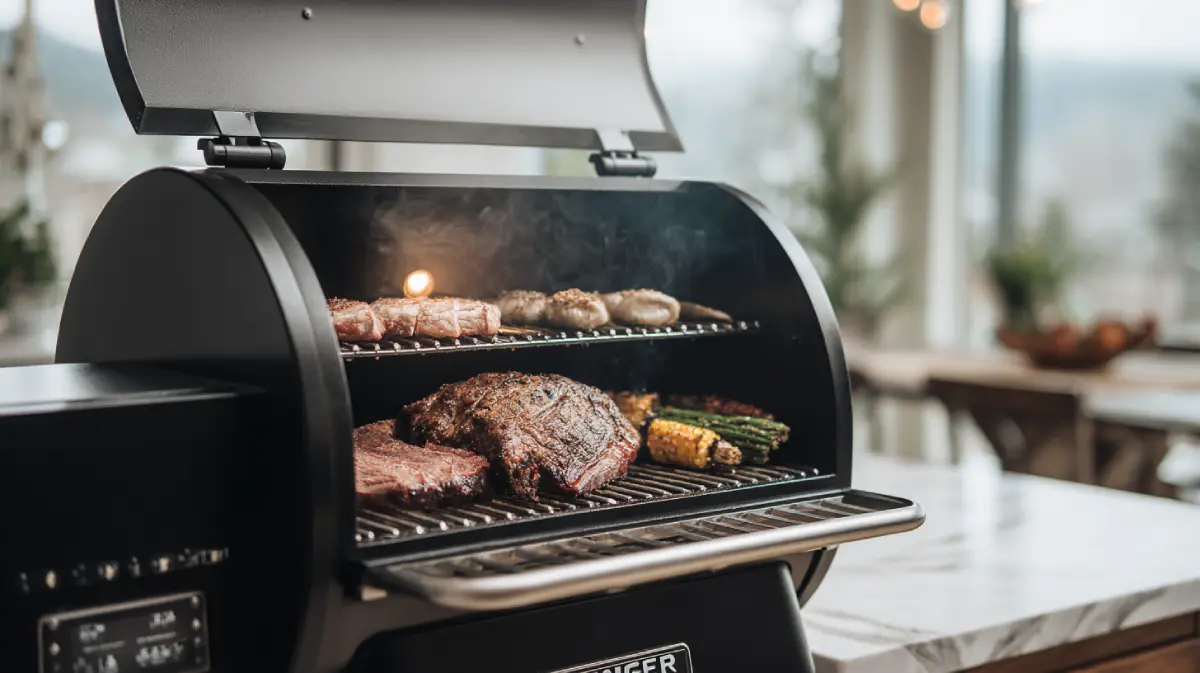
Traeger grills use wood pellets instead of charcoal or gas. These pellets feed into a firebox automatically, which sounds fancy but really just means you set the temperature and the grill does the rest. The pellets come in different flavors like hickory, mesquite, apple, or cherry, and each one gives your food a slightly different taste.
Most people who buy a Traeger do it because they want that smoky flavor without dealing with the hassle of traditional smokers. You get the benefit of low-and-slow cooking or hot-and-fast grilling, all from the same machine. It’s versatile enough that you can smoke a brisket one day and bake a pizza the next. For more protein inspiration, check out these chicken and potato recipes that work great on wood-fired grills.
What You Can Cook
The range of things you can make is pretty surprising. Clearly, meats dominate the menu: ribs, brisket, pulled pork, chicken, steaks, and more. But vegetables get this amazing caramelized sweetness when you grill them with wood smoke. Even stuff you wouldn’t normally associate with grilling works well. I’ve made mac and cheese, baked beans, and even chocolate chip cookies on a Traeger, and they all came out better than expected.
Desserts might sound weird on a grill, but the wood smoke adds interesting depth to sweet dishes. S’mores get extra smoky, fruit crisps develop this complex flavor, and if you’re feeling ambitious, you can bake a whole pie. The key is using milder wood like apple or cherry so you don’t overpower the sweetness.
Getting Set Up
You don’t need a ton of special equipment beyond the grill itself. Good quality pellets are important; cheap ones can have fillers that affect flavor and burn unevenly. Store them somewhere dry because moisture makes them swell up and jam the auger, which is annoying to fix.
A meat thermometer with a probe is probably the most useful accessory. Traeger grills have built-in probes, but having a backup lets you monitor multiple pieces of meat or check different spots. Grill covers are worth it if you keep your Traeger outside year-round. Weather can mess with the electronics and rust the grates if you’re not careful.
Drip trays and liners make cleanup way easier. You can use disposable aluminum pans under whatever you’re cooking to catch grease and drippings. Otherwise you’re scraping burnt-on stuff off the bottom of the grill, which nobody enjoys. For healthier cooking options, explore these low-sodium recipes that pair well with wood-smoked flavors.
Choosing Pellets
The type of wood pellets you use makes a real difference in how your food tastes. Hickory is probably the most popular for beef and pork because it gives that classic BBQ flavor everyone expects. It’s strong though, so if you’re cooking something delicate like fish, hickory might be too much.
Apple and cherry pellets are milder and slightly sweet. They work great with chicken, pork, and pretty much any vegetables. I tend to use cherry for lighter meats because it adds flavor without being aggressive about it. Mesquite is the opposite, really bold and earthy. It’s good for beef but can overwhelm other foods if you’re not careful.
Oak is versatile and middle-of-the-road. It adds smoke without being too distinctive, which makes it a safe choice when you’re not sure what to use. Maple is sweet and subtle, good for breakfast foods or anything where you want just a hint of smoke. Some people mix different pellets to create custom flavors, which sounds complicated but can be worth experimenting with once you get comfortable.
Easy Traeger Recipes for Beginners
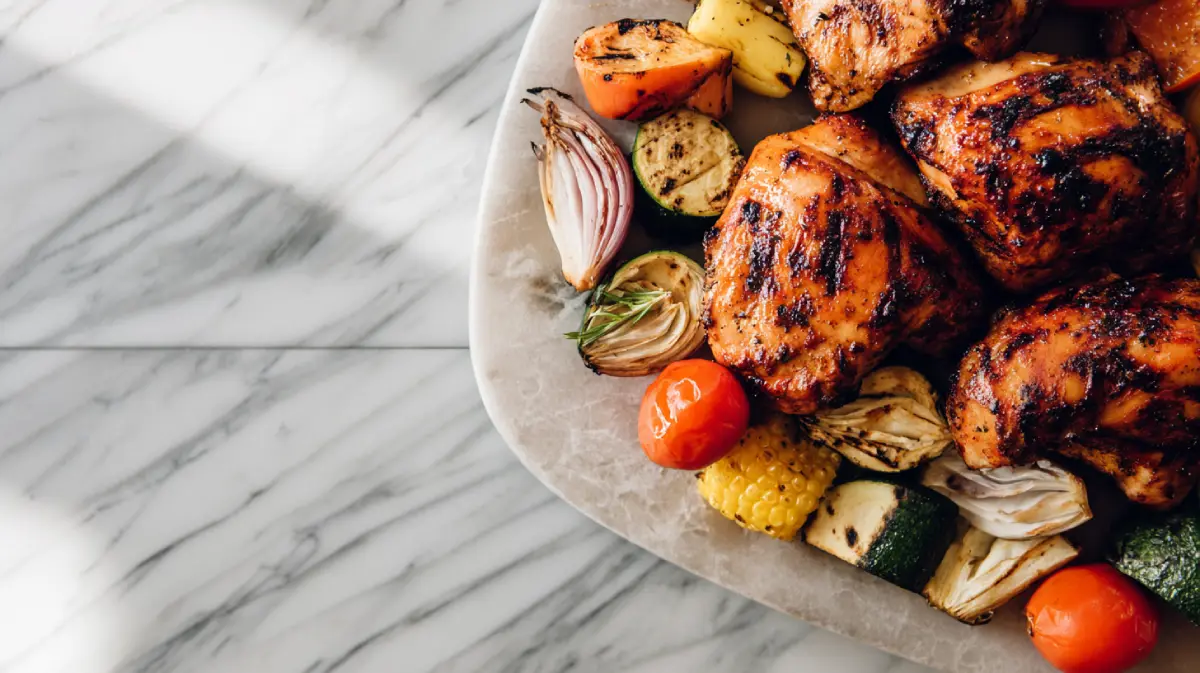
If you’re new to Traeger cooking, start with something straightforward. Chicken thighs are pretty foolproof because they stay moist even if you overcook them slightly. Season with whatever dry rub you like, set the grill to 225 degrees, and let them smoke for about two hours until they hit 165 internally.
The smoke flavor penetrates the meat during that slow cook, and the skin gets this nice crispy texture if you bump up the heat for the last ten minutes. Brush on some BBQ sauce near the end if you want, but honestly they’re good enough with just salt, pepper, and paprika.
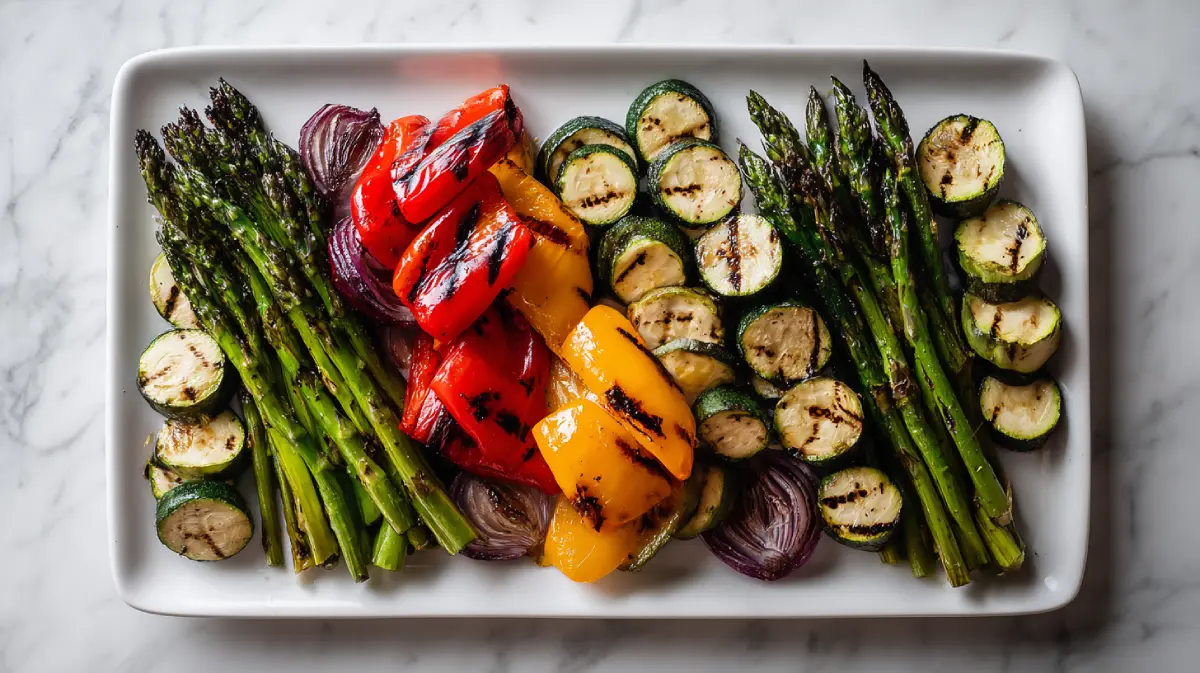
Grilled vegetables are even simpler. Toss whatever you have with olive oil, salt, and pepper, then grill at 350 degrees for 10 to 15 minutes. Bell peppers, zucchini, and asparagus all work great. The wood smoke adds depth you don’t get from a regular grill, making basic veggies taste more interesting.
More Advanced Dishes
Once you’ve got the basics down, cedar-planked salmon is a good next step. Soak cedar planks in water for an hour before grilling so they don’t catch fire. Place the salmon on the planks, season with whatever you like, maybe just olive oil, lemon, and dill, and grill at 375 degrees for about twenty minutes.
The cedar adds this earthy, aromatic quality that complements fish really well. The salmon stays moist because the plank protects it from direct heat while still letting smoke circulate around it. It looks impressive when you serve it too, which is nice if you’re cooking for guests.
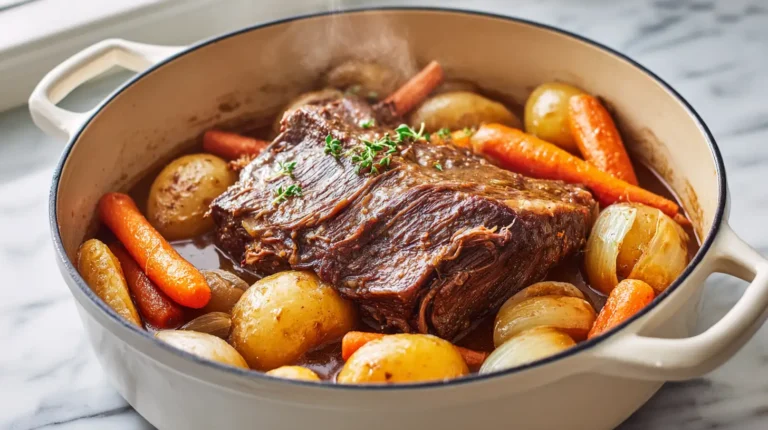
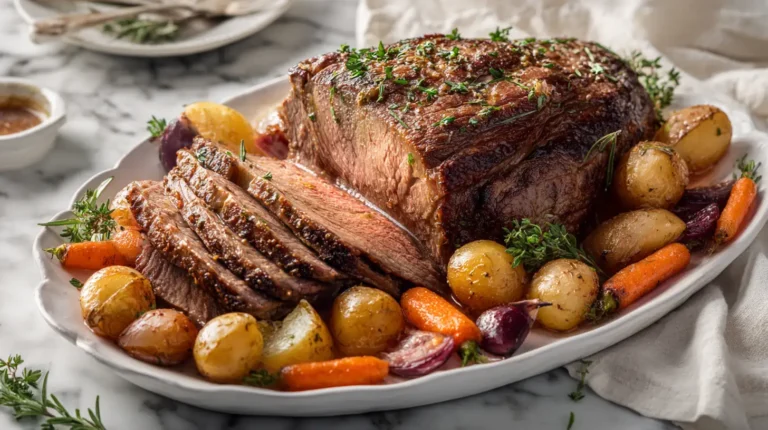
Beef brisket is the ultimate Traeger challenge. It takes forever, usually 8 to 12 hours depending on size, but the results are worth it if you do it right. The key is patience and not messing with it too much. Rub it with whatever seasonings you prefer, set the grill to 225 degrees, and let it go.
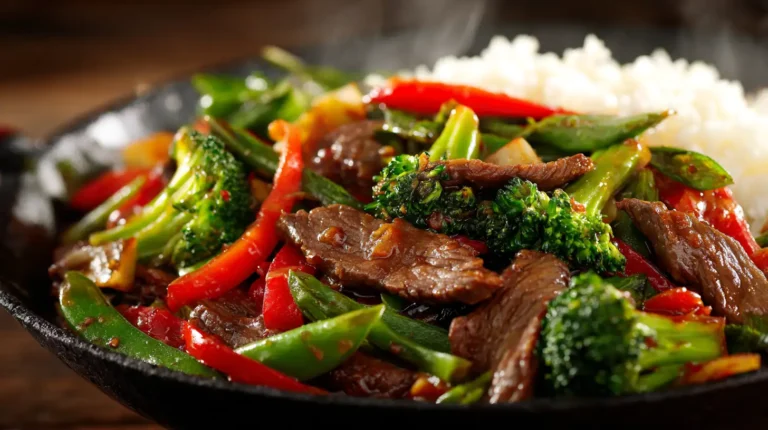
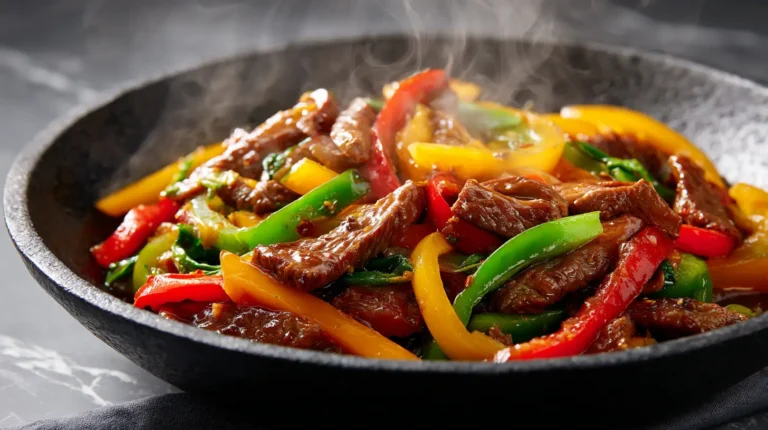
You want the internal temperature to hit somewhere between 195 and 205 degrees, which is when the connective tissue breaks down and the meat gets that fall-apart texture. Some people wrap it in foil partway through to speed things up; others leave it unwrapped for a better bark on the outside. Both methods work; it’s really just personal preference. For more beef ideas, try this Beef Stir Fry Recipe.
Prepping Your Food
Marinades and rubs make a big difference in how your food turns out. Marinades work best when you have time to let them sit overnight. The acid in things like vinegar or citrus juice helps tenderize meat while adding flavor. A basic marinade might be olive oil, garlic, lemon juice, and herbs for chicken or fish.
For beef, something with soy sauce, Worcestershire, brown sugar, and spices creates that deep, savory flavor that stands up to smoke. Just don’t marinate too long, or the acid can make the meat mushy, especially with fish.
Dry rubs are faster and create a nice crust during cooking. Mix together whatever spices appeal to you; brown sugar and paprika are good bases. Add garlic powder, onion powder, and maybe some cayenne for heat. Pat the meat dry before applying the rub so it sticks better. Let it sit for at least 30 minutes before cooking so the flavors have time to penetrate.
Common Problems
One issue people run into is over-smoking, where the smoke flavor becomes too strong and bitter. This usually happens when you’re cooking something for a long time at low temperatures. The food absorbs most of its smoke in the first couple hours, so if you’re doing a 12-hour brisket, you don’t need heavy smoke the whole time.
Using milder pellets helps, or you can reduce smoke by cooking at slightly higher temperatures. Some Traeger models let you adjust the smoke level independently of temperature, which gives you more control.
Temperature fluctuations are another common issue. This usually comes from either dirty grill components or weather conditions. Ash buildup in the firepot can affect how pellets burn, causing the temperature to spike or drop. Clean it out regularly to avoid this.
Wind and cold weather mess with temperature stability too. If it’s windy, find a more sheltered spot for your grill. In winter, consider getting an insulating blanket designed for Traeger grills. They help maintain heat and reduce pellet consumption when it’s cold out.
Keeping It Healthy
Wood-fired cooking doesn’t have to be unhealthy. Grilling naturally uses less fat than frying or sautéing, and you can make it even lighter by choosing lean meats and loading up on vegetables. Skinless chicken breasts marinated in lemon and herbs are pretty boring normally, but the wood smoke makes them interesting without adding calories.
Cedar-planked salmon is another good option since fish provides healthy fats without being heavy. Season it simply with olive oil, garlic, and fresh dill. The cedar adds enough flavor that you don’t need rich sauces or butter.
Vegetables are naturally low in calories, and grilling them brings out their sweetness. Toss them with just enough olive oil to prevent sticking, then season with salt, pepper, and whatever herbs you like. Balsamic vinegar adds tang without many calories if you want something extra.
Instead of heavy marinades with lots of oil, use citrus juice, vinegar, and spices to add flavor. Smoked garlic and onions develop this deep sweetness that makes dishes taste richer than they are. A little bit of honey or maple syrup goes a long way when combined with smoke.
Maintenance Matters
Keeping your Traeger clean makes a big difference in how well it works. After each cook, brush the grates while they’re still warm to remove stuck-on food. Every few cooks, empty the ash from the firepot since buildup affects temperature control and can even cause the auger to jam.
Wipe down the interior with a damp cloth periodically to remove grease splatter. The drip tray should be emptied or replaced regularly, depending on whether you use disposable liners or a permanent tray. Grease fires can happen if you let too much build up, so this isn’t something to skip.
Store pellets properly in airtight containers. Moisture makes them swell and break apart, which clogs the auger and causes uneven burning. Even if you live somewhere dry, it’s worth protecting them from humidity.
Check the temperature probe occasionally to make sure it’s reading accurately. Dust and grease can build up on it, causing false readings. A quick wipe with a damp cloth usually fixes this.
What to Serve Alongside
Traeger-cooked meats are rich and smoky, so lighter sides work best. Coleslaw is a classic for good reason; the tangy crunch cuts through fatty meats really well. A simple green salad with vinaigrette does the same thing without being as heavy as creamy slaws.
A side of perfect roasted potatoes brings crispy, golden comfort to the plate. Want something with Southern flair? Try a slice or two of Southern cornbread; it’s slightly sweet and perfect for soaking up sauce. If you’re craving something creamy, the ranch beef bowtie skillet with sweet corn is satisfying without being too heavy.
For more ideas on what goes with dirty rice, check out that guide since many of those sides work great with wood-smoked meats too.
Common Questions
Are Traeger recipes good for beginners?
Traeger recipes are actually very beginner-friendly. One of the biggest advantages of cooking on a Traeger grill is the steady temperature control, which removes a lot of the guesswork that scares people away from outdoor cooking. Instead of constantly adjusting vents or watching flames, you set the temperature and let the grill do the work.
For beginners, simple Traeger recipes like smoked chicken thighs, grilled vegetables, or basic ribs are a wonderful starting point. These recipes are forgiving, don’t require complex techniques, and still deliver outstanding flavor thanks to the wood-fired cooking. As confidence grows, it becomes easy to move on to longer cooks like brisket or pulled beef without changing equipment.
Can you make desserts?
Absolutely. Fruit crisps, cookies, brownies, and even pies work on a Traeger. The wood smoke adds interesting complexity to sweet dishes without making them taste weird. Use milder pellets like apple or cherry, and keep an eye on the temperature since baked goods are less forgiving than meat. For more sweet ideas, adapt this brookie recipe for the grill.
What wood is best for ribs?
Hickory is the traditional choice because it gives that strong BBQ flavor everyone expects. Apple or cherry works if you want something sweeter and less intense. Oak is a safe middle ground that works with pretty much any style of ribs. You can also mix pellets if you want to experiment with different flavor combinations.
How long does cooking take?
It depends completely on what you’re making. Quick stuff like chicken breasts or vegetables might only take 20 to 30 minutes. Something like cedar-planked salmon takes an hour or two. Big cuts like brisket or pork shoulder can easily go 8 to 12 hours. The beauty of Traeger grills is that they maintain temperature automatically, so even long cooks don’t require constant attention.
Is it beginner-friendly?
More so than traditional smokers or charcoal grills. The temperature controls do most of the work, and you don’t have to mess with vents or worry about hot spots. Start with simple recipes like smoked chicken or grilled vegetables to get a feel for how your specific grill behaves. Once you’re comfortable with the basics, you can tackle more complex dishes.
Why It Works
Traeger recipes work because the grills themselves are designed to make outdoor cooking easier and more consistent. The automated pellet feed and temperature control remove most of the guesswork, letting you focus on the actual food instead of babysitting a fire. The wood smoke adds flavor you can’t get from gas grills, making even basic dishes taste more interesting.
What keeps people coming back is the versatility. You’re not limited to just grilling burgers or smoking brisket. The same machine can bake bread, roast vegetables, or even make pizza. Once you start exploring what’s possible, you’ll find yourself using it more than your regular oven.
The learning curve isn’t steep, but there is one. Understanding how different woods affect flavor, learning when to wrap meat and when to leave it exposed, and figuring out the best rubs and marinades for different dishes all come with practice. Start simple, pay attention to what works, and adjust based on your results. After a few cooks, you’ll develop instincts for how your grill behaves and what flavors you prefer.
The main thing is not being intimidated by all the options. Pick a recipe that sounds good, follow the basic guidelines, and see what happens. Even if it doesn’t turn out perfect, it’ll probably still be pretty good. And the next time you make it, you’ll know what to adjust. For more cooking inspiration, explore these best chicken recipes that work beautifully on wood-fired grills.