Hearty and Flavorful Steak Pasta Ideas You’ll Love to Cook
I made steak pasta for the anniversary dinner, thinking it would be romantic and impressive. Bought expensive ribeye, cooked it perfectly medium-rare, and made fresh pasta from scratch. Then combined everything, and it tasted… off. The steak was great. The pasta was fine. Together they just didn’t work. Turns out I used completely the wrong sauce—light lemon butter that made the steak taste weird and the pasta taste greasy. My wife ate it politely, but I could tell. The problem wasn’t cooking technique; it was pairing incompatible flavors and expecting them to magically harmonize.
Steak pasta works when the sauce acts as a bridge between rich meat and neutral pasta, not when you randomly combine components hoping for the best. Heavy cream sauces complement steak’s savory richness. Tomato-based sauces with herbs balance beef flavor. Light citrus sauces clash with steak and make everything taste disconnected. The pasta shape also matters—you need something substantial enough to hold sauce and not get lost next to steak pieces. For more Italian pasta guidance, check out our complete pasta collection.
Why Steak Pasta Actually Works
Steak Pasta Concept
Steak pasta combines sliced cooked steak with pasta and sauce in a single dish. Originated in Italian-American kitchens as a way to stretch expensive meat—slice one steak thin, mix with pasta, and feed multiple people instead of serving whole steaks individually. Now popular as comfort food that feels indulgent (steak!) but practical (pasta fills you up).
The key is treating steak as a component of the pasta dish, not a separate protein served on the side. Slice it thin, and toss with pasta and sauce so flavors integrate rather than sitting separately on the plate.
Why Steak Pasta Popular
Appeals because it combines two universally loved foods. Steak feels like a special occasion. Pasta feels comfortable and familiar. Together they create a meal that’s fancy enough for date night but easy enough for a weeknight dinner. Also economical—one pound of steak serves 4-6 people when mixed with pasta instead of 2 people as whole steaks.
Steak Pasta Ingredients
Choosing Steak for Pasta
Best cuts:
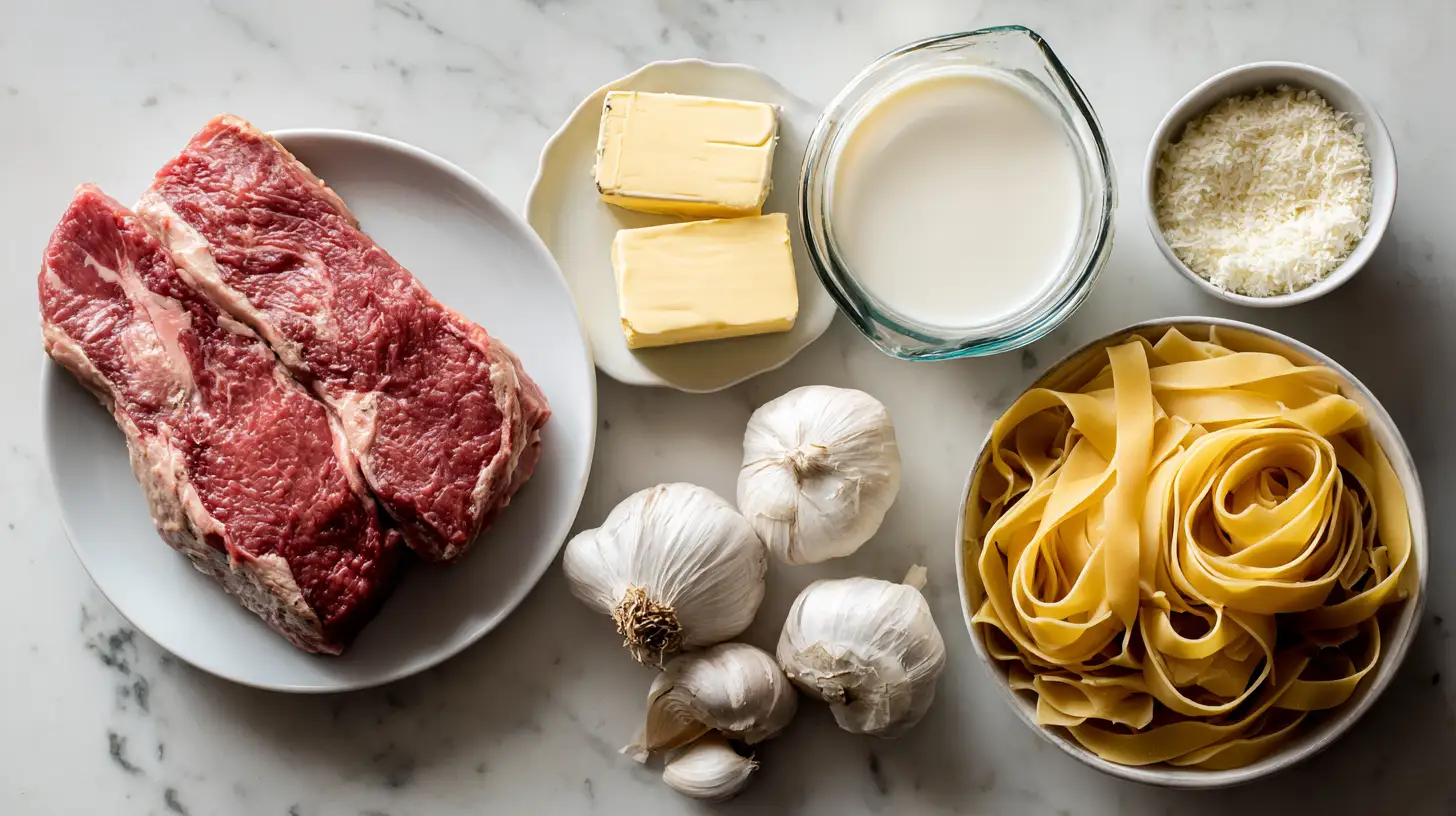
- Sirloin—lean, flavorful, and affordable. Cooks quickly, slices well
- Ribeye – Rich marbling, very flavorful. More expensive but worth it for special occasions
- Flank steak—lean and economical. Must slice against grain or gets chewy
- Strip steak—good balance of tenderness and beefy flavor
Avoid: Filet mignon (too expensive, and the mild flavor gets lost in sauce), chuck roast (too tough even when sliced thin), and pre-cubed “stew meat” (inconsistent quality).
Plan ¼ pound raw steak per person when mixing with pasta. One pound of steak serves 4 people comfortably.
Choosing Pasta for Steak
Best shapes:
- Penne – Tubes catch sauce, substantial enough to hold up to steak
- Fettuccine – Wide ribbons work well with cream sauces
- Pappardelle—Extra-wide noodles feel luxurious and pair well with hearty meat
- Rigatoni—Large tubes, ridges hold sauce well
Avoid: Angel hair or thin spaghetti (too delicate, gets lost next to steak) and small shapes like orzo or ditalini (don’t provide enough pasta substance).
Sauce Selection Critical
Sauces that work with steak pasta:
- Cream-based – Alfredo, garlic cream, mushroom cream. Rich enough to complement steak’s richness
- Tomato-based with herbs—marinara with basil and oregano, arrabbiata. Acidity cuts through fat
- Butter and herb—simple butter, garlic, and fresh herbs. Let’s let steak flavor shine
- Cajun cream—spicy, creamy, bold enough to match steak
Sauces that DON’T work: Light lemon or citrus (my mistake—clashes with beef), pesto alone (too herbaceous, fights steak flavor), and plain olive oil and garlic (not enough body to tie everything together).
How to Make Steak Pasta Correctly
Cook Steak Properly
Remove steak from fridge 30 minutes before cooking (cold steak cooks unevenly). Pat completely dry with paper towels. Season generously with salt and black pepper on both sides.
Heat cast iron or a heavy skillet over high heat until very hot (2-3 minutes). Add neutral oil with a high smoke point (vegetable, canola, or avocado). Place the steak in the pan; don’t move it for 3-4 minutes. Flip once, and cook another 3-4 minutes for medium-rare (135°F internal temp).
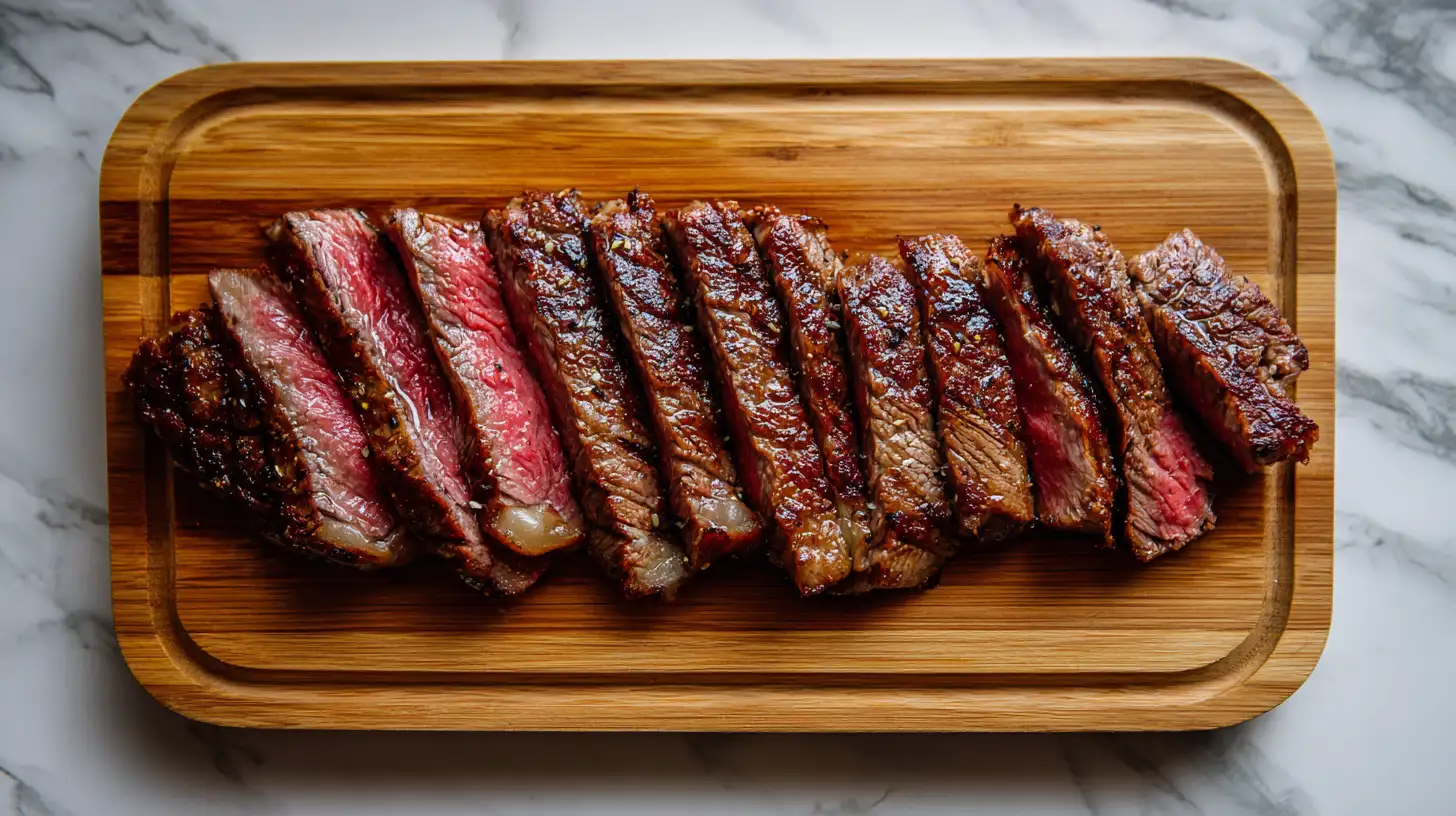
Remove to a cutting board, tent with foil, and rest for 10 minutes minimum. This is crucial—cutting immediately releases all juices onto the board instead of staying in the meat.
Slice against the grain into ¼-inch strips. Slicing with the grain makes steak chewy. Against the grain breaks muscle fibers, making it tender.
Cook Pasta
Boil a large pot of heavily salted water (1 tablespoon salt per 4 quarts water). Cook pasta 1-2 minutes LESS than the package says for al dente. It finishes cooking when tossed with hot sauce.
Before draining, scoop out 1 cup of pasta water. This starchy water helps sauce cling to pasta and can thin sauce if needed. Drain pasta; don’t rinse.
Combine Everything
Make or heat sauce in a large skillet. Add drained pasta, and toss to coat. Add pasta water a tablespoon at a time if the sauce is too thick. Add sliced steak (and any accumulated juices from resting), and toss gently to combine. Cook 1-2 minutes until everything is heated through.
Don’t overcook at this stage—the steak is already cooked and just needs warming. Overheating makes it tough and gray.
Steak Pasta Recipe Variations
Creamy Garlic Steak Pasta
Ingredients (serves 4):
- 1 lb sirloin steak
- 12 oz fettuccine
- 4 tbsp butter
- 6 garlic cloves, minced
- 1½ cups heavy cream
- ¾ cup grated Parmesan
- Salt, black pepper
- Fresh parsley
Method: Cook and slice steak. Cook pasta. In the same skillet used for steak (keeps brown bits for flavor), melt butter over medium heat. Add garlic and cook for 1 minute. Pour in cream, simmer 3-4 minutes until slightly thickened. Stir in Parmesan until melted. Add pasta, and toss to coat. Add steak, and toss gently. Season with salt and pepper. Garnish with parsley.
Cajun Steak Pasta
Season steak with 2 tablespoons Cajun seasoning before cooking. Make cream sauce as above, and add 1 tablespoon of Cajun seasoning to the sauce. Sauté sliced bell peppers and onions, and add to pasta with steak. Bold, spicy, rich.
Tomato Basil Steak Pasta
Cook steak, set aside. Sauté garlic in olive oil, add a 28 oz can of crushed tomatoes, 1 teaspoon each of dried basil and oregano, and a pinch of red pepper flakes. Simmer 15 minutes. Toss with cooked penne, add sliced steak, and fresh torn basil leaves. Lighter than cream sauces but still satisfying.
Common Steak Pasta Problems
Tough Chewy Steak
Causes: overcooked, sliced with the grain instead of against, used a tough cut.
Fixes: Use a meat thermometer (135°F for medium-rare). Always slice against the grain—look at the meat, see which direction the fibers run, and cut perpendicular to that. Use tender cuts (sirloin, ribeye, strip), not tough cuts (chuck, round).
Bland Flavorless Pasta
Causes: Didn’t salt pasta water enough, sauce under-seasoned, didn’t use pasta water to help sauce cling.
Fixes: Pasta water should taste like seawater. Taste the sauce before adding pasta—it should be well-seasoned on its own. Add pasta water to help sauce adhere and adjust consistency.
Dry Pasta
Causes: Not enough sauce, didn’t reserve pasta water, overcooked pasta so it absorbed too much sauce.
Fixes: Make a generous amount of sauce. Always reserve pasta water before draining. Cook pasta slightly under; finish in sauce, where it absorbs flavor without getting dry.
Serving Steak Pasta
Side dishes that work:
- Simple green salad—arugula with lemon vinaigrette cuts richness
- Garlic bread—for soaking up extra sauce
- Roasted asparagus or green beans—a light vegetable side
- Caesar salad – Classic pairing
Drink pairings (halal options):
- Sparkling red grape juice (non-alcoholic, served in wine glass)
- Sparkling water with lemon
- Iced tea (unsweetened or lightly sweetened)
- Italian soda (blood orange or cherry)
Storage and Reheating
Refrigerate: Store in an airtight container for up to 3 days. Steak continues cooking slightly in the fridge from residual heat, so slightly undercook if planning leftovers.
Reheat: Stovetop is best—add a splash of cream or broth to the pan, heat gently over medium-low, stirring frequently. The microwave works, but steak can get rubbery (heat in 1-minute intervals, stirring between).
Don’t freeze: Cream sauces don’t freeze well (they get grainy when thawed), and reheated steak gets tough and overcooked. This is best eaten fresh or within 2-3 days refrigerated.
Steak Pasta Questions
Can I use leftover steak?
Yes, perfect use for leftover steak. Slice thin, and add to pasta at the very end just to warm through. Don’t cook it more, or it gets tough. Leftover steak is already cooked to your preferred doneness and just needs heating.
How do I make this dish cheaper?
Use sirloin instead of ribeye. Buy steak when it’s on sale, and freeze it for later. Use less steak (¾ lb instead of 1 lb) and add more vegetables (mushrooms, bell peppers) for bulk. Make simple tomato sauce instead of cream sauce.
Can I make this gluten-free?
Yes. Use gluten-free pasta. Make sure sauce ingredients are gluten-free (some jarred sauces contain wheat). Everything else is naturally gluten-free.
Is this good for meal prep?
Not ideal. Cream sauces separate when reheated multiple times; steak gets progressively tougher with each reheating. Best eaten fresh. If meal prepping, prep components separately (cook steak, make sauce, cook pasta), store separately, and combine when ready to eat.
Final Reality on Steak Pasta
Steak pasta stopped being a disappointing anniversary dinner when I learned sauce selection matters as much as cooking technique. My lemon butter disaster happened because I didn’t understand flavor compatibility—citrus and beef don’t harmonize; they clash. Rich cream sauces or tomato-herb sauces create a bridge between steak’s savory richness and pasta’s neutral base.
The pasta shape matters too. Need substantial noodles (fettuccine, penne, or pappardelle) that can hold sauce and not disappear next to steak pieces. Delicate angel hair gets lost. Proper slicing is critical—against the grain for tenderness, thin enough to integrate with pasta instead of sitting on top like a separate component.
This recipe works as a practical weeknight dinner (one pound of steak feeds 4-6 people when mixed with pasta) or a special occasion meal (it feels indulgent even though it’s economical). Just match your sauce to complement, not fight, the beef; slice properly; and combine while everything is hot so flavors meld. My wife now requests this regularly—redemption after that anniversary fail.
Related Recipes
Creamy Garlic Steak Pasta
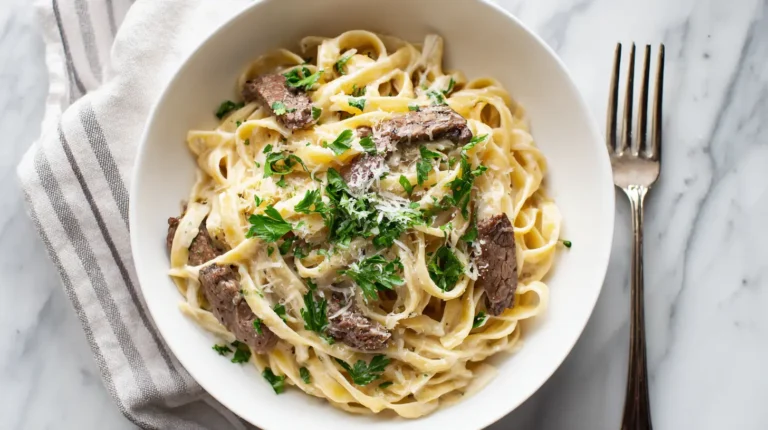
Creamy garlic steak pasta tosses seared, thinly sliced sirloin with fettuccine in a rich garlic-Parmesan cream sauce. The cream acts as a bridge between the beefy steak and neutral pasta, so it feels indulgent enough for date night but easy enough for a weeknight — and one pound of steak feeds four.
Ingredients
- 1 lb sirloin steak (or ribeye/strip; ¼ lb raw per person)
- 12 oz fettuccine
- 4 tbsp butter
- 6 cloves garlic (minced)
- 1.5 cups heavy cream
- 3/4 cup grated Parmesan
- 1 tbsp neutral oil (vegetable, canola, or avocado — for searing)
- salt (to taste, plus 1 tbsp per 4 qt for the pasta water)
- black pepper (to taste)
- fresh parsley (chopped, for garnish)
Instructions
- Take the steak out of the fridge 30 minutes before cooking. Pat it completely dry and season both sides generously with salt and pepper.
- Heat a cast-iron or heavy skillet over high heat until very hot (2–3 minutes), add the neutral oil, then sear the steak 3–4 minutes per side for medium-rare (135°F). Rest it tented with foil for 10 minutes, then slice against the grain into ¼-inch strips.
- Boil a large pot of heavily salted water (1 tbsp salt per 4 qt). Cook the fettuccine 1–2 minutes less than the package says. Scoop out 1 cup of pasta water, then drain — don't rinse.
- In the same skillet (those brown bits add flavor), melt the butter over medium heat. Add the garlic and cook 1 minute, pour in the cream, and simmer 3–4 minutes until slightly thickened. Stir in the Parmesan until melted.
- Add the drained pasta and toss to coat, loosening with reserved pasta water a tablespoon at a time if the sauce is too thick.
- Add the sliced steak and any accumulated juices and toss gently, heating just 1–2 minutes — overcooking makes the steak tough and gray.
- Season to taste and garnish with chopped parsley.
Notes
Slice the steak against the grain for tenderness, and reserve pasta water to help the sauce cling.
Best eaten fresh — cream sauces separate when reheated and the steak toughens; don't freeze.
Cajun variation: season the steak with 2 tbsp Cajun seasoning before cooking and stir 1 tbsp into the cream sauce; sauté sliced bell peppers and onions and toss them in with the steak.
Tomato-Basil variation: skip the cream. Sauté garlic in olive oil, add a 28 oz can of crushed tomatoes with 1 tsp each dried basil and oregano and a pinch of red pepper flakes, and simmer 15 minutes. Toss with cooked penne, the sliced steak, and fresh torn basil — lighter but still satisfying.