The Ultimate Guide to Bariatric Recipes: Delicious and Nutritious Options
What Are Bariatric Recipes?
Bariatric recipes are specifically designed for people who’ve had weight loss surgery. These meals focus on high protein, low carbs, and smaller portions—usually around ½ cup per meal. The goal is getting maximum nutrition in minimal space since your stomach capacity is significantly reduced after surgery. For similar high-protein options, check out our high-protein cottage cheese pancakes.
Why Are They Important?
After bariatric surgery, your stomach can only hold a small amount of food. Regular meals won’t cut it anymore because you physically can’t eat enough to meet your nutritional needs. That’s where bariatric recipes come in—every bite needs to count. These recipes prevent common post-surgery issues like protein deficiency, vitamin deficiencies, and digestive problems. For more nutrient-dense meal ideas, our vegetarian soup ideas provide satisfying options that work well for smaller portions.
Key Nutritional Guidelines for Bariatric Diets
Understanding Protein Needs
Most bariatric patients need 60-80 grams of protein daily. That’s not negotiable—protein helps with healing, maintains muscle mass, and keeps you feeling full longer. Good sources include grilled chicken, fish, eggs, Greek yogurt, and lean beef. Plant-based options work too: tofu, lentils, and beans. If you’re struggling to hit your protein goals through food alone, protein shakes are a practical supplement.
Managing Portion Sizes
Portion control isn’t optional after surgery. Start with ½ cup portions per meal and eat slowly—take 20-30 minutes to finish. Using smaller plates helps visually, and measuring your food ensures you’re not overeating. Your stomach will tell you when it’s full, but it may be too late, and you could feel sick. Better to measure beforehand. For portion-controlled recipes, these low-calorie lunch recipes can give you ideas.

Tips for Avoiding Common Nutritional Deficiencies
Vitamin deficiencies are extremely common after bariatric surgery. The most frequent ones are B12, iron, calcium, and vitamin D. You’ll need to take supplements—this isn’t optional. Most doctors prescribe a daily bariatric-specific multivitamin plus additional supplements based on your bloodwork. Include fortified foods when possible, but don’t rely on food alone to meet these needs.
Meal Planning for Bariatric Patients
Creating a Balanced Weekly Meal Plan
Plan for three small meals and two snacks per day. Each meal should have lean protein first (your priority), then vegetables, then a small amount of healthy fat. Planning ahead prevents last-minute poor choices when you’re hungry. Dedicate an hour on Sunday to map out your week—it saves time and stress later.
Incorporating Variety Without Compromising Nutrition
Eating the same thing daily gets old fast. Rotate your proteins: chicken on Monday, fish on Tuesday, and eggs on Wednesday. Try different cooking methods too—grill, bake, sauté, or slow-cook. Spices and herbs add flavor without calories. Experiment with different vegetables each week to keep things interesting while staying within your nutritional guidelines.
Prepping Meals for Success
Meal prep is critical. Spend 2-3 hours on the weekend cooking proteins, chopping vegetables, and portioning everything into containers. Label them with dates. When hunger hits during the week, you just grab a container and reheat. No thinking required, no bad decisions made.
Breakfast Ideas for Bariatric Patients
High-Protein Smoothies and Shakes
Smoothies work well for mornings when solid food doesn’t appeal. Blend unsweetened almond milk, protein powder, a handful of spinach, and frozen berries. Keep it under 12 ounces total volume so you can finish it. Drink slowly over 20-30 minutes.
| Ingredient | Quantity |
|---|---|
| Unsweetened almond milk | 1 cup |
| Protein powder | 1 scoop |
| Spinach | 1 handful |
| Frozen berries | 1/2 cup |
Simple and Nutritious Egg-Based Recipes
Eggs are one of the best bariatric foods. Make mini omelets in a muffin tin: whisk eggs with chopped bell peppers, onions, and a bit of cheese. Pour into greased muffin tins and bake at 350°F for 15-20 minutes. Store in the fridge and grab one or two for breakfast throughout the week.
Quick and Easy No-Cook Breakfast Options
Greek yogurt with chia seeds works when you don’t want to cook. Measure out ½ cup Greek yogurt, add 1 tablespoon chia seeds, and a drizzle of honey if you tolerate it. Add a few banana slices if you want. Takes two minutes to prepare.
Lunch Recipes to Keep You Energized
Light and Filling Salad Recipes
Build your salad protein-first: start with 3 ounces of grilled chicken, then add mixed greens, cherry tomatoes, cucumbers, and a small amount of cheese. Dress with olive oil and lemon juice (1 tablespoon each). Skip heavy creamy dressings—they’re hard to digest and add unnecessary calories.
| Ingredient | Quantity |
|---|---|
| Grilled chicken breast | 3 oz |
| Mixed greens | 1 cup |
| Cherry tomatoes | 1/2 cup |
| Cucumber slices | 1/4 cup |
| Olive oil | 1 tbsp |
| Lemon juice | 1 tbsp |
Protein-Packed Soups for a Warm Meal
Soup is easier to digest for many bariatric patients. Make chicken and vegetable soup with chicken broth, shredded chicken, carrots, and zucchini. Simmer until vegetables are soft. Measure out ½ cup portions and freeze the rest in individual containers.
Bariatric-Friendly Wraps and Sandwiches
Use lettuce leaves instead of bread to reduce carbs and improve digestion. Fill with lean turkey slices, hummus, and crunchy vegetables like bell peppers. Roll it up tight. You can prep several of these on Sunday and grab them for quick lunches.
Dinner Options for a Satisfying End to the Day
Low-Carb, High-Protein Main Dishes
Baked salmon is straightforward and protein-rich. Season a 4-ounce fillet with minced garlic, lemon juice, and dill. Bake at 400°F for 12-15 minutes until it flakes easily. Serve with steamed broccoli or cauliflower rice. This meal provides about 25-30 grams of protein.
| Ingredient | Quantity |
|---|---|
| Salmon fillet | 4 oz |
| Garlic (minced) | 1 clove |
| Lemon juice | 1 tbsp |
| Dill (fresh or dried) | 1 tsp |
| Broccoli (steamed) | 1 cup |
Creative Ways to Enjoy Vegetables
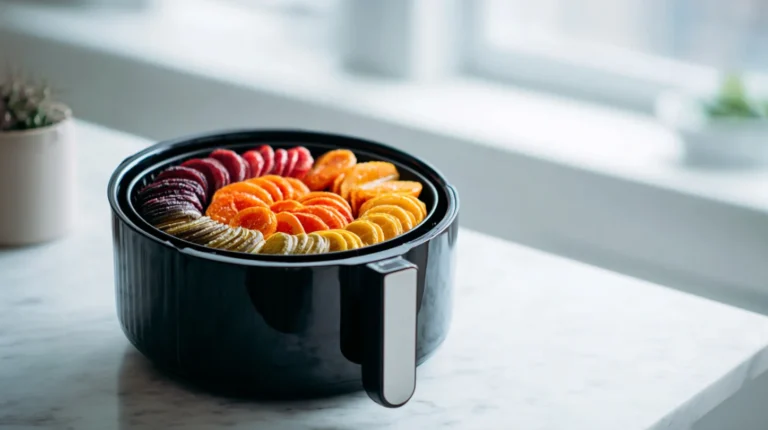
Roasting vegetables brings out their natural sweetness and makes them easier to digest. Toss zucchini, bell peppers, and carrots with olive oil, garlic, and paprika. Roast at 425°F for 20-25 minutes until edges are golden. The high heat caramelizes the sugars and enhances flavor without adding calories.
Simple Slow-Cooker Recipes
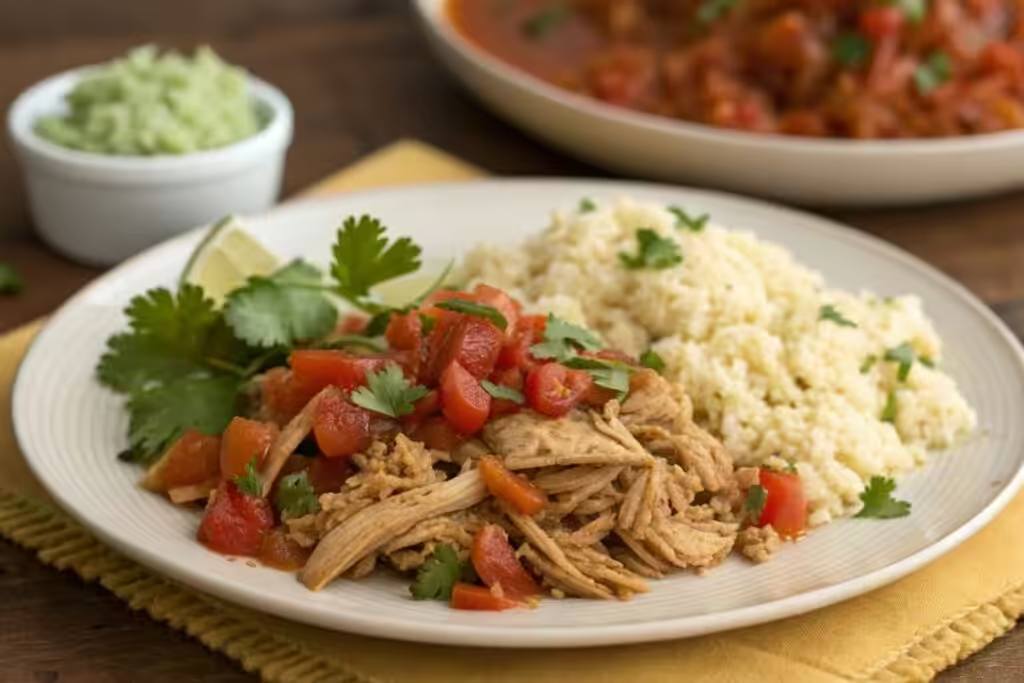
Slow cooker meals require minimal effort. For shredded chicken with salsa: add 2-3 chicken breasts, a jar of low-sugar salsa, and taco seasoning to your slow cooker. Cook on low for 6-8 hours. Shred the chicken and serve over cauliflower rice or in lettuce wraps. This makes enough for multiple meals.
Snacks and Small Meals for Bariatric Patients

Healthy Grab-and-Go Options
Keep portable protein snacks ready: hard-boiled eggs, string cheese, and small portions of unsalted nuts (about 1 ounce). These prevent you from getting too hungry between meals and making poor food choices. Store them in your fridge, car, or desk at work.
Homemade Protein Bars and Energy Bites
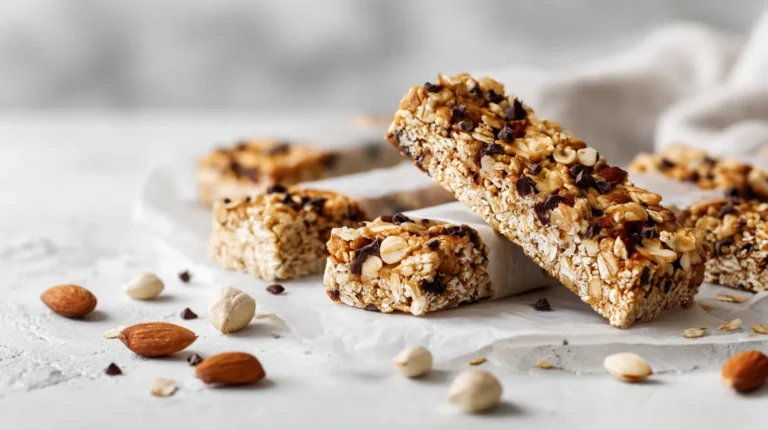
Store-bought protein bars often have added sugars that cause dumping syndrome. Make your own: mix 1 cup oats, ½ cup peanut butter, 1 scoop protein powder, and 2 tablespoons honey. Roll into 1-inch balls and refrigerate. Each ball has about 5-6 grams of protein.
| Ingredient | Quantity |
|---|---|
| Oats | 1 cup |
| Peanut butter | 1/2 cup |
| Protein powder | 1 scoop |
| Honey | 2 tbsp |
Love this recipe? You’ll find more just like it on my Facebook and Pinterest pages.
Low-Sugar Desserts to Satisfy Cravings
You can still have dessert occasionally. Layer Greek yogurt with crushed nuts and unsweetened cocoa powder. Add a few fresh berries on top. This provides protein while satisfying sweet cravings without triggering dumping syndrome from excess sugar.
Addressing Common Challenges in Bariatric Nutrition
Overcoming Food Intolerance Issues
Many bariatric patients develop food intolerances after surgery. Common problem foods include dairy, greasy items, and high-sugar foods. Introduce new foods one at a time in small amounts. If something bothers you, wait a few weeks before trying it again. Your tolerance may improve over time. If dairy is an issue, try lactose-free milk or plant-based alternatives like almond milk.
Managing Cravings and Emotional Eating
Emotional eating is common, especially during stressful times. Keep bariatric-friendly snacks available so you’re not tempted by junk food. When cravings hit, try drinking water first, taking a short walk, or journaling. If you still want something sweet, try options like our pumpkin spice protein pancakes that provide protein along with flavor.
Dealing with Social Situations and Dining Out
Eating out requires planning. Review the menu beforehand and identify protein-based dishes. Order grilled proteins with steamed vegetables. Ask for sauces on the side. Request a to-go container when your meal arrives and immediately pack up half of it. Most restaurants serve portions way too large for bariatric patients.
Frequently Asked Questions About Bariatric Recipes
What are bariatric meals?
Bariatric meals are high-protein, low-sugar dishes served in small portions (typically ½ cup). They’re designed to maximize nutrition in limited stomach space while being easy to digest after weight loss surgery.
Is there anything you can never eat again after bariatric surgery?
Most patients can’t tolerate carbonated drinks, fried foods, and tough meats long-term. Some people develop permanent intolerances to specific foods. This varies by individual—follow your surgeon’s guidelines and reintroduce foods slowly under medical supervision.
What pasta can I eat after bariatric surgery?
Whole-grain or high-protein pasta works better than regular pasta. Serve very small portions (¼ cup cooked) and pair with lean protein and vegetables. Some patients tolerate pasta well, others don’t—test it carefully.
How do you survive a liquid diet before bariatric surgery?
Pre-surgery liquid diets typically last 1-2 weeks. Use protein shakes, clear broths, and sugar-free beverages. Vary flavors to prevent boredom. Stay hydrated. The diet shrinks your liver, making surgery safer—so compliance is critical even though it’s difficult.
Making Bariatric Recipes Work for You
Bariatric nutrition isn’t just about eating less—it’s about eating smarter. Every meal needs to deliver maximum nutrition in minimal volume. Focus on protein first, then vegetables, then small amounts of healthy fats. Plan your meals weekly, prep in batches, and keep healthy snacks readily available.
Success after bariatric surgery depends largely on following your dietary guidelines consistently. These recipes provide a starting point, but work closely with your surgical team and nutritionist to create a plan specific to your needs. Track your protein intake, take your supplements, and monitor for any food intolerances.
The adjustment period takes time. Some days will be easier than others. Focus on progress, not perfection. With proper nutrition and the right recipes, you’re setting yourself up for long-term success after surgery.