Steak and Pepper Stir Fry—A Flavorful and Easy Dinner Recipe
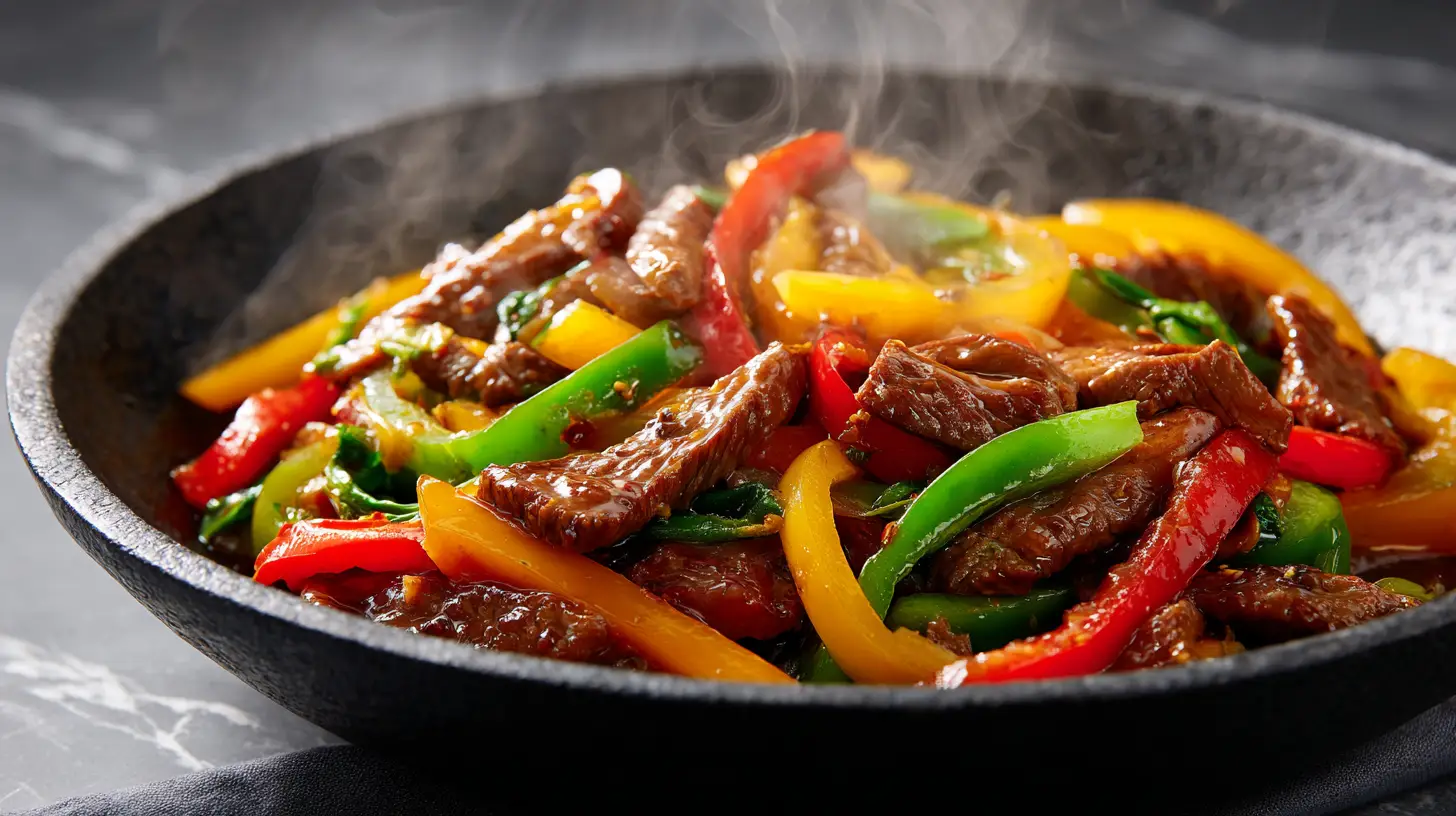
You know those nights when you’re craving something better than takeout, but you’ve only got 30 minutes before everyone’s hangry? That’s exactly when I make this steak and pepper stir-fry. It’s become our family’s secret weapon for busy weeknights—tender beef, those gorgeous colorful peppers, and a sauce that makes you want to lick the plate (don’t worry, I won’t tell).
Here’s what I love about this dish. First, it’s fast. It’s incredibly quick. Second, it tastes like you ordered from that fancy Chinese restaurant downtown, but you made it in your kitchen wearing pajamas (just me?). And third—this is the best part—my kids actually eat the vegetables without complaining.
In this guide, I’m sharing everything I’ve learned from making this recipe countless times. We’ll discuss which cut of steak works best (spoiler: you don’t need the expensive stuff), how to get that restaurant-style glossy sauce, and the one technique that keeps your beef melt-in-your-mouth tender. If you’re already a fan of stir-fried beef, you might also want to check out this beef stir-fry recipe that uses similar techniques with different flavors.
A 100-gram serving of cooked top sirloin provides about 27 g of protein and 2.7 mg of iron per USDA FoodData Central.
Whole cuts of beef like steak need to reach 145°F with a 3-minute rest for safety, per the USDA FSIS.
Why This Steak and Pepper Stir-Fry Works Every Time
Look, I’ve messed up plenty of stir-fries in my day. Is the beef so tough that it could double as shoe leather? I have been there. Have you ever encountered a watery sauce that refuses to adhere to any surface? Done that. But once I figured out a few key tricks, everything changed.
This steak and pepper stir-fry checks all the boxes for what makes a weeknight dinner actually doable. You’re in and out of the kitchen in about 30 minutes, tops. It’s healthier than ordering in (and way cheaper). Plus, you can easily swap ingredients based on what’s hiding in your fridge.
The beauty of stir-fry? It’s forgiving. Have you run out of red peppers? Use whatever color you’ve got. Want it spicier? Toss in some chili flakes. Need to stretch it for unexpected dinner guests? Just add more veggies. That’s the kind of flexible recipe that actually fits into real life.
Where Pepper Steak Actually Comes From
Fun fact: pepper steak isn’t really Chinese—it’s Chinese-American. It was created by Chinese immigrants who adapted their traditional stir-fry techniques with ingredients they could find here in the States. That’s why it features bell peppers (not common in traditional Chinese cooking) and a thicker, sweeter sauce than what you’d find in Beijing.
Honestly, I think that makes it even better. It’s proof that great food evolves, adapts, and becomes something new when different cultures meet in the kitchen.
Picking the Right Steak (Without Breaking the Bank)
This is the point where people often feel intimidated, but you shouldn’t let that stop you. You absolutely do not need a fancy cut of beef for stir-fry. In fact, some of the pricier cuts aren’t even ideal because they don’t absorb the marinade as well.
What you do need is meat that slices easily and cooks fast. That’s it. When I’m at the grocery store, I usually grab flank steak because it’s lean and flavorful, and my butcher can slice it thin for me if I ask nicely (pro tip right there). For more ideas on working with different beef cuts, take a look at this guide on how to cook arm roast—it’s a totally different approach but shows you how versatile beef can be.
The Best Steak Cuts for Steak and Pepper Stir-Fry
Let me break down your options, because they each have their moment:
Flank steak is my usual go-to. It’s got excellent beefy flavor and stays tender if you slice it right (more on that in a sec). It soaks up marinades like a sponge, which means maximum flavor.
Sirloin is perfect when flank steak isn’t on sale. It’s a bit more tender naturally, so it’s forgiving if you’re new to this. Slightly pricier, but still totally reasonable.
Ribeye is what I use when I’m feeling fancy or when Nicolas brings home a good deal from the butcher. All that marbling means it’s juicy and rich. Just know you’re paying more for that extra fat.
Top round is the budget option. It’s lean (translation: can get tough), so you really need to marinate it properly and not overcook it. But if you do it right? Totally works.
The Slicing Trick That Changes Everything
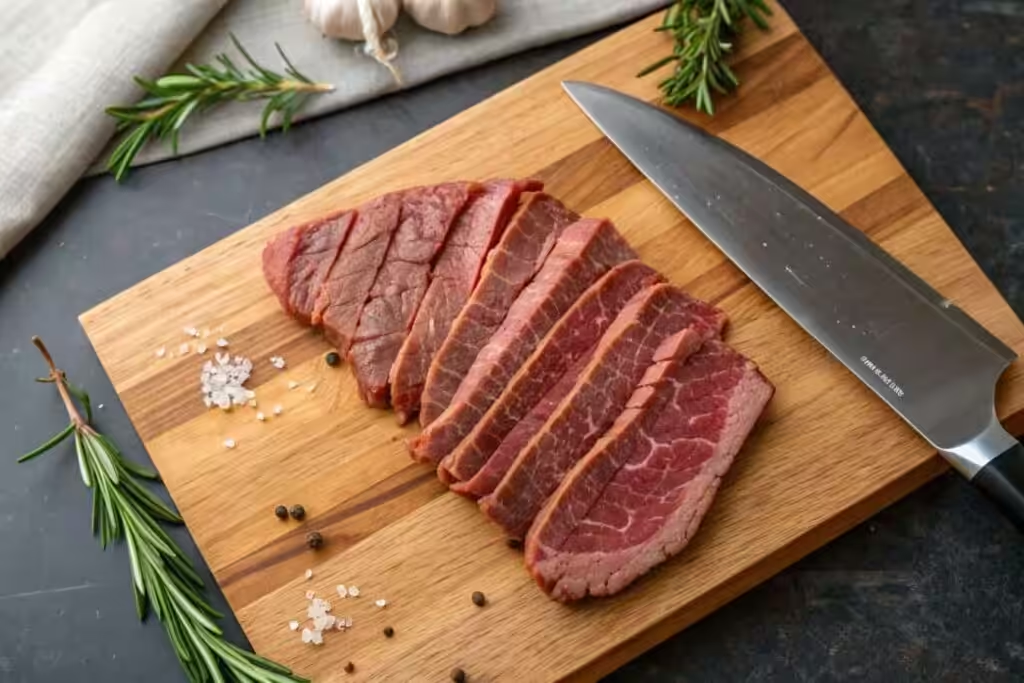
Okay, this is huge. The way you slice your beef makes the difference between tender and chewy. You want to cut against the grain—meaning perpendicular to those little lines you see running through the meat.
Why? This is because you are essentially slicing through the muscle fibers, resulting in a reduction in their length. Shorter fibers make the beef easier to chew and result in tender meat. This is truly remarkable, isn’t it?
Here’s my trick: pop the steak in the freezer for about 20 minutes before slicing. It firms up just enough that you can get those nice thin slices without the meat sliding around under your knife. Aim for about ¼-inch-thick strips. Not paper-thin, but definitely not chunky.
All About the Peppers
Can we discuss how gorgeous this dish looks? All those bright colors come from the peppers, and honestly, that’s half the appeal. My youngest daughter eats with her eyes first (don’t we all?), and she’s way more excited about dinner when it looks like a rainbow.
Bell peppers are the classic choice here, and I usually use a mix of red, yellow, and green. Each color brings something different—red and yellow are sweeter, while green adds a slightly bitter edge that balances everything out. If you’re in a veggie-forward mood, you might also enjoy this vegetable stir-fry with peanut sauce that takes a similar approach with even more produce.
How to Prep Peppers Properly
The goal is crisp-tender peppers, not mushy ones that have given up on life. That means cutting them into strips about ¼-inch wide—thin enough to cook quickly, thick enough to keep some crunch.
Use a sharp knife. A dull one bruises the peppers, and they release more water, which leads to a watery stir-fry (been there, learned that lesson). Furthermore, don’t add them too early. They need way less cooking time than you think—just 2-3 minutes and they’re done.
Mixing Up the Colors
Sometimes I throw in mini sweet peppers if I find them at the store. They’re even sweeter than regular bells and add this delightful pop of color. Want some heat? Slice up a jalapeño or toss in a Thai chili. Just make sure to warn your family first, as I learned that lesson the hard way.
The Secret to Tender Beef (It’s Called Velveting)
This is a revolutionary technique that I wish I had discovered years ago. It’s called velveting, and it’s the reason restaurant stir-fry tastes so much better than what most of us make at home.
Basically, you coat the beef in a mixture of cornstarch, soy sauce, and a tiny bit of oil before cooking. This creates a protective barrier that locks in moisture and keeps the meat tender even over high heat. It also helps the sauce cling to every piece instead of sliding off into the bottom of your bowl.
How I Velvet Beef at Home
It’s easier than it sounds, I promise. After I slice the beef, I toss it in a bowl with about a tablespoon of cornstarch, a tablespoon of soy sauce, and a drizzle of neutral oil. Mix it with your hands (yes, get in there) until every piece is coated. Then let it sit for at least 15 minutes while you prep everything else.
Some recipes add a pinch of baking soda to really break down the meat fibers, but honestly? I skip that because I find the cornstarch method alone works excellently. If you’re curious about other ways to get beef tender, check out “What is an arm roast good for?”—it covers different tenderizing approaches for tougher cuts.
Flavor Boosters I Always Use
A splash of Shaoxing wine in the marinade adds depth (you can substitute dry sherry if that’s what you’ve got). Oyster sauce adds a rich, slightly sweet, and super savory flavor to the final sauce that makes you go “wow.” And a tiny drizzle of sesame oil at the very end? That’s the aromatic finish that makes everything smell incredible.
Making the Sauce (The Easy Part)
Good news: the sauce for steak and pepper stir-fry comes together in about 30 seconds. You’re basically whisking a few ingredients in a small bowl while everything else cooks. That’s it.
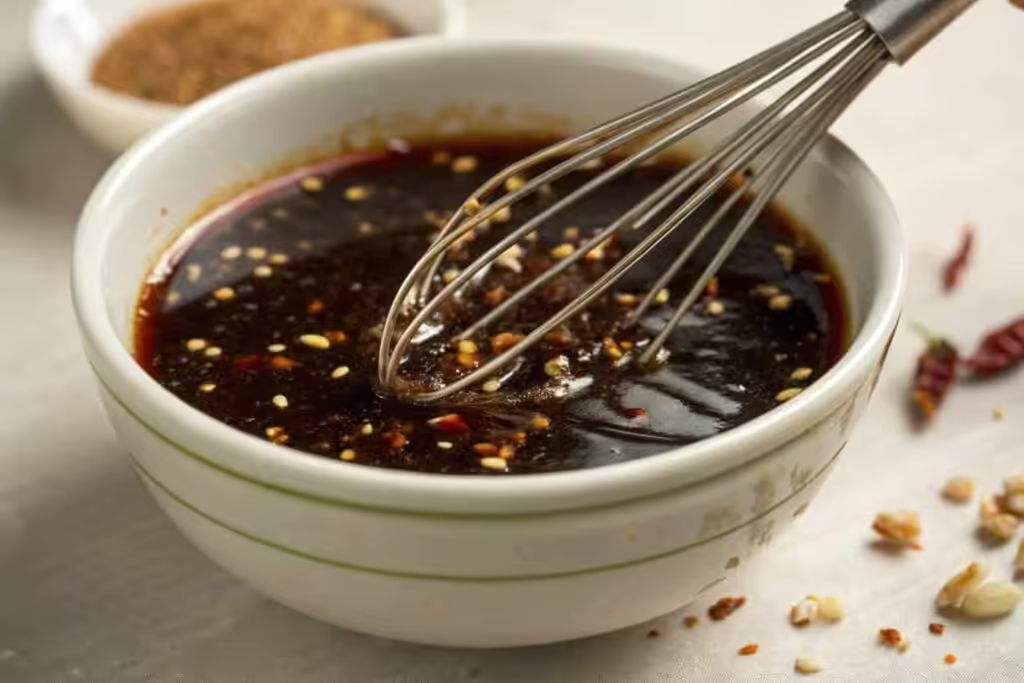
What Goes in the sauce?
Here’s what I keep on hand: soy sauce (the base), oyster sauce (for richness and that glossy shine), a bit of brown sugar or honey (balances the salt), beef broth (thins it out just enough), fresh garlic and ginger (non-negotiable), and cornstarch mixed with cold water to thicken everything up.
While the ratio is important, it’s not a complex process. Taste as you go. Too salty? Add a pinch more sugar. Too sweet? Splash in more soy sauce. If the consistency is not sufficiently thick, add more cornstarch slurry. Add more cornstarch slurry to the mixture. You’ve got this.
Getting That Glossy Finish
That shiny, restaurant-quality coating comes from the cornstarch slurry. Mix about a tablespoon of cornstarch with two tablespoons of cold water (it’ll look like white paint—that’s normal). Stir it into the simmering sauce at the end and let it bubble for about 30 seconds.
Don’t skip that bubbling part. You need to cook off the raw starch taste, or your sauce will be weirdly chalky. Once it thickens and turns glossy, you’re golden.
Cooking It All Together (Step by Step)
Alright, here’s where we put it all into action. Stir-fry is one of those things where the actual cooking takes way less time than the prep, so make sure you’ve got everything ready before you turn on the heat.
Before You Start Cooking
Have your sliced beef marinated and ready. Peppers cut into strips. Sauce mixed in a bowl. Mince the garlic and ginger. Ensure that everything is conveniently located near the stove. This step is called mise en place (a fancy French term for “get your act together”), and it makes all the difference.
Use a large wok or your biggest skillet. You need space so the ingredients sear instead of steam.
The Cooking Order
Crank your heat up high and let the pan get screaming hot. Add a tablespoon of oil (I use vegetable or avocado oil—something with a high smoke point). Once it shimmers, add the beef in a single layer. Don’t move it! Let it sear for about a minute, then flip and cook another minute. You want some color, some char. That’s flavor.
Take the beef out and set it aside. Add another splash of oil, then toss in your peppers. Stir-fry them for 2-3 minutes—just until they start to soften but still have snap.
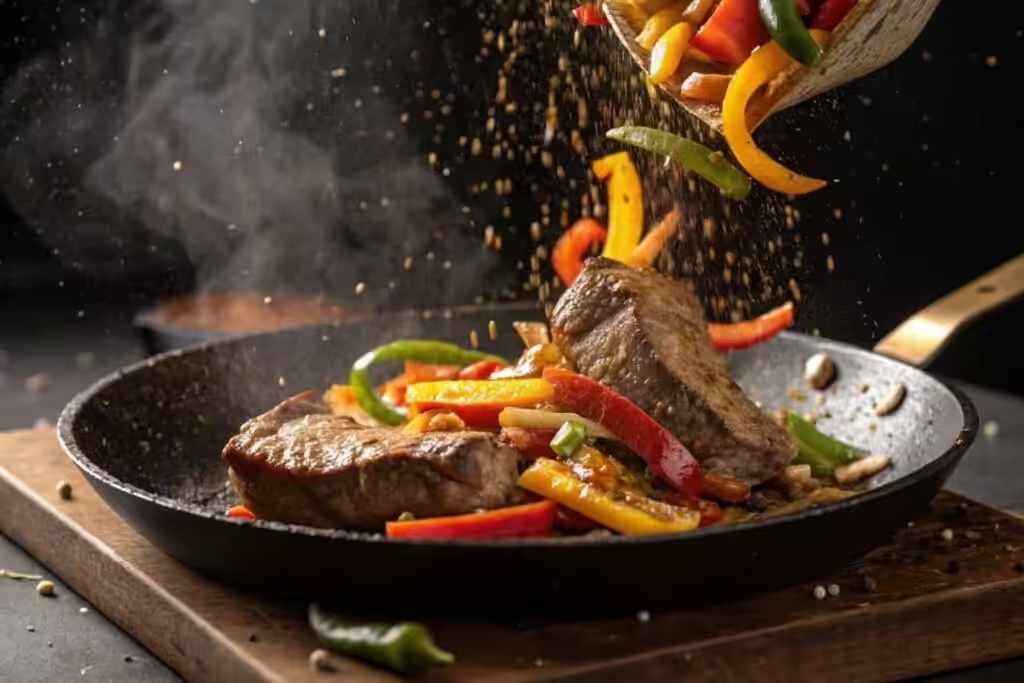
Now bring the beef back to the pan. Pour in your sauce. Stir everything together and let it bubble for 30 seconds while the sauce thickens and coats everything. Finish with that drizzle of sesame oil, give it one last toss, and you’re done.
Getting That Smoky Flavor
You know that slightly charred, smoky taste you get from excellent Chinese takeout? That’s called wok hei, and it only happens with really high heat. Don’t be scared of it. Don’t overcrowd your pan. And whatever you do, don’t keep stirring constantly—let things sit and develop some color.
What to Serve It With
This steak and pepper stir-fry is pretty much a complete meal on its own, but it definitely needs a base. Rice is the classic move—I usually make a big pot of jasmine rice because it’s fragrant and fluffy and soaks up all that sauce.
If you want something heartier alongside, try pairing it with this Hawaiian beef stew recipe for a full spread. Alternatively, you can opt for a simpler approach, where we simply prepare an excess of rice and conclude the meal.
Rice Options
Jasmine rice is my favorite—it’s soft, slightly sticky, and smells amazing. Brown rice works if you want more fiber and a nuttier flavor, though it takes longer to cook. Fried rice is perfect if you’ve got leftovers you want to use up. And if you’re going low-carb, cauliflower rice actually works really well here since the sauce is so flavorful.
Low-Carb Alternatives
If you’re not in the mood for rice, consider these low-carb alternatives: Zucchini noodles (zoodles) are a fun, lighter option. Stir-fried cabbage is another tasty one—it stays crispy and adds even more veggies to your plate. Both work exceptionally well at soaking up that glossy sauce.
Leftover Ideas (If You Have Any)
Leftovers barely exist in our house, but when they do, I’ll wrap them in a tortilla for a quick lunch. Or toss them with rice noodles for a totally different meal the next day. You can even serve it cold over salad greens with a sesame dressing—works surprisingly well.
Need more quick dinner ideas? Browse through these Instant Pot recipes for even more weeknight solutions.
Mistakes I’ve Made (So You Don’t Have To)
Let’s be real—I messed up stir-fry more times than I can count when I was first learning. Here are the most significant lessons I discovered through trial and error.
Why Your Beef Gets Tough
Usually it’s one of three things. You used the wrong cut (like stew meat—don’t do that). You didn’t slice against the grain. Or you overcooked it. Beef for stir-fry cooks in literally 2-3 minutes total. Any longer and it starts getting chewy.
The marinade helps, too. If you skip that cornstarch coating, the meat won’t stay as tender. Trust the process.
Avoiding Watery Stir-Fry
This one drove me crazy until I figured it out. Make sure your pan is hot. Like, really hot. If it’s not hot enough, your ingredients release water instead of searing. Furthermore, don’t crowd the pan—cook in batches if you need to. And add the sauce at the very end, not the beginning.
The Overcrowding Problem
When you pile too much into the pan at once, the temperature drops and everything steams instead of frying. It’s tempting to cook it all together (fewer dishes!), but resist. Do the beef first, take it out, and then do the peppers. It makes such a huge difference.
Your Questions are answered.
These are the questions I get asked most often when I share this recipe with friends.
What’s actually in pepper steak sauce?
It’s a mix of soy sauce, oyster sauce, a little brown sugar or honey, beef broth, garlic, ginger, and cornstarch to thicken. Some people add a splash of rice vinegar or sesame oil at the end. Black pepper gives it that signature kick, though honestly you can adjust the heat level to your taste.
What makes stir-fried beef so tender?
The secret is velveting—coating the beef with cornstarch before cooking. It creates a barrier that locks in moisture and gives you that silky texture. Combined with slicing against the grain and not overcooking, you get restaurant-quality tender beef every time.
Which steak should I buy for stir-fry?
Flank steak is my top pick—it’s affordable, flavorful, and stays tender when sliced thin. Sirloin is a close second if you want something a bit more tender. Ribeye works great if you’re feeling fancy and don’t mind spending more. Avoid anything labeled “stew meat” or super thick cuts that won’t cook fast enough.
Is flank steak or sirloin better for pepper steak?
Both work beautifully, just in slightly different ways. Flank absorbs marinades better and has great beefy flavor, but you have to slice it carefully against the grain. Sirloin is naturally more tender and forgiving, which makes it perfect if you’re new to stir-fry. I switch between them depending on what’s on sale that week.
Final Thoughts
So there you have it—everything I know about making steak and pepper stir-fry that actually tastes like you know what you’re doing (even if it’s your first time). Once you get the hang of the technique, you can riff on it endlessly. Swap the peppers for broccoli. Try different sauces. Make it spicy or keep it mild for the kids.
The best part? It gets easier every time you make it. Pretty soon you won’t even need to look at a recipe—you’ll just grab whatever’s in the fridge and turn it into something delicious. Want more quick beef recipes? Check out this beef stir-fry recipe that takes the same approach with different flavors, or explore steak pasta recipes for another easy weeknight option.
Now go make this. Your family’s going to think you’ve been secretly taking cooking classes.