Smoker Recipes Made Easy: Delicious Dishes for Every Skill Level
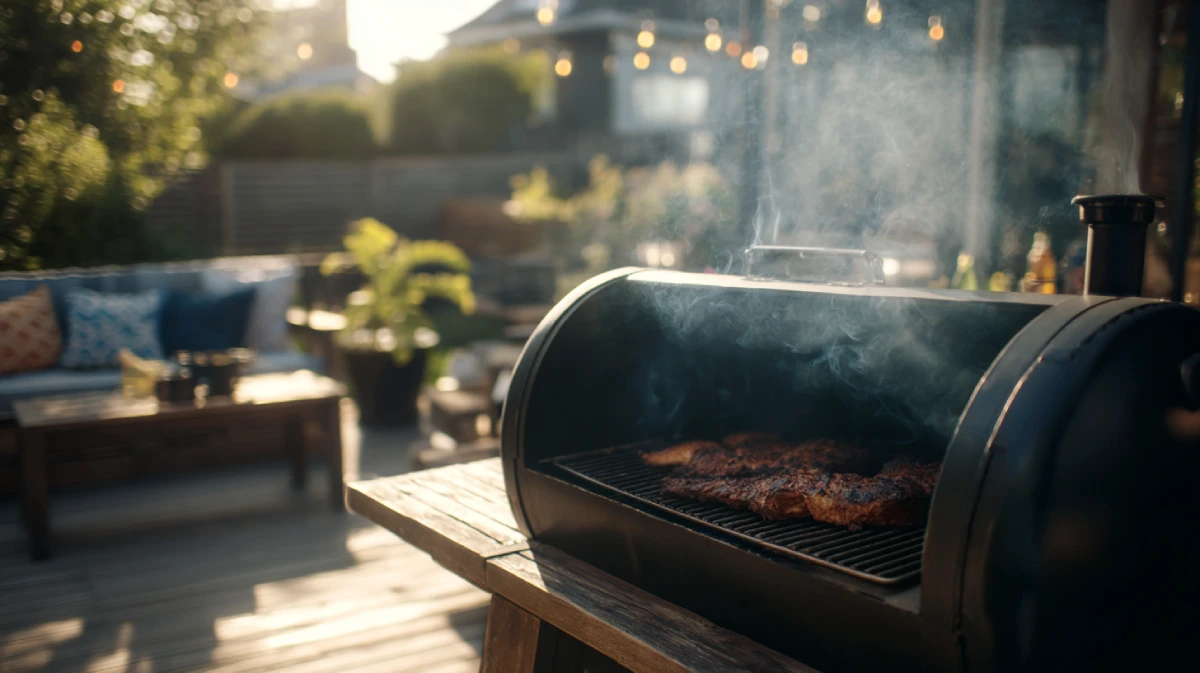
Smoking food has this way of making you feel like you’ve accomplished something, even when you’re mostly just sitting around waiting for meat to cook. There’s something satisfying about the smell of wood smoke drifting through your backyard while dinner slowly transforms into something way better than it would be in a regular oven.
The thing about smoker recipes is they’re designed around patience. You can’t rush this kind of cooking, which is either frustrating or relaxing depending on how you look at it. Most smokers want the unique flavor that can’t be replicated.
Why Smoking Food Creates Better Flavor and Texture
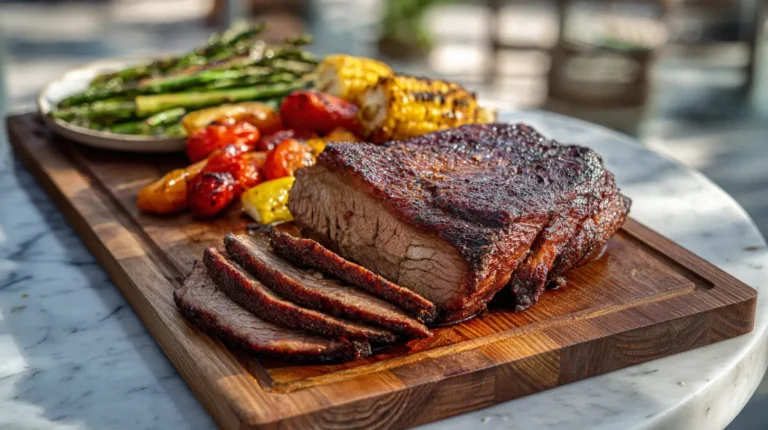
The low-and-slow cooking process does things to meat that high heat never could. Tough cuts become tender, fat renders slowly, and everything absorbs this deep smoky flavor that penetrates way beyond the surface. Brisket cooked in an oven tastes like beef. Brisket cooked in a smoker tastes like an experience.
It’s also oddly social. People tend to hang around when you’re smoking something, probably because of the smell. You find yourself standing beside the smoker with a beer in hand, monitoring temperatures and engaging in trivial conversation. That part of it is almost as satisfying as eating the food.
Choosing a Smoker
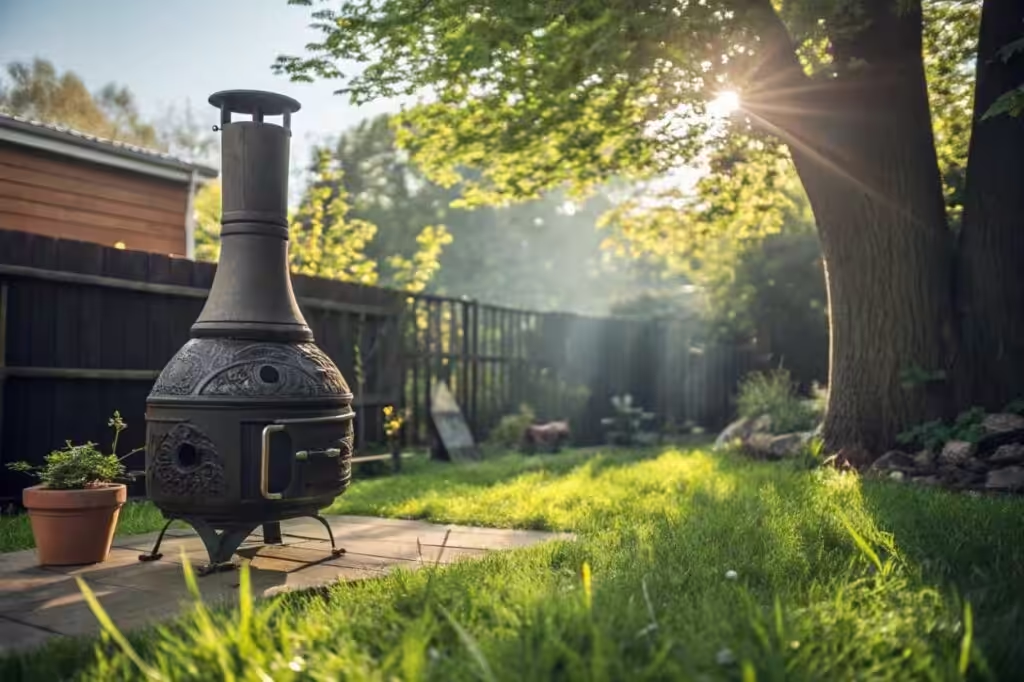
Picking the right smoker matters more than people think. Charcoal smokers give you that traditional flavor but require more attention. You’re constantly adjusting vents and adding fuel to maintain temperature. It’s hands-on, which some people love and others find annoying.
Electric smokers are the opposite. Plug them in, set the temperature, and forget about them until the food’s done. They don’t produce quite the same depth of smoke flavor, but they’re convenient and consistent. Gas smokers fall somewhere in the middle, offering portability and ease while still using actual fire.
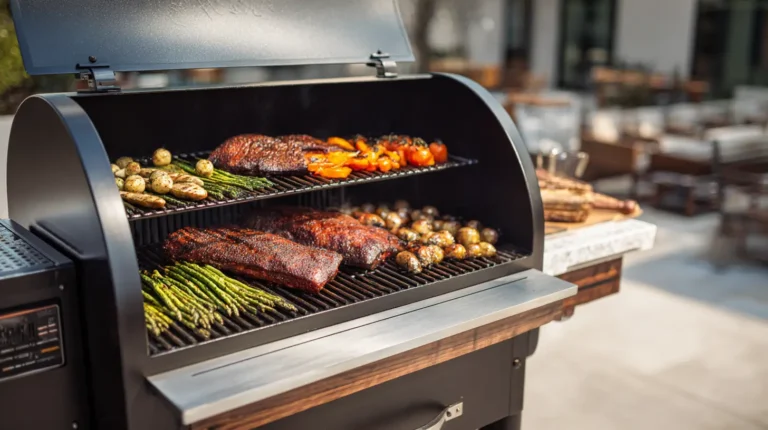
Pellet smokers are the fancy option. They burn wood pellets and often have digital controls that maintain precise temperatures automatically. They’re expensive but produce outstanding results with minimal effort. If you’re serious about smoking and have the budget, pellets are probably worth it.
For beginners, I’d say start with electric or gas. Get comfortable with the basics before investing in something that requires more skill. Once you know what you’re doing, you can always upgrade to charcoal or pellets if you want more control or flavor.
Budget Considerations
You don’t need to spend a fortune to start smoking. Decent entry-level smokers cost around a hundred bucks, sometimes less if you find them on sale or secondhand. The more you spend, the better the temperature control and build quality, but cheap smokers can still produce excellent food if you pay attention to what you’re doing.
Size matters too. Cooking for two people doesn’t require the same capacity as feeding a crowd. Think about how you’ll actually use it before buying the biggest model available. A smaller smoker is easier to manage and uses less fuel.
Essential Tools
A meat thermometer is non-negotiable. Guessing doneness by look or feel works sometimes, but a thermometer eliminates the guesswork and prevents both undercooking and ruining expensive cuts by overcooking them. Get one with a probe you can leave in the meat while it smokes.
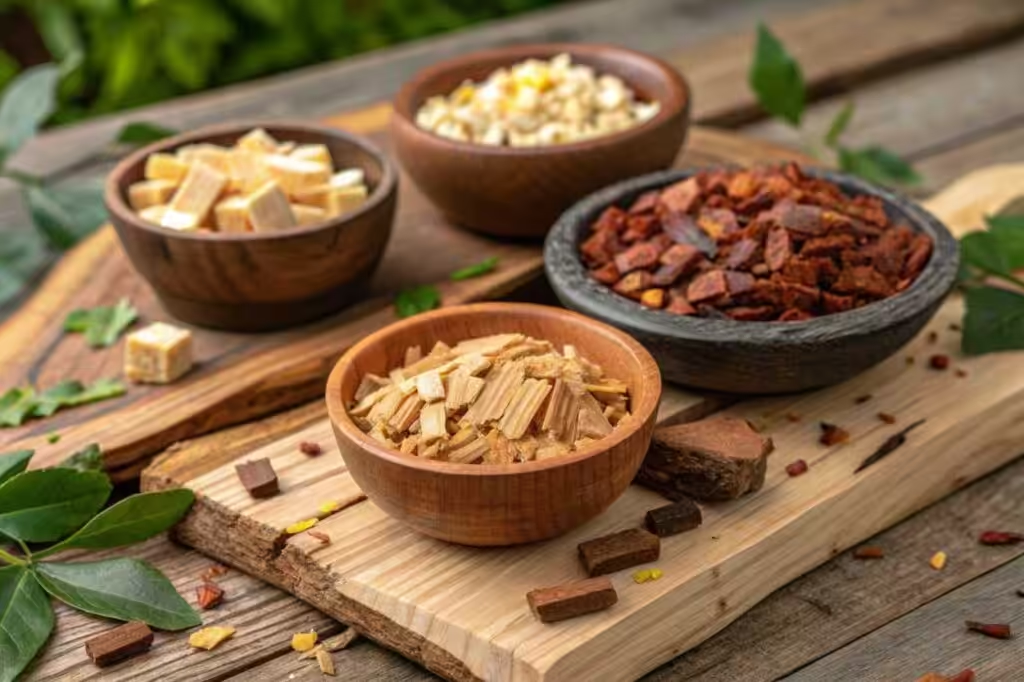
Wood chips or chunks are obviously necessary. Hickory is the standard for beef and pork, giving that classic BBQ flavor. Applewood is milder and slightly sweet, suitable for chicken or fish. Mesquite is intense and can overpower delicate meats if you’re not careful. Cherry adds a subtle fruitiness that works well with poultry.
Drip pans catch grease and make cleanup way easier. They also prevent flare-ups if fat drips onto hot coals or burners. Good tongs are essential for handling hot meat without burning yourself. A basting brush helps if you want to apply sauce or mop during cooking.
A grill cover protects your investment from weather. Smokers left outside year-round will rust and deteriorate faster without protection. It’s a small cost compared to replacing the whole unit.
Preparing to Smoke
New smokers need to be seasoned before the first use. This means coating the interior with oil and heating it up to burn off manufacturing residue. It also helps build up a protective layer that prevents rust and improves heat retention over time.
To ensure optimal performance during regular use, please make sure it is clean. Remove ash from previous cooks, wipe down the grates, and check that vents aren’t clogged. A dirty smoker affects temperature control and can make food taste off.
Temperature is critical. Most smoking happens between 225 and 250 degrees. If the temperature drops lower than that, you risk food sitting too long in the temperature danger zone, which is where bacteria grow. Higher and you’re basically slow-roasting instead of smoking.
Common mistakes include using too much wood, which makes food taste bitter, and opening the lid too often to check on things. Every time you lift the lid, heat escapes and extends cooking time. Trust your thermometer and leave it alone as much as possible.
Wood Selection
The wood you use affects flavor more than people realize. Hickory is strong and bold, perfect for beef and pork. Applewood is sweet and mild, ideal for lighter meats like chicken or turkey. Mesquite is intense, almost aggressive. Use it sparingly, or it’ll overpower everything.
Cherry adds a subtle fruity sweetness without being too obvious. It’s versatile and works with most meats. Oak is neutral and burns slowly, making it suitable for long smokes where you want smoke flavor without it being the dominant note.
Mixing woods can create intriguing flavor profiles. Combining hickory and apple gives you strong smoke with a hint of sweetness. Cherry and oak balance the sweetness of the fruit with a neutral flavor. Just don’t go overboard; use a maximum of two types, or you’ll muddy the flavors.
Beginner Recipes
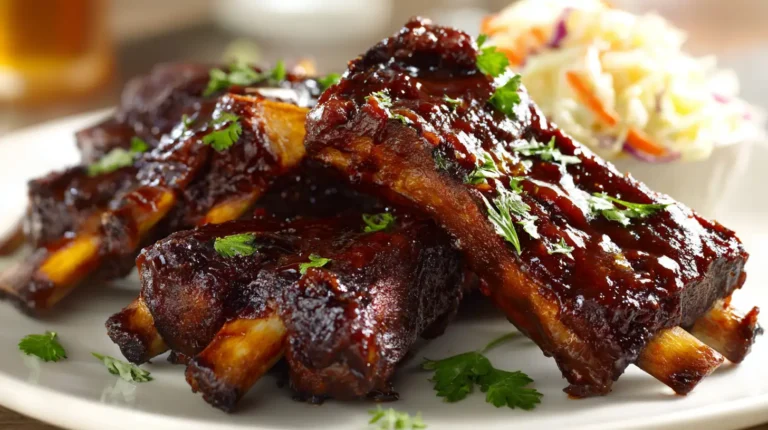
Chicken wings are probably the easiest place to start. They cook relatively quickly, around two hours, and it’s difficult to mess them up too badly. Season with salt, pepper, and smoked paprika. Smoke the ribs at 225 degrees until they reach an internal temperature of 165 degrees. The skin gets crispy, and the meat stays juicy.
Pulled pork is another excellent beginner option despite the long cooking time. Pork shoulder is cheap and forgiving; the fat content keeps it moist even if you slightly overcook it. Rub it with whatever spices you like, smoke it for 8 to 12 hours until it reaches 195 to 205 degrees internally, then shred it. Serve on buns with coleslaw.
Vegetables work surprisingly well in a smoker. Bell peppers, zucchini, and mushrooms absorb smoke flavor without getting mushy if you watch the timing. Toss them with olive oil and seasoning, and smoke for 30 to 45 minutes at 225 degrees. These dishes can serve as a good side option or a vegetarian main course.
Advanced Techniques
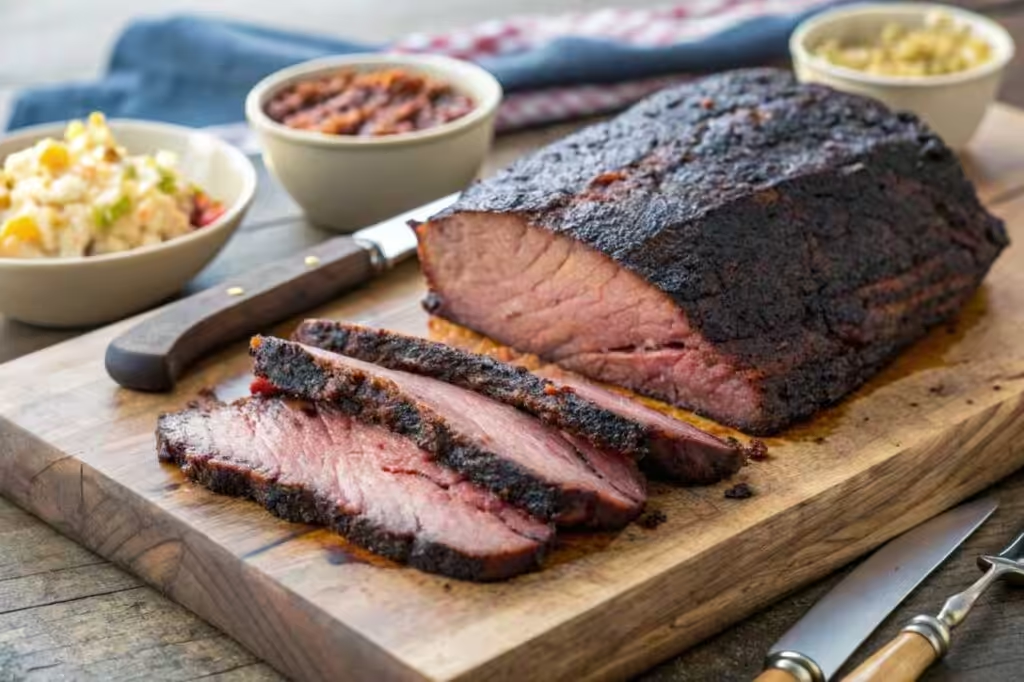
Brisket is the ultimate smoking challenge. It takes 10 to 12 hours minimum, sometimes longer for big cuts. The key is patience and maintaining a steady temperature. Some people wrap it in foil or butcher paper partway through to speed things up and keep it moist. Others leave it unwrapped the whole time for better bark.
The stall is a real thing with brisket. Around 150 to 170 degrees internal, the temperature stops rising for hours while moisture evaporates from the surface. It’s frustrating but normal. Wrapping helps push through the stall faster, though some purists insist on riding it out unwrapped.
Fish smokes quickly and takes on flavor fast. Salmon is popular for good reason; it’s got enough fat to stay moist, and the smoke complements its natural richness. Brine it first in salt, sugar, and water for an hour or two. Smoke at 225 degrees for about an hour, maybe less depending on thickness. Use mild wood like apple or cherry so you don’t overpower the fish. For more seafood ideas, try these Best Chicken Recipes that work on smokers too.
Smoking desserts sounds weird but actually works. Peaches, apples, and pears develop this caramelized sweetness with a hint of smoke. Even cheesecake can be smoked, though you need to be careful with temperature. Use very mild wood and short smoking times so the smoke doesn’t overpower the sweetness.
Common Problems
Over-smoking makes food taste bitter and acrid. It usually happens when you use too much wood or smoke for too long. Food absorbs most of its smoke flavor in the first few hours; after that, you’re mostly maintaining temperature. Use wood sparingly, and trust that less is often more.
Temperature fluctuations are frustrating. The issues arise from wind frequently opening the lid or insufficient fuel. If you’re using charcoal, arrange it in a snake pattern so it burns slowly and evenly. Dry meat is a common mistake. Dry meat is a common mistake. It happens when you cook it too hot or don’t wrap it at the right time.
Dry meat is a common mistake. It happens when you cook too hot or don’t wrap at the right time. Dry meat is a common mistake. It happens when you cook at too high a temperature or don’t wrap it at the right time. It occurs when the temperature is set too high or when the timing of the wrapping is off. Using a water pan in the smoker helps maintain humidity.
Marinades and Rubs
Marinades add flavor and help tenderize meat. A basic one might be soy sauce, olive oil, garlic, and some acid like vinegar or lemon juice. Let the meat sit in it for a few hours or overnight. Avoid cooking for too long, as the acid can cause the texture to become mushy, particularly with fish.
Dry rubs are faster, and they create that crusty bark on the outside. Mix salt, pepper, paprika, brown sugar, and whatever other spices appeal to you. Pat the meat dry before applying so it sticks better. Let it sit for at least 30 minutes before smoking so the flavors penetrate.
Sauces can be applied near the end of cooking or served on the side. If you put sauce on too early, the sugar will burn and turn bitter. The last 30 minutes are usually safe for glazing. Some individuals favor dry-rubbed meat without any sauce, allowing the smoke and seasoning to shine through.
Health and Safety
Selecting lean meats and limiting sauces can make smoked food healthier. Chicken, turkey, and fish are excellent options. Load up on smoked vegetables as sides instead of heavy stuff like mac and cheese. For more info on health considerations, read about Is Smoked Meat Bad for You.
Always use a thermometer to check doneness. Undercooked meat can make you sick, especially poultry. Chicken needs to hit 165 degrees internally; pork should reach at least 145, though pulled pork goes higher. Beef can be eaten at lower temperatures depending on how you like it done.
Use food-safe wood. Avoid treated lumber, pine, or cedar, which can release chemicals when burned. Stick to hardwoods meant for smoking. Keep your smoker clean to prevent grease buildup and potential fires.
Budget Smoking
Smoking doesn’t have to be expensive. Cheaper cuts like chicken thighs, pork shoulder, or beef chuck work exceptionally because the low-and-slow method tenderizes them. These cuts benefit more from smoking than expensive steaks would anyway.
Make your own wood chips if you have access to fruit trees. Dry and chop small branches, then use them instead of buying bags. Store pellets in airtight containers so moisture doesn’t ruin them. Use leftovers creatively; smoked meat works wonderfully in soups, salads, tacos, or sandwiches.
Maintenance
Clean your smoker after each use. Brush the grates while they’re still warm, empty ash from the firebox, and wipe down the interior. Grease buildup causes flare-ups and affects flavor, so don’t let it accumulate.
Store wood properly in a dry place. Moisture makes pellets swell and break apart, clogging the auger in pellet smokers. Even chips and chunks burn unevenly if they’re damp. Inspect the temperature probe occasionally; dust and grease can build up and cause false readings.
Replace worn parts as needed. Gaskets, grates, and drip pans eventually need replacing. It’s cheaper than buying a new smoker and keeps yours working properly.
Common Questions
Is smoking food hard for beginners?
Smoking food is not hard for beginners if you start with the right expectations and simple recipes. The biggest mistake new smokers make is trying to do everything at once. Smoking food is about controlling temperature, choosing the right wood, and giving the process time.
Beginner-friendly food Smoking recipes focus on forgiving ingredients like chicken thighs, whole chicken, or pork shoulder. These cuts stay moist, tolerate small temperature mistakes, and still deliver great results. You don’t need advanced techniques or expensive equipment to get started.
Once you understand basic food smoking techniques—low, steady heat and light smoke—you can gradually experiment with longer cooks, different woods, and more complex recipes. Most people are surprised by how approachable food smoking becomes after just a few sessions.
What food is best to smoke?
Classics like brisket, pulled pork, ribs, and whole chicken are popular because they benefit most from low-and-slow cooking. Fish, especially salmon, works great too. Vegetables, cheese, and even nuts can be smoked for interesting flavors. Really, you can smoke almost anything if you adjust time and temperature appropriately.
What should beginners smoke?
Start with forgiving recipes like chicken thighs, whole chicken, or pork shoulder. These cuts are affordable and difficult to ruin. Smoked vegetables are also good for practice. Once you’re comfortable, move on to more challenging dishes like ribs or brisket. For more beginner-friendly meals, refer to these chicken and potato recipes.
What meat can you smoke in three hours?
Chicken wings, pork chops, and salmon all cook in under three hours. Sausages are another quick option. These work well when you want smoked flavor but don’t have all day to tend a fire.
What’s the best wood for smoking?
It depends on what you’re cooking. Hickory is standard for beef and pork. Apple or cherry works well with chicken and fish. Mesquite is intense and excellent for beef if used sparingly. Oak is neutral and versatile. Experiment with different woods to find what you prefer. For more cooking tips, explore these low-sodium recipes that pair well with smoked dishes.
Final Thoughts
Smoking food may appear complex at first, but it becomes much simpler once you try it. The basics are straightforward: maintain low steady heat, use the right wood, and be patient. Everything else comes with practice and experimentation.
Start simple with chicken or pork shoulder. Get comfortable with temperature control and timing. Once you’ve got the fundamentals down, you can tackle more challenging recipes or start inventing your own. The beauty of smoking is that there’s always something new to try: different woods, unusual cuts of meat, and unexpected flavor combinations.
Most importantly, don’t stress about perfection. Even mediocre smoked food typically tastes pretty good due to the significant impact of smoke. Your first brisket may not be competition-worthy, but it’s still better than most oven-cooked meals. You’ll discover what suits your particular setup and tastes if you persevere.