Wood Pellet Grill Recipes: Chicken, Salmon, Brisket, and Vegetables
A wood pellet grill burns compressed wood pellets and holds a set temperature on its own, so it can smoke low and slow or grill hot and fast with steady heat and wood-fired flavor.
Quick Answer
- Wood pellet grills burn real wood pellets, which add smoke flavor to meat, fish, and vegetables
- 225°F (107°C) is the most common temperature for low-and-slow smoking
- Chicken, beef ribs, and salmon are good first recipes on a pellet grill
- Preheat the grill for about 15 minutes before adding food
- These recipes include exact temperatures, pellet wood recommendations, and cook times
Pellet grill recipes rely on what these grills do well: steady heat with wood-fired flavor. A brisket can cook for 12 hours with little attention, and vegetables grill in about 20 minutes, without constant temperature adjustments.
What Makes a Wood Pellet Grill Different
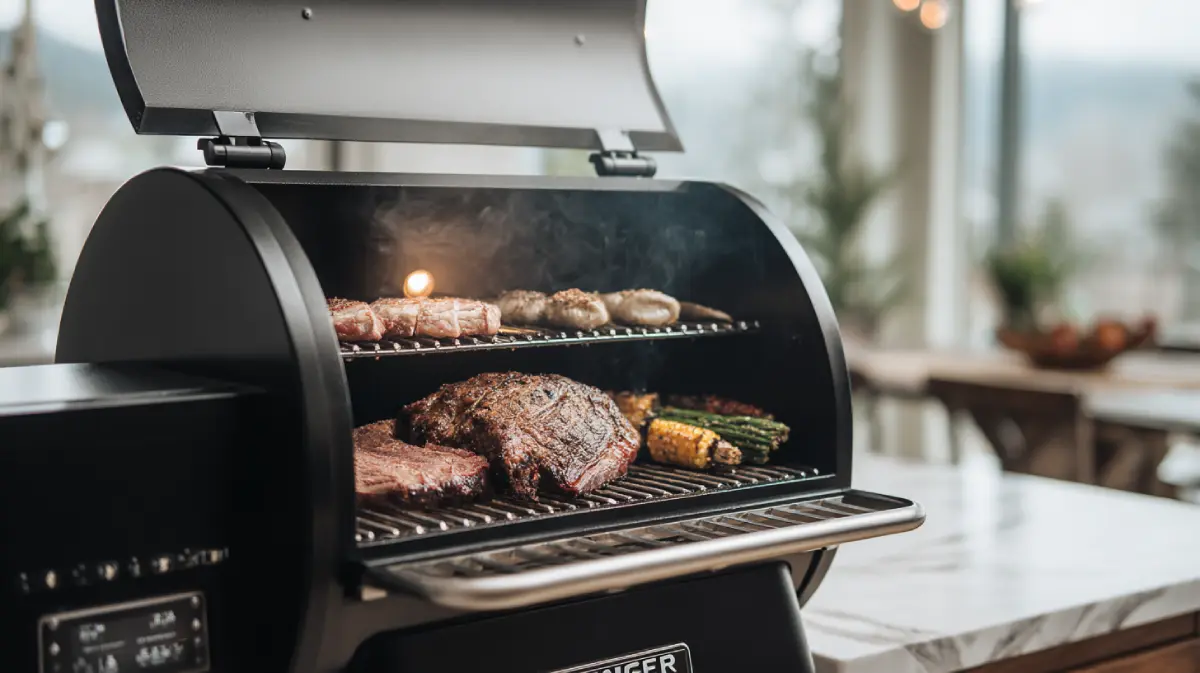
A pellet grill burns wood pellets instead of charcoal or gas. An auger feeds the pellets into a firebox automatically, so the grill holds the temperature that has been set. Pellets come in different woods, such as hickory, mesquite, apple, or cherry, and each gives food a slightly different flavor.
A pellet grill gives smoky flavor without the work of a traditional smoker, and the same machine handles low-and-slow cooking or hot-and-fast grilling: a brisket one day, a pizza the next. For more ideas, see these chicken and potato recipes, which adapt to a wood-fired grill.
What You Can Cook
Meats are the most common: ribs, brisket, pulled beef, chicken, and steaks. Vegetables take on a caramelized sweetness with wood smoke, and dishes not usually associated with grilling also work, such as mac and cheese, baked beans, and chocolate chip cookies.
Desserts also work: the wood smoke adds depth to s’mores, fruit crisps, and even a whole pie. Use a milder wood such as apple or cherry so the smoke does not overpower the sweetness.
Getting Set Up
Little equipment is needed beyond the grill. Good-quality pellets matter: cheap ones can contain fillers that affect flavor and burn unevenly. Store them somewhere dry, since moisture makes them swell and jam the auger.
A probe meat thermometer is the most useful accessory. Most pellet grills have a built-in probe, but a second thermometer allows checking several pieces of meat or different spots. A grill cover protects the electronics and grates from weather if the grill stays outside year-round.
Drip trays and liners make cleanup easier. Disposable aluminum pans under the food catch grease and drippings.
Choosing Pellets
The type of wood pellets changes the flavor of the food. Hickory is the most common choice for beef because it gives a classic BBQ flavor. It is strong, so it can overpower delicate foods such as fish.
Apple and cherry pellets are milder and slightly sweet, and they work with chicken, beef, and most vegetables. Cherry suits lighter meats. Mesquite is the opposite, bold and earthy: good for beef but easily too strong for other foods.
Oak is versatile and adds smoke without a distinctive taste, a safe choice when unsure. Maple is sweet and subtle, good for breakfast foods or a light smoke. Pellets can also be mixed to create custom flavors.
Easy Wood Pellet Grill Recipes for Beginners
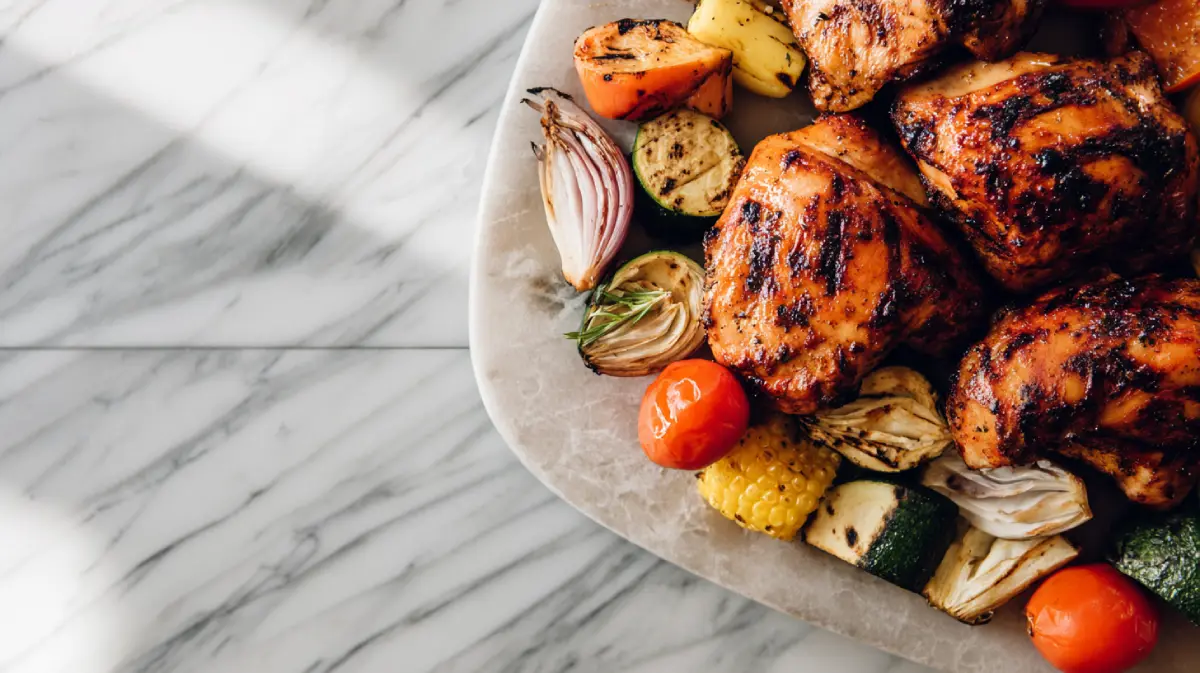
Start with something simple. Chicken thighs stay moist even when cooked a little longer. Season them with a dry rub, set the grill to 225°F, and smoke them for about 2 hours, until they reach 165°F inside.
The smoke flavors the meat during the slow cook, and the skin crisps if the heat is raised for the last 10 minutes. Brush on BBQ sauce near the end if desired; salt, pepper, and paprika are enough on their own.
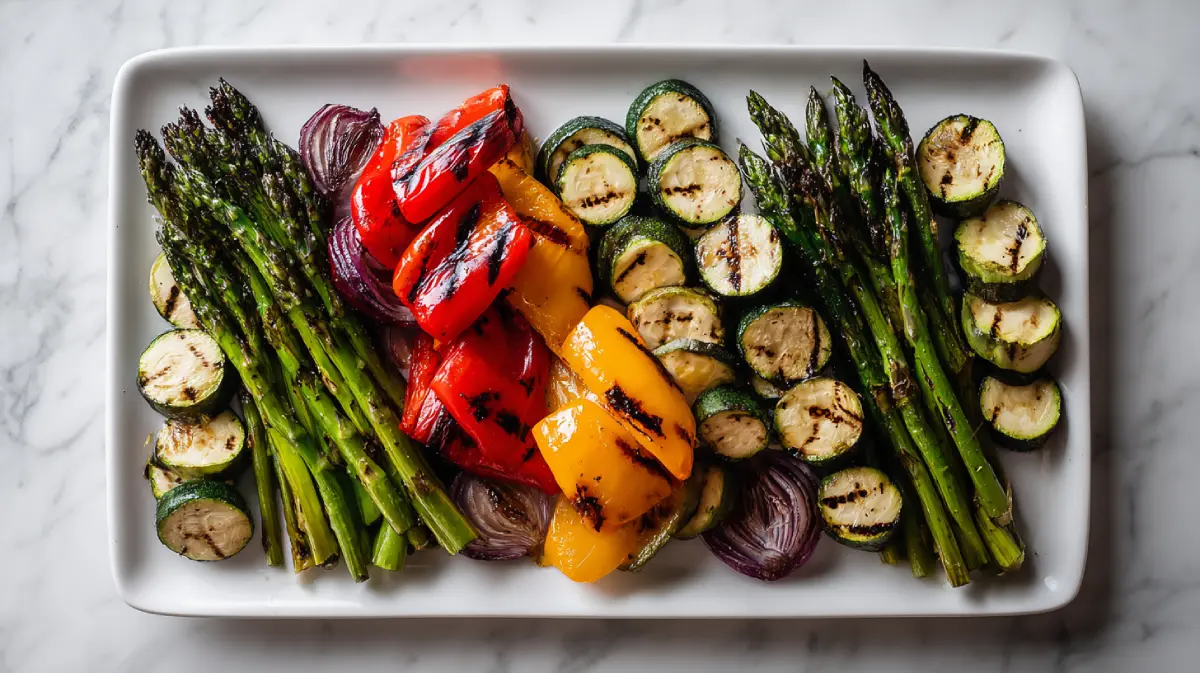
Grilled vegetables are even simpler. Toss them with olive oil, salt, and pepper, then grill at 350°F for 10 to 15 minutes. Bell peppers, zucchini, and asparagus all work well, and the wood smoke adds depth that a regular grill does not.
More Advanced Dishes
Cedar-planked salmon is a good next step. Soak cedar planks in water for an hour before grilling so they do not catch fire. Place the salmon on the planks, season it simply with olive oil, lemon, and dill, and grill at 375°F for about 20 minutes, until it reaches 145°F inside.
The cedar adds an earthy, aromatic flavor that suits fish. The plank protects the salmon from direct heat, so it stays moist while the smoke circulates around it.
Beef brisket is the most demanding cook. It takes 8 to 12 hours depending on size and needs patience more than attention. Season it with a rub, set the grill to 225°F, and let it cook.
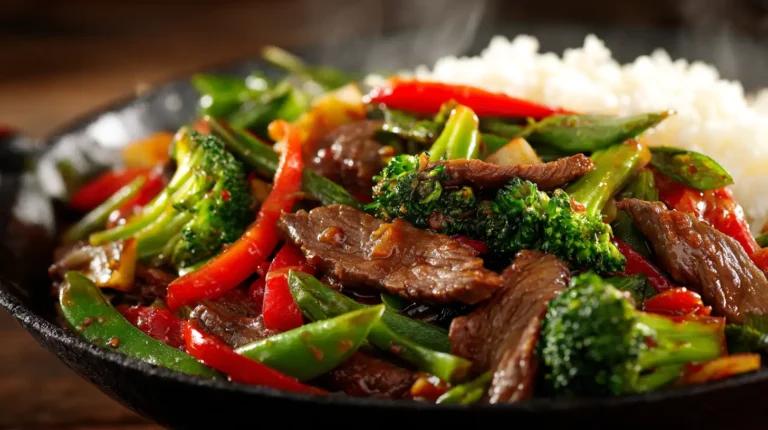
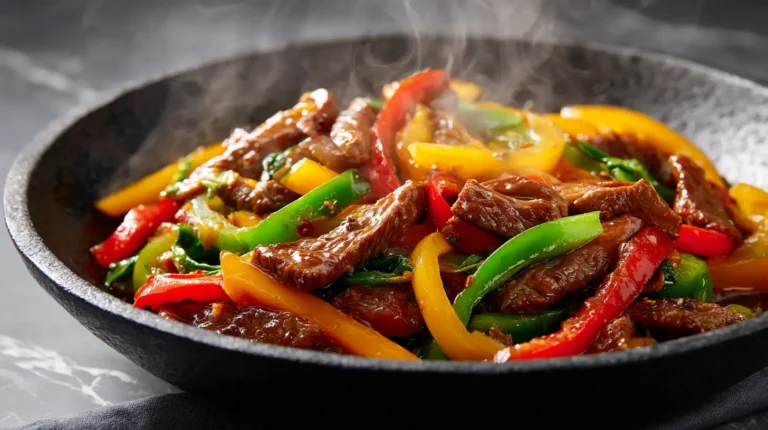
Cook it to an internal temperature of 195°F to 205°F, when the connective tissue breaks down and the meat becomes tender enough to pull apart. Wrapping it in foil partway through speeds up the cook; leaving it unwrapped gives a firmer bark. Both methods work. For more beef ideas, try this Beef Stir Fry Recipe.
Preparing the Food
Marinades and rubs make a big difference. Marinades work best overnight, always in the refrigerator. The acid in vinegar or citrus juice tenderizes the meat while adding flavor. A basic marinade for chicken or fish is olive oil, garlic, lemon juice, and herbs.
For beef, soy sauce, Worcestershire sauce, brown sugar, and spices give a savory flavor that stands up to smoke. Do not marinate too long, or the acid can make the meat mushy, especially fish.
Dry rubs are faster and form a crust during cooking. Brown sugar and paprika are good bases; add garlic powder, onion powder, and some cayenne for heat. Pat the meat dry before applying the rub so it sticks, and refrigerate it for at least 30 minutes before cooking.
Common Problems
One common issue is over-smoking, when the smoke flavor becomes too strong and bitter. It happens mostly on long cooks at low temperatures. Food absorbs most of its smoke in the first couple of hours, so a 12-hour brisket does not need heavy smoke the whole time.
Milder pellets help, as does cooking at a slightly higher temperature. Some pellet grill models also adjust the smoke level separately from the temperature.
Temperature swings usually come from dirty grill parts or the weather. Ash buildup in the firepot affects how the pellets burn and makes the temperature spike or drop, so clean it out regularly.
Wind and cold also affect temperature stability. Move the grill to a sheltered spot on windy days, and in winter, an insulating blanket made for pellet grills helps hold the heat and reduces pellet use.
Maintenance
Clean the grill regularly. Brush the grates after each cook while they are still warm. Every few cooks, empty the ash from the firepot, since buildup affects temperature control and can jam the auger.
Wipe the interior with a damp cloth from time to time to remove grease splatter. Empty or replace the drip tray regularly; too much grease buildup can cause a grease fire.
Store pellets in airtight containers. Moisture makes them swell and crumble, which clogs the auger and causes uneven burning.
Check the temperature probe occasionally: dust and grease on it cause false readings. A wipe with a damp cloth usually fixes this.
What to Serve Alongside
Wood-smoked meats are rich, so lighter sides work well. Coleslaw is a classic: its tangy crunch balances fatty meats. A green salad with vinaigrette does the same with less weight.
Crispy roasted potatoes are another option, or Southern cornbread, slightly sweet and good for soaking up sauce. For something creamy, the ranch beef bowtie skillet with sweet corn works well.
For more ideas on what goes with dirty rice, see that guide; many of those sides also go well with wood-smoked meats.
Frequently Asked Questions
Is a wood pellet grill good for beginners?
Yes. The steady temperature control removes much of the guesswork of outdoor cooking: instead of adjusting vents or watching flames, set the temperature and let the grill hold it.
Good first recipes are smoked chicken thighs, grilled vegetables, and simple ribs. They are forgiving, need no complex technique, and still have wood-fired flavor. Longer cooks such as brisket or pulled beef use the same equipment.
Can desserts be made on a wood pellet grill?
Yes. Fruit crisps, cookies, brownies, and pies all work. The wood smoke adds depth to sweet dishes. Use milder pellets such as apple or cherry, and watch the temperature, since baked goods are less forgiving than meat. For more sweet ideas, adapt this brookie recipe for the grill.
Which wood works for ribs?
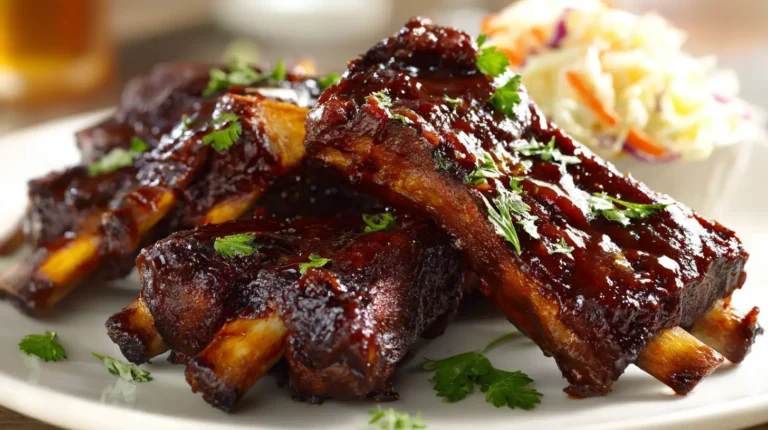
Hickory is the traditional choice for a strong BBQ flavor. Apple or cherry gives a sweeter, milder smoke, and oak is a middle ground that suits any style of ribs. Pellets can also be mixed.
How long does cooking take?
It depends on the food. Chicken breasts or vegetables take 20 to 30 minutes, cedar-planked salmon about 20 minutes, and large cuts such as brisket or beef chuck roast 8 to 12 hours. The grill holds the temperature automatically, so long cooks do not need constant attention.
Key Points
A wood pellet grill feeds pellets and controls the temperature automatically, so the cook can focus on the food. The wood smoke adds flavor that a gas grill does not.
The same grill can smoke, grill, roast vegetables, bake bread, or make pizza.
Choosing the wood, deciding when to wrap meat, and matching rubs and marinades to each dish come with practice. Start simple and adjust based on the results.
For more chicken ideas, many of which adapt to a wood-fired grill, see this chicken recipes guide.