What are the healthiest bagels?
What Are the Healthiest Bagels?
Last month, Nicolas and I took the girls on a weekend trip to New York. We ducked into this tiny bagel shop in Brooklyn—the kind where the line’s out the door at 7 AM and the person behind the counter yells your order like he’s conducting an orchestra.
“Everything bagel, toasted!” Nicolas ordered without hesitation. I grabbed a whole wheat with cream cheese. When we sat down, he looked at mine and said, “That’s the healthy one, right?” I laughed because, honestly? I wasn’t totally sure.
That moment got me to contemplate what actually makes a bagel healthy. Turns out, it’s not as simple as whole wheat versus white. There’s portion size, toppings, how they’re made, and whether that “multigrain” label actually means anything. If you’re exploring other healthy breakfast ideas, we’ve got plenty to choose from.
How Bagels Became What They Are Today
Bagels started in Poland back in the 1600s as street food. Bagels were simple, chewy, boiled, and then baked. Fast forward to now, and you can get bagels in flavors like blueberry, chocolate chip, and even rainbow (yes, really).
The problem? Modern bagels often come loaded with sugar, oversized portions, and refined flour that spikes your blood sugar faster than you can finish your coffee.
Why We Can’t Stop Eating Them
They’re portable. They’re filling. They go with everything from smoked salmon to peanut butter. And let’s be honest—there’s something deeply satisfying about biting into a perfectly chewy bagel.
But that convenience sometimes means we’re not thinking about what’s actually in them. Our low-sodium recipe collection can help you balance things out if you’re watching your salt intake.
What Actually Makes a Bagel Healthy?
Portion Size Matters More Than You Think
A standard bagel shop bagel can pack 300-400 calories. That’s before you add anything to it. I learned this the hard way when I tracked my breakfast calories for a week and realized my “healthy” morning routine was starting at nearly 600 calories.
Mini bagels, or cutting a regular one in half, makes a huge difference. You can enjoy the satisfaction without feeling overly full by 10 AM.
Whole Grains—Why They Actually Matter
Whole grain bagels have fiber that keeps you full and helps with digestion. Why should you avoid refined flour bagels? They digest fast, spike your blood sugar, and leave you hungry again by mid-morning.
I switched to whole grain bagels about six months ago and noticed I wasn’t crashing before lunch anymore. That sustained energy thing is real. If you’re into fiber-rich meals, our vegetarian soup recipes are excellent for that too.
Watch the Sodium and sugar!
Some bagels sneak in way more salt than you’d expect. The same applies to sugar, particularly in flavored varieties such as cinnamon raisin bagels. Check labels. Seek options under 300 mg sodium per bagel if you can find them.
Different Types of Bagels—What’s Worth Eating?
Classic White Bagels
These are made with refined white flour. Delicious? Absolutely. Nutritious? Not really. They’re high in calories and low in fiber. If you love them (and who doesn’t), balance them with protein-rich toppings.
Whole Wheat and Multigrain—The Healthiest Bagels
Whole wheat bagels are your best bet. They’ve got fiber, vitamins, and minerals. Multigrain takes it further by combining different grains for extra nutrients and texture.
Think of these as the overachievers of the bagel world. They check all the boxes without sacrificing taste.
Gluten-Free Bagels
Essential if you have celiac disease or gluten sensitivity. But not all gluten-free bagels are created equal. Many use refined starches to get that chewy texture, which means they can still spike your blood sugar.
Look for ones made with almond flour or coconut flour. They’re denser but more nutritious. If you’re exploring gluten-free breakfasts, check our gluten-free lunch ideas for more options.
High-Protein Bagels
These are excellent if you’re working out or trying to build muscle. Usually made with added whey or plant-based protein. They keep you fuller longer and help with recovery after exercise.
Common Bagel Mistakes (I’ve Made Most of These)
Eating Too Much
Bagel shop sizes have gotten ridiculous. Some are like four servings of bread in one round. Cut them in half, share them, or buy minis. Your stomach will thank you.
The Sugar Trap
Cinnamon swirl, blueberry, chocolate chip—these are basically desserts disguised as breakfast. If you want something sweet, go for a plain bagel with natural peanut butter and banana slices instead.
Losing Track of Portions
It’s easy to mindlessly eat a whole bagel when you’re distracted. Pay attention. Eat slowly. Notice when you’re actually full.
Toppings That Make Bagels Actually Healthy
Better Spreads
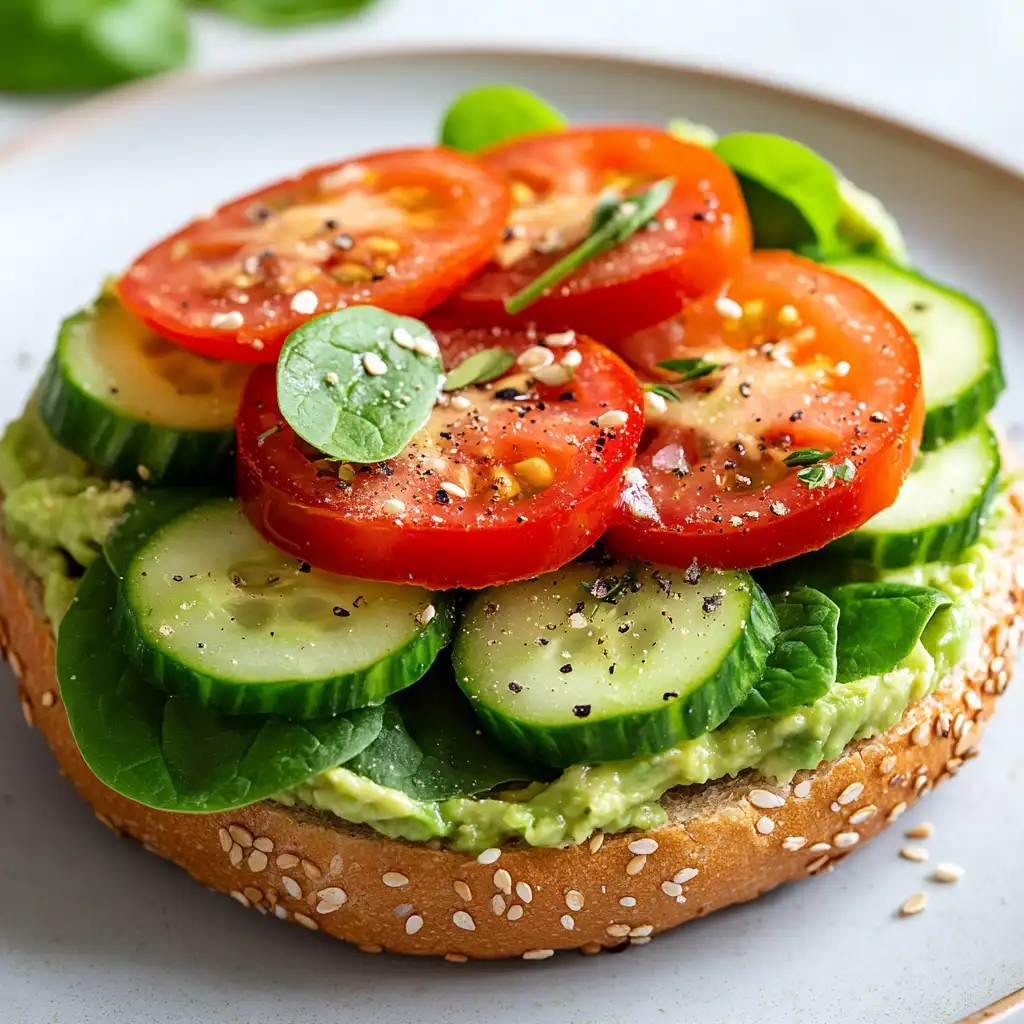
Ditch the butter. Try avocado instead—it’s creamy, has healthy fats, and keeps you satisfied. Hummus is another favorite of mine. It adds protein, flavor, and comes with no guilt.
Nicolas discovered almond butter on his bagels last year and hasn’t looked back.
Pile on the Vegetables (and Some Fruit).
Tomato slices, cucumber, spinach, and arugula—all of these turn a simple bagel into an actual meal. For something sweet, try fresh berries or apple slices with a drizzle of honey.
Protein Toppings
Smoked salmon, poached eggs, and grilled chicken. These add protein that keeps you full and balances out the carbs. Our egg white breakfast ideas pair perfectly with whole grain bagels.
Can You Eat Bagels on Different Diets?
Weight Loss and Bagels
Yeah, you can eat bagels while losing weight. Just be smart about portions and toppings. Half a whole-grain bagel with eggs and vegetables makes a solid, balanced breakfast that won’t derail your goals.
Low-Carb Diets
Traditional bagels don’t work here. But there are keto versions made with almond or coconut flour that fit the bill. They’re denser, but they work. For more low-carb breakfast options, try our cauliflower breakfast pizza.
Mediterranean Diet
Whole grain bagels fit perfectly here. Top with hummus, cucumbers, tomatoes, and olive oil. You’ve got yourself a Mediterranean-inspired breakfast that’s both delicious and nutritious.
Homemade vs Store-Bought Bagels

Why Make Your Own?
You control everything—ingredients, size, and flavors. No weird additives or excess sodium. Plus, homemade bagels just taste better. There’s something satisfying about pulling fresh bagels out of the oven.
I make a batch every couple of weeks now. Freeze half, eat the rest fresh. Game-changer.
What to Look for When Buying Store-Bought Bagels
Check the label for “100% whole grain” or “whole wheat.” Avoid ones with high sodium (over 400 mg) or added sugars. Shorter ingredient lists are usually better.
For inspiration on quality toppings, refer to our whole grain bagels with lox recipe.
Simple Homemade Bagel Recipes
Basic Whole Wheat Bagels
Mix whole wheat flour, yeast, salt, honey, and warm water. Knead, shape into rings, boil briefly, and bake at 375°F for 20 minutes. That’s it. Seriously.
Protein-Packed Bagels
Add Greek yogurt or protein powder to your dough. Makes them denser but way more filling. Great for post-workout breakfasts.
Gluten-Free Bagels
Combine almond flour, tapioca flour, eggs, and salt. Shape, bake, and top with sesame or poppy seeds. They won’t be exactly like regular bagels, but they’re pretty tasty.
Smart Ways to Eat Bagels
Go Smaller or half.
Mini bagels exist for a reason. Or just eat half and save the other half for later. Pair it with a chia seed pudding or fresh fruit for a complete breakfast.
Focus on Nutrient-Dense Additions
What you put on your bagel sometimes matters more than the bagel itself. Avocado, hummus, nut butters, and fresh vegetables—all of these turn a simple carb into an actual meal.
Timing Matters
Bagels make great pre-workout fuel because of the carbs. Eating them earlier in the day gives you time to use that energy. Evening bagels? Just make sure they’re part of a balanced meal.
Questions About Healthy Bagels
Are Bagels Really Bad for You?
Not inherently. Whole grain bagels with healthy toppings are fine. The problem comes from oversized portions, refined flour, and calorie-heavy spreads. Balance is everything.
Can I Eat Bagels on a Low-Carb Diet?
Regular bagels? No. But keto bagels made with almond or coconut flour work if you’re strictly low-carb. They’re different texture-wise but still satisfying.
What’s the Healthiest Type of Bagel?
Whole grain or multigrain bagels win here. They provide high fiber, nutrients, and sustained energy. Avoid anything with lots of added sugar or made with refined white flour.
How Do I Store Bagels?
Freeze them sliced so you can toast them straight from the freezer. This method prolongs their freshness and minimizes waste. I always have a stash in my freezer.
Are Gluten-Free Bagels Healthier?
Not automatically. Some are made with refined starches and lack fiber. Look for ones made with whole-grain alternatives like almond flour or buckwheat for better nutrition.
Final Thoughts on Healthy Bagels
Bagels don’t have to be unhealthy. Choose whole grain, watch your portions, and get creative with toppings. The experience at the Brooklyn bagel shop was truly unforgettable. I’m still amazing. But now I know how to make smarter choices without sacrificing enjoyment.
For more breakfast inspiration, explore our breakfast pizza recipes or dive into puff pastry breakfast ideas to mix things up.