How Many Calories Are in 2 Eggs? Complete Nutrition Guide
Nicolas stood at the kitchen counter last Tuesday morning, staring at two eggs in a bowl. “So how many calories are actually in these?” he asked. I was making my coffee and laughed because I’d asked myself the same thing about a thousand times.
Here’s the thing—everyone talks about eggs being healthy, but nobody really explains what that means calorie-wise. Are we talking plain scrambled? Are we referring to eggs that are fried in butter? Are they loaded with cheese? The answer changes depending on what you do with them.
Why Knowing How Many Calories Are in 2 Eggs Actually Matters
I started tracking what I ate about six months ago. I did not track obsessively, but I did track enough to understand where my calories were coming from. Turns out, my “healthy” breakfast was sometimes pushing 600 calories before I even left the house. Eggs were part of that, but so was everything I added to them.
Understanding calorie counts helps you make smarter choices without feeling like you’re giving up foods you love. If you’re exploring other low-calorie meal options, we’ve got plenty of ideas that won’t leave you hungry.
What Makes Eggs So Nutritious?
People call eggs a superfood for good reason. They’ve got high-quality protein, vitamins D and B12, choline for brain function, and antioxidants that help your eyes. Plus, they’re cheap, which matters when you’re feeding a family.
The protein in eggs is complete—meaning it has all nine essential amino acids your body needs. That’s why athletes love them. That’s also why our girls request eggs before soccer practice. For more protein-packed breakfast ideas, check out our cottage cheese pancakes.
How Knowing Calories Helps with Diet Planning
Whether you’re trying to lose weight, maintain, or build muscle, knowing what you’re eating matters. Two eggs for breakfast? That’s a starting point. Add toast, butter, and cheese, and suddenly you’re at an entirely different calorie count.
I’m not saying count every single calorie. But having a general idea helps you make choices that align with your goals. For dinner inspiration using eggs creatively, try our egg dinner recipes.
The Actual Calories in 2 Eggs (And What Affects Them)
Breaking Down the Macros
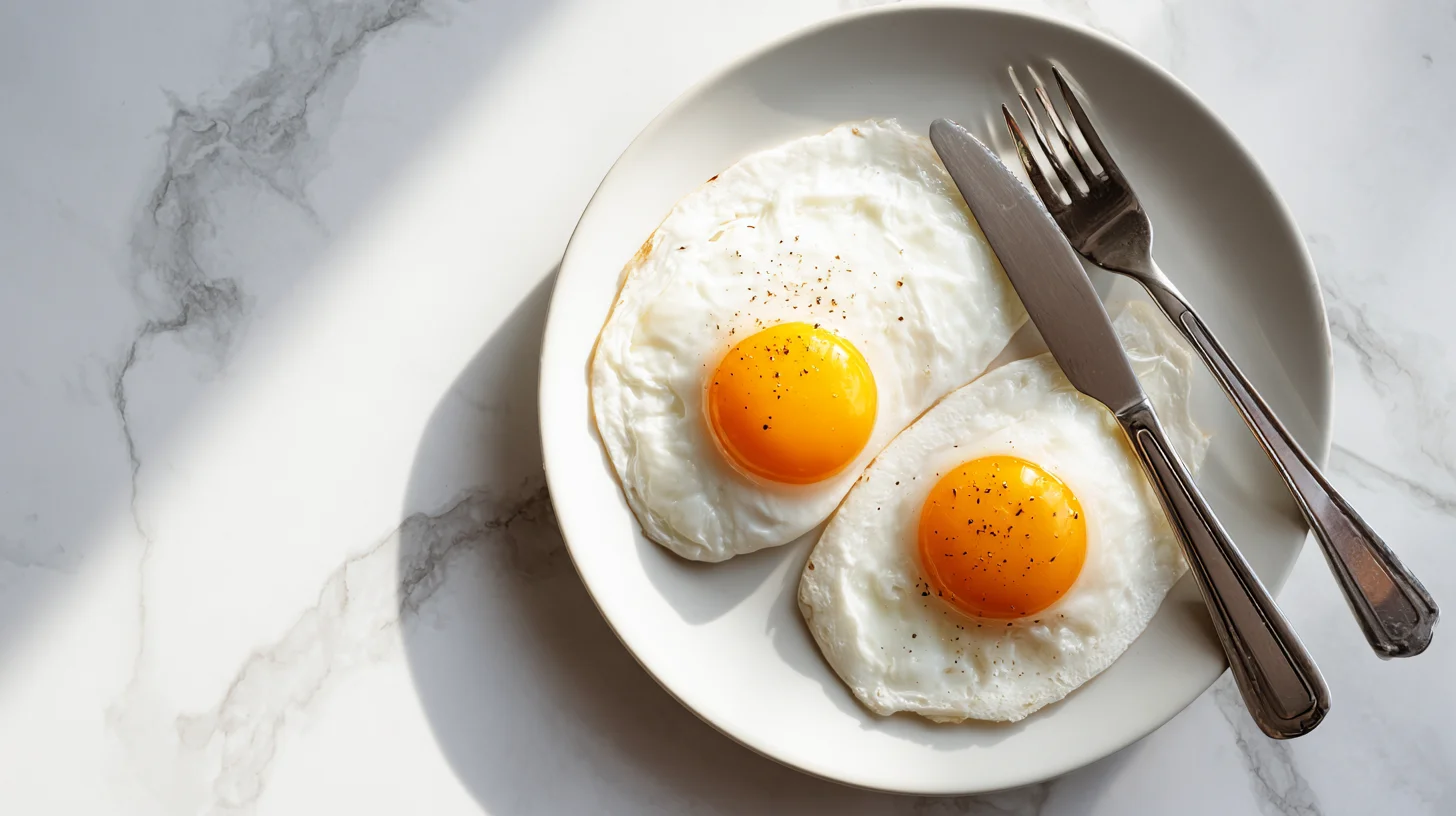
Two large eggs give you roughly 140 calories. Here’s what’s in them:
- Protein: About 12 grams total. That’s solid for keeping you full.
- Fat: Around 10 grams, mostly the healthy unsaturated kind.
- Carbs: Less than 1 gram. Eggs are basically carb-free.
The protein keeps you satisfied for hours. The fat helps absorb vitamins. The almost-zero carbs make eggs work for keto, paleo, low-carb—pretty much any diet. Need more protein inspiration? Our breakfast sausage recipe pairs perfectly with eggs.
The Vitamin and Mineral Boost
Beyond macros, eggs pack serious micronutrients. Vitamin D for bones, B12 for energy, selenium, phosphorus, and choline for brain health. The yolk contains most of these nutrients, which is why tossing it out seems wasteful to me.
How Egg Size Changes the Calorie Count
Large vs Medium vs Extra-Large
Not all eggs are the same size, which affects calories:
- Large eggs: 70 calories each (140 for two)
- Medium eggs: 60 calories each (120 for two)
- Extra-large eggs: 80 calories each (160 for two)
Most recipes assume large eggs. If you’re using medium or extra-large, your calorie count shifts slightly.
Chicken, Duck, and Quail Eggs
We mostly eat chicken eggs, but other types exist:
- Chicken eggs: 60-80 calories depending on size
- Duck eggs: Bigger, around 90-100 calories each
- Quail eggs: Tiny, about 14 calories each
I tried duck eggs once. Richer flavor, larger yolk, but honestly? I prefer the familiarity of chicken eggs.
How Cooking Methods Change Calories in 2 Eggs
This is where things get interesting. The eggs themselves don’t change, but what you cook them in absolutely does.
Raw vs Cooked Eggs
Raw eggs have the same calories as cooked eggs. The difference is safety and digestibility. Cooking makes protein easier to absorb and kills potential bacteria. I’m not eating raw eggs unless they’re pasteurized, and even then, probably not.
Boiled Eggs—The Simplest Option
Boiling adds zero calories. Two hard-boiled eggs = 140 calories, period. No oil, no butter, no extras. This is my go-to when I’m being strict about calories. Peel them, sprinkle salt, and done.
Fried Eggs—Where Calories Sneak In
Frying eggs means adding fat. That’s where the calorie count climbs:
- 1 teaspoon butter: +35 calories
- 1 teaspoon oil: +40 calories
So two fried eggs cooked in butter? You’re looking at 175-180 calories minimum. Use more fat, and it goes higher. I’ve watched Nicolas drench the pan in olive oil before. Those eggs were probably 250 calories each.
Scrambled Eggs—It Depends What You Add
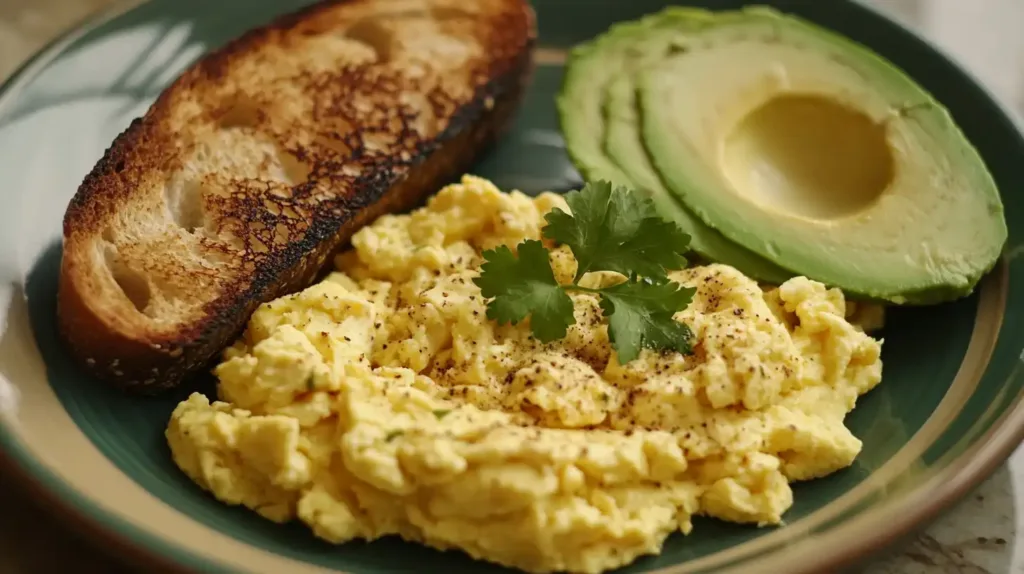
Plain scrambled eggs? Same as boiled—140 calories for two. But most people don’t eat plain scrambled eggs.
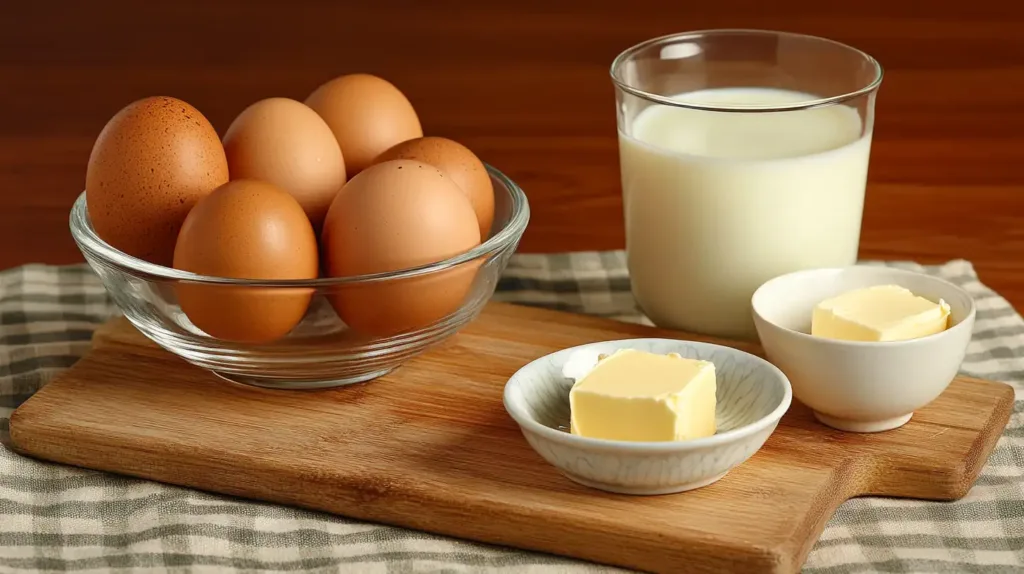
Add milk, butter, and cheese, and you’re looking at:
- 1 tablespoon milk: +10 calories
- 1 teaspoon butter: +35 calories
- 1 ounce cheese: +100 calories
Suddenly your “light” breakfast is 285 calories before you add toast.
Why Eating 2 Eggs Is Actually Good for You
Protein for Muscle Growth
That 12 grams of protein in two eggs helps build and repair muscle. If you work out, eggs post-exercise make sense. If you don’t work out, they still keep you full way longer than toast alone.
Eye Health Benefits
Eggs contain lutein and zeaxanthin—antioxidants that protect your eyes from damage. My mom swears eggs kept her vision sharp into her 70s. I can’t prove causation, but she ate eggs almost daily her whole life.
Choline for Brain Function
Choline supports memory and cognitive health. Eggs are one of the best sources. Pregnant women especially need choline for fetal brain development.
Can You Eat 2 Eggs Daily While Losing Weight?
Eggs Keep You Full
Eggs have this magical ability to keep you satisfied for hours. I eat two eggs for breakfast, and I’m good until lunch. Eat a bagel? Hungry again by 10 AM.
Studies back this up—people who eat eggs for breakfast tend to eat fewer calories throughout the day. The protein and fat combo slows digestion and stabilizes blood sugar.
How Eggs Compare to Other Proteins
Calorie-for-calorie, eggs are hard to beat:
- Eggs vs meat: Lower calories, easier to cook
- Eggs vs plant proteins: Complete protein with all amino acids
- Eggs vs dairy: More nutrient-dense per calorie than most cheese
For more high-protein breakfast options, explore our egg white recipes.
Egg Myths I Used to Believe
Egg Whites Have Zero Calories?
Nope. One egg white has about 17 calories. Low, yes. Zero, no. I went through a phase of eating only egg whites because I thought I was saving massive calories. Turned out I was saving maybe 50 calories while throwing away most of the nutrients.
Are Yolks Unhealthy?
This one drove me crazy for years. Yolks have cholesterol, sure. But dietary cholesterol doesn’t affect blood cholesterol the way we thought it did for most people.
Yolks contain:
- Vitamins D, B12, A
- Healthy fats
- Choline and antioxidants
Tossing the yolk means tossing most of the nutrition. Unless you have specific health conditions, eat the whole egg.
Smart Ways to Use Eggs in Your Diet
Meal Prep with Eggs
I hard-boil a dozen eggs every Sunday. Keeps in the fridge all week. Grab two for breakfast, slice one on a salad, whatever. Easy protein that’s already cooked.
Egg muffins work great too—whisk eggs with vegetables and cheese, bake in muffin tins, and freeze. Reheat as needed. For more creative breakfast ideas, refer to our breakfast pizza recipes.
Egg Alternatives if You Can’t Eat Eggs
Allergic or vegan? Options exist:
- Chia or flax eggs: 1 tablespoon seeds + 2.5 tablespoons water
- Applesauce or banana: Works in baking
- Silken tofu: Good for scrambles or quiches
- Commercial replacers: Brands like Just Egg mimic real eggs pretty well
None taste exactly like eggs, but they work. Our vegan breakfast collection has plenty of egg-free options.
Common Questions About Calories in 2 Eggs
How Many Calories Are in 2 Eggs??
140 calories total. No added fat, no extras. Just the eggs.
Do Organic Eggs Have More Calories?
No. Organic eggs have the same calorie count as regular eggs. The difference is how the chickens were raised, not the nutritional content.
Are Brown Eggs Lower in Calories?
Nope. Shell color has zero impact on calories or nutrition. Brown, white, blue—doesn’t matter. It’s just the breed of chicken.
How Many Calories Are in 2 Fried Eggs?
180-200 calories depending on how much oil or butter you use. Could be higher if you’re generous with the fat.
What About Omelets?
Plain two-egg omelet: 140 calories. Add cheese, vegetables, and meat, and you’re easily at 300-400 calories. Not bad if that’s your meal, but know what you’re eating.
Is It Safe to Eat Eggs Every Day?
For most people, yes. Unless you have specific health conditions like high cholesterol issues, daily eggs are fine. Balance them with other protein sources for variety.
Final Thoughts on Calories in 2 Eggs
Two eggs give you about 140 calories of high-quality nutrition. How you cook them and what you add changes that number significantly. Boiled? Still 140. Fried in butter with cheese? Could be 300+.
The point isn’t to stress over every calorie. It’s to understand what you’re eating so you can make choices that align with your goals. Eggs are nutrient-dense, affordable, versatile, and filling. They deserve their spot in most diets.
Whether you’re meal prepping hard-boiled eggs for the week or making fancy omelets on Sunday morning, eggs work. They’re simple, nutritious, and honestly? Pretty hard to mess up. For more balanced breakfast inspiration, explore our puff pastry breakfast ideas.
So next time Nicolas asks about egg calories, I’ve got the answer ready. And now you do too.