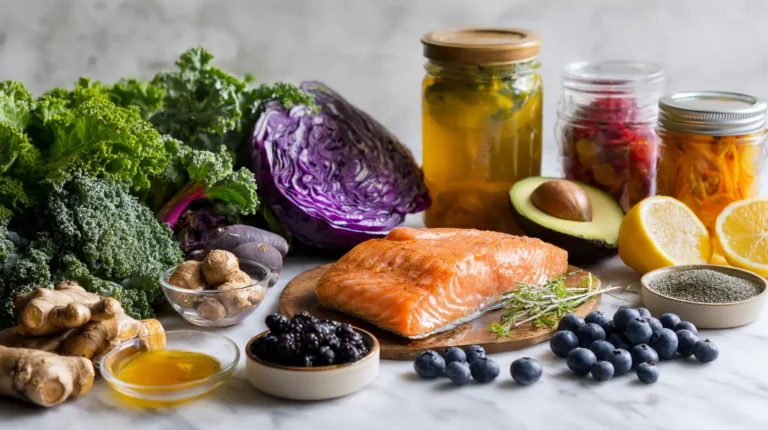
Juicer Recipes That Energize: Simple Drinks to Boost Your Day
Juicing has been around forever, but it goes through cycles of being trendy and then forgotten. Right now we’re in an upswing where everyone seems to have a juicer gathering dust in their cabinet or is using it daily. The appeal is obvious; you can drink a number of fruits and vegetables way faster than you could eat them whole.
Quick Answer
- Cold-press juicers preserve more nutrients than centrifugal juicers at high speed
- The best starter juice combination for families is apple, carrot, ginger, and lemon
- Green juices are more palatable for kids when you add one apple or a handful of grapes
- Most fresh juices should be consumed within 24 to 72 hours for maximum nutritional value
- These recipes include beginner juices, detox blends, and kid-friendly combinations
Whether it’s actually better than eating whole produce is debatable. You lose fiber when you juice, which is important for digestion and feeling full. But you do absorb vitamins and minerals quickly, and some people just won’t eat vegetables any other way. So if the choice is between juicing or not consuming produce at all, juicing wins.
The Benefits of Juicer Recipes
The main benefit of juicing is convenience. You can consume way more produce in liquid form than you’d realistically eat whole. A juice might contain two apples, four carrots, a cucumber, and some spinach. Eating all that in one sitting would take forever and probably make you feel uncomfortably full.
Why Juicer Recipes Are So Popular
Some people juice because they genuinely enjoy it. Others do it for health reasons, trying to increase vitamin intake or manage weight. There’s also a subset who got caught up in juice cleanses and detoxes, though most nutritionists will tell you your liver and kidneys already handle detoxification just fine.
Fresh juice does contain vitamins C and A, plus minerals like potassium. These nutrients support immune function, skin health, and cardiovascular health. Antioxidants in fruits and vegetables help reduce inflammation, though you’d get the same benefits from eating them whole plus the added fiber.
Energy, Weight Loss, and Detox Claims
Green juices with lots of vegetables and minimal fruit can provide a natural energy boost without the crash from caffeine or sugar. The nutrients are absorbed quickly since there’s no fiber to slow digestion. Whether this procedure is better than eating the whole vegetables is another question, but it works for some people.
For weight loss, juicing can help if it replaces higher-calorie meals or snacks. But liquid calories don’t satisfy hunger the same way solid food does, so you might end up eating more later. The lack of fiber also means you miss out on the fullness factor that helps control appetite.
Detox claims are mostly marketing. Your body already detoxifies itself constantly. Drinking juice won’t flush out mythical toxins, though staying hydrated and consuming nutrients certainly doesn’t hurt. Just don’t expect miracles from a few days of green juice. For more balanced meal ideas, check out these low-sodium recipes that complement juice consumption.
Essential Equipment and Ingredients
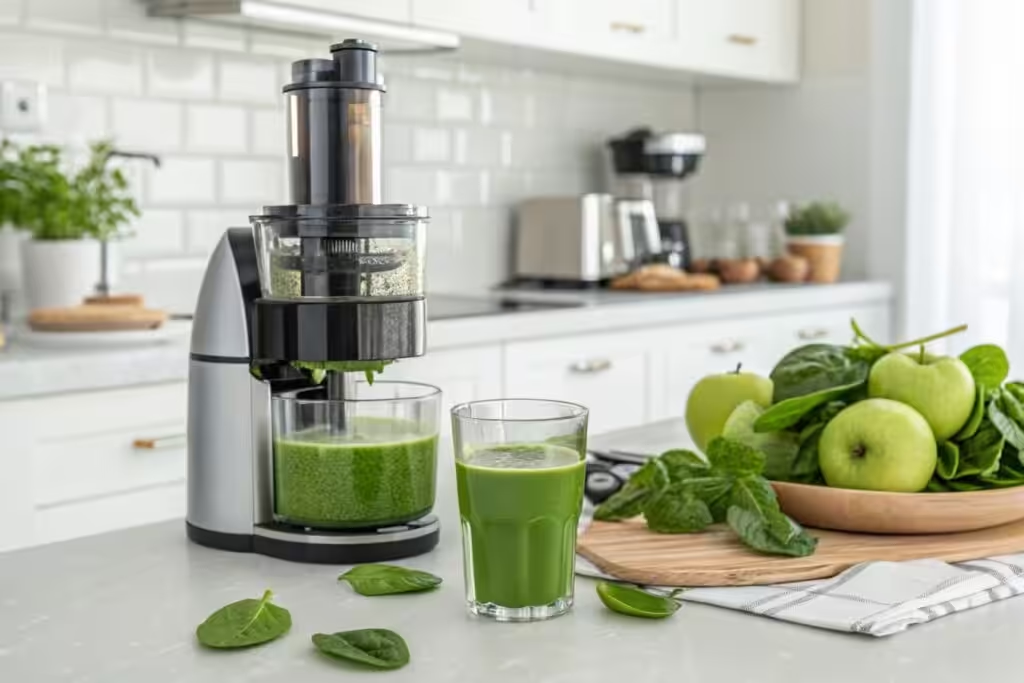
You obviously need a juicer to make juice. The type you choose affects both the process and the final product. Centrifugal juicers are cheaper and faster but generate heat that can degrade some nutrients. They’re loud and don’t handle leafy greens as well as other types.
Choosing a Juicer
Masticating juicers, also called slow juicers, operate at lower speeds and preserve more nutrients. They’re quieter and better at juicing greens, though they take longer and cost more. If you’re serious about juicing regularly, especially if you want green juices, the masticating type is worth the investment.
There are also twin-gear juicers and hydraulic press juicers, but those are mainly for serious enthusiasts or commercial operations. Most home users will be fine with either centrifugal or masticating models depending on budget and priorities.
Key Ingredients
The backbone of most juices is a combination of base ingredients and flavor enhancers. Apples, carrots, and cucumbers work as bases because they’re mild and produce lots of juice. Greens like kale, spinach, and celery add nutrients. Citrus fruits, ginger, and herbs like mint add a flavor punch.
Buy whatever’s in season and on sale. Organic is ideal but expensive, so prioritize organic for things you juice with the peel on, like apples. Conventional is fine for things you peel first, like oranges. Wash everything thoroughly regardless.
Buying Produce
Farmers markets are great for seasonal produce that’s fresher than grocery store options. You can usually negotiate bulk discounts too. For things you juice regularly, buying in larger quantities saves money if you have storage space.
Store leafy greens wrapped in damp paper towels in the fridge. Root vegetables keep well in cool, dark places. Citrus lasts weeks at room temperature or longer refrigerated. Proper storage extends shelf life and reduces waste.
Beginner-Friendly Recipes
Starting with simple combinations helps you figure out what flavors you like without wasting produce on experiments that taste terrible. These basic recipes are hard to mess up and provide good templates for customization.
Basic Green Juice
Ingredients:
- 1 cucumber
- 2 celery stalks
- 1 green apple
- Handful of spinach
- Half a lemon
Wash everything, chop to fit your juicer, and process. The apple adds sweetness that balances the vegetable flavors. Lemon brightens it up and helps preserve color. This makes about 12-16 ounces depending on produce size.
Simple Citrus Blend
Ingredients:
- 2 oranges
- 1 grapefruit
- Half a lemon
Peel the citrus and juice it. This is basically fresh-squeezed juice on steroids. It’s packed with vitamin C and tastes way better than store-bought. Drink it in the morning for a natural wake-up instead of coffee.
Carrot-Apple-Ginger
Ingredients:
- 4 carrots
- 1 apple
- 1-inch piece of ginger
This combination is popular because it balances sweet and spicy. Carrots are cheap and produce lots of juice. Apple makes it drinkable for people who don’t love vegetables. Ginger adds warmth and aids digestion. Start with less ginger if you’re sensitive to spice.
These three recipes give you a foundation. Once you’re comfortable, start experimenting by swapping ingredients or adjusting ratios to suit your taste. For more healthy options, explore these vegetarian soup ideas that pair well with fresh juice.
Advanced and Creative Recipes
Once you’ve mastered the basics, you can get creative with unusual combinations and ingredients. These recipes are more complex in flavor and sometimes require ingredients you might not keep on hand.
Berry-Green Superfood
Ingredients:
- 1 cup kale
- Half cup blueberries
- 1 banana
- Tablespoon chia seeds
- Cup of almond milk
This is more smoothie than juice but uses the juicer for the kale and berries. Blend that juice with the banana, seeds, and milk. It’s thick and filling enough to work as a meal replacement or post-workout drink.
Tropical Herb Blend
Ingredients:
- 1 mango
- 1 pineapple slice
- Half a lime
- Handful of fresh basil
Juice the fruit and lime, then stir in chopped basil. Let it sit for a few minutes so the basil infuses. The combination sounds weird but works surprisingly well, tangy and aromatic without being overwhelming.
Savory Garden Juice
Ingredients:
- 3 tomatoes
- 1 cucumber
- 1 celery stalk
- Dash of black pepper
For people who prefer savory over sweet, this vegetable-forward juice works like a liquid salad. Add pepper or hot sauce if you want more kick. It’s refreshing and hydrating without any fruit sugar.
Tailored Recipes for Specific Needs
Different goals call for different juice compositions. These recipes target specific outcomes, though remember that juice alone won’t solve health problems. It’s part of an overall lifestyle, not a magic fix.
Detox Juice
Ingredients:
- 1 beet
- 2 carrots
- 1 green apple
- 1-inch piece of ginger
Beets support liver function and add an earthy flavor some people love and others hate. This combination masks the beet taste somewhat with apple sweetness and ginger spice. The bright red color looks impressive in social media photos if that matters to you.
Morning Energy Boost
Ingredients:
- 1 orange
- 1 grapefruit
- Half teaspoon turmeric
Citrus provides quick natural sugars for energy. Turmeric adds anti-inflammatory benefits, though it can stain your juicer and clothes, so be careful. This is better than coffee for sustained energy without jitters or crashes.
Kid-Friendly Juice
Ingredients:
- 1 apple
- 2 carrots
- Splash of orange juice
Kids usually prefer sweeter juices without obvious vegetable flavors. This combination sneaks in carrots with enough apple and orange to mask them. It’s a way to get vegetables into picky eaters, though whole vegetables would be better if you can convince them.
Expert Tips for Success
Juicing seems simple, but a few tricks improve results and make the process less annoying.
Storage and Preservation
Fresh juice tastes best immediately and retains maximum nutrients when consumed right away. Oxidation starts the moment you juice, breaking down vitamins and changing flavor. If you must store juice, use airtight glass containers and fill them completely to minimize air exposure. Refrigerate immediately and drink within 24 hours.
Adding lemon juice helps slow oxidation thanks to vitamin C. Some people freeze juice in ice cube trays for later use, though this definitely degrades quality compared to fresh.
Common Mistakes to Avoid
Using too much fruit creates juice that’s basically sugar water. Balance is important; aim for mostly vegetables with just enough fruit to make it palatable. Otherwise you’re drinking calories without the fiber that would normally slow sugar absorption.
Not cleaning your juicer immediately is another mistake. Dried pulp is way harder to remove than fresh. Rinse everything right after juicing, even if you don’t have time for a thorough clean. That makes the full cleaning later much easier.
Overloading the juicer causes jams and poor extraction. Feed ingredients gradually, especially leafy greens. Alternate between hard and soft produce to help push everything through.
Nutrient Retention
Masticating juicers preserve more nutrients than centrifugal ones because they generate less heat. Juice softer produce first, then harder items. This sequence helps push everything through efficiently without leaving pulp behind.
Some nutrients are fat-soluble, meaning they need fat to be absorbed properly. Adding a small amount of coconut oil or avocado to juice helps your body use vitamins A and E more effectively.
FAQs About Juicing
What is the 80/20 rule for juicing?
This guideline suggests using 80 percent vegetables and 20 percent fruit in your juice. It keeps sugar content reasonable while maximizing nutrients. Leafy greens, cucumbers, and celery should dominate with just enough apple or citrus to make it taste good.
What should you not mix when juicing?
Starchy vegetables like potatoes don’t juice well and can cause digestive issues when combined with fruits. Citrus and dairy-based additions curdle, which is unappetizing. Stick to combinations that make sense together flavor-wise, and you’ll usually be fine.
What is the best thing to juice?
Leafy greens like kale, spinach, and parsley pack the most nutrients. Carrots and apples add sweetness and produce high yields. Citrus provides vitamin C and bright flavor. The best ingredients depend on your goals, but these are versatile staples that work in most recipes. For balanced meal planning, check out these low-calorie lunch recipes that complement fresh juice.
What cannot go in a juicer?
Hard seeds and pits can damage the juicer. Bananas and avocados are too thick and creamy for most juicers; they are better used in blenders for smoothies. Always check your specific juicer’s manual for restrictions since different models handle ingredients differently.
Top 10 Recipes for Every Occasion
Having a variety of go-to recipes prevents juicing from becoming boring. These cover different tastes and situations so you always have options.
Quick Recipes for Busy Days
Morning Energizer: 2 oranges, 1 carrot, and a pinch of turmeric. Juice everything and drink fresh.
Green Express: 1 cucumber, a handful of spinach, and half a green apple. Minimal prep, maximum nutrition.
Holiday and Seasonal Juices

Winter Spiced Citrus: 2 oranges, half a lemon, and a pinch of cinnamon. Warm spices make it feel festive.
Summer Tropical Cooler: 1 pineapple slice, 1 mango, 1 lime. Serve over ice for heat relief.
Post-Workout Recovery
Protein Power Punch: 1 beet, 2 carrots, and an optional scoop of protein powder mixed in after juicing. Replenishes nutrients lost during exercise.
These recipes give you a starting point. Adjust ingredients based on what you have available and what tastes good to you. The goal is making juicing sustainable long-term, which means finding combinations you actually enjoy drinking.
Conclusion and Final Thoughts
Juicing can be a useful tool for increasing produce consumption if you do it sensibly. It’s not a miracle cure or detox solution, just a convenient way to drink vegetables and fruits you might not otherwise eat. The loss of fiber is a real drawback compared to eating whole foods, but for people who struggle to meet their daily vegetable requirements, juicing provides an accessible alternative.
Start with simple recipes using ingredients you already like. Experiment gradually to find combinations that suit your taste and budget. Invest in decent equipment if you plan to juice regularly, as cheap juicers tend to break or perform poorly over time.
Remember that juice is part of a balanced diet, not a replacement for whole foods. Use it to supplement your meals rather than relying on it exclusively. Combine juicing with other healthy habits like eating vegetables in their whole form, staying hydrated with water, and maintaining an active lifestyle.
The best juicing routine is one you’ll actually stick with long-term. Don’t force yourself to drink things that taste terrible just because they’re supposedly healthy. Find flavors you enjoy and build from there. For more meal ideas that complement fresh juice, explore these vegetarian soup ideas for complete nutrition.
Whether you juice daily or occasionally, the key is making it work for your lifestyle and preferences. Some people swear by their morning green juice; others prefer it as an afternoon snack. Figure out what fits your schedule and taste, then adjust recipes as needed. That’s the real secret to successful juicing.