Persian Recipes: A Culinary Journey Through Tradition and Flavor
From Our Kitchen Adventures: A Persian Discovery
Quick Answer
- Persian cooking relies on fresh herbs, saffron, dried fruits, and slow-cooked stews
- The most popular Persian family dishes are Ghormeh Sabzi, Joojeh, and saffron rice
- Persian recipes are naturally halal-friendly — no pork or alcohol required
- Saffron, turmeric, and dried limes are the three essential Persian spices to stock
- These recipes bring authentic Persian flavors using ingredients found in most US grocery stores
Hey there, honey! It’s Nora, and I need to tell you about the most incredible dinner invitation we received last month. Our oldest daughter’s school friend, Yasmin, invited our whole family over for a traditional Persian dinner at her parents’ house. When I asked what I could bring, her mom, Farah, laughed warmly and said, “Just bring your appetite and an open mind!”
—some Well, sweetie, I thought I knew what to expect. I mean, we’ve tried Middle Eastern food before—some hummus here, a kebab there. But stepping into Farah’s kitchen that evening? It was like discovering an entirely new world of flavors I didn’t even know existed. The aromas alone—saffron, rosewater, and slow-cooked meat with pomegranate—made my mouth water before we even sat down.
Nicolas whispered to me, “This smells nothing like anything we’ve made at home,” and he was absolutely right. Persian recipes, I learned that night, are in a category all their own. The balance of sweet and sour, the layers of flavor, the absolute artistry in every dish—it completely changed how I think about cooking.
Here’s what you’ll discover about Persian recipes:
• Why Persian cooking is all about balance (sweet, sour, salty, bitter—all working together!)
• The magic ingredient that shows up in almost every Persian dish (hint: it’s golden and precious)
• Must-try dishes that even cooking beginners can master
• Farah’s secrets for making that coveted crispy rice crust (tahdig)
• How Persian cuisine celebrates hospitality and brings people together
Love exploring global flavors? Our World Cuisine collection is packed with authentic recipes from every corner of the globe.
What Makes Persian Recipes Special
Sitting at Farah’s table that night, I kept trying to identify the flavors in each dish, but it wasn’t simple. Nothing was one-dimensional. Every bite had this incredible complexity—you’d taste something sweet, then sour, then earthy, all in perfect harmony. Farah explained that this balance is the soul of Persian cooking.
“In Persian recipes,” she told me while spooning another portion onto my plate, “we don’t believe in fighting flavors. Everything should work together, like a family.” And honestly? That’s the perfect description. Much like our approach to international cooking, Persian cuisine celebrates harmony.
The Ingredients That Changed Everything
That night, I tasted ingredients I’d never cooked with before—and some I’d never even heard of! Dried limes that added this incredible tangy depth to stews. Barberries (these tiny, tart little berries) that looked like jewels scattered over saffron rice. Pomegranate molasses that was both sweet and sour and absolutely addictive.
And then there’s saffron—oh my goodness, the saffron! Farah showed me her little jar of the precious threads, explaining that a tiny pinch goes a long way. “This is liquid gold,” she said with a smile, and she wasn’t kidding. The flavor it adds is unlike anything else—earthy, slightly sweet, and absolutely luxurious.
The next day, I went straight to the Persian market Farah recommended. The owner spent thirty minutes walking me through the essential ingredients for Persian recipes, and I came home with bags full of treasures. Nicolas thought I’d gone overboard until he tasted my first attempt at Persian cooking!
Must-Try Persian Recipes for Beginners
Ghormeh Sabzi: The Dish That Started It All
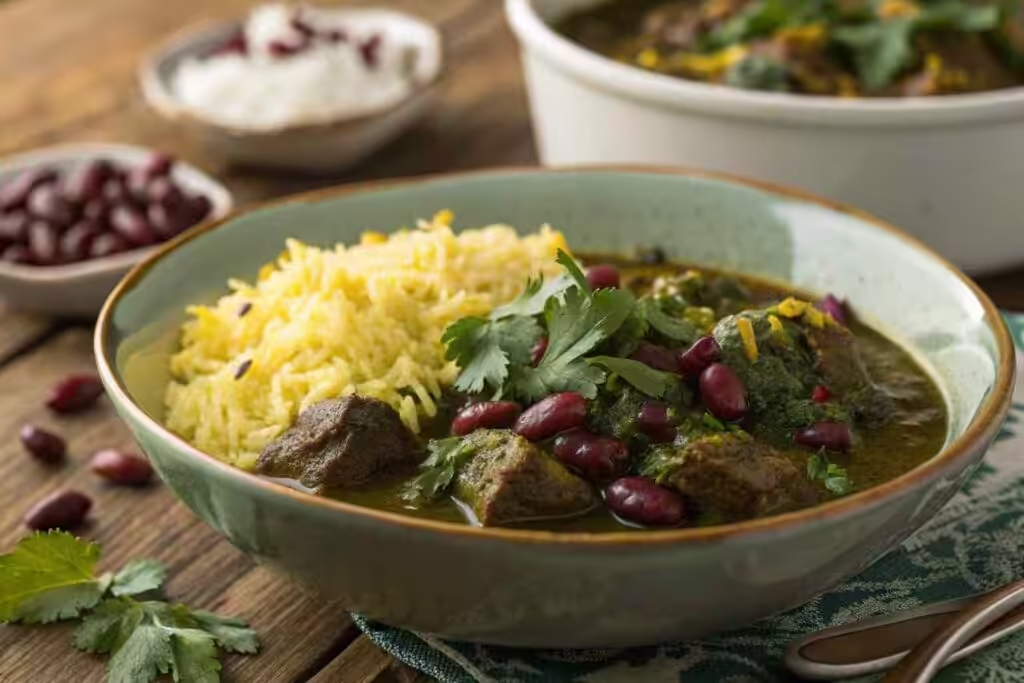
This herb stew was the first dish Farah served us, and I’ll never forget that first bite. It’s made with massive amounts of fresh herbs—parsley, cilantro, and fenugreek—slow-cooked with kidney beans, dried limes, and tender chunks of lamb. The color is this deep, gorgeous green, and the flavor? It’s earthy, tangy, slightly bitter, and completely addictive.
“This is our comfort food,” Farah explained. “Like your chicken soup, but better.” She was joking, but honestly? She might be right. The slow cooking makes the flavors so deep and complex. If you love hearty stews, you’ll also enjoy our beef stew collection.
My first attempt at making Ghormeh Sabzi was… intriguing. I couldn’t find fenugreek at our regular grocery store, so I left it out. Big mistake! The flavor wasn’t quite right. Farah kindly came over and showed me the difference fresh fenugreek makes. Now I buy it dried in bulk from the Persian market, and it keeps forever.
Fesenjan: The Sweet and Sour Masterpiece
This pomegranate and walnut stew is what Nicolas calls “fancy dinner party food that’s actually not that difficult to make.” It’s elegant, it’s different, and it impresses people. Ground walnuts create this rich, thick sauce, and pomegranate molasses adds that signature sweet-sour flavor.
Farah usually makes it with chicken, but she’s also done it with duck for special occasions. The sauce is dark, glossy, and absolutely gorgeous spooned over fluffy saffron rice. Our girls weren’t sure at first (the color threw them off), but after one taste, they were hooked.
Pro tip from Farah: don’t rush this dish. Let it simmer low and slow. The longer it cooks, the better it gets. It’s the same patient approach we use in our slow-cooked chicken dishes.
Tahdig: The Crispy Rice Crust Everyone Fights Over
Okay, so tahdig isn’t exactly a dish—it’s the golden, crispy layer of rice that forms at the bottom of the pot. And let me tell you, getting it right is both an art and a science. Farah makes it look effortless, but my first five attempts? Let’s just say we had a lot of sticky, burnt rice.
The trick, Farah finally revealed, is patience and the right heat level. Too high, and it burns. Too low, and it doesn’t crisp up. You need that Goldilocks zone—just right. When you flip the pot over and that perfect golden crust comes out intact? It’s like winning the lottery. Nicolas and the girls literally fight over who gets the biggest piece.
“In Persian families,” Farah told me, “getting the best piece of tahdig is a sign of love. We give it to our honored guests.” Now our family has adopted this tradition—whoever had a tough day gets first dibs on the tahdig.
Essential Persian Ingredients for Your Pantry
Saffron: The Golden Thread
After my first Persian cooking experience, I invested in real saffron. Yes, it’s expensive—probably the most expensive thing in my spice cabinet. But here’s the thing: you need so little, and it lasts forever. A pinch is all you need to transform plain rice into something special.
Farah taught me to steep saffron threads in a little hot water before adding them to dishes. This releases all that golden color and flavor. I keep my saffron in a small tin in a dark cupboard—apparently light and air are its enemies. It’s become my secret weapon for making everyday meals feel special.
Dried Limes and Barberries
Dried limes (limoo amani) look like little brown balls, and honestly, they’re not much to look at. But pierce one with a fork and drop it into a stew? Magic happens. They add this incredible tangy, slightly bitter depth that’s impossible to replicate with fresh limes.
Barberries are these tiny, tart berries that Persians use like we might use cranberries. They’re gorgeous scattered over rice—little pops of red that add both color and a tart punch. The first time I made zereshk polo (barberry rice), the girls thought I’d added jewels to the rice. They’re that pretty!
Pomegranate Molasses
This thick, dark syrup is concentrated pomegranate juice, and it’s a flavor bomb. Sweet, sour, fruity—it adds complexity to everything it touches. I now use it in Persian recipes, but also in salad dressings, marinades, and even roasted vegetables. It’s become one of my kitchen staples, right up there with good olive oil.
If you’re building a pantry of international ingredients, these Persian essentials pair beautifully with items from our global recipes collection.
Persian Cooking Techniques Farah Taught Me
The Art of Slow Cooking
One of the biggest lessons I learned about Persian recipes? You can’t rush them. These aren’t quick weeknight dinners (though some simpler versions can be). Farah explained that traditional Persian stews cook for hours, sometimes even a full day for special occasions.
“The flavors need time to become friends,” she said. And it’s true! A fesenjan that’s simmered for three hours tastes completely different from one that’s been rushed. The ingredients meld together, creating something that’s more than the sum of its parts.
Now I start my Persian recipes in the morning or even the day before. The house smells incredible all day, and by dinner time, the flavors are absolutely perfect. It’s the same patient approach we use in our slow-simmered soups.
Layering Flavors Like a Persian Chef
Farah’s cooking style taught me something crucial about building flavors. She doesn’t just dump everything in a pot. First, she blooms the spices in oil. Then she adds aromatics like onions and garlic. Then the meat gets browned properly. Each step builds on the last, creating layers of flavor.
I used to be impatient in the kitchen, wanting to get dinner on the table fast. But watching Farah cook showed me that taking time with each step makes all the difference. Now when I make Persian recipes, I move slowly and deliberately, and the results speak for themselves.
Regional Persian Specialties
Northern Persian Dishes
Farah’s family is from northern Iran, near the Caspian Sea, and she introduced us to some amazing seafood dishes from that region. Mirza Ghasemi, a smoky eggplant dish with tomatoes and garlic, became an instant favorite. It’s vegetarian, flavorful, and perfect with warm flatbread.
She also makes this incredible herbed rice called sabzi polo, usually served with fish. The rice is packed with fresh dill, cilantro, and parsley—so green and aromatic. It’s traditionally served during Persian New Year celebrations.
Southern Coastal Flavors
The southern regions near the Persian Gulf have spicier dishes influenced by their coastal location. Farah made us a shrimp stew one time that had serious heat—not overwhelming, but definitely more kick than the northern dishes. The seafood is fresh, the spices are bold, and everything has this vibrant, lively flavor profile.
If you love exploring seafood from different cultures, check out our salmon recipes for more inspiration.
Persian Desserts and Tea Culture
Sholeh Zard: Saffron Rice Pudding
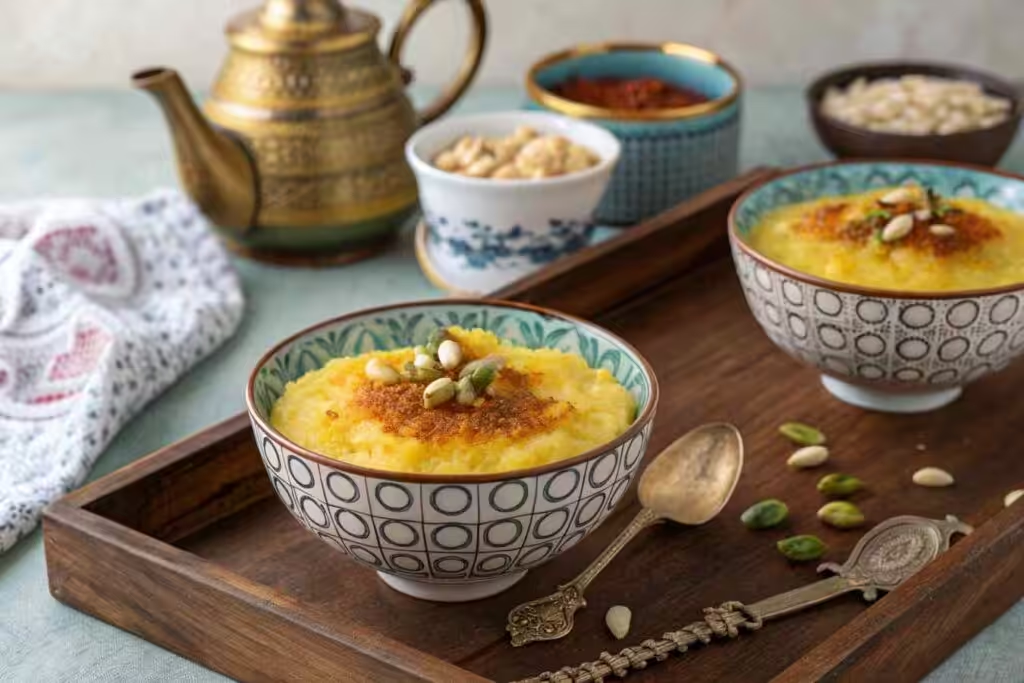
This is the dessert that won my heart. Saffron rice pudding sounds simple, but it’s absolutely divine. The rice is cooked until creamy, infused with saffron and rosewater, sweetened just right, and garnished with pistachios and cinnamon. It’s served cold, and every spoonful is perfumed and delicate.
I make this for special occasions now, and it always impresses. The golden color from the saffron makes it look as special as it tastes. Plus, it’s actually not difficult—it just requires patience and good stirring. For more special desserts, browse our dessert collection.
Persian Tea and Hospitality
After every meal at Farah’s house, we settle in for tea. Persian tea (chai) is strong and served in small glass cups, sometimes with a sugar cube held between your teeth as you sip (traditional style, though I haven’t mastered this yet!). It’s often flavored with cardamom, and it’s always accompanied by sweets—pistachios, dried fruits, or delicate pastries.
What I love most is how tea time is sacred. It’s not rushed. It’s a time to sit, talk, digest, and enjoy each other’s company. We’ve adopted this tradition at home—Sunday afternoon tea has become a thing in our house, and the girls love it.
Hosting Your Own Persian Feast
Planning the Menu
When I hosted my first Persian-style dinner party, Farah helped me plan the menu. We kept it manageable—you don’t need ten dishes to create an authentic experience. Here’s what we served:
Starter: Mast-o Khiar (yogurt and cucumber dip) with warm flatbread
Main: Ghormeh Sabzi (herb stew) and Zereshk Polo (barberry rice)
Side: Simple shirazi salad (cucumber, tomato, onion with lemon)
Dessert: Sholeh Zard (saffron rice pudding)
Drinks: Persian tea with cardamom
The whole menu was actually doable! I made the stew and dessert the day before, which took all the pressure off. Day-of, I just had to make the rice and salad. Easy! For more hosting ideas, check out our quick dinner solutions.
The Persian Approach to Hospitality
Here’s what I learned from Farah about Persian hospitality: abundance is everything. The table should be overflowing. Guests should never see the bottom of their plate. Refills are mandatory. And most importantly, everyone is family.
“In Persian culture,” Farah explained, “turning away a guest or letting them leave hungry is unthinkable. Food is how we show love.” And honestly? That resonates with me so much. That’s exactly how I feel about cooking for my family and friends.
Frequently Asked Questions About Persian Recipes
What is the most popular Persian dish?
Ghormeh Sabzi is widely considered the most beloved Persian dish—many call it Iran’s national dish. This herb stew with kidney beans, dried limes, and lamb is found on tables across Iran and in Persian households worldwide. It’s comfort food at its finest, with deep, complex flavors that develop through slow cooking. Kebab Koobideh (minced meat kebab) is another extremely popular choice, especially for casual dining and street food.
Are Persian recipes difficult for beginners?
Not at all! While some Persian dishes require time and patience, they’re not technically difficult. Start with simpler recipes like Mast-o Khiar (yogurt dip), shirazi salad, or basic saffron rice. These introduce you to Persian flavors without overwhelming techniques. As you get comfortable, move on to stews like Ghormeh Sabzi or Fesenjan. The key is allowing enough time for slow cooking—Persian recipes reward patience, not complicated skills.
Where can I find Persian ingredients?
Persian or Middle Eastern markets are your best bet for authentic ingredients like dried limes, barberries, and good-quality saffron. Many larger grocery stores now carry basics like pomegranate molasses and rosewater in their international aisles. Online retailers also stock Persian specialty items with nationwide shipping. Don’t stress about having everything perfect from the start—you can build your Persian pantry gradually as you explore different recipes.
What makes Persian rice special?
Persian rice is all about technique and that coveted crispy bottom layer called tahdig. The rice is parboiled first, then steamed with a cloth under the lid to create fluffy, separated grains on top and a golden crust on the bottom. Saffron-infused butter or oil is often drizzled over portions of the rice for color and flavor. The result is rice that’s simultaneously fluffy and crispy, aromatic and buttery—nothing like plain boiled rice!
Can Persian recipes be made vegetarian?
Absolutely! Many Persian dishes are naturally vegetarian or easily adapted. Dishes like Mirza Ghasemi (smoky eggplant), various herb-based kuku (frittatas), Ash Reshteh (noodle soup), and numerous rice dishes are vegetarian-friendly. Even traditionally meat-based stews can be modified—I’ve made Ghormeh Sabzi with mushrooms instead of lamb, and it was delicious. Persian cuisine’s emphasis on herbs, vegetables, and legumes makes it very adaptable for vegetarian cooking.
How long do Persian stews need to cook?
Traditional Persian stews (khoresht) typically simmer for 2-4 hours to develop deep, layered flavors. Ghormeh Sabzi benefits from at least 2-3 hours of gentle simmering, while Fesenjan is even better after 3-4 hours. The slow cooking allows herbs to meld, meats to become tender, and flavors to concentrate beautifully. Many Persian cooks make stews a day ahead—they taste even better reheated as flavors continue developing overnight. Plan accordingly, and don’t try to rush these dishes!
Bringing Persian Flavors to Your Kitchen
You know what I love most about my Persian cooking journey? It’s shown me that food really is a universal language. That first dinner at Farah’s house opened up a whole new world of flavors, techniques, and traditions that have enriched our family’s cooking immensely.
Nicolas has declared Ghormeh Sabzi one of his all-time favorite meals (high praise from a man who loves his comfort food!). The girls have learned to appreciate complex flavors instead of just simple, one-note tastes. And me? I’ve gained not just amazing recipes but also a dear friend in Farah and a deeper appreciation for how food connects cultures.
Start simple with your Persian cooking adventure. Try making some saffron rice this weekend. Pick up some pomegranate molasses and experiment with it. Visit a Persian market and let the shop owner guide you. Don’t worry about making everything perfectly authentic right away—just start exploring, tasting, and enjoying.
Persian recipes have taught me that the best meals are the ones made with time, care, and love. They’ve reminded me that cooking isn’t just about feeding people—it’s about bringing them together, creating memories, and sharing culture across tables.
From our kitchen to yours,
Nora & Nicolas
P.S. – Thank you, Farah, for your endless patience, your generous spirit, and for sharing your beautiful culinary heritage with our family. Our dinner table is richer, more colorful, and infinitely more delicious because of you. And to everyone reading this: if you try any Persian recipes, I’d absolutely love to hear about your experience in the comments below!