Is Saffron Rice Good for You? Benefits, Nutrition, and Tips
The Persian Restaurant That Changed Our Rice Game
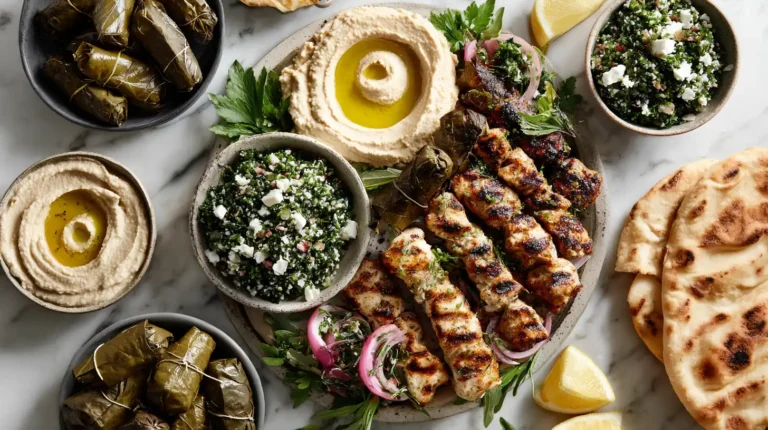
Anniversary dinner, two years ago. Nicolas picked this Persian restaurant downtown. I had no idea what to order, so the waiter suggested we try their signature dish with saffron rice.
The rice arrived bright yellow-gold. Almost glowing. Smelled incredible—floral, warm, and kind of sweet. I took a bite expecting regular rice with food coloring or something.
Wrong. Entirely different. The flavor was delicate and slightly sweet, unlike any rice I’d ever eaten. Nicolas and I just looked at each other. “What is this?”
The waiter explained it was saffron—threads from a flower called Crocus sativus. Most expensive spice in the world. “Red gold,” he called it. Each dish uses just a pinch, but it transforms the whole thing.
I wanted to make it at home immediately. Then I looked up saffron prices. I was on the verge of tears. Forty dollars for a tiny jar. The purchase was for rice seasoning. Nicolas laughed in my face. “Still want to make it?”
Yeah, I did. But first I needed to know—is this actually healthy, or just expensive yellow rice?
What Saffron Rice Actually Is
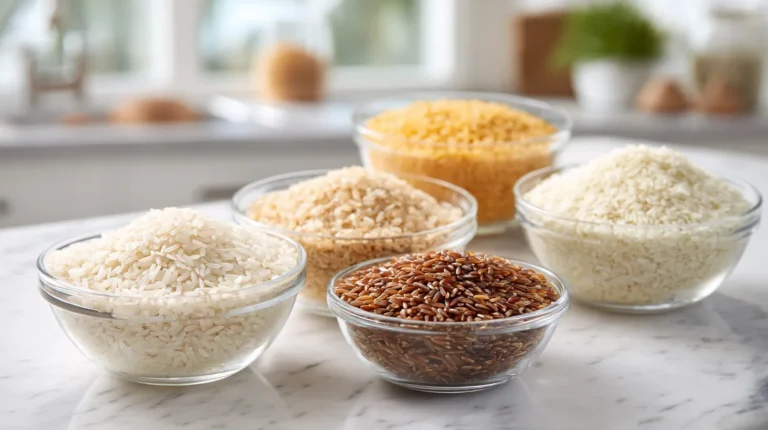
It took me a while to understand saffron rice wasn’t complicated. Just rice (usually basmati or white rice) cooked with saffron threads that have been steeped in warm water or milk.
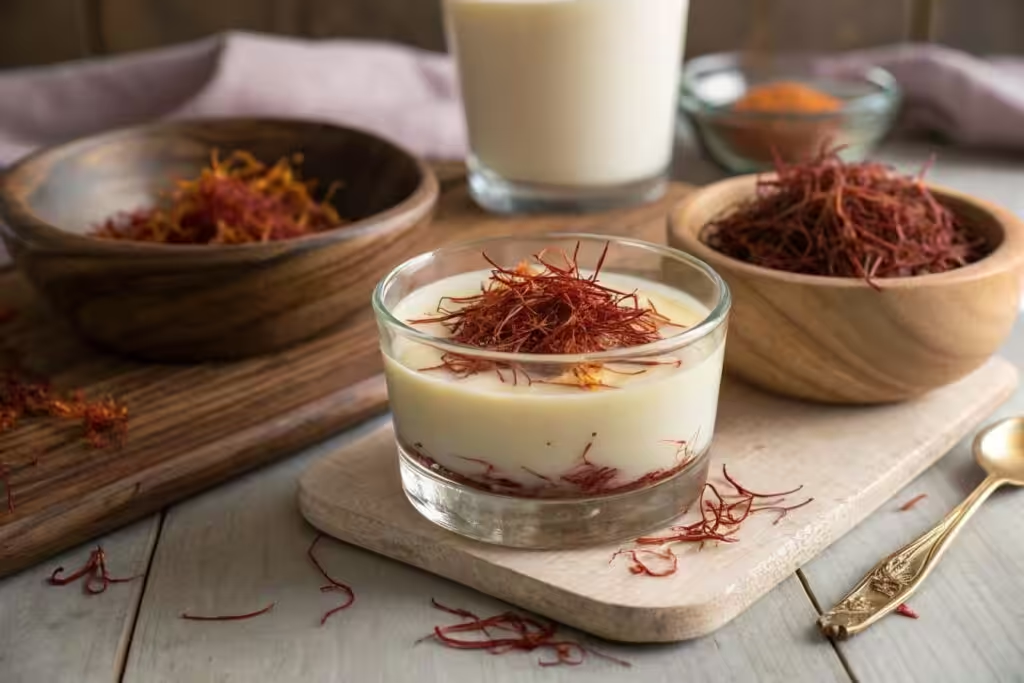
The saffron comes from the stigmas of crocus flowers. Each flower has only three stigmas. They’re hand-picked. It takes about 75,000 flowers to make one pound of saffron. That’s why it costs more than gold by weight.
Traditional preparation involves steeping the saffron threads in warm liquid until the water turns golden. Then you add that liquid to your rice while cooking. Sometimes people add butter, olive oil, cinnamon, or cardamom for extra flavor.
The result? The result is rice that boasts a vibrant yellow-gold hue, a unique floral aroma, and a subtle sweet taste. Used in Persian, Indian, Mediterranean, and Spanish cooking. It’s special occasion food in most cultures—not everyday rice.
How It’s Different From Other Yellow Rice
I thought all yellow rice was the same initially. I initially assumed that turmeric rice, saffron rice, and yellow rice from the grocery store were interchangeable.
Nope. Completely different.
Turmeric gives rice an earthy, slightly bitter flavor and bright yellow color. Turmeric is inexpensive, readily available, and has a pleasant flavor. But it’s not saffron.
Saffron has this delicate, floral, almost honey-like sweetness. Subtle. It’s difficult to accurately describe without tasting it. The color is warmer and more golden than turmeric’s electric yellow.
I tried making “fake” saffron rice with turmeric once to save money. Looked similar. Tasted nothing alike. Nicolas took one bite and said, “This isn’t it.” He was right. For our full saffron rice method, check our complete saffron rice recipe.
When I Actually Looked Up The Nutrition
After making saffron rice a few times, I started wondering about the health aspect. Does the saffron contribute any nutritional value, or is it primarily an expensive source of carbohydrates?
The Calorie and Carb Reality
One cup of saffron rice made with basmati has about 200 calories. The majority of the calories come from carbohydrates, which account for about 45 grams per cup. About 4 grams of protein and 2 grams of fat, depending on how much butter or oil you use.
So, it’s carb-heavy like any rice dish. Not low-calorie. If you are strictly monitoring your carbohydrate intake, saffron rice is not a suitable option for you unless you consume it in very small portions.
But the saffron itself? That’s where things get interesting.
What The Saffron Actually Adds
Saffron contains small amounts of vitamin C, potassium, and magnesium. Not huge amounts—you’re using maybe a pinch per batch of rice. But it’s also rich in manganese, which supports bone health and metabolism.
The real benefit comes from saffron’s antioxidants. Two main compounds: crocin and safranal. These fight oxidative stress, protect cells from damage, and have anti-inflammatory properties.
I’m not going to claim saffron rice is a superfood. But the saffron does add more than just color and flavor. There’s actual nutritional value there, even in small amounts.
Health Benefits I Didn’t Expect
The more I researched saffron, the more I found studies about its health effects. Some were surprising.
Easier Digestion
Saffron has been used in traditional medicine for digestive issues for centuries. It’s supposed to soothe the stomach, reduce bloating, and help with indigestion.
Can’t say I’ve noticed dramatic digestive changes from eating saffron rice. But rice itself is easy to digest, and adding saffron doesn’t seem to hurt. If anything, it’s gentler on my stomach than heavily spiced rice dishes.
Is Saffron Rice Good for You and Your Mood?
This one’s weird but backed by actual research. Saffron has mood-enhancing properties. Studies show it can help reduce symptoms of depression and anxiety.
Obviously eating saffron rice once won’t cure depression. But regular consumption of saffron might have mild positive effects on mental health. The compounds in saffron affect serotonin levels in the brain.
I make saffron rice because I want comfort food now. It could be the saffron, or just that the dish feels special. Either way, it lifts my mood.
Anti-Inflammatory Benefits
Those antioxidants in saffron—crocin and safranal—have anti-inflammatory effects. This means saffron might help with inflammation-related conditions like arthritis.
Again, you’re not eating pounds of saffron. But even small amounts consumed regularly might provide some benefit. Nicolas’s mom has arthritis and swears saffron tea helps her joints. Could be a placebo effect. This may or may not be a placebo effect. Hard to say.
Heart Health Considerations
Research suggests saffron may help lower blood pressure and improve cholesterol levels. Both are important for heart health.
The rice itself is carb-heavy, which isn’t ideal for heart health in large amounts. But if you prepare saffron rice with olive oil instead of butter and pair it with vegetables and lean protein, it can fit into a heart-healthy diet. For more heart-healthy options, try our grilled chicken wraps.
The Downsides Nobody Mentions
The Price Is Absolutely Insane
Let’s address the most significant issue. Saffron is stupidly expensive.
I paid forty-two dollars for a one-gram jar. One gram. That’s about a quarter teaspoon of threads. It lasted me maybe six batches of rice before running out.
You can find cheaper saffron, but quality varies wildly. Fake saffron exists—dyed safflower or corn silk threads sold as the real thing. If the price appears too low to be genuine, it likely is.
Some individuals use turmeric as a cost-effective substitute for yellow rice. It looks similar, costs way less. But the flavor’s completely different, and you lose the saffron’s health benefits.
We make saffron rice for special occasions only because of the cost. I can’t justify the cost for regular weeknight dinners. For budget-friendly everyday rice dishes, refer to our chicken and rice collection.
Is It Safe for Everyone?
Generally, yeah. Most people can eat saffron rice without problems. But there are exceptions.
Saffron allergies exist, though they’re rare. Symptoms can include headaches, nausea, and dizziness. If you’ve never had saffron before, start with a small amount.
High doses of saffron can cause side effects—dizziness, drowsiness, and even toxicity in extreme cases. But you’d need to consume way more than what’s in a typical rice dish. We’re talking grams of pure saffron, not the pinch used in cooking.
Pregnant women should probably limit saffron intake. Some sources say it might stimulate uterine contractions in large amounts. Again, the tiny amount in saffron rice is likely fine, but it’s better to check with a doctor.
Can You Eat It While Losing Weight?
I get asked this a lot. Short answer: maybe, with modifications.
The Portion Control Reality
Saffron rice isn’t low-calorie. 200 calories per cup adds up fast if you’re eating large portions. And let’s be honest—one cup of rice is a small serving. It’s easy to eat two or three cups without thinking.
If you’re trying to lose weight, stick to half-cup or three-quarter-cup portions. Use brown rice or cauliflower rice instead of white basmati to lower calories and increase fiber.
Go easy on the butter or oil. The saffron provides flavor—you don’t need tons of fat to make it taste delicious.
The Appetite Thing
Here’s something intriguing I found: research suggests saffron may help regulate appetite and reduce cravings. Some studies show people who consume saffron feel fuller and snack less.
Can’t say whether this is true from personal experience. I don’t eat saffron rice often enough to notice appetite effects. But the research exists if you want to look into it.
Making It Part Of Balanced Meals
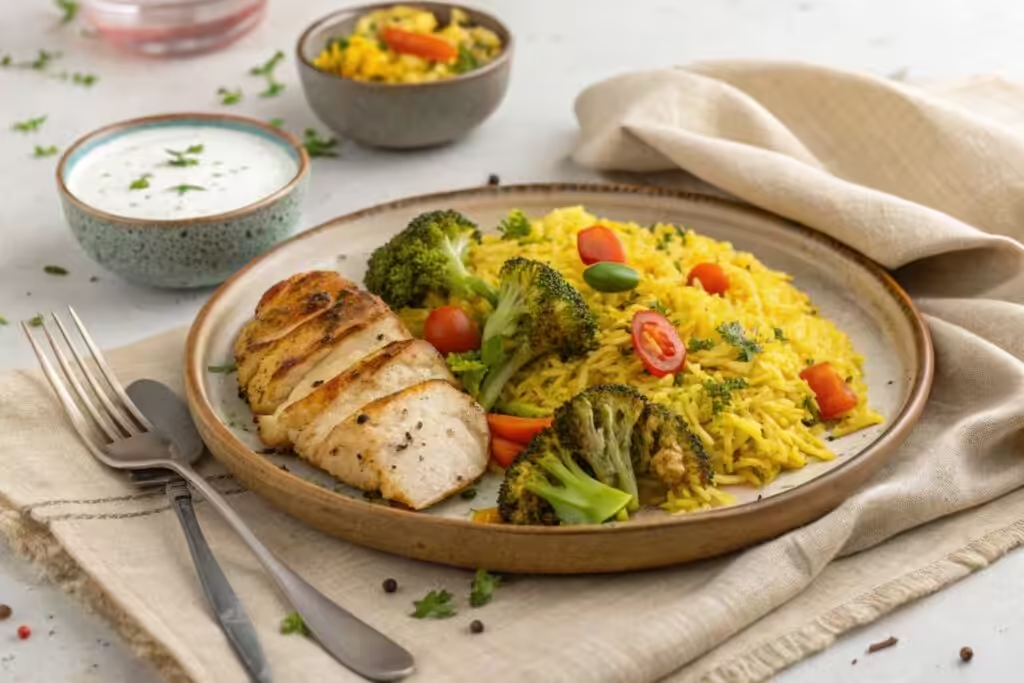
When we do make saffron rice, I always pair it with lean protein and lots of vegetables. Grilled chicken breast, steamed broccoli, and fresh salad. Balance the carbs with protein and fiber.
That way you’re getting a complete meal, not just rice and butter. The vegetables add nutrients the rice lacks. The protein keeps you full longer. For more balanced meal ideas, see our low-calorie lunch options.
How We Actually Use Saffron Rice
After two years of occasionally making saffron rice, we’ve figured out what works for our family.
Special Occasions Only
The price keeps us from making it weekly. We reserve saffron rice for holidays, dinner parties, and anniversaries. Times when we want something memorable.
Makes it feel more special when we do have it. Not just another weeknight dinner.
What We Serve It With
Saffron rice pairs really well with Mediterranean and Middle Eastern dishes. We serve it alongside:
Grilled lamb with herbs and lemon. The saffron complements the lamb perfectly.
Roasted chicken with spices. Simple but elegant. Check out our chicken Marsala for similar flavors.
Shrimp or salmon. The delicate saffron flavor works beautifully with seafood.
Vegetable curry. The rice balances the curry’s heat and spice.
Always with vegetables on the side. Roasted vegetables, fresh salad, steamed greens—something to add fiber and nutrients.
Making It Work For Different Diets
Vegan version: Skip the butter; use olive oil instead. Steep saffron in water rather than milk. Works perfectly.
Low-carb version: Replace rice with cauliflower rice. Won’t have the same texture but absorbs the saffron flavor well. Cuts carbs dramatically.
Gluten-free: Already gluten-free. Rice doesn’t contain gluten, and saffron is just a spice.
We tried the cauliflower rice version while Nicolas was following a low-carb diet. Honestly? It wasn’t the same as the original dish. But if you need low-carb, it’s a decent compromise.
Common Questions About Saffron Rice
What Are The Benefits Of Saffron Rice?
Saffron contains antioxidants (crocin and safranal) that fight oxidative stress and inflammation. It may help with digestion, mood, and heart health. The rice provides energy through carbs. Together you get a flavorful dish with some nutritional benefits beyond basic rice.
Is Saffron Rice Good for Weight Loss?
Not particularly. It’s carb-heavy and calorie-dense. But you can make it work with portion control, using brown rice or cauliflower rice, limiting added fats, and pairing it with vegetables and lean protein. Some research suggests saffron helps regulate appetite, which might help with weight management.
Is Yellow Saffron Rice Healthy?
The healthfulness of Yellow Saffron Rice is contingent upon its preparation and portion size. The saffron adds antioxidants and nutrients. The rice provides energy but also lots of carbs. Made with minimal fat and paired with balanced meals, it can be part of a healthy diet. But it’s not a superfood—just rice with beneficial spice.
Does Saffron Rice Have Many Carbs?
Yeah. Saffron rice contains approximately 45 grams of carbohydrates per cup, which is comparable to regular rice. The saffron doesn’t change the carb content. If you’re watching carbs, use cauliflower rice instead or stick to tiny portions.
Is Saffron Rice Good for You?
After two years of making and researching saffron rice, here’s my honest take:
It’s not health food. It’s rice with expensive spice. Carb-heavy, calorie-dense, and not particularly filling on its own.
But the saffron does add real nutritional value. Antioxidants, anti-inflammatory compounds, and potential mood benefits. Small amounts, sure. But more than zero.
We treat it as special occasion food. Too expensive for weekly rotation anyway. When we do make it, we use excellent technique, pair it with vegetables and protein, and keep portions reasonable.
It’s a treat that happens to have some health benefits. Not a superfood, not junk food. Somewhere in between—a delicious, culturally rich, moderately nutritious rice dish that costs a fortune to make.
If you love the flavor and can afford it, go ahead and enjoy saffron rice occasionally. Balance it with healthy foods the rest of the week. Don’t expect it to cure anything or make you lose weight. Just appreciate it for what it is—really good rice.
That anniversary dinner two years ago introduced us to something we genuinely love. Is it worth the price? Sometimes. Is it worth incorporating into a balanced diet? Absolutely. Is it worth consuming on a daily basis? Probably not, for both health and budget reasons.