Why Lebanese Lunch Recipes Offer a Feast of Flavors
From Our Kitchen to Yours: A Lebanese Love Story
Hey there, sweetie! It’s Nora, and I have to tell you about the most amazing lunch I had last month. Our neighbor, Mrs. Khalil—this incredible Lebanese grandmother—invited us over for what she called “just a simple lunch.” Well, let me tell you, when a Lebanese grandmother says “simple lunch,” you better come hungry!
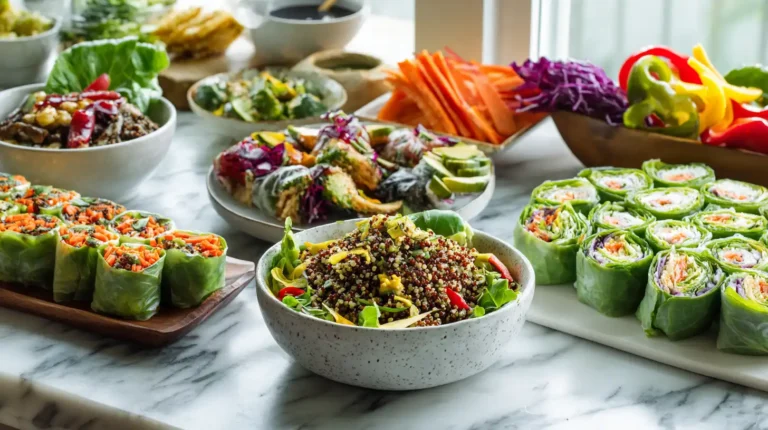
Nicolas and I walked into her home and were greeted by the most intoxicating aromas—fresh parsley, roasted garlic, grilled meats, and something lemony that made my mouth water instantly. The table was absolutely covered with little plates of the most colorful, vibrant food I’d ever seen. That afternoon completely changed how I think about lunch. It wasn’t just eating—it was an experience, a celebration, a gathering of flavors and stories.
Here’s what you’ll discover about Lebanese lunch recipes:
• Why Lebanese lunches are the main meal of the day (and how that changes everything)
• The magic of mezze—those beautiful small plates that keep coming
• Essential ingredients you probably already have in your pantry
• Simple techniques that make authentic flavors accessible
• My favorite recipes from Mrs. Khalil’s table (she even shared her secrets!)
Love exploring international flavors? Check out our World Cuisine collection for more authentic recipes from around the globe.
Why Lebanese Lunch Recipes Offer a Feast of Flavors
So here’s something that surprised me—in Lebanese culture, lunch is actually the big deal of the day. Not dinner like we’re used to here in the States. Mrs. Khalil explained that traditionally, the whole family would come together for this midday feast, sharing stories and laughter over dozens of small dishes.
What I love most about Lebanese lunch recipes is that they’re designed for sharing. There’s no “this is mine, that’s yours” mentality. Everything goes in the middle of the table, and you taste a little bit of everything. It’s communal, it’s warm, and honestly? It’s exactly how food should be enjoyed. If you’re drawn to Mediterranean flavors, our Greek gyro bowls capture that same spirit of fresh, vibrant ingredients.
What Makes Lebanese Cuisine Special
You know what struck me most? The freshness. Lebanese cooking doesn’t hide behind heavy sauces or complicated techniques. Instead, it celebrates the ingredients themselves—ripe tomatoes, crisp cucumbers, fragrant herbs, and that gorgeous olive oil that Mrs. Khalil swears by (she imports it from her cousin’s grove in Lebanon!).
Nicolas was particularly impressed by how the spices work together. Nothing overpowers anything else. You get this beautiful layering of flavors—a little cumin here, some sumac there, fresh mint everywhere—that creates something truly special without being complicated.
The Magic of Mezze
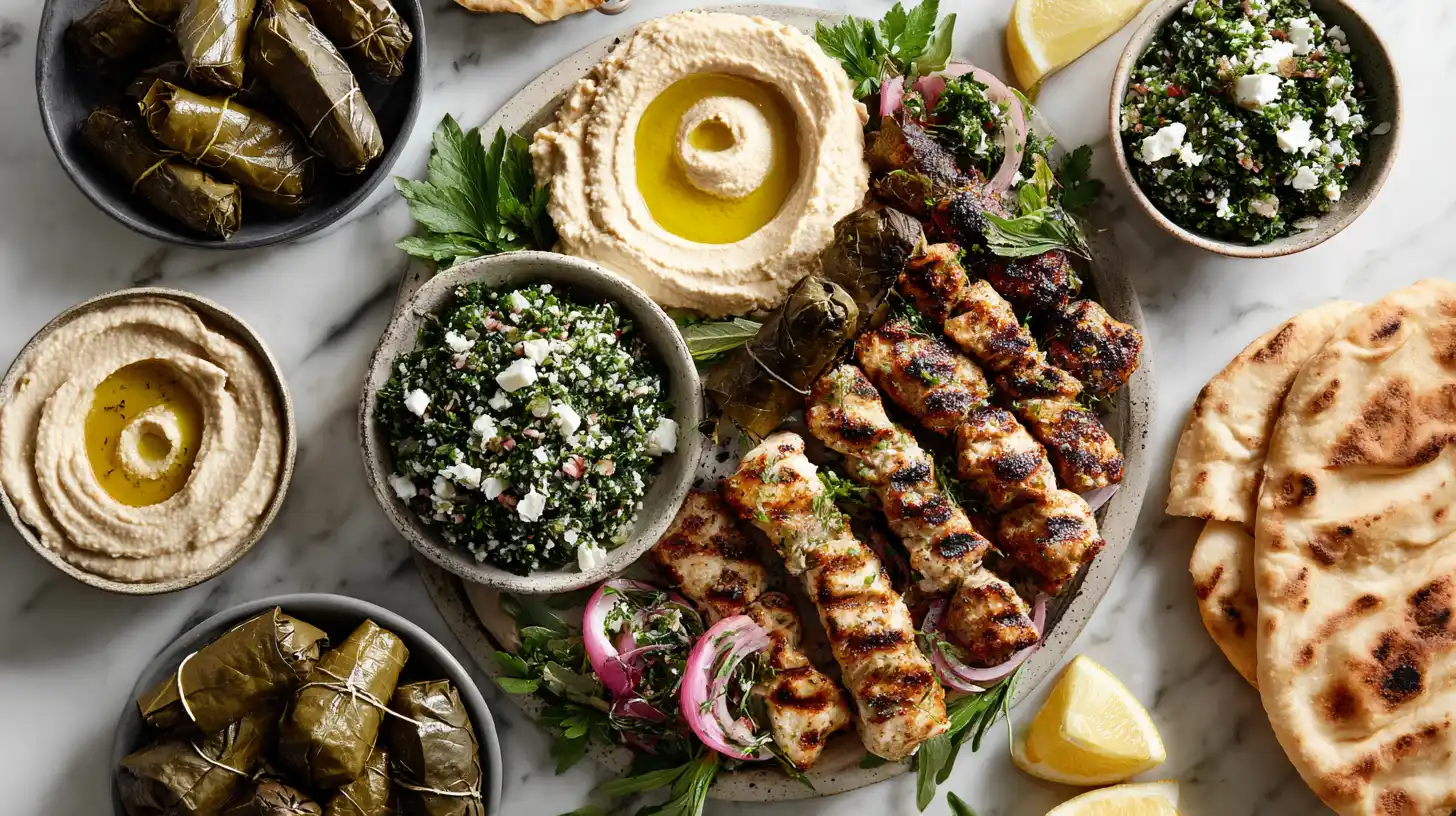
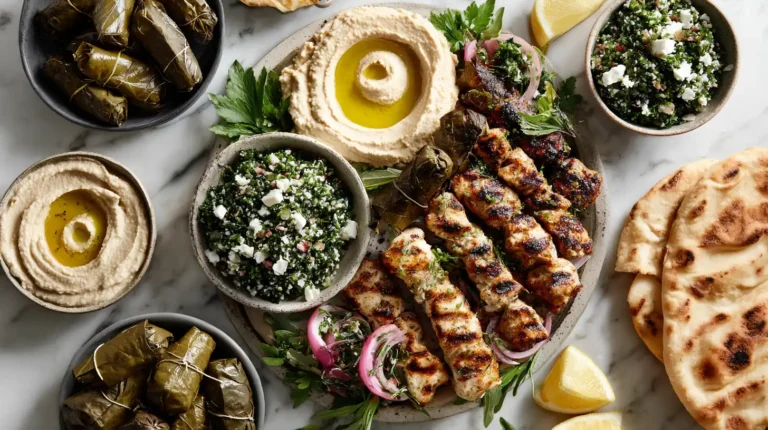
Let me tell you about mezze, because this is where Lebanese lunches really shine. Mezze are those beautiful small plates—hummus, tabbouleh, baba ghanoush, stuffed grape leaves—that keep appearing on the table like magic. Mrs. Khalil had at least ten different mezze dishes that day, each one more delicious than the last.
The best part? Most of these can be made ahead! I’ve started doing “mezze Sundays,” where I prep a few dishes in the morning, and we graze on them throughout the afternoon. The girls absolutely love it—it feels like a special occasion every time.
Essential Ingredients for Lebanese Lunch Recipes
Staples You’ll Need
When I got home from Mrs. Khalil’s, I immediately checked my pantry. Good news—I already had most of what I needed! Lebanese cooking uses simple, wholesome ingredients that you can find at any good grocery store (though I’ll admit, the Middle Eastern market has become my new favorite weekend destination).
Grains: Bulgur and Rice
Bulgur is this wonderful cracked wheat that has a nutty flavor and chewy texture. It’s the star of tabbouleh and absolutely essential for Lebanese cooking. I buy mine in bulk now because we go through it so quickly! If you’re interested in exploring more bulgur recipes, our Turkish bulgur pilaf uses similar techniques with amazing results.
Rice is another staple, and Mrs. Khalil taught me her trick—always rinse it until the water runs clear, then let it soak for 20 minutes before cooking. Game changer! The rice comes out so fluffy and perfect every single time.
Legumes: Lentils and Chickpeas
I’ve always had dried chickpeas and lentils in my pantry, but I never really knew what to do with them beyond the occasional soup. Lebanese cooking changed that completely! Chickpeas become the creamiest hummus you’ve ever tasted (the secret is removing those little skins—tedious but so worth it). Lentils get transformed into mujadara, this comforting dish with rice and caramelized onions that’s become a family favorite.
Both ingredients are packed with protein and fiber, making them perfect for our healthy recipes collection. Plus, they’re budget-friendly, which Nicolas absolutely loves!
Fresh Herbs: Parsley and Mint
Here’s where Lebanese cooking gets really interesting—the herbs aren’t just garnish; they’re main ingredients! I’m talking bunches of fresh parsley, not just a little sprinkle. Tabbouleh is more parsley than anything else, and it’s absolutely incredible.
Fresh mint adds this cooling, refreshing element that balances rich flavors beautifully. I’ve started growing both in pots on our kitchen windowsill—it’s so convenient to just snip what I need!
The Golden Ingredient: Olive Oil
If there’s one thing you invest in for Lebanese cooking, make it good olive oil. Not the cheap stuff—get something with flavor and character. Mrs. Khalil uses it generously in everything, and I mean everything. Drizzled over hummus, whisked into dressings, and even used to finish off grilled meats. The flavor it adds is irreplaceable.
Popular Lebanese Lunch Recipes
Mezze: The Heart of Lebanese Lunch
Let me share the mezze dishes that completely won me over at Mrs. Khalil’s table:
Hummus—This isn’t the store-bought stuff, honey. This is silky, creamy, tahini-rich perfection. Mrs. Khalil’s secret? A tiny bit of baking soda when cooking the chickpeas makes them super tender. Who knew?
Tabbouleh—I used to think tabbouleh was a grain salad. Wrong! It’s a parsley salad with some bulgur. The ratio matters! Mostly herbs, a little bit of bulgur, and lots of lemon juice. It’s fresh, bright, and absolutely addictive.
Baba Ghanoush—Smoky, creamy eggplant dip that tastes like it took hours but is surprisingly simple. You char the eggplant (over the stove flame if you can—that’s where the magic happens), scoop out the flesh, and blend it with tahini, garlic, and lemon. Divine!
For more veggie-forward ideas, our vegetarian soup collection celebrates fresh produce with similar enthusiasm.
Main Dishes That Steal the Show
Shish Tawook (Grilled Chicken Skewers)—These yogurt-marinated chicken skewers are Nicolas’s new obsession. The chicken stays incredibly moist, and the marinade (yogurt, lemon, garlic, and spices) creates this beautiful charred exterior when grilled. We make extra because they disappear fast. If you love grilled chicken, check out our chicken recipes guide for more family favorites.
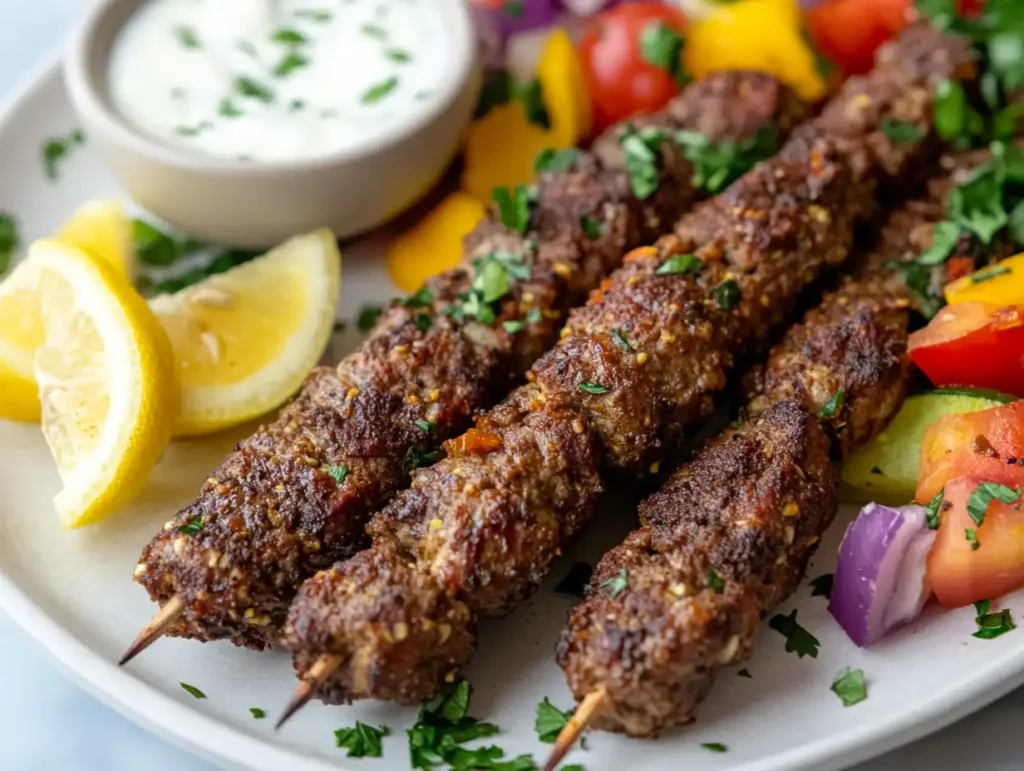
Kafta (Spiced Meat Skewers)—Ground meat mixed with onions, parsley, and spices, shaped onto skewers, and grilled. Think of them as elevated meatballs on a stick. The girls request these at least once a week now!
Side Dishes Worth Celebrating
Mujadara (Lentils and Rice)—Comfort food at its finest. Lentils, rice, and those gorgeous caramelized onions on top. It’s humble, it’s simple, and it’s absolutely soul-satisfying. Mrs. Khalil says the key is patience with those onions—low and slow until they’re deep golden brown.
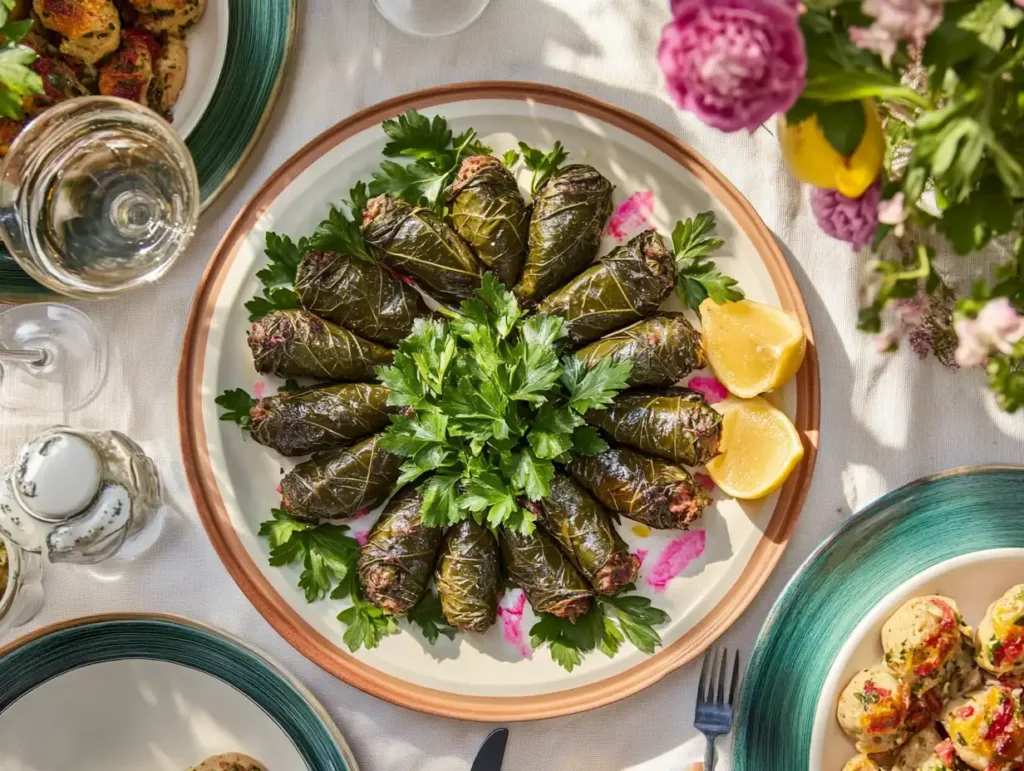
Warak Enab (Stuffed Grape Leaves)—These take a little practice (my first batch looked… interesting), but they’re so worth it! Rice, herbs, and sometimes meat, wrapped in tender grape leaves and simmered in lemon broth. They’re tangy, savory, and surprisingly addictive.
Cooking Techniques Simplified
Grilling and Roasting
Lebanese cooking loves the grill! Whether it’s shish tawook, kafta, or vegetables, that char adds incredible flavor. No grill? No problem—I use my cast iron grill pan and get similar results. The key is high heat and not moving things around too much.
For roasting, Mrs. Khalil taught me to char eggplants directly over the stove flame for baba ghanoush. It sounds scary, but it’s actually easy—just keep turning them until the skin is completely black and the inside is soft. That’s where the smoky flavor comes from!
The Art of Simple Mezze
Here’s what I love—most mezze require minimal equipment. A good food processor makes hummus in minutes. A sharp knife and cutting board are all you need for tabbouleh. Even stuffed grape leaves just need patience and a pot. Nothing complicated, nothing fancy. Just good ingredients and simple techniques.
Hosting a Lebanese Lunch Feast
Setting Your Table
I hosted my first Lebanese-style lunch last weekend, and let me share what I learned from Mrs. Khalil about presentation. First, forget individual plates for appetizers. Everything goes on the table family-style. Use your prettiest platters and small bowls for mezze—it creates this abundant, welcoming spread that makes people want to dig in.
Garnish matters! A drizzle of olive oil, a sprinkle of sumac, some fresh parsley—these little touches make everything look (and taste) more special. And please keep in mind plenty of warm pita bread—it’s basically your utensil for scooping up all those delicious dips.
Drinks That Complement
For drinks, I made fresh mint lemonade (literally just lemonade with fresh mint—why didn’t I think of this before?). It’s refreshing and cuts through the richness of the food beautifully. Mrs. Khalil also introduced us to Arabic coffee served with dates for dessert—it’s strong, aromatic, and feels so authentic.
Speaking of dessert, if you’re looking for something sweet to end the meal, our dessert collection has options that pair wonderfully with Middle Eastern flavors.
Health Benefits of Lebanese Lunch
You know what Nicolas noticed? After we started incorporating more Lebanese-style lunches into our weekly routine, we both felt better. These meals are naturally balanced—lots of vegetables, lean proteins, healthy fats from olive oil, and whole grains. It’s basically the Mediterranean diet in action, and it doesn’t feel like we’re “eating healthy”—it just tastes too good!
The fiber from all those legumes and vegetables keeps you satisfied for hours. No more mid-afternoon energy crashes! Plus, the fresh herbs add vitamins and antioxidants without any effort. If you’re focused on healthy eating, explore our low-sodium recipes for more nutritious options.
Plant-Based Goodness
What I love is how many Lebanese dishes are naturally vegetarian or even vegan. Hummus, tabbouleh, baba ghanoush, mujadara—all plant-based and all incredibly satisfying. Even the girls don’t miss meat when we do a full mezze spread.
Frequently Asked Questions
What are the easiest Lebanese lunch recipes for beginners?
Start with hummus and tabbouleh—they’re forgiving, delicious, and require minimal equipment. Once you’re comfortable with those, try fattoush salad and maybe some grilled chicken skewers. These dishes introduce you to Lebanese flavors without being overwhelming, and they’re all crowd-pleasers that even picky eaters enjoy.
Can I make Lebanese lunch recipes ahead of time?
Absolutely! In fact, many Lebanese dishes taste even better the next day as flavors meld together. Hummus, baba ghanoush, and stuffed grape leaves can be made 2-3 days ahead. Marinades for grilled meats can be prepped the night before. Tabbouleh is best made a few hours ahead so the bulgur can absorb the dressing. This makes Lebanese lunches perfect for meal prep!
What spices are essential for Lebanese cooking?
The core spices you’ll need are cumin, cinnamon, allspice, and sumac. Sumac is the tangy, lemony spice that’s uniquely Middle Eastern and absolutely worth seeking out. Also keep dried mint, garlic powder, and good-quality paprika on hand. Most Lebanese dishes don’t use tons of different spices—they rely on fresh ingredients and a few key seasonings used thoughtfully.
How do I store leftover Lebanese dishes?
Store mezze like hummus and baba ghanoush in airtight containers in the fridge for 3-4 days. Drizzle a little olive oil on top to prevent drying. Tabbouleh keeps for 2-3 days but is best eaten fresh. Cooked meats like shish tawook should be consumed within 2-3 days. Stuffed grape leaves actually freeze beautifully—just thaw in the fridge overnight before serving.
What’s the difference between tabbouleh and fattoush?
Tabbouleh is primarily a parsley salad with bulgur, tomatoes, and lots of lemon juice—it’s herbaceous and bright. Fattoush is a mixed vegetable salad with crispy pita pieces, lettuce, cucumbers, and tomatoes, dressed with sumac and lemon. Both are fresh and delicious, but tabbouleh is more herb-forward, while fattoush has more varied textures, with those crispy pita chips adding wonderful crunch.
Can I make Lebanese recipes vegetarian or vegan?
Lebanese cuisine is incredibly vegetarian and vegan-friendly! Many traditional dishes are naturally plant-based—hummus, baba ghanoush, tabbouleh, fattoush, mujadara, and stuffed grape leaves (when made without meat). Even dishes traditionally made with meat can often be adapted. The cuisine’s emphasis on vegetables, grains, and legumes makes it perfect for plant-based eating without feeling restricted.
Bringing Lebanese Flavors Home
You know what Mrs. Khalil told me as we were leaving that day? She said, “Lebanese food is all about love and sharing. Don’t worry about making it perfect—just make it with heart.” That stuck with me. These recipes aren’t meant to be intimidating or complicated. They’re meant to bring people together, to create moments of joy and connection around the table.
Since that lunch, our family has embraced Lebanese flavors in our own way. We have “mezze Sundays,” we grill shish tawook on weeknights, and the girls have learned to help make tabbouleh (they’re surprisingly good at chopping parsley!). It’s become part of our family food story, and I hope it becomes part of yours too.
Start simple. Make some hummus this weekend. Try a tabbouleh salad. Grill some marinated chicken. You don’t need to master everything at once. Just start exploring, tasting, and enjoying. And if you want to dive deeper into quick, family-friendly meals, check out our quick and easy recipes for more inspiration.
From our kitchen to yours,
Nora & Nicolas
P.S. – If you make any of these Lebanese lunch recipes, I’d absolutely love to hear about it! Share your photos and stories in the comments below. And thank you, Mrs. Khalil, for opening up your home and your culinary traditions to us. You’ve made our family’s meals infinitely more delicious!
Related Recipes
Lebanese Lunch Feast with Mezze
Ingredients
Mezze Dishes
- 2 cups Hummus (Make creamy with tahini and use baking soda for tender chickpeas.)
- 1 bunch Parsley (A main ingredient in Tabbouleh, use fresh and abundant.)
- 1 cup Bulgur (Soak bulgur in water and use in Tabbouleh.)
- 1 medium Eggplant (Char over flame for Baba Ghanoush.)
- 1/4 cup Tahini (Blend with eggplant for Baba Ghanoush.)
Main Dishes
- 1 pound Chicken Breast (For Shish Tawook, marinate in yogurt and spices.)
- 1 pound Ground Meat (For Kafta, mix with onions and spices.)
Herbs and Spices
- 1/4 cup Fresh Mint (Adds a refreshing element to the dishes.)
- 1 tablespoon Cumin (Essential for seasoning various dishes.)
- 1 tablespoon Sumac (Sprinkle on dishes for a tangy flavor.)
Instructions
Preparation of Mezze
- Prepare Hummus by blending chickpeas, tahini, olive oil, and lemon juice until smooth.
- Soak bulgur in water and mix with chopped parsley, tomatoes, lemon juice, and olive oil for Tabbouleh.
- Char eggplant over a flame, scoop out the flesh and blend with tahini and garlic for Baba Ghanoush.
Cooking Main Dishes
- Marinate chicken for Shish Tawook and grill until cooked through.
- Mix ground meat with spices and mold onto skewers for Kafta. Grill until browned.
Serving
- Arrange all mezze and main dishes on a large platter for communal sharing.
- Serve with warm pita bread and garnish with fresh herbs and olive oil.
Notes
Lebanese meals focus on communal dining, so serve everything family-style. Many dishes can be made ahead of time.