Classic Chicken Soup Recipe: The One That Actually Works When You’re Sick

Nora
Nora is the creator of the recipes at MyRecipesMade. She focuses on simple, family-friendly meals designed for real life, using accessible ingredients and clear steps.
Nora here. It was 11 PM on a Tuesday night, I was two states away for work, and my phone rang. Our oldest was crying on the other end of the line.
Not because of a bad grade. Not because of friend drama. She was sick—really sick—and all she wanted was the one thing that always made her feel better: my classic chicken soup.
That phone call broke my heart a little. I couldn’t drive three hours to bring her soup. I couldn’t tuck her into bed or feel her forehead like I used to when she was little.
But you know what I could do? I could walk her through making it herself over FaceTime. And when she took that first sip an hour later, I heard the relief in her voice. “Mom, it tastes exactly like yours.”
That’s when I realized this recipe isn’t just about feeding people. It’s about showing up when someone needs comfort, even if you can’t physically be there.
Classic chicken soup is basic. There’s no fancy technique here, no exotic ingredients you need to hunt down at specialty stores. Just chicken, vegetables, herbs, and thyme. Curious which veggies work best? See our guide to the best soup vegetables.
But somehow, it works every single time. It is particularly effective when you’re feeling ill. It also works when you’re under stress. There are times when you simply crave comfort and familiarity.
Here’s what I’m sharing with you today:
- Why this simple recipe actually helps when you’re sick (there’s real science behind it)
- The one mistake that ruins most homemade chicken soup (and how to avoid it)
- How to make broth so good you’ll never buy the boxed stuff again
- What to do when your soup tastes flat or boring
- Storage tricks that keep it fresh for days
- Easy variations when you want to change things up
Maybe you’re making this for someone you love tonight. Or maybe (let’s be honest) you’re making it for yourself because you need a little comfort too.
Either way, you’re doing something that matters.
Why Classic Chicken Soup Actually Helps When You’re Sick
Look, I’m not a doctor. For as long as we’ve had kids, I have been making this classic chicken soup for my family, and I have seen it comfort sniffly children and worn-out parents more times than I can count.
Turns out, there’s actual science backing this idea up.
Research published by the National Institutes of Health shows that chicken soup has mild anti-inflammatory properties that can help ease cold symptoms. The hot broth opens up your nasal passages, making it easier to breathe. And the amino acids released from simmering chicken bones? They help thin mucus.
But here’s what the studies can’t measure: how it feels to have someone make you soup when you’re miserable. That matters too.
Nicolas jumping in: The first time Nora made a pot for me when I had the flu, I didn’t believe soup could actually make me feel better. I was wrong. Something about that hot, salty broth just… reset me. I slept for the first time in two days after eating a bowl.
If you’re fighting a cold, our Chicken Broccoli Soup is another immune-boosting option packed with vitamins.
Nora back: According to Healthline, bone broth—which is what you’re making when you simmer a whole chicken—is packed with nutrients like collagen, gelatin, and minerals that are simple for your body to absorb. That’s why this classic chicken soup is so much better than the canned stuff.
What You Actually Need (No Fancy Stuff Required)
The beauty of classic chicken soup is that you probably have most of this in your kitchen right now.
For the Soup Base
- 1 whole chicken (3-4 pounds) or 2 pounds bone-in chicken pieces
- 3 large carrots, peeled and chopped
- 3 celery stalks, chopped
- 1 large onion, quartered
- 4 cloves garlic, smashed (just hit them with the side of your knife)
- 2 bay leaves
- Fresh parsley (a good handful)
- Fresh thyme sprigs (or 1 teaspoon dried)
- 8-10 cups cold water
- Salt and black pepper to taste
Optional But Really Good
- 1 parsnip, chopped (adds subtle sweetness)
- Egg noodles or white rice
- Fresh dill for serving
- Lemon juice (this is my secret weapon)
About the chicken: Some recipes tell you to buy expensive organic chicken or fancy bone broth. You don’t need that. A regular whole chicken from the grocery store works perfectly. The bones and skin give you all that rich flavor you’re looking for.
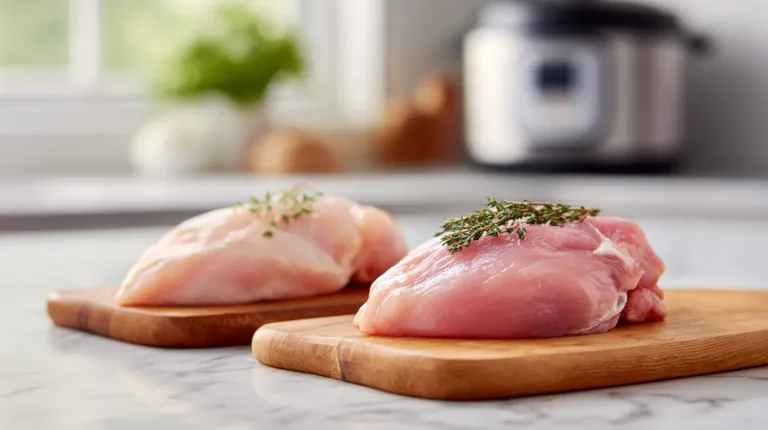
Don’t use boneless, skinless chicken breasts. You’ll end up with bland soup. The bones are where the magic happens.
How to Make Classic Chicken Soup (The Real Way)
I’m going to walk you through exactly how I make it. There are no shortcuts that compromise the flavor. There are no extraneous steps that could waste your time. Follow the proven effective steps.
Step 1: Start Your Classic Chicken Soup with Cold Water
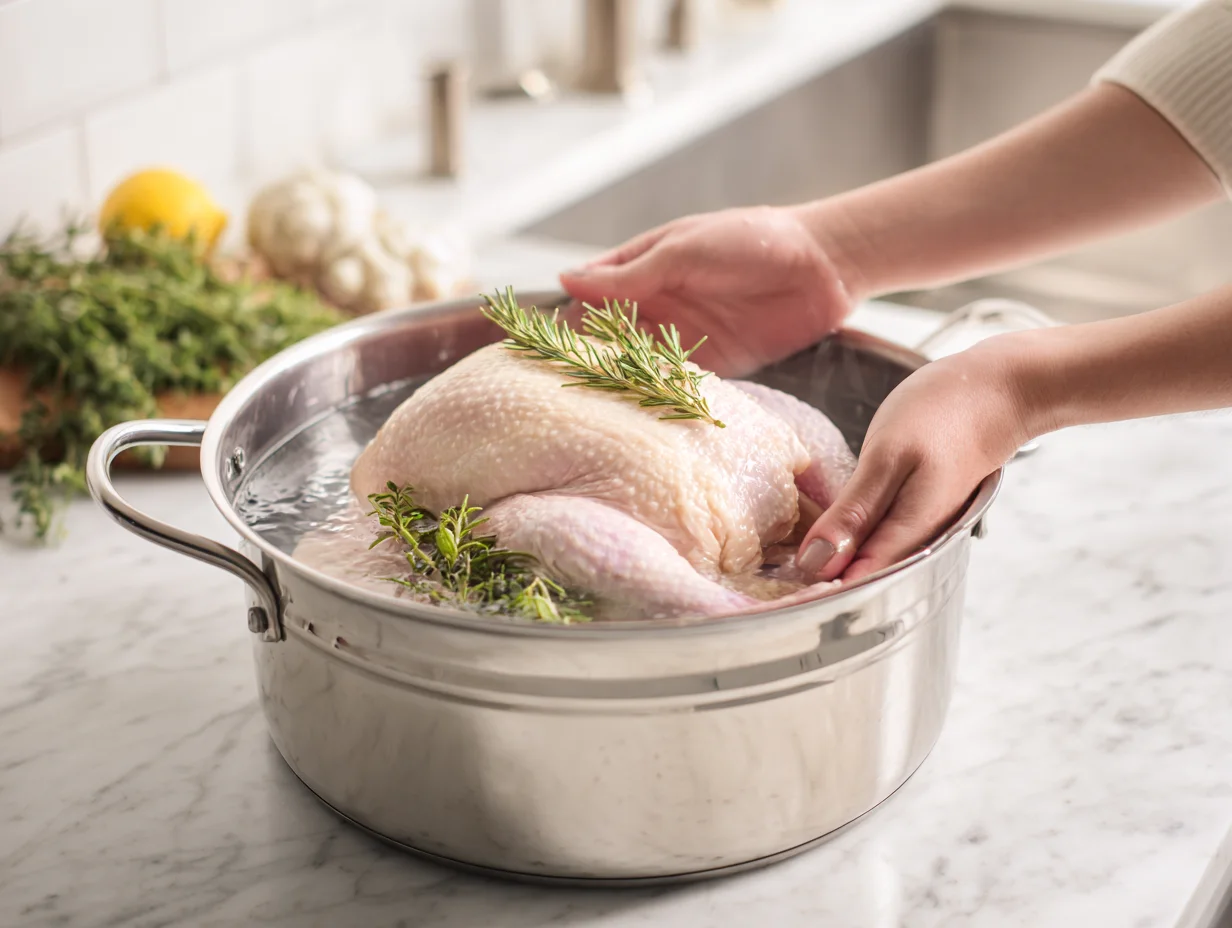
Put your whole chicken in a large pot—I use an 8-quart stockpot—and cover it completely with cold water.
Why cold water? I used to use hot water, thinking it would speed things up. Big mistake. Cold water pulls more flavor out of the chicken as everything heats up slowly together.
Turn the heat to high and bring it to a boil. Once it’s boiling, immediately reduce the heat to low so you have a gentle simmer—not a rolling, aggressive boil.
You’ll see this gross-looking foam rise to the top. That’s totally normal. Just skim it off with a spoon. This keeps your broth clear instead of cloudy.
Serious Eats has a whole article about why starting with cold water makes better stock if you’re curious about the science. But trust me, it works.
Step 2: Add Vegetables and Herbs to Your Chicken Soup
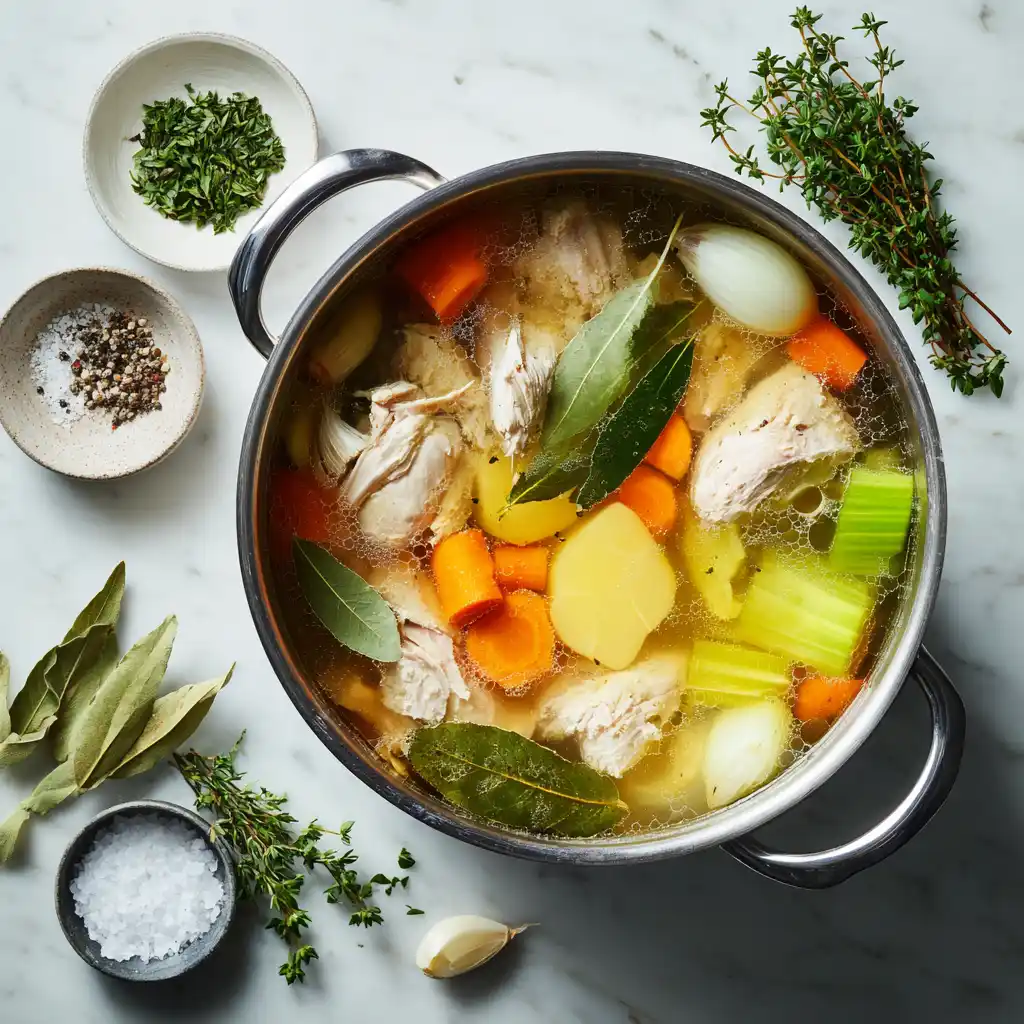
Once you’ve skimmed that foam off the top, add your carrots, celery, onion, garlic, bay leaves, thyme, and parsley.
Don’t worry about perfect chopping here. This is rustic cooking. Rough chunks are fine—everything’s getting strained out later anyway.
Now season generously with salt and pepper. And when I say generously, I mean it. This is a big pot of water. It needs more salt than you think.
According to Cook’s Illustrated, underseasoning is the number one mistake people make with soup. Salt doesn’t just make things salty—it brings out flavors you didn’t even know were there.
Step 3: Let It Simmer (And Don’t Rush This Part)
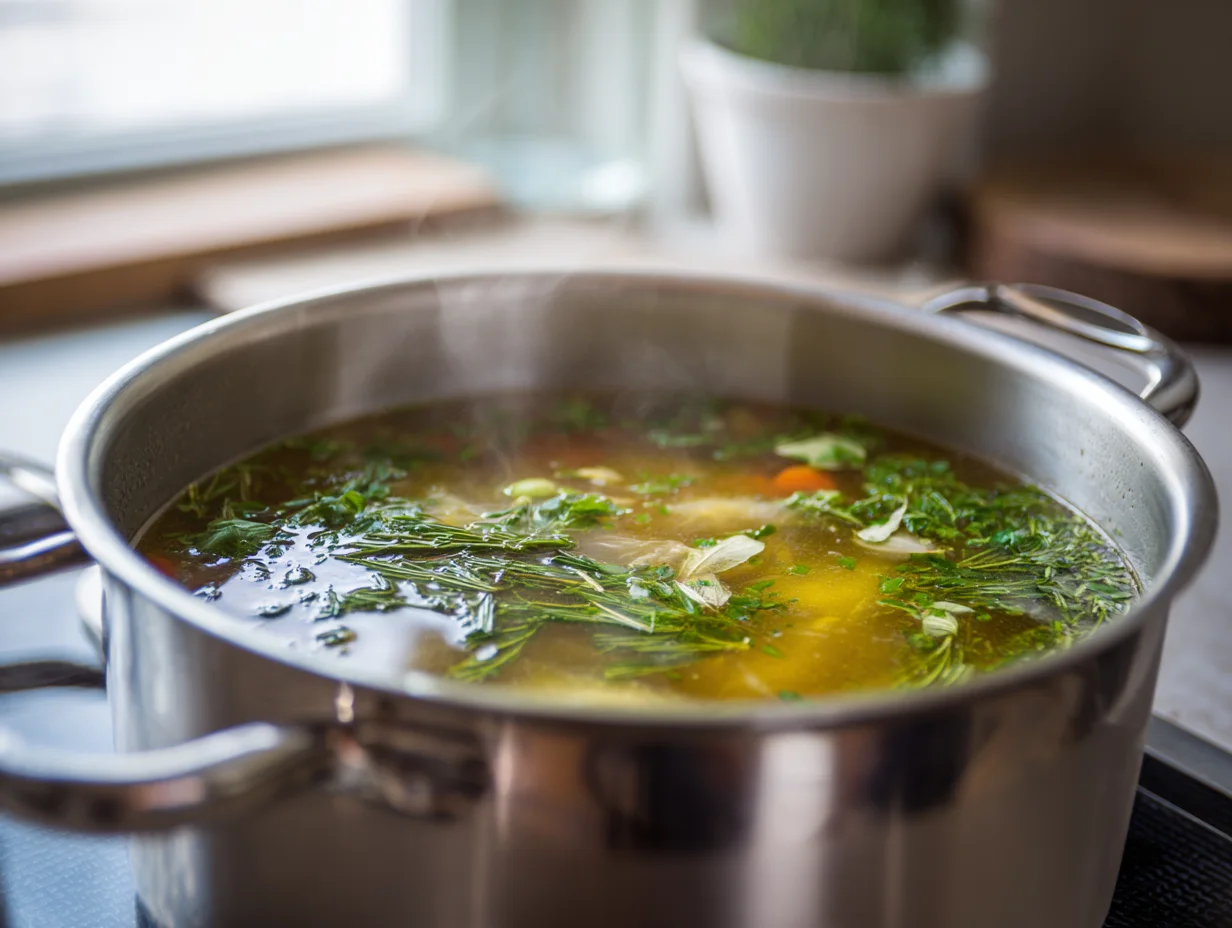
Here’s where patience comes in. Let your classic chicken soup simmer gently for at least 1.5 to 2 hours.
Low and slow. That’s the secret.
During this time, the chicken becomes so tender it literally falls off the bone. All those flavors from the vegetables, herbs, and chicken meld together into this golden, rich broth that smells like a hug.
Your kitchen will smell incredible. Our daughters always know when I’m making this because they can smell it from the driveway.
Nicolas’s note: I’m usually the impatient one in the kitchen. I want dinner NOW. But even I’ve learned not to rush classic chicken soup. Good soup takes time. Play some music, engage in other activities, and allow the pot to do its work.
Step 4: Remove the Chicken and Shred It
After 1.5-2 hours, carefully lift the chicken out of the pot with tongs or a big slotted spoon. Put it on a cutting board.
Let it cool for about 5 minutes so you don’t burn your fingers. I’ve made that mistake too many times.
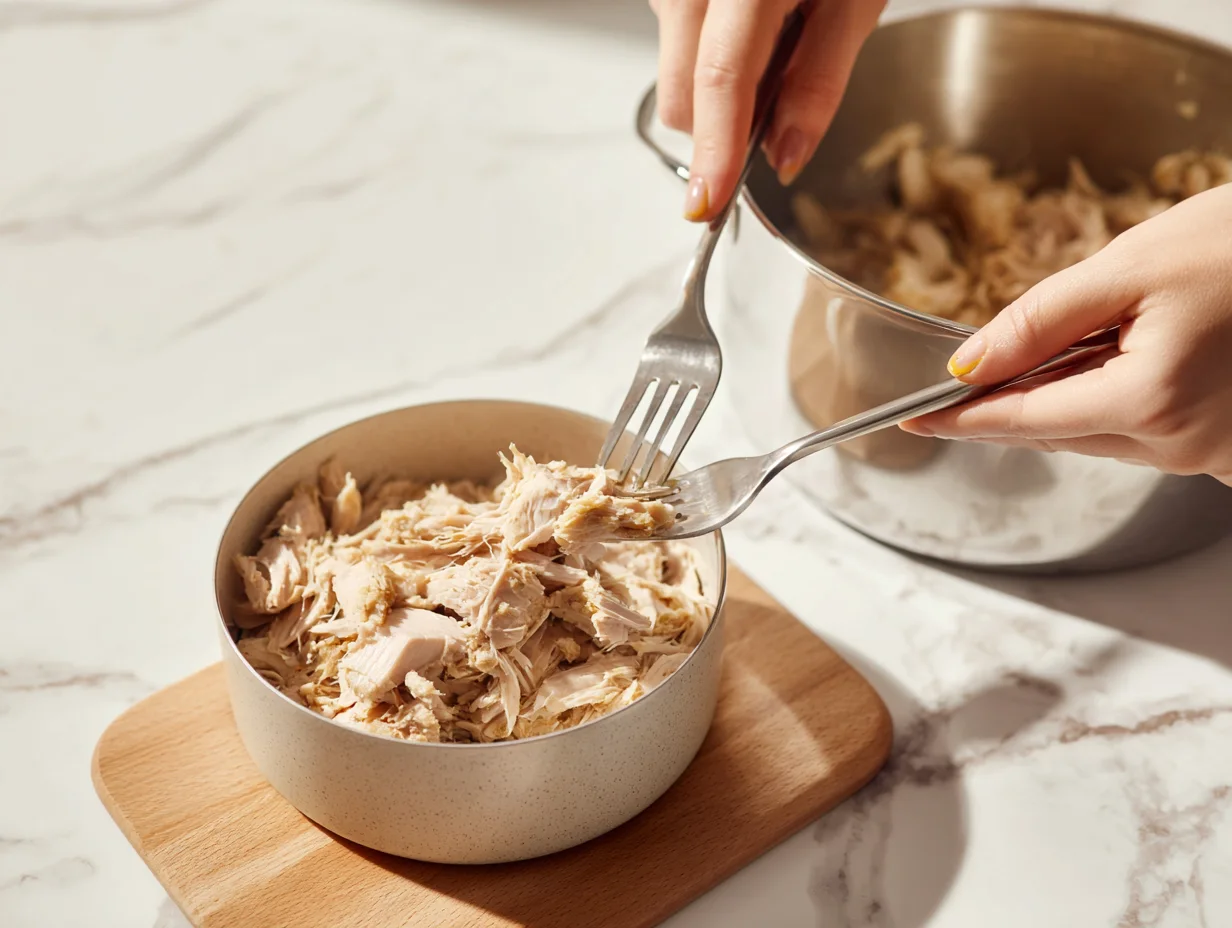
Once it’s cool enough to handle, use two forks to shred all the meat off the bones. The meat should be so tender it practically falls apart.
Discard the bones, skin, and any weird bits. They’ve done their job—all that flavor is now in your broth.
Step 5: Strain the Broth for Perfect Classic Chicken Soup
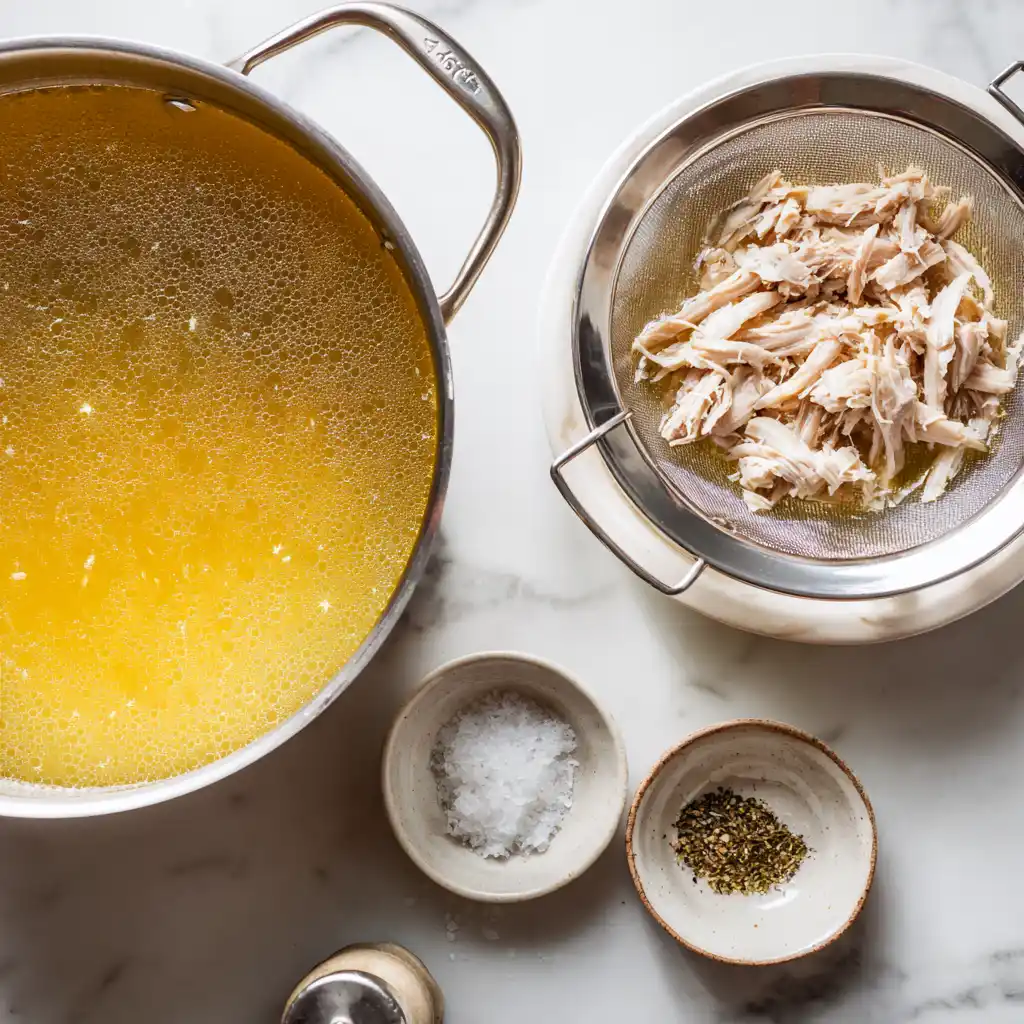
Grab a fine-mesh strainer and place it over a large bowl. Pour the entire pot of broth through the strainer.
All those vegetables and herbs have given everything they’ve got to the broth. You can eat them if you like, but honestly, I don’t think you should. They’re pretty bland and mushy by now. All their flavor went into the liquid.
Pour the strained broth back into your pot. Add the shredded chicken.
Now taste it. This is your moment to adjust the seasoning. Does it need more salt? Add it. Does it taste a bit flat? More black pepper usually fixes it.
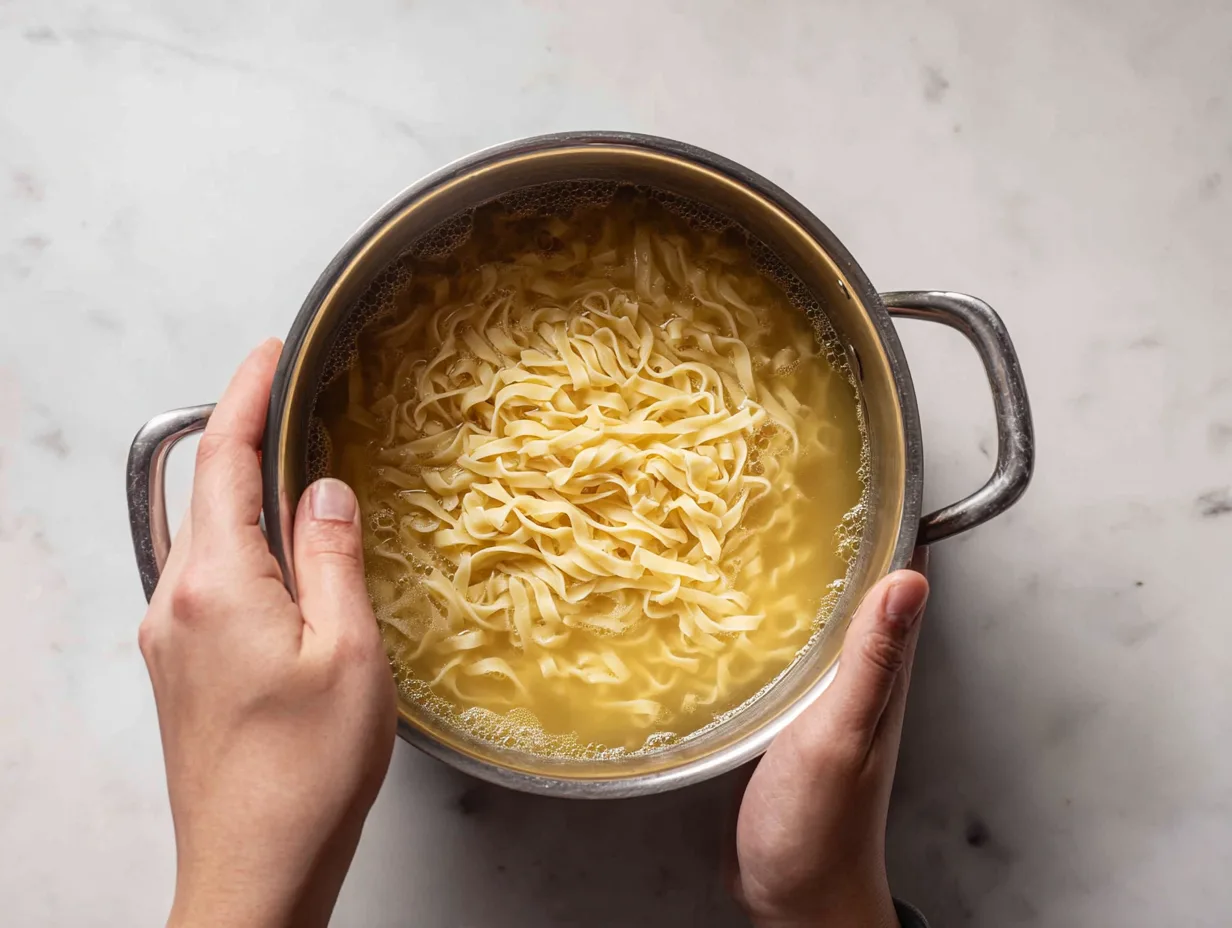
Step 6: Add Noodles or Rice to Your Classic Chicken Soup
This is completely optional, but I almost always add something here.
For egg noodles: Add them to the hot broth and cook for 8-10 minutes until they’re tender. I use wide egg noodles because they’re what my grandma always used.
For rice: Add about 1 cup of uncooked white rice and simmer for 15-20 minutes until it’s cooked through.
Alternatively, you can skip the vegetables entirely and keep your classic chicken soup as just broth and chicken. There’s no wrong answer.
Step 7: The Secret Finishing Touch
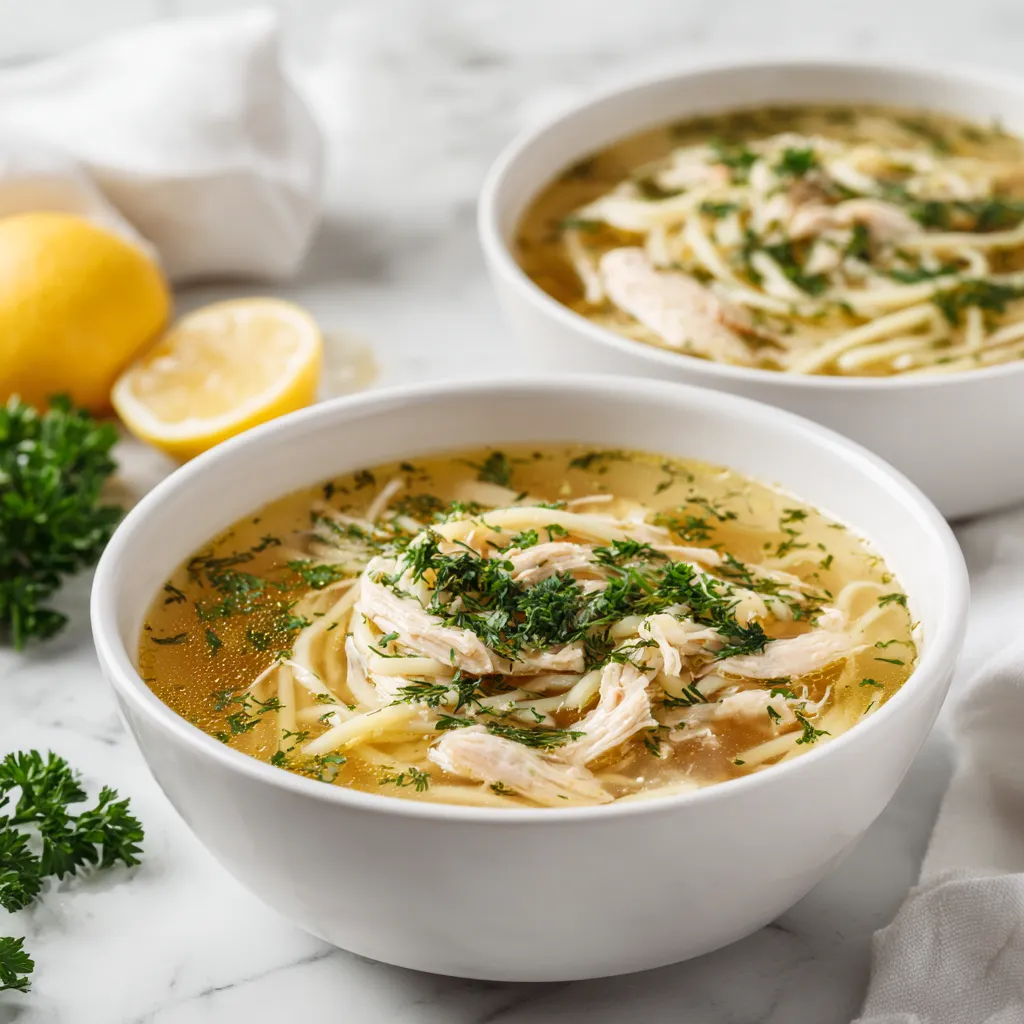
Right before serving, stir in some freshly chopped parsley or dill.
And here’s my secret weapon that makes this classic chicken soup taste restaurant-quality: add a tasty squeeze of fresh lemon juice.
I know it sounds weird if you’ve never tried it. But trust me on this. That little hit of acid brightens everything up. Your soup transitions from “this is quite enjoyable” to “may I please have another serving?”
Try it once. You’ll never skip it again.
When Things Go Wrong (And How to Fix Them)
I’ve messed up this classic chicken soup more times than I want to admit. Here’s what I learned from my mistakes.
The Soup Tastes Flat and Boring
You didn’t add enough salt. That’s the problem 90% of the time.
Add more salt, a little bit at a time, tasting after each addition. You’ll hit a point where suddenly everything tastes brighter and more flavorful. That’s the right amount of salt.
If salt alone doesn’t fix it, try adding a small spoonful of chicken bouillon or even a splash of soy sauce. Sometimes you just need that extra umami kick.
The broth looks cloudy.
You boiled it too severely instead of simmering it gently.
An aggressive, rolling boil breaks down the chicken into tiny particles that make the broth cloudy. A gentle simmer keeps it clear and golden.
If your broth is already cloudy, don’t stress. It’ll still taste wonderful. Just remember for next time: low heat, gentle bubbles.
The Chicken is dried and tough.
Either you didn’t cook it long enough, or you cooked it too fast at too high of a heat.
This classic chicken soup needs time. There’s no rushing it.
If your chicken is already dry, chop it up really small and let it sit in the broth for a while before serving. It’ll soak up some moisture and soften a bit.
There’s Fat Floating on Top
That’s completely normal. Chicken fat rises to the surface as the soup cooks.
If it bothers you, stick the whole pot in the fridge overnight. The fat will harden into a solid layer on top that you can just scrape off before reheating.
Personally? I leave a little bit of fat in. It adds flavor and richness. Don’t be scared of it.
Easy Ways to Change Up Classic Chicken Soup
The base recipe is perfect as-is. But occasionally you want something a little different. Here are variations we’ve tried over the years.
Asian-Inspired Version
Add fresh ginger and a splash of soy sauce to the broth. Finish with sliced green onions and a drizzle of sesame oil. Swap egg noodles for rice noodles.
This version of classic chicken soup is what I make when I’m fighting off a cold and need something with a kick. The ginger really clears out your sinuses.
Lemon Chicken Soup (Greek-Style)
Stir in a beaten egg mixed with lemon juice right at the end. This creates a creamy, tangy broth that’s absolutely addictive.
It’s called avgolemono, and it’s one of our favorite twists on classic chicken soup.
Loaded Veggie Version
Add extra vegetables like zucchini, green beans, or fresh spinach in the last 10 minutes of cooking.
This is what I do when I’m trying to sneak more vegetables into Nicolas’s diet without him noticing.
Spicy Chicken Soup
Add red pepper flakes, a diced jalapeño, or a splash of hot sauce to the broth.
This version is ideal for clearing your sinuses and adding a touch of heat. Our youngest daughter loves this version.
What to Serve with Classic Chicken Soup
Technically, this classic chicken soup serves as a complete meal by itself. But here’s what we usually serve alongside it.
Crusty Bread
You need something to dip into that broth. Crusty French bread, warm rolls, or even just toasted sourdough.
Occasionally I make garlic bread—just toast some sliced bread, rub it with a cut garlic clove, and drizzle with olive oil and salt.
A Simple Salad
Something light and fresh to balance the richness of the soup.
Our Ultimate Chicken Caesar Salad works exceptionally here. The crisp romaine and tangy dressing are perfect alongside a warm bowl of soup.
More Comfort Food
If you love this classic chicken soup, you’ll probably enjoy our other comforting chicken recipes too.
Our Forgotten Chicken Recipe is another set-it-and-forget-it comfort meal that fills the house with amazing smells. And our Chicken Tortilla Soup is what we make when we want something with a little more kick.
If you’re watching your calories, refer to our Weight Watchers Chicken Recipes collection for lighter options that don’t sacrifice flavor.
Once you master this basic chicken soup technique, you’ll start seeing how it applies to so many of our favorite chicken recipes. The gentle simmering and the building of flavors—these techniques show up everywhere.
How to Store and Reheat Classic Chicken Soup
Here’s a weird truth: classic chicken soup tastes better the next day. All those flavors blend together overnight in the fridge. Day-old soup beats fresh soup almost every time.
Storing It Properly
Let the soup cool completely before storing it. Don’t put hot soup straight into the fridge—it’ll raise the temperature and potentially cause food safety issues.
Transfer to airtight containers. It’ll stay in the fridge for 4–5 days.
Want to freeze it? Absolutely. Leave some space at the top of your containers because liquid expands when it freezes. According to the USDA food safety guidelines, frozen soup lasts for 2–3 months.
Write the date on your containers so you remember when you made them.
Reheating Without Ruining It
Use the stovetop for reheating. Put your soup in a pot over medium-low heat and stir occasionally until it’s hot all the way through.
If the soup got thick sitting in the fridge (the noodles or rice absorbed liquid), add a splash of water or chicken broth to thin it back out.
You can microwave it if you’re in a rush, but the stovetop gives you better control and heats more evenly.
Pro tip: If you added noodles or rice, they soak up a ton of liquid while sitting. I learned to keep the broth and noodles separate in the fridge, then combine them when I reheat. Everything stays fresher longer that way.
Why We Keep Making This Classic Chicken Soup
I could give you all the scientific reasons why this recipe works. I could talk about the amino acids, the vitamins, and the hydration benefits. And all of that is true.
But the real reason we keep making this classic chicken soup week after week, year after year, is simpler than that.
It’s because when she called that night—sick, miserable, missing me—I couldn’t be there to take care of her. But I could stay on FaceTime while Nicolas made this soup exactly the way I do. And as she took that first sip, I could hear the relief in her voice.
Food does something science can’t quite measure. It connects us when we’re apart. It says “I care about you” without needing words.
Now she asks to make this classic chicken soup herself whenever someone in the house is having a rough week. Last month she called me into the kitchen just to show me the pot simmering on the stove. “It smells like home,” she said.
That’s what this recipe means to our family.
Look, I’m not saying chicken soup will solve all your problems. But when you’re making it for yourself on a hard Tuesday, for your homesick kid, or for your partner who’s fighting off a cold, you’re doing something bigger than cooking.
You’re showing up. You’re saying, “You matter.”
Two hours of simmering for that? Worth every single minute.
Want to explore more comforting recipes like this? Our complete chicken recipes guide has over 20 family-tested meals that bring that same warmth to your table.
Common Questions About Classic Chicken Soup
Can I use chicken breasts instead of a whole chicken?
You can, but your soup won’t be as flavorful. Boneless, skinless chicken breasts don’t have the bones and skin that create rich, golden broth. If you must use breasts, choose bone-in, skin-on pieces and add extra chicken broth to compensate for the missing depth of flavor.
How long does classic chicken soup last in the fridge?
Properly stored in airtight containers, classic chicken soup will keep in the refrigerator for 4–5 days. Make sure the soup is completely cooled before refrigerating, and always reheat it to 165°F before serving leftovers.
Can I freeze chicken soup with noodles?
You can freeze chicken soup with noodles, but the noodles will become mushy when thawed and reheated. For best results, freeze the broth and chicken separately, then add freshly cooked noodles when you reheat the soup. Frozen soup without noodles lasts for 2–3 months.
Why is my chicken soup bland?
Bland chicken soup usually means you didn’t add enough salt. Season generously throughout the cooking process, not just at the end. Furthermore, make sure you’re using a whole chicken or bone-in pieces—boneless breasts create weaker broth. A squeeze of lemon juice at the end brightens all the flavors dramatically.
What’s the best way to reheat chicken soup?
The stovetop is ideal for reheating chicken soup. Heat it slowly over medium-low heat, stirring occasionally, until it reaches 165°F throughout. If the soup thickened in the fridge, add a splash of water or chicken broth to thin it back out. While microwave reheating can be effective, it can result in uneven hot spots.
Can I make the broth in a slow cooker?
Yes, classic chicken soup adapts beautifully to a slow cooker. Place all ingredients in the slow cooker, cover with cold water, and cook on low for 6-8 hours or high for 3-4 hours. The gentle, consistent heat creates wonderfully tender chicken and flavorful broth. Remove the chicken, shred it, strain the broth, and return everything to the pot.
Nutrition information is an estimate that will vary based on exact ingredients and portion sizes used.
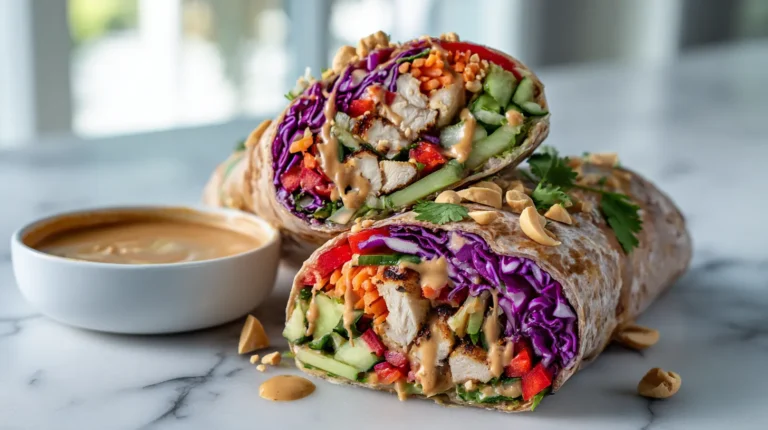
For those nights when you’re not in the mood for soup, switch it up with our Cheesy Garlic Chicken Wraps—warm, crispy, and loaded with that same cozy chicken goodness.
Our love extends from our kitchen to yours.
Nora & Nicolas
The Dalim Family
P.S. If you make this and it helps someone feel better, let us know. Those stories mean everything to us.
Related Recipes
- 15-Minute Asian Noodle Recipes
- Lipton Onion Soup Mix
- Sourdough Discard Recipes
- Turnip Green Soup
- Vegetarian Soup Dumplings
Grandma's Classic Chicken Soup
Ingredients
For the Soup Base
- 1 whole chicken (3-4 pounds, or 2 pounds bone-in chicken pieces)
- 3 large carrots (peeled and chopped)
- 3 celery stalks (chopped)
- 1 large onion (quartered)
- 4 cloves garlic (smashed)
- 2 bay leaves
- fresh parsley (a good handful)
- fresh thyme sprigs (or 1 tsp dried)
- 8-10 cups cold water
- salt and black pepper (to taste)
Optional But Really Good
- 1 parsnip (chopped)
- egg noodles or white rice
- fresh dill (for serving)
- lemon juice
Instructions
- Put whole chicken in large pot, cover with cold water, bring to boil then reduce to gentle simmer. Skim foam.
- Add carrots, celery, onion, garlic, bay leaves, thyme, parsley. Season generously with salt and pepper.
- Simmer gently for 1.5 to 2 hours on low heat.
- Remove chicken, let cool 5 minutes, shred meat with two forks. Discard bones and skin.
- Strain broth through fine-mesh strainer into large bowl. Return broth and shredded chicken to pot. Taste and adjust seasoning.
- Add egg noodles (8-10 min) or rice (15-20 min) if desired.
- Stir in fresh parsley or dill. Add a squeeze of fresh lemon juice before serving.
Notes
Don't use boneless, skinless chicken breasts; you need bones and skin for rich flavor. Soup tastes even better the next day as flavors meld. Store in the fridge for 4-5 days or freeze for up to 3 months. If freezing, freeze broth and noodles separately; add fresh noodles when reheating. Save pasta water to thin soup if it thickens in the fridge. A gentle simmer is key; aggressive boiling makes cloudy broth.