Everything You Need to Know About Rotelle Pasta
I bought rotelle pasta once because my kids pointed at the wagon wheels and begged for “fun pasta.” Figured any pasta shape works the same way—boil it, add sauce, done. Made standard marinara with ground beef and cooked the rotelle exactly like spaghetti timing. Kids took one bite and complained it was “too hard and weird.” The wagon wheels were severely undercooked in the centers while the edges started getting mushy. Turns out rotelle’s thick spokes need longer cooking than thin pasta, and the wheel shape means different parts cook at different rates if you’re not careful about stirring.
Rotelle pasta works when you account for its shape affecting cook time and texture, not when you treat it like any other pasta with an identical method. The thick spokes take longer to cook through than the thinner connecting parts. Need to stir frequently so all sections spend equal time in boiling water and test multiple pieces from different parts of the pot to ensure even doneness. The shape’s advantage is sauce-catching ridges and spokes—but only if cooked properly to al dente throughout. For more pasta options, refer to our Italian pasta collection.
What Is Rotelle Pasta?
Rotelle Shape and Design
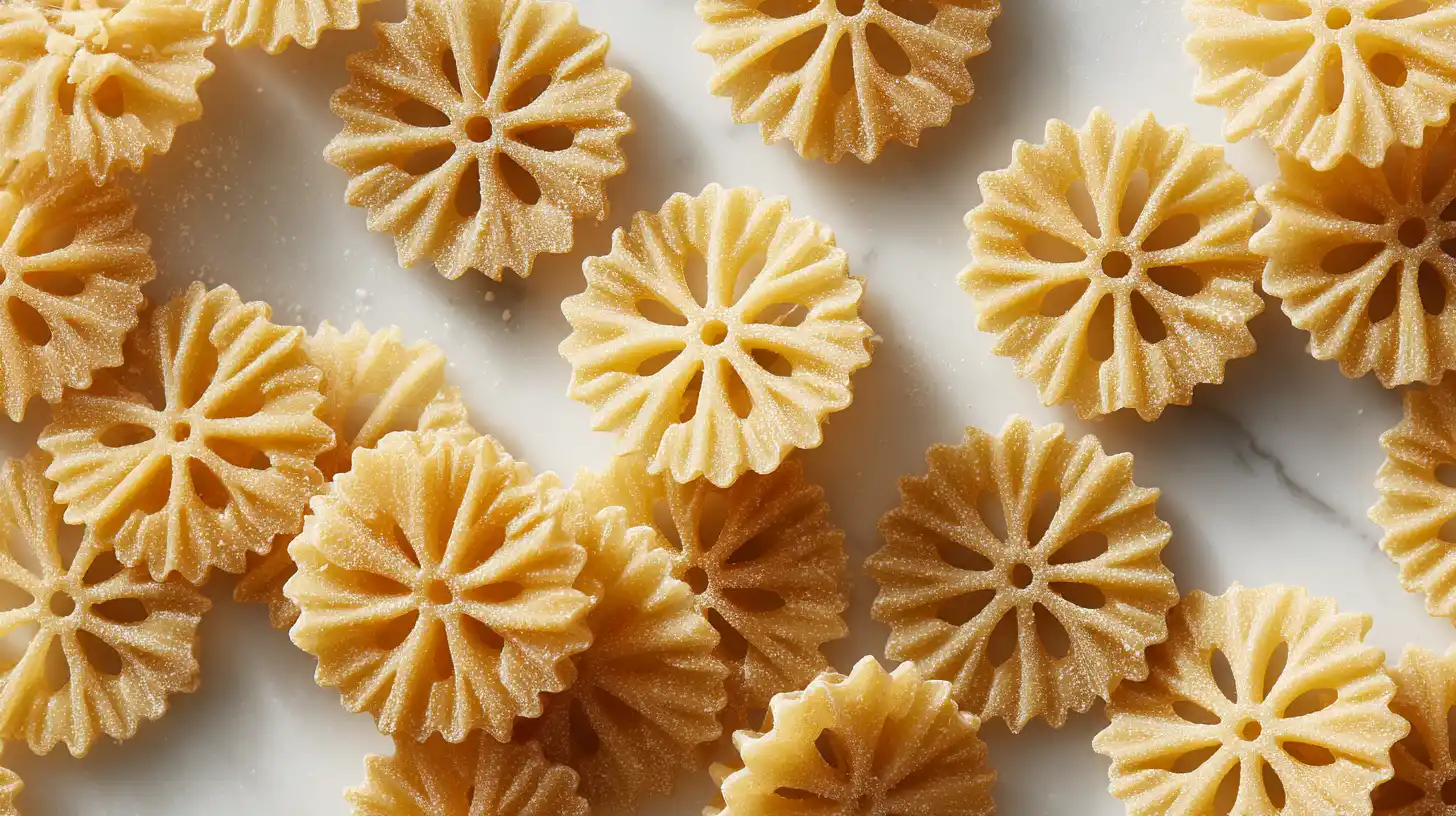
Rotelle means “little wheels” in Italian. Shaped like wagon wheels with spokes radiating from the center hub to the outer rim. The spokes create ridges that catch sauce, cheese, and small ingredients. Typically ¾ to 1 inch in diameter—substantial enough to hold up in baked dishes and pasta salads.
These spokes, like most dried pasta, are made from durum wheat semolina. The wheel shape isn’t just decorative—functional design means more surface area for sauce adhesion compared to smooth round pasta. Kids like it because it looks playful. Adults appreciate it because it actually works better than smooth shapes for chunky sauces.
Rotelle Pasta Origins
Developed in Italy as one of many regional pasta shapes. Exact origin unclear, but the wagon wheel design reflects Italy’s agricultural history—carts transporting grain to mills where pasta was made. The shape became popular in the United States in the mid-1900s when pasta manufacturing expanded beyond traditional Italian shapes.
Now manufactured globally. You can find it in regular grocery stores alongside penne, rigatoni, and fusilli. Not a specialty shape requiring Italian import—widely available and affordable.
How to Cook Rotelle Pasta Correctly
Water and Salt
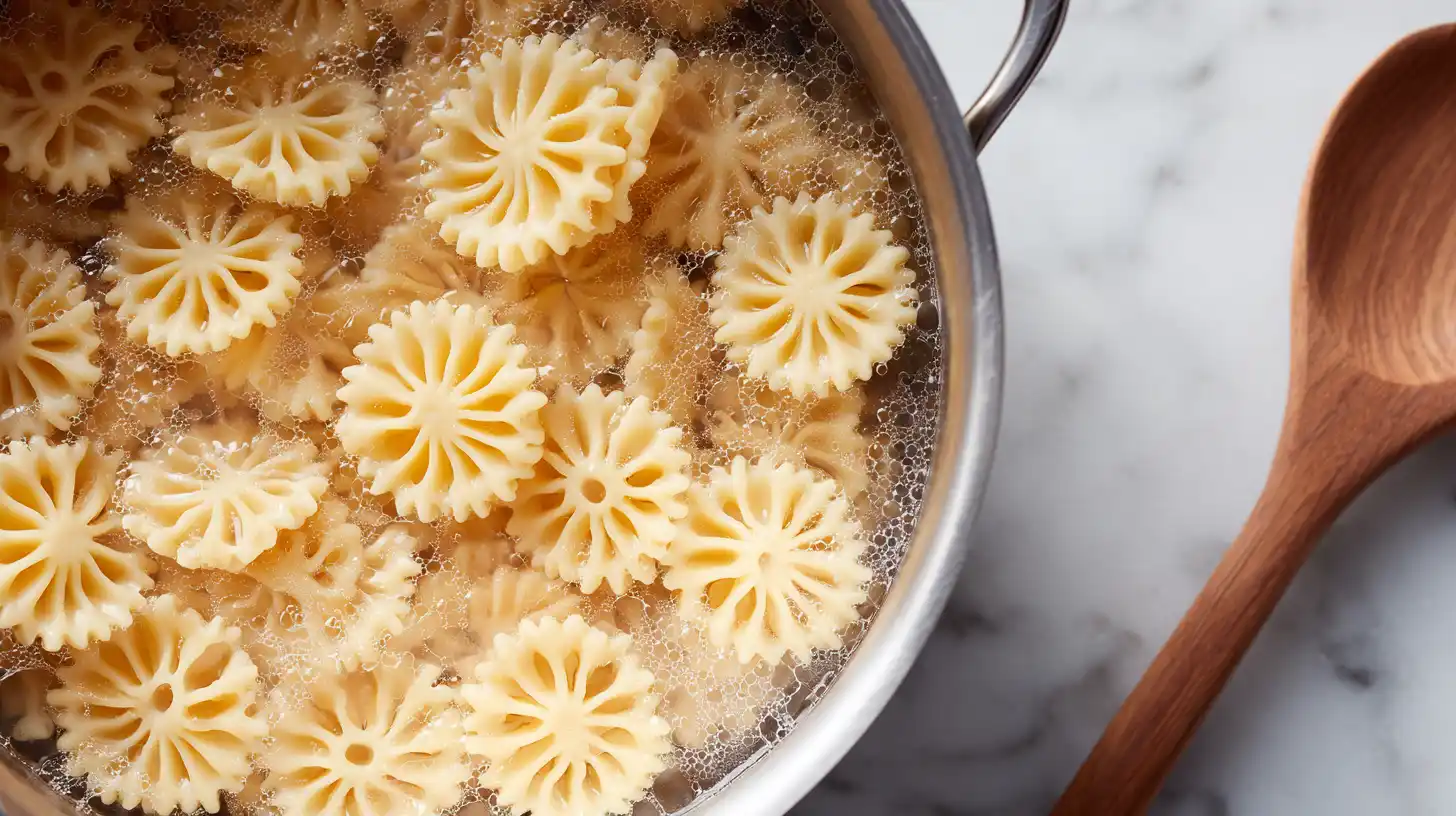
Use a large pot with 4-6 quarts of water per pound of pasta. Rotelle needs room to move—a crowded pot causes uneven cooking because the wheels stick together.
Add 1-2 tablespoons of salt once the water is boiling. Salt is the only chance to season the pasta itself—under-salted pasta tastes bland regardless of sauce quality.
Cooking Time and Testing
The package usually says 10-12 minutes. Start testing at 9 minutes. Rotelle is tricky because thick spokes take longer to cook than thin connecting sections.
Testing method: Fish out 2-3 pieces from different areas of the pot. Bite through the spoke (thickest part). It should be tender with slight resistance—not crunchy, not mushy. If the yolk is still hard in the center, cook 1-2 more minutes and test again.
Critical: Stir every 2-3 minutes during cooking. Wagon wheels settle at the bottom and stick together if not stirred. Unstirred rotelle cooks unevenly—bottom pieces overdone, top pieces underdone.
Draining and Using Pasta Water
Before draining, scoop out 1 cup of pasta water. This starchy water helps sauce cling to pasta and can thin too-thick sauces.
Drain pasta in a colander and shake gently to remove excess water. Don’t rinse unless making cold pasta salad—rinsing removes the starch coating that helps sauce adhere.
Best Uses for Rotelle Pasta
Cold Pasta Salad
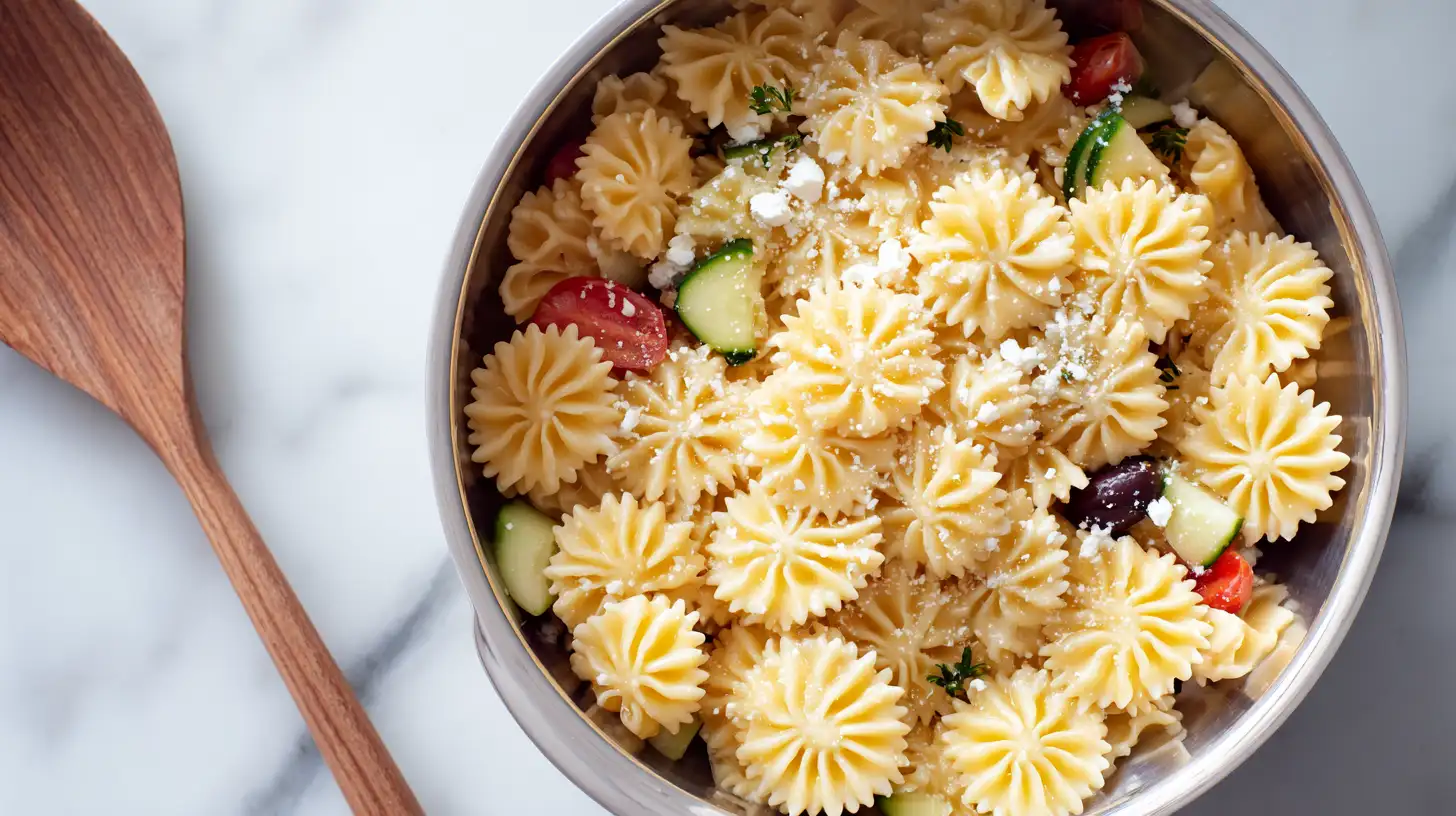
Rotelle is excellent for pasta salad because the wheel shape holds dressing in the spokes and doesn’t get soggy quickly. The ridges catch diced vegetables, olives, and cheese cubes.
Basic pasta salad: Cook rotini, and rinse with cold water to cool and stop cooking. Toss with diced cucumbers, cherry tomatoes, bell peppers, cubed cheese, and Italian dressing. Refrigerate at least 1 hour before serving so flavors meld.
For lighter options alongside pasta, try our low-calorie lunch recipes.
Baked Casserole
The thick shape holds up well in baked dishes without turning mushy. Spokes trap cheese and sauce throughout the casserole.
Simple casserole: Mix cooked rotelle with marinara sauce, ricotta cheese, and mozzarella. Transfer to baking dish, top with more mozzarella and Parmesan. Bake at 375°F for 25-30 minutes until bubbly and golden.
Undercook pasta by 2 minutes when making casserole—it continues cooking in the oven. Fully cooked pasta before baking turns mushy.
Pasta in Soup
Rotelle maintains shape and texture in broth-based soups better than delicate pasta. Add to soup during the last 10-12 minutes of cooking. If added too early, it absorbs too much broth and gets waterlogged.
Sauces That Work Best
Thick chunky sauces: meat sauce, marinara with vegetables, and Alfredo with chicken. The spokes catch chunks of meat, vegetables, and cheese.
Avoid thin watery sauces: Light oil-based sauces slide off rotelle. Shape designed for heavier sauces that cling to ridges.
Common Rotelle Pasta Problems
Unevenly Cooked Pasta
Cause: My problem—thick spokes take longer to cook than thinner parts, and I didn’t account for this.
Prevention: Stir frequently so all pieces rotate through the hottest part of the water. Test multiple pieces from different pot areas. If spokes are still rigid when edges are getting soft, you caught it too late—next time cook 1-2 minutes longer and test earlier.
Pasta Sticking Together
Cause: Not enough water, didn’t stir enough, or let cooked pasta sit without sauce.
Fixes: Use a large pot with plenty of water. Stir immediately after adding pasta and every 2-3 minutes during cooking. If serving cooked pasta later, toss with olive oil to prevent sticking while stored.
Bland Flavorless Pasta
Cause: Forgot to salt pasta water, used too little salt, or the sauce itself was under-seasoned.
Fixes: Pasta water should taste like seawater—seems like too much salt but necessary. Plain pasta without salt tastes like cardboard. Also make sure the sauce itself is well-seasoned before tossing with pasta.
Rotelle Pasta Nutrition
Per 2 oz dry pasta (about 1 cup cooked):
- 200 calories
- 7 g protein
- 42 g carbohydrates
- 2g fiber (regular), 6g fiber (whole wheat)
- 1 g fat
- Iron, B vitamins if enriched
Standard rotelle made from refined durum wheat. Provides energy from carbohydrates, some protein, and minimal fat. Not particularly nutritious on its own but a good vehicle for vegetables, proteins, and healthy sauces.
Whole wheat version: More fiber (helps digestion, keeps you fuller longer), more vitamins and minerals. Slightly nuttier taste, slightly chewier texture. Takes 1-2 minutes longer to cook than regular.
Gluten-free version: Made from rice, corn, quinoa, or chickpea flour. Similar calorie and carb content. Some varieties (like chickpea pasta) provide more protein and fiber than regular pasta.
Storage and Leftovers
Uncooked pasta: Store in a cool, dry place in the original package or an airtight container. Lasts 1-2 years. Won’t spoil, but texture quality declines after long storage—very old pasta takes longer to cook and may taste stale.
Cooked pasta: Toss with a small amount of olive oil to prevent sticking. Store in an airtight container in the fridge for up to 3-4 days. Reheats better if stored with sauce—dry pasta gets hard and clumpy when refrigerated.
Freezing: Cooked rotelle freezes adequately for up to 2 months. Toss with sauce before freezing—dry pasta doesn’t freeze well. Thaw overnight in the fridge, and reheat gently with a splash of water or broth to restore moisture.
Rotelle Pasta Substitutes
Can’t find rotelle? Use other short, sturdy pasta shapes:
- Fusilli (spirals)—Similar ridged texture, catches sauce well
- Radiatore (radiators)—ridged and ruffled, even more surface area than rotelle
- Farfalle (bow ties)—different shape but similar size and sturdiness
- Penne – Smooth tubes work but don’t catch sauce as well
- Rigatoni—Larger tubes, good for chunky sauces
Avoid substituting with long pasta (spaghetti, linguine) or delicate shapes (orzo, ditalini)—wrong texture and cooking properties for dishes that call for rotelle specifically.
Rotelle Pasta Questions
How long does rotelle pasta take to cook?
Usually 10-12 minutes to al dente. Start testing at 9 minutes. Thick spokes need full cooking time—don’t undercook, or centers stay hard.
Can you freeze cooked rotelle pasta?
Yes, but the texture is slightly different when thawed—softer, with a less firm bite. Mix with sauce before freezing for best results. Freezes for up to 2 months. Thaw in the fridge overnight; reheat gently.
Is rotelle pasta vegan?
Most dried rotelle is made from just durum wheat semolina and water—vegan. Check the label to verify no eggs added. Fresh pasta often contains eggs, but dried boxed pasta typically doesn’t.
What dishes work best with rotelle?
Pasta salads (holds dressing well), baked casseroles (maintains structure), chunky meat or vegetable sauces (spokes catch ingredients), and soups (doesn’t get mushy). This option is less ideal for light oil-based sauces, as they tend to slide off the ridges.
Final Reality on Rotelle Pasta
Rotelle pasta stopped disappointing my kids when I learned the wheel shape requires a different cooking approach than smooth pasta. My undercooked disaster happened because I assumed all pasta cooks identically—it doesn’t. The thick spokes need full cooking time and frequent stirring to ensure even doneness throughout the wheel.
The shape’s advantage is functional, not just decorative. Those spokes and ridges catch sauce, cheese, and small vegetables better than smooth round pasta. But it only works if cooked properly to al dente—hard centers or mushy edges ruin the texture benefit.
This is practical everyday pasta when you understand its quirks. Not difficult to cook, just requires attention to timing and stirring. Kids genuinely prefer it once properly cooked because the fun shape makes eating more interesting. Adults appreciate how well it holds chunky sauces in pasta salads and casseroles. Test early, stir often, and account for thicker pasta’s cooking time. My kids now request “wagon wheels” regularly—vindication after that first crunchy batch.