Pressure Cooker Recipes: Easy Dinners, Tips, and Common Mistakes
An electric pressure cooker shortens the dishes that usually need a long simmer: stews, beans, shredded chicken, rice dishes, and even dessert. This guide covers six reliable recipes, practical tips, the most common mistakes, and how to avoid the “burn” warning.
What Is a Pressure Cooker Recipe?
A pressure cooker recipe is a dish written for cooking under pressure in a sealed pot. Browse the full recipe collection for more ideas. Think one-pot meals, quick stews, soups, and desserts in under an hour, with less time at the stove and fewer pans to wash.
Chili is a classic choice, and some cooks also make yogurt or bread. The method helps most with anything that normally needs hours of slow cooking.
Six Reliable Pressure Cooker Recipes
1. Chicken and Rice
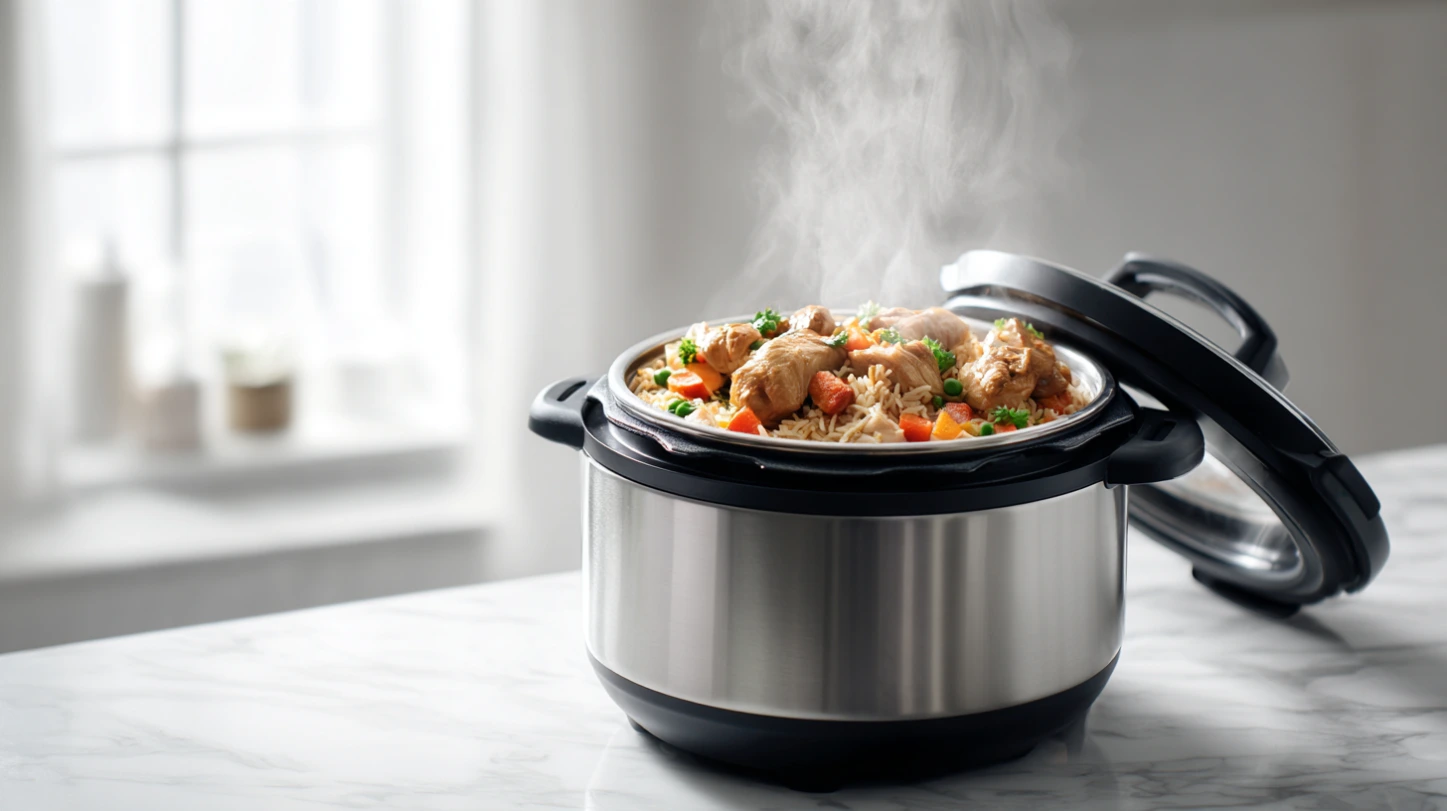
Use chicken breasts or thighs, 2 cups of rinsed rice, broth, peas, carrots, and a little garlic powder and thyme. Pressure cook for 18 minutes, quick release, check that the chicken reaches 165°F in the thickest part, and stir in a handful of shredded cheddar.
2. Hearty Lentil Stew
A good choice for a meatless dinner. Combine lentils, chopped vegetables (onion, carrots, celery, and bell pepper), a can of diced tomatoes, spices, and vegetable broth. Allow 10 minutes of prep and 25 minutes under pressure.
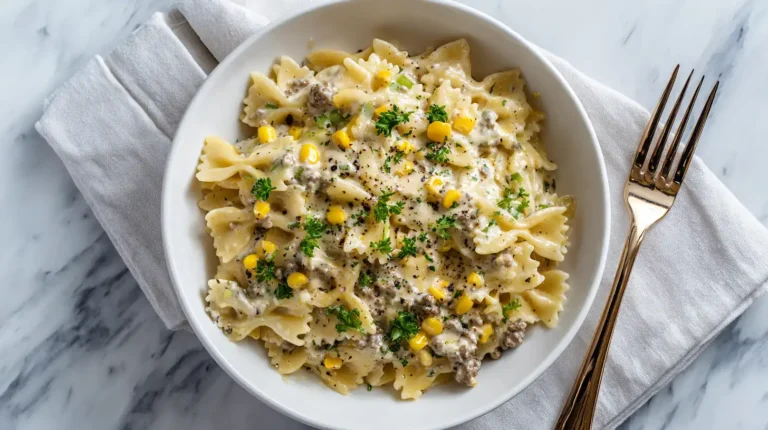
3. One-Pot Mac and Cheese
Pressure cook elbow pasta with water and salt for 5 minutes. Release the pressure, then stir in milk, shredded cheddar, cream cheese, and a sprinkle of paprika. Steamed broccoli or cauliflower can go in at the end. There is nothing to drain, and the sauce stays creamy.
4. Buffalo Chicken Dip
A good party dip. Combine chicken breasts, ranch dressing, hot sauce, and cream cheese, and pressure cook for 15 minutes. Check that the chicken reaches 165°F, shred it, then stir in cheddar and green onions. Serve with celery and tortilla chips.
5. Peach Cobbler
Slice peaches and toss them with sugar, cinnamon, and a squeeze of lemon. Pour them into a cake pan that fits the pot, top with biscuit dough, and steam for 15 minutes, until the topping is cooked through.
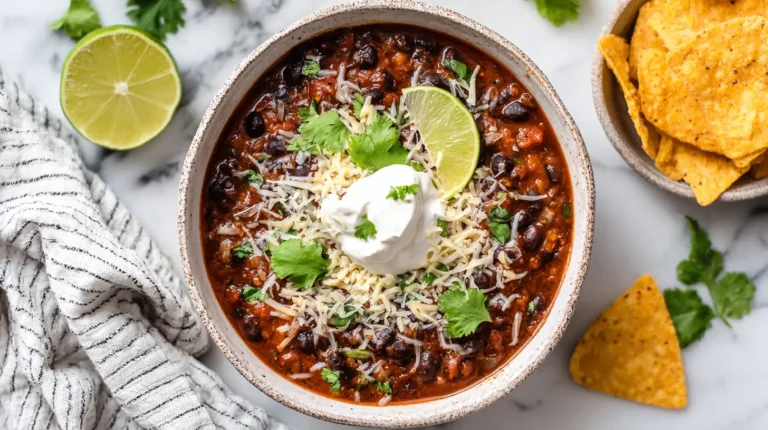
6. Vegan Chili
Combine black beans, red beans, corn, sweet potatoes, tomatoes, and chili powder. Dried beans do not need soaking under pressure; just rinse them well. The chili freezes well.
Two more staples. Yogurt: heat the milk to 180°F, cool it to 110°F, stir in a few tablespoons of plain yogurt with live cultures, and let it set for about 8 hours.
Shredded chicken: add chicken breasts, broth, garlic, and salt, pressure cook for 16 minutes, check that the chicken reaches 165°F, and shred it for meal prep all week.
Using a Pressure Cooker for Weekly Meals
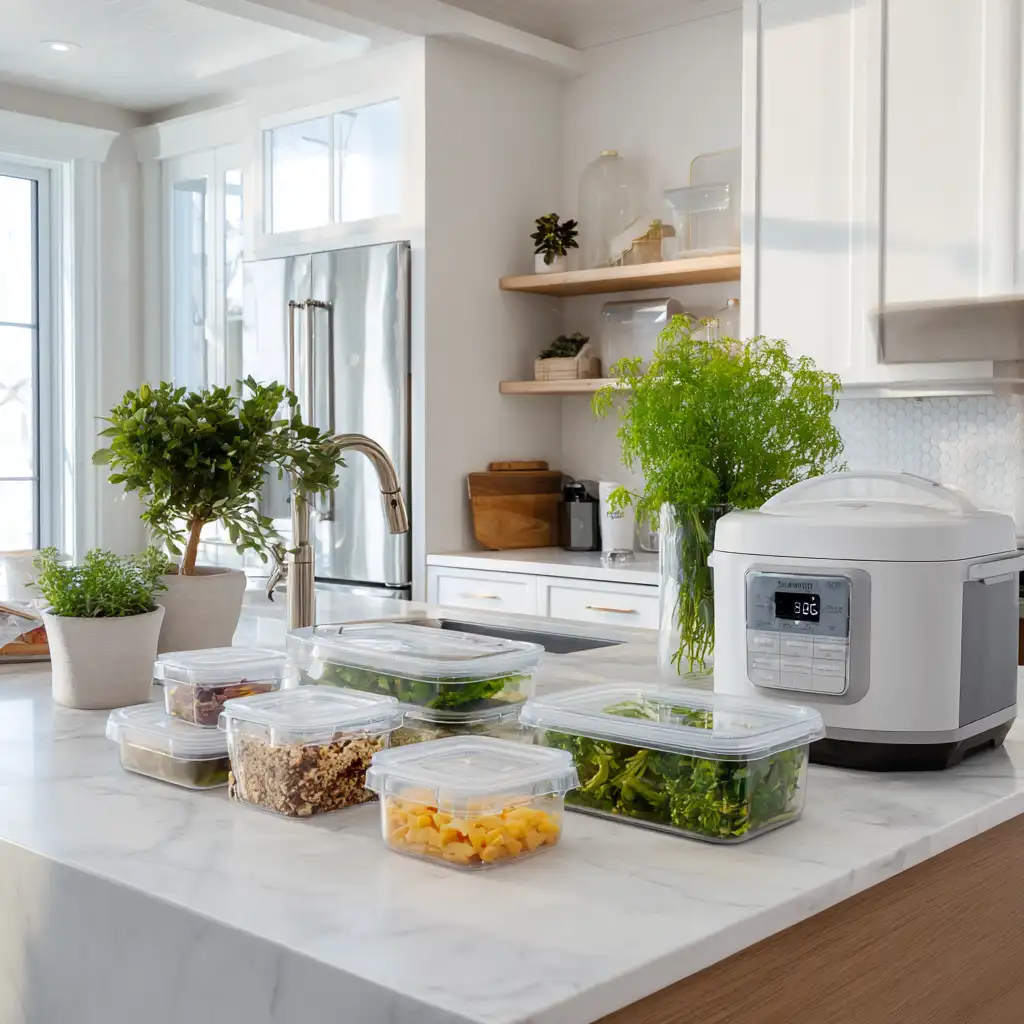
A pressure cooker fits a weekly routine well:
- Batch-cook chicken, stews, and eggs for the week.
- Quick dinners in under 40 minutes, with leftovers
- Less cleaning, fewer pots and pans
Tips for Better Results
- Always check the sealing ring before cooking (it absorbs odors; clean it between meals)
- Prep all ingredients first. Pressure cooking is quick; don’t get behind!
- Layer flavors: sauté onion/garlic first, then add main ingredients.
Frequently Asked Questions
Can frozen meat go straight into a pressure cooker?
Yes. Add about 10 minutes to the cooking time and a little extra liquid, then check the temperature in the thickest part: 165°F for chicken and 160°F for ground meat.
What accessories are useful?
A trivet and a steamer basket cover most recipes. Egg racks are handy but not essential.
Does a pressure cooker work for desserts?
Yes. Cheesecake, rice pudding, and bread pudding all work well.
Is it useful for meal prep?
Yes. Shredded chicken and hard-boiled eggs keep 3-4 days in the refrigerator for sandwiches, salads, and lunches. Reheat chicken to 165°F.
How can the “burn” warning be avoided?
Deglaze the pot after sautéing so nothing stays stuck to the bottom, and add at least 1 cup of thin liquid. The warning usually means food is stuck and scorching.
Common Mistakes
- Overfilling: Stay below the max fill line, and below the half-full mark for beans, grains, and foamy foods.
- Not enough liquid: Add at least one cup of thin liquid (water or broth) to build pressure.
- Dairy before pressure: Wait until release to add cheese, cream, or yogurt
- Overcooked pasta and rice: Use quick release; noodles in particular overcook easily.
- Cleaning: Remove and wash the sealing ring and lid after each use so they don’t hold odors.
Key Points
A pressure cooker isn’t magic, but it brings stews, beans, shredded chicken, and rice dishes to the table in under an hour. Stay below the fill line, add enough thin liquid, add dairy after pressure cooking, and check temperatures: 165°F for chicken and 160°F for ground meat.