How Long Does Meal Prep Last? Your Complete Fridge & Freezer Guide
Let’s be honest—I used to open my fridge on Thursday night, gaze at Monday’s meal prep, and then just guess. Does this still smell okay? Is that color normal? Should I even risk it? I’ve thrown out more containers than I care to admit because I had no idea whether something was still safe to eat.
Sound familiar? You’re not alone. One of the questions I frequently receive from readers is: how long does meal prep actually last? And the answer—surprise—is more nuanced than a simple number. It depends on what you made, how you stored it, and how your fridge is set up. But once you understand the basic rules? Meal prep becomes so much less stressful.
In this guide, I’m breaking it all down: fridge timelines by food type, freezer guidelines, signs that something has gone wrong, and my best tips for making everything last as long as possible. Bookmark this one—you’ll come back to it every week.
Quick Takeaways
- Most cooked meal prep lasts 3–5 days in the fridge
- Proteins (chicken, beef, fish) are best within 3–4 days
- Grains, roasted veggies, and eggs can go up to 5 days
- Frozen meal prep stays good for 2–3 months
- Airtight containers and a cold fridge (≤40°F/4°C) are your two best friends
- When in doubt, throw it out—food poisoning is never worth the gamble
The General Rule: 3 to 5 Days in the Fridge
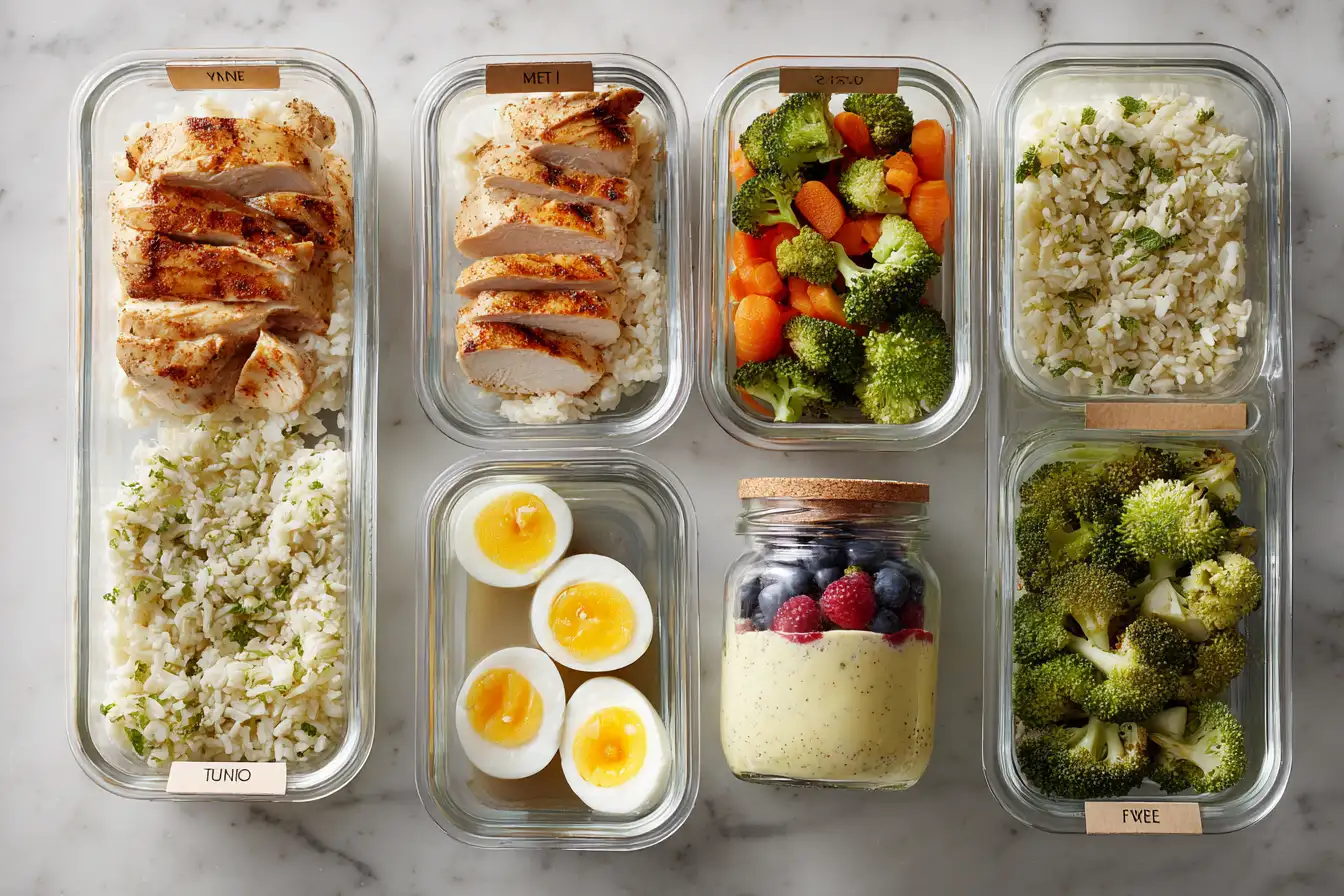
If I had to give you just one number to remember, it’d be this: most cooked meal prep lasts 3 to 5 days in the refrigerator. That’s the sweet spot recommended by food safety guidelines—and it’s the rule I follow every single week in our house.
The key word here is “cooked.” Raw proteins have their own, shorter timeline (more on that in a minute). And even within cooked foods, the range matters. Chicken breast cooked Sunday night is absolutely fine Tuesday at lunch—but I’d be more cautious stretching it to Friday.
Here’s something that changed how I think about meal prep scheduling: instead of trying to make everything last all 7 days, I split my prep. Monday through Thursday meals go in the fridge. Friday through Sunday? Those go straight into the freezer. That one shift eliminated almost all my food waste—and my Thursday-night fridge anxiety.
Meal Prep Shelf Life by Food Type (Fridge)
Different foods behave differently in the fridge. Here’s my go-to reference chart—I keep a version of this on the inside of my pantry door, and yes, I genuinely use it every week.
| Food Type | Fridge Life | Notes |
|---|---|---|
| Cooked chicken | 3–4 days | Best in airtight containers; slice after cooling |
| Cooked ground beef/turkey | 3–4 days | Drain fat before storing; reheat thoroughly |
| Cooked fish/shrimp | 2–3 days | Most delicate proteins—eat early in the week |
| Hard-boiled eggs | Up to 5 days | Keep shell on until eating to preserve moisture |
| Cooked rice/quinoa/grains | 4–5 days | Cool completely before sealing to avoid mushiness |
| Roasted vegetables | 4–5 days | Store uncrowded so they don’t steam each other soggy |
| Soups & stews | 4–5 days | Actually improve in flavor over a couple days! |
| Pasta (undressed) | 3–5 days | Toss with a little olive oil to prevent clumping |
| Cut raw vegetables | 3–5 days | Store with a damp paper towel to maintain crunch |
| Prepped salad greens | 3–5 days | Keep dressing completely separate until serving |
| Overnight oats | 3–5 days | Add fresh toppings (berries, banana) daily |
| Sauces & dressings | Up to 1 week | Depends on ingredients—dairy-based sauces are shorter |
Notice how fish and shrimp sit at 2–3 days—that’s significantly shorter than chicken or beef. I always schedule seafood meals for Monday or Tuesday so there’s zero stress about freshness. It’s a small planning move that makes a big difference.
How Long Does Meal Prep Last in the Freezer?
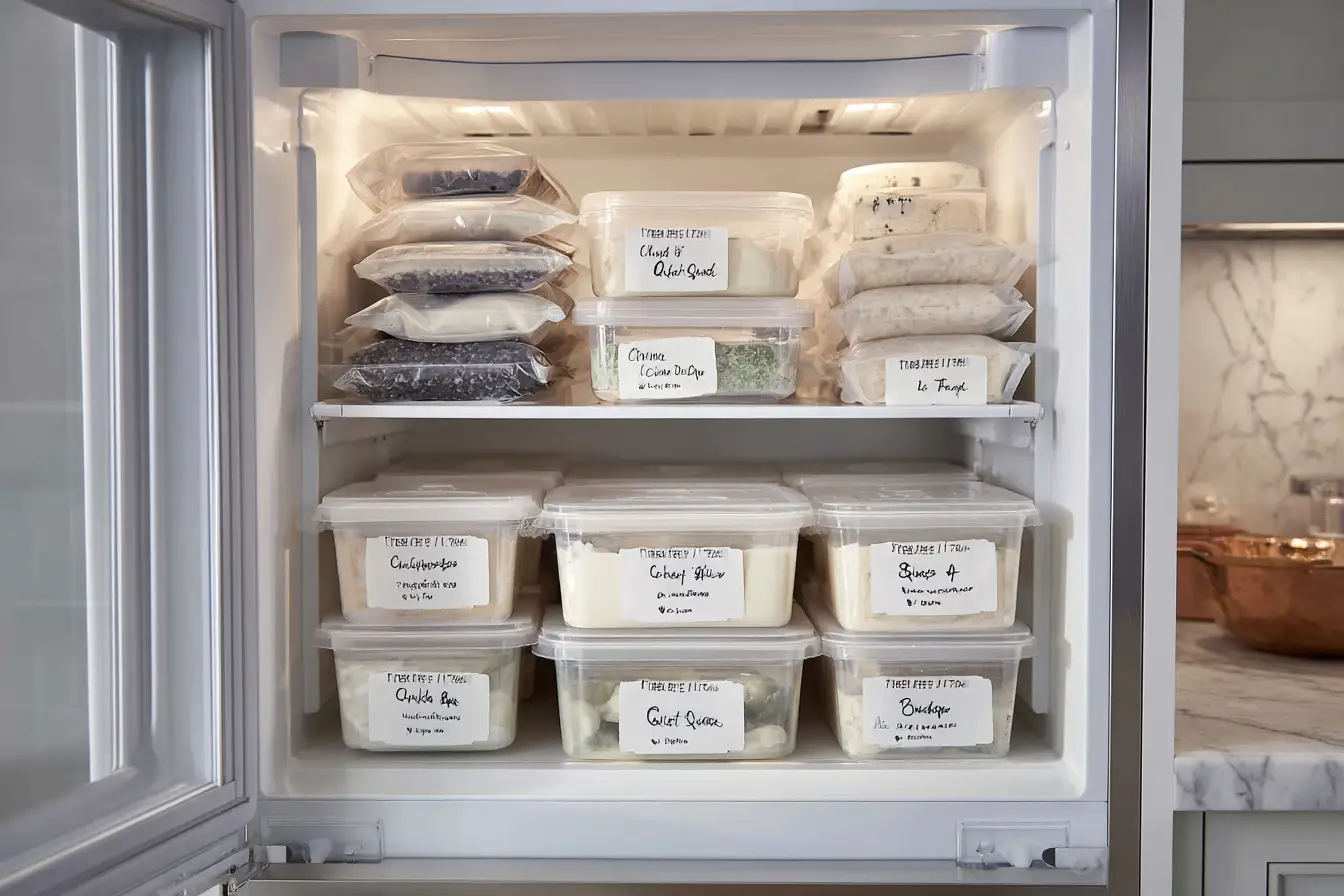
The freezer is an invaluable tool for prolonging meal prep. Honestly, my approach to meal prep completely changed once I began to use my freezer more intentionally. I prep on Sunday, freeze half of it, and pull those portions mid-week when I need them. Zero waste. Zero panic.
Most cooked meal prep stays good in the freezer for 2 to 3 months—though it’s technically safe beyond that, the quality (texture, flavor) starts to decline. Here’s what freezes best and how long to expect from each:
| Food Type | Freezer Life | Freezes well? |
|---|---|---|
| Cooked chicken | 3–4 months | ✅ Excellent |
| Soups & stews | 3–4 months | ✅ Excellent |
| Cooked grains (rice, quinoa) | 1–2 months | ✅ Good |
| Casseroles | 2–3 months | ✅ Excellent |
| Cooked fish/shrimp | 2–3 months | ⚠️ Texture softens a bit |
| Smoothie packs | 2–3 months | ✅ Excellent |
| Roasted vegetables | 2–3 months | ⚠️ Good in cooked dishes, softer texture |
| Breakfast burritos | 1–2 months | ✅ Excellent |
| Salads/greens | Not recommended | ❌ Turn soggy and mushy |
One thing I always do is label everything with the date before it goes in the freezer. I use painter’s tape and a permanent marker—dead simple, costs nothing, and saves so much guesswork. Three weeks later when I’m pulling something out, I know exactly what I’ve got.
Want to go deeper on freezing strategies? I’ve put together a whole dedicated resource on freezer meals for beginners—it covers everything from packaging to thawing. And if you’re specifically looking for make-ahead slow cooker ideas, my crockpot freezer meals guide has some of our all-time family favorites.
Signs Your Meal Prep Has Gone Bad
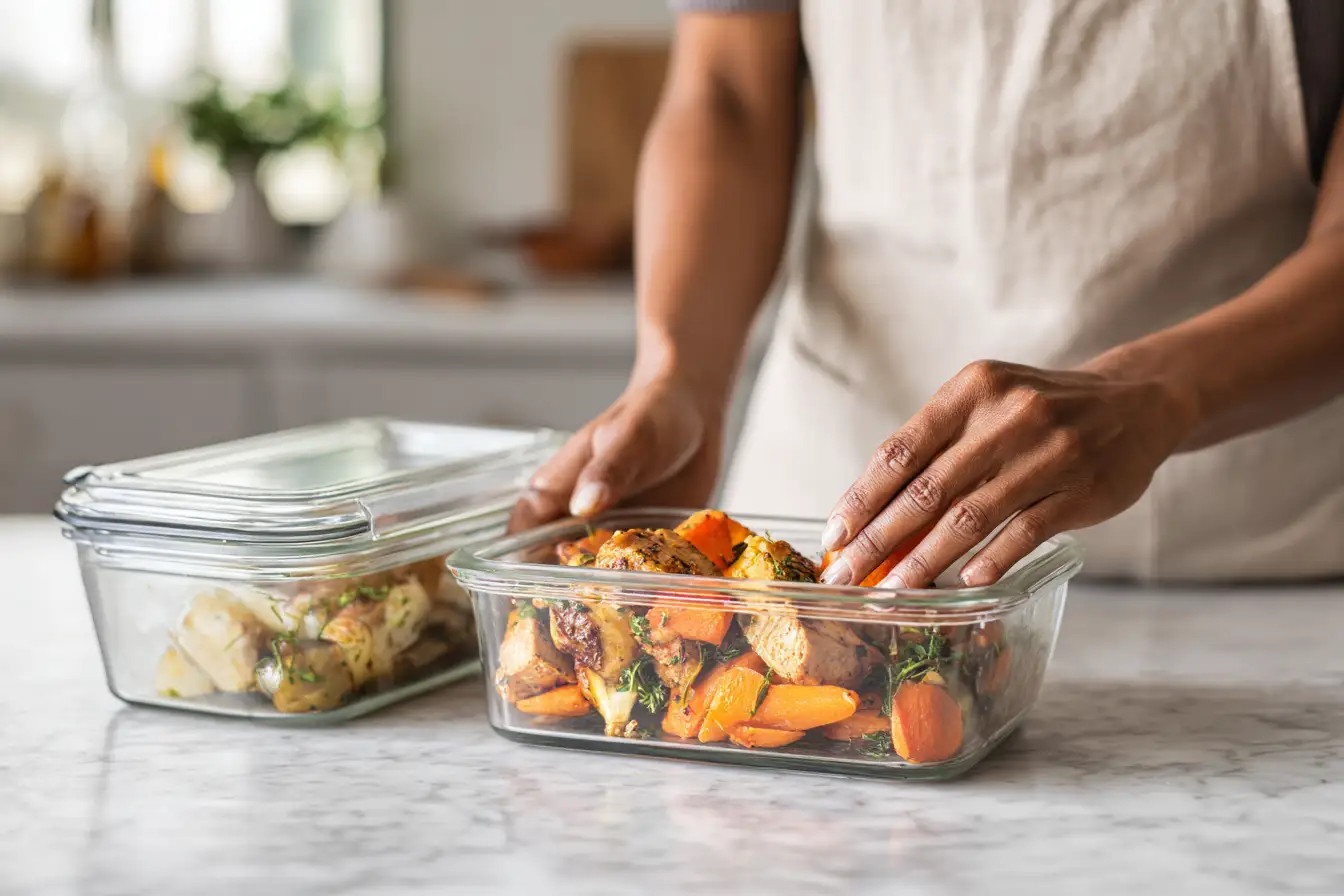
Here’s the thing about food safety: your senses are actually pretty reliable when it comes to spoilage. You don’t need a lab test to know if something has turned—you just need to know what to look for.
Trust these warning signs:
- Off or sour smell—This is the biggest one. If it doesn’t smell right, it isn’t right. Trust your nose every time.
- Slimy texture on proteins—Cooked chicken or beef that feels slippery or tacky has started to spoil. No salvaging that.
- Unusual discoloration—gray chicken, green spots on grains, or darkened edges on vegetables are all red flags.
- Visible mold—obvious, but worth saying. Even a small spot of mold on soft foods means the whole container goes.
- Watery or separated sauces—Some separation is normal (just stir it), but excessive liquid or curdled texture in a cream-based sauce is a sign of spoilage.
- Fizzing or bubbling—this means bacterial activity. Toss it immediately.
I know it’s difficult to throw out food you worked hard to prepare. But food poisoning is miserable—and completely avoidable. If you’re unsure, the trash can is always the solution.
Why Your Meal Prep Might Be Going Bad Too Fast
If you feel like your meal prep never makes it to day 4, you’re probably dealing with one of a few really common (and completely fixable) habits. I went through all of these myself before I finally figured out what I was doing wrong.
You’re storing food while it’s still warm
This is the number one culprit. When you seal hot food in a container, steam gets trapped inside and creates condensation. That moisture becomes a breeding ground for bacteria—and it also makes everything soft and sad. Let food cool for 20–30 minutes before sealing and refrigerating. Yes, it requires a little patience, but it genuinely extends your shelf life.
Your containers aren’t truly airtight
Not all containers are equal. Those flimsy take-out containers with lids that don’t quite snap? They’re letting air in, which speeds up oxidation and bacterial growth. Invest in sturdy airtight containers—glass with locking lids are my personal favorite—and it makes a noticeable difference. I’ve dedicated a whole article to this topic in my complete meal prep guide if you want to dig into container options.
Your fridge temperature is too high
Your refrigerator should be at or below 40°F (4°C). Above that temperature, bacteria multiply much faster. Pick up a simple fridge thermometer—they’re inexpensive and genuinely eye-opening. Many people’s fridges are warmer than they think, especially if the door is opened frequently throughout the day.
You’re storing dressed salads
Dressing breaks down greens quickly and makes everything soggy by day two. Always store dressing on the side. Full stop. Even just keeping it in a small container next to your salad container makes a huge difference in how long your greens stay crisp and fresh.
You’re using one big container instead of individual portions
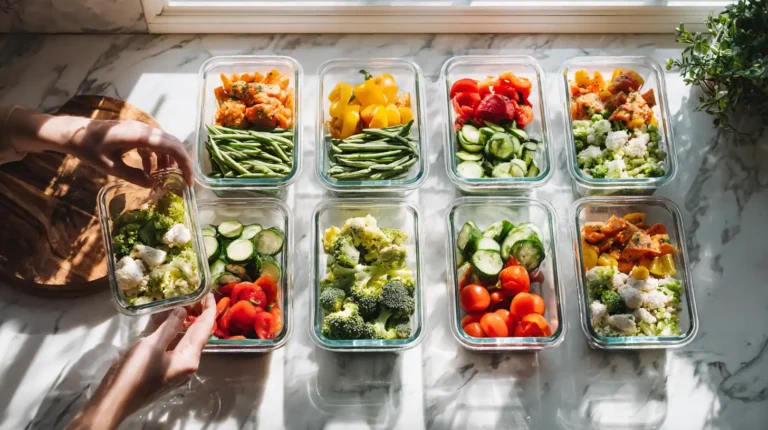
Every time you open a container, you introduce air and bacteria, and the food warms up slightly. If you’re scooping portions out of one big batch container all week, you’re repeatedly disturbing the food. Portioning into individual servings before refrigerating keeps everything more stable—and makes grabbing lunch way faster anyway.
My Best Tips for Making Meal Prep Last Longer
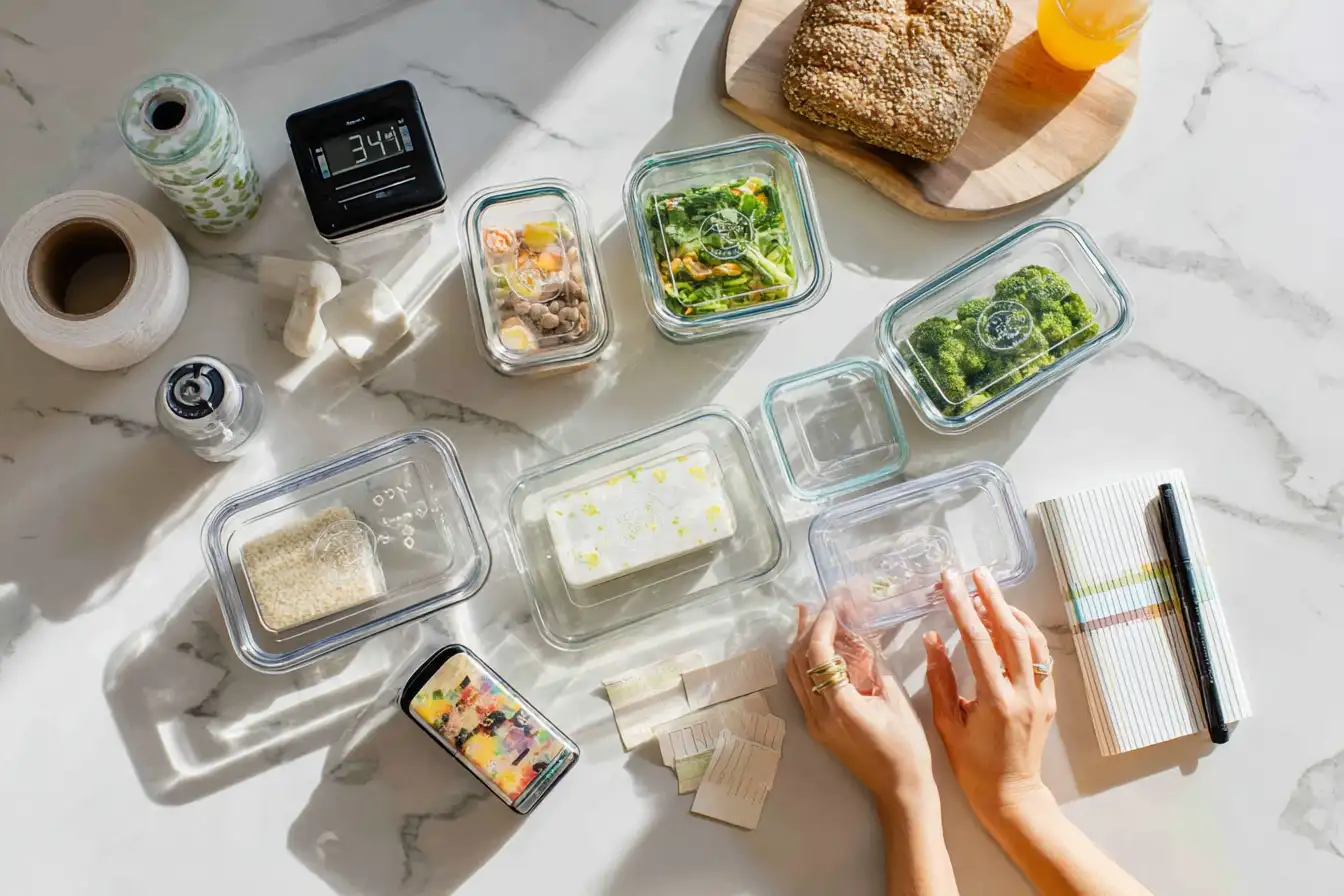
After years of weekly meal prep, I’ve collected a solid set of habits that genuinely extend shelf life. None of these are complicated—they’re small shifts that add up to fresher, safer food all week long.
- Cool food before sealing. Give everything 20–30 minutes to cool on the counter before putting lids on and refrigerating.
- Use airtight containers. Glass with snap-lock lids is the gold standard. BPA-free plastic airtight containers work great too.
- Label everything with the date. A piece of tape and a marker are all you need. Future-you will thank present-you.
- Store proteins and sauces separately. Mixing them right away speeds up spoilage. Keep components apart and assemble when you eat.
- Keep your fridge below 40°F (4°C). Check it with a thermometer—it’s easy to set-and-forget at a temperature that’s slightly too warm.
- Freeze anything you won’t eat by day. 4. Don’t wait until day 5 to decide—freeze on prep day when the food is freshest.
- Do a midweek fridge check. On Wednesday evening, please conduct a quick scan. Move any food that needs to be eaten to eye level. It sounds basic, but it prevents so much waste.
- Use the right containers for the right foods. Soup goes in a deep container with a tight lid. Place salad greens in a large container with a moist paper towel inside.
If you’re still building your meal prep routine, my article on meal prep for beginners walks through the whole process from scratch. And for those of you prepping on a Sunday specifically, my Sunday meal prep ideas have a full game plan that makes the whole week easier.
Meal Prep Shelf Life for Specific Meals
Sometimes the question isn’t about an ingredient—it’s about a whole assembled meal. Here’s how long some of the most popular prep-ahead dishes typically last:
- Overnight oats: 3–5 days in the fridge. Add fresh toppings daily for the best texture.
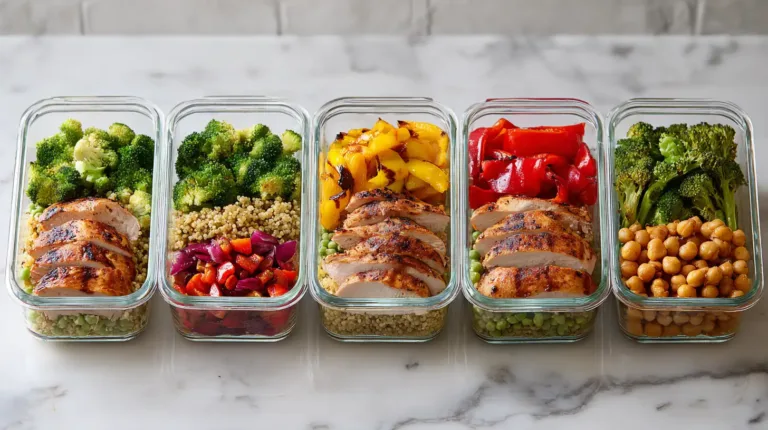
- Meal prep bowls (grain + protein + roasted veggies): 4 days. Keep sauces separate.
- Chicken and rice: 3–4 days. Store components separately if possible.
- Soups and stews: 4–5 days in the fridge, 3–4 months frozen.
- Pasta dishes: 3–4 days. Undressed pasta lasts up to 5 days.
- Meal prep salads (with dressing on the side): 3–4 days.
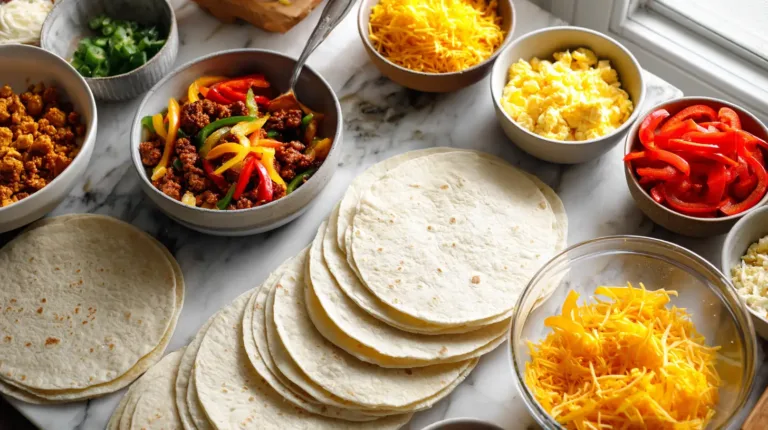
- Breakfast burritos: 4 days in the fridge, 1–2 months frozen.
- Sheet pan dinners: 3–4 days for most combinations.
For specific meal prep lunch ideas with detailed storage notes, or for inspiration on meal prep breakfasts, I’ve got complete guides for both—with real recipes and honest notes on how long each one holds up.
Can You Meal Prep for a Full Week?
Yes—with one important caveat. You can absolutely prep enough food for a full 7-day week, but you shouldn’t try to keep everything in the fridge for 7 days. That’s where most people run into trouble.
The approach I teach in my complete meal prep guide is what I call the fridge-freezer split:
- Sunday prep day: Make everything at once
- Monday–Thursday meals: Go straight into fridge containers
- Friday–Sunday meals: Go into freezer-safe containers on prep day
Please transfer Friday’s portion from the freezer to the fridge on Wednesday night to ensure it thaws slowly and safely. By the time you need it Friday, it’s perfectly ready. This system means nothing sits in the fridge longer than 4 days, and you always have something genuinely fresh.
Frequently Asked Questions
How long does meal prep last in the fridge?
Most cooked meal prep lasts 3 to 5 days in the refrigerator when stored in airtight containers at or below 40°F (4°C). Proteins like chicken and ground beef are best used within 3–4 days, while grains, roasted vegetables, and hard-boiled eggs can safely last up to 5 days.
Can I meal prep for the entire week?
Yes—but the safest approach is to refrigerate Monday through Thursday meals and freeze Friday through Sunday portions. That way nothing sits in the fridge longer than 4 days, and you never have to wonder if something is still edible. It’s my go-to system every single week.
How long does meal-prepped chicken last?
Cooked chicken lasts 3 to 4 days in the fridge and up to 4 months in the freezer. Always store it in an airtight container and let it cool completely before refrigerating. If it smells sour, feels slimy, or has any gray discoloration, discard it immediately—no exceptions.
How do I know if my meal prep has gone bad?
Trust your senses. Signs that meal prep has spoiled include a sour or off smell, visible mold or unusual discoloration, a slimy texture on proteins, or a watery separation in sauces. When in doubt, throw it out—food poisoning is never worth the risk.
Does meal prep last longer in glass containers?
Glass containers may not technically extend shelf life on paper, but they create a better airtight seal, resist odor absorption, and prevent chemical leaching when reheating. Most meal preppers (myself included) find their food stays fresher-tasting longer in glass—which is why I’ve used them for years and haven’t looked back.
Can you freeze meal prep after cooking?
Absolutely! Freezing is one of the best tools in a meal prepper’s arsenal. Most cooked meals freeze well for 2 to 3 months. Let food cool completely, use freezer-safe airtight containers or zip-lock bags (press the air out!), and always label with the date. Soups, stews, casseroles, and cooked grains freeze especially well.
Why does my meal prep go wrong so fast?
The most common reasons are storing food while still warm (creates condensation), using containers that don’t seal properly, keeping the fridge above 40°F, or mixing dressings directly into salads. Small habit fixes—cooling food before sealing, using airtight containers, keeping dressings separate—make a huge difference in how long everything lasts.
You’ve Got This—One Prep Day at a Time
Knowing how long meal prep lasts isn’t just about food safety (though that matters enormously). It’s about building a system you can actually trust—so that when Wednesday rolls around and life gets hectic, you can open the fridge with confidence instead of hesitation.
The rules are simple: 3–5 days in the fridge, 2–3 months in the freezer, always airtight containers, and when in doubt, throw them out. Keeping this in mind makes meal prep much more sustainable.
If you’re still working out the rhythm of weekly prep, come hang out in my beginner’s guide—we start from scratch and build from there. Or if batch cooking is your thing, my batch cooking recipes are specifically designed with storage in mind from the very first step.
What’s the meal prep item you feel most uncertain about keeping? Drop it in the comments—I read every single one, and I’d love to help you figure it out!