Vegetable Stir-Fry with Peanut Sauce (Easy Weeknight Recipe)
Okay, confession time: I used to think stir-fries were boring. For example, simply add some vegetables to a pan, okay? Wrong. Everything changed when I discovered the magic of peanut sauce—and I mean real, homemade peanut sauce that makes even plain broccoli taste like something you’d order at a restaurant.
This vegetable stir-fry became my go-to on those nights when I needed dinner on the table fast but didn’t want to compromise on flavor or nutrition. You know those nights. The kids are hungry, you’ve got exactly 30 minutes, and ordering takeout feels like giving up (even though we’ve all been there).
What’s the best part? You can customize this thing endlessly. Add chicken if you want protein. Keep it totally plant-based. Make it spicy. Make it mild. Use whatever vegetables are hiding in your fridge. It just works.
Let’s make this together.
Vegetable Stir-Fry with Peanut Sauce: Why This Recipe Works
Here’s what nobody tells you about stir-fries: they’re only as tasty as your sauce. Years of making bland vegetable stir-fries, which my family politely ate but never asked for again, forced me to learn this lesson.
Then I figured out peanut sauce. Real peanut sauce, not the bottled stuff with seventeen ingredients you can’t pronounce, is the key. Just peanut butter, soy sauce, lime, a bit of honey, and boom. Game changer.
Now this dish shows up at our table at least once a week. If I’m being honest, it’s often served twice a week. It’s fast, it’s healthy, and most importantly, it is delicious. Everyone actually eats it. This includes even the children who consume it. (Well, most nights. We’re still working on the mushroom thing.)
If you’re looking for more quick, healthy meals that don’t feel like diet food, you’re in the right place.
How to Make Vegetable Stir-Fry with Peanut Sauce at Home
The thing about peanut sauce is that it hits every flavor note your brain craves. You’ve got that creamy richness from the peanut butter. The saltiness from soy sauce. Tanginess from lime. A little sweetness to balance it out. And if you add a pinch of red pepper flakes (which I always do), you get this warm heat that builds slowly.
It’s the kind of sauce that makes you want to lick the bowl. Not that I’ve done that. (Okay, I’ve totally done that.)
The best part? It clings to vegetables in a way that makes even Brussels sprouts taste interesting. And I say this as someone who spent most of my twenties thinking Brussels sprouts were punishment food.
Why Stir-Fries Save My Sanity
Look, I’m not going to pretend I have time to cook elaborate meals every night. Some nights I barely have time to think straight. That’s where stir-fries come in.
The entire thing takes maybe 25 minutes if you’re moving at a reasonable pace. Chop vegetables (or use pre-cut if you’re smart), make the sauce while your pan heats up, throw everything together over high heat, and done. You’ve got a complete meal with vegetables, healthy fats, and enough protein to keep you satisfied.
Plus, it’s one of those meals that somehow tastes even better the next day. The vegetables soak up more sauce overnight, and the flavors just… deepen. So if you’re into meal prep, this is your friend.
What I’m Going to Show You
In this guide, I’ll walk you through
- Which vegetables actually work best (because not all of them do)
- My foolproof peanut sauce recipe that I’ve tweaked over probably fifty attempts
- How to customize this for whatever dietary thing you’ve got going on
- The actual technique for stir-frying so your vegetables don’t turn to mush
- What to serve it with (because rice is good, but there are better options)
Ready? Let’s get into it.
What You Actually Need (No Fancy Stuff Required)
Picking the Right Vegetables
Here’s my honest take on vegetables for stir-fry: you want a mix of textures. Some that stay crunchy, some that get tender, and a variety of colors so it doesn’t look like baby food.
My go-to combination is bell peppers (any color, whatever’s on sale), broccoli florets, snap peas, and carrots cut into thin matchsticks. Sometimes I’ll throw in mushrooms if Nicolas is out of town (he’s not a fan). And if I’m feeling fancy, some baby corn or water chestnuts for extra crunch.
The key is cutting everything roughly the same size. Not obsessively precise—we’re not in culinary school here—but close enough that everything cooks at the same rate. I learned this lesson after serving stir-fry with burnt snap peas and raw broccoli. Not my finest moment.
For more vegetable inspiration, check out our vegetarian recipes—they’re full of ideas for using up whatever’s in your fridge.
The Peanut Sauce You’ll Want to Drink
Okay, so peanut sauce. This is where the magic happens. And honestly? It’s stupid simple. I felt like an idiot when I realized I’d been buying jarred sauce for years when I could make better in five minutes.
You need:
- Peanut butter—I use natural, but regular works too. Smooth or crunchy, your call. I like crunchy because it adds texture.
- Soy sauce—this is your salt and umami. Don’t skimp. (Use tamari if you’re gluten-free.)
- Use fresh lime juice instead of the bottled variety. Seriously, fresh makes a difference.
- Honey or brown sugar—just a touch to balance the salt.
- Garlic and ginger—freshly minced. This is non-negotiable.
- Water—to thin it out so it’s not paste-like.
You literally just whisk it all together in a bowl. That’s it. I’ve timed it—it takes about three minutes, including cleanup.
Optional Stuff That Makes It Even Better
Sometimes I add protein. Not always, but when I do, here’s what works:
- Chicken—Cut it small, cook it first in the hot pan, then set it aside while you do the vegetables. Our chicken recipes guide has more ideas if you’re into that.
- Tofu—Press it really well (seriously, squeeze all the water out), cut it into cubes, and get it crispy in the pan before adding vegetables.
- Shrimp – Cooks crazy fast. Like, two minutes fast. Add it at the very end.
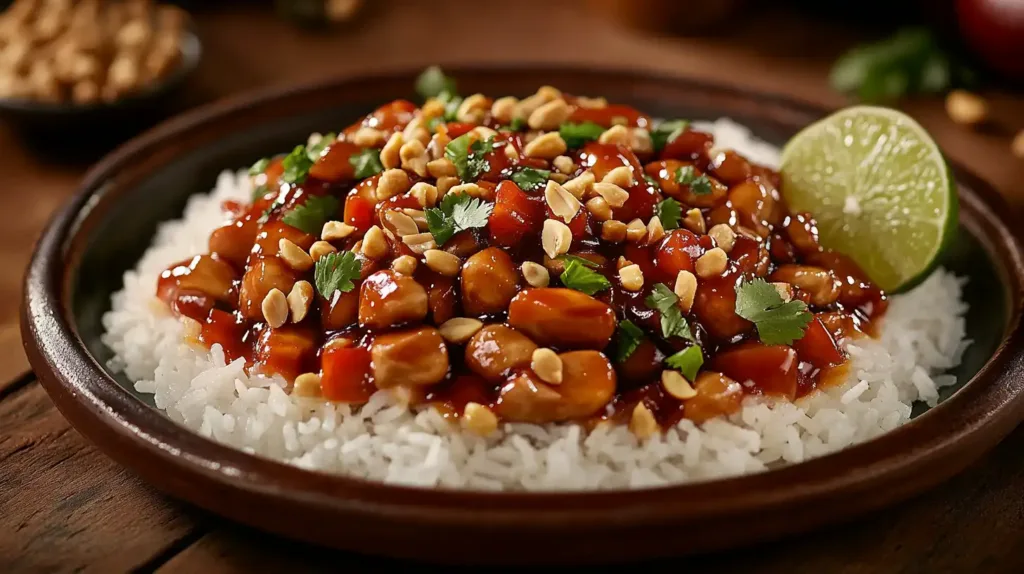
For toppings, I always have chopped peanuts and fresh cilantro on hand. Green onions are great too. And if you really want to get fancy, throw some sesame seeds on there. Makes it look restaurant-quality even though it took you twenty minutes.
Actually Making This Thing
This is where people usually mess up stir-fries. They think it’s all about throwing stuff in a pan and stirring. It’s not. There’s a method, and once you get it, you’ll nail it every time.
Step 1: Prep Everything First
Here’s a rule I learned the hard way: prep everything before you turn on the stove. Like, everything. All your vegetables are chopped, your sauce is mixed, and your protein is cooked if you’re using it.
Why? Stir-frying occurs at a rapid pace. Like, blink-and-you-miss-it fast. If you’re standing there trying to chop carrots while your broccoli burns, you’re going to have a terrible time.
Cut your vegetables into similar sizes—I aim for about bite-sized pieces. Broccoli gets broken into small florets. Bell peppers get cut into strips. Carrots I slice thin on the diagonal because it looks appealing and they cook faster that way.
For more tips on handling vegetables, our soup recipes have some good knife technique advice.
Step 2: Mix Your Sauce
While you’re prepping vegetables, throw your sauce together. Here’s my exact recipe that I’ve used probably a hundred times:
- 1/3 cup natural peanut butter
- 2 tablespoons soy sauce (or tamari for gluten-free)
- 1 tablespoon of fresh lime juice
- 1 tablespoon of honey
- 2 cloves garlic, minced really fine
- 1 teaspoon of freshly grated ginger
- 1/4 cup water (maybe more if it’s too thick)
- Red pepper flakes to taste (I use about 1/2 teaspoon)
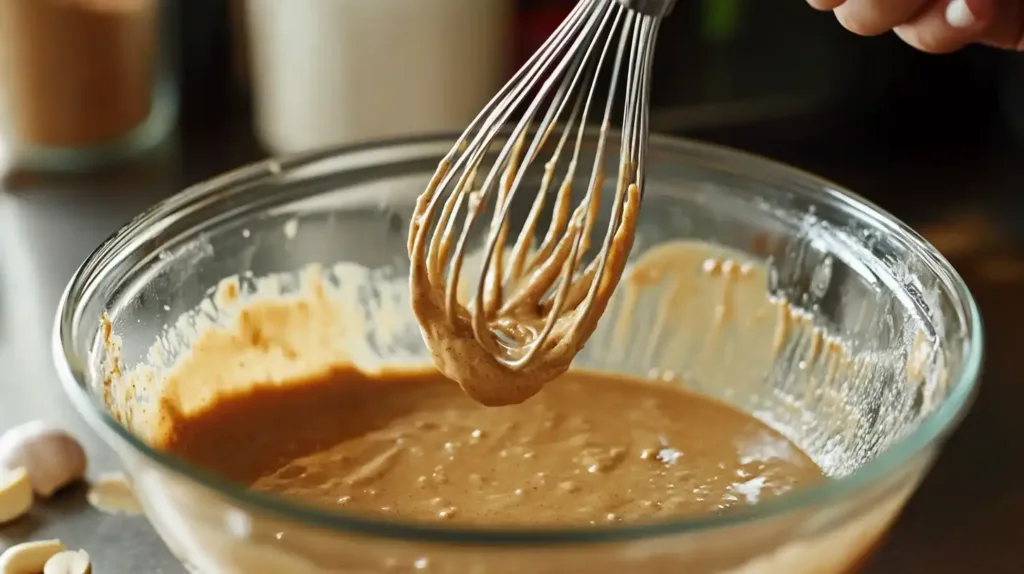
Just whisk it all together in a bowl. Start with less water and add more until it looks like… well, like thick cream. If you can coat the back of a spoon and it slowly drips off, that’s perfect.
Taste it. Adjust it. Too salty? Add more honey. Too sweet? More lime. This task isn’t baking—you can’t mess it up.
Step 3: The Actual Stir-Frying Part
Okay, here’s where it gets real. You need your pan or wok screaming hot. The heat should be intense. When you flick a drop of water at it, it should sizzle and evaporate immediately.
Add a tablespoon of neutral oil (I use avocado oil). Let it shimmer. Then add your aromatics—that’s the garlic and ginger—and stir for like ten seconds. Cook them until you can detect their aroma.
Now add your harder vegetables first. Broccoli, carrots, anything that needs more time. Stir-fry for about 2 minutes. Don’t just stand there stirring constantly—let things sit for a few seconds so they get a little char on them.
Add your softer vegetables—bell peppers, snap peas, and mushrooms. Another 2-3 minutes. You want everything tender but still with some crunch. If your vegetables are getting mushy, your heat’s too low, or you’re cooking them too long.
Pour in your peanut sauce. Toss everything to coat. Let it cook for another minute so the sauce thickens up a bit and clings to everything.
Done. Seriously, that’s it.
If you’re into quick cooking methods, refer to our Instant Pot collection for more weeknight shortcuts.
How to Not Screw Your Recipe Up
Do You Really Need a Wok?
Short answer: no. I used a regular 12-inch skillet for years before I bought a wok, and it worked fine.
Long answer: a wok does make it easier. The sloped sides let you push stuff up when it’s cooked enough, and the high heat distribution is better. But if you don’t have one, don’t stress. Just use your biggest, heaviest skillet.
What you DON’T want is a small pan where you have to cram everything in. That’ll steam your vegetables instead of stir-frying them, and you’ll end up with soggy, sad vegetables instead of crispy, delicious ones.
Why High Heat Matters
This is where most people go wrong. They cook stir-fry on medium heat because they’re scared of burning things. Don’t do that.
Stir-fries need HIGH heat. Adjust the heat to the highest setting possible on your stove. That’s what gives you those little charred bits on the vegetables, that smoky flavor you get from excellent Chinese restaurants.
If you’re worried about burning, just keep things moving. That’s literally what “stir-fry” means—you’re stirring and frying simultaneously.
The whole cooking process should take maybe 5-7 minutes once everything hits the pan. If it’s taking longer, your heat’s too low.
Keeping Everything Crispy
Nobody wants mushy stir-fry vegetables. Here’s how to keep them crispy:
- Cook in batches if your pan isn’t huge. Seriously, if you overcrowd the pan, everything steams instead of fries.
- Add harder vegetables first—broccoli and carrots need more time than bell peppers and snap peas.
- Don’t overstir—let things sit for a few seconds at a time so they develop some color.
- Stop before you think you should—the vegetables will keep cooking a bit after you take them off the heat.
Mistakes I’ve Made So You Don’t Have To
Let me save you some trouble. Here’s what went wrong when I was figuring this procedure out:
- Overcrowding the pan—I tried to cook everything at once in a too-small skillet. Everything steamed and got soggy. Use a big pan or cook in batches.
- I didn’t prepare everything in advance, mistakenly believing that I could chop as I cooked. Nope. By the time I finished chopping the bell peppers, my broccoli was charcoal.
- Adding the sauce too early—If you add sauce before the vegetables are mostly cooked, everything gets wet and steamy instead of crispy and caramelized. Save the sauce for the last minute or two.
- Using wet vegetables—If your vegetables are wet from washing, dry them off first. Water + hot oil = spattering mess.
What to Serve This With
The Base Situation
You need something to put this on. Here’s what I rotate through:
- Jasmine rice—classic for a reason. The fluffy texture soaks up that peanut sauce perfectly. Plus it’s cheap and easy.
- Brown rice—if you’re feeling health-conscious. Although it requires more time to cook, brown rice is chewier and more satisfying. Refer to our rice guide if you’re dealing with dietary restrictions.
- Rice noodles—my personal favorite. They’re slippery and fun to eat, and they tangle up with the vegetables in a really satisfying way.
- Quinoa—if you’re going for the protein boost. It cooks faster than rice and has a nutty flavor that actually works with peanut sauce.
- Cauliflower rice—for when you’re trying to sneak in extra vegetables or cut carbs. I won’t judge.
Honestly? Sometimes I just eat this straight from the pan with no base at all. It’s that satisfying.
Toppings That Make It Look Restaurant-Fancy
The prep work is the easy part. Just throw something on top:
- Chopped peanuts—adds crunch and reinforces that peanut flavor
- Fresh cilantro—if you’re not one of those people who thinks it tastes like soap
- Sliced green onions—looks pretty, tastes fresh
- Sesame seeds—tiny, but they add a nice toasted flavor
- Lime wedges—Let people squeeze extra lime on if they want more tang
Occasionally I’ll add a drizzle of sriracha for people who want extra heat. But that’s optional.
Making It Look Nice
Look, most nights I just dump this recipe into bowls and call it dinner. But if you’re trying to impress someone (or take photos for Instagram, no judgment), here’s how to make it pretty:
Use a wide, shallow bowl. Put your rice or noodles on the bottom, then arrange your stir-fry on top so you can see all those colorful vegetables. Sprinkle your toppings over everything. Lime wedge on the side.
That’s it. You’re a plating genius.
Why is this actually good for you?
The Nutrition Breakdown
So here’s the deal: this soup isn’t health food in the “eat nothing but celery” sense. But it’s genuinely nutritious in a way that makes you feel good about eating it.
You’re getting a ton of vegetables—like, a full day’s worth if you’re generous with your portions. All those bell peppers, broccoli, and carrots are loaded with vitamins A and C. The peanut sauce adds healthy fats and some protein. If you add tofu or chicken, even better on the protein front.
The whole thing is pretty low in calories considering how filling it is. Unless you go crazy with the peanut sauce. (Which I sometimes do. No regrets.)
If you’re watching sodium, refer to our low-sodium recipes for ways to adjust this.
Making This Work for Whatever Diet You’re On
One reason I love this recipe is how easy it is to modify:
- Vegan? Please consider using maple syrup as an alternative to honey. That’s literally it. Everything else is already plant-based.
- Gluten-free? Use tamari or coconut aminos instead of regular soy sauce. Done. For more gluten-free options, we’ve got a whole collection.
- Low-carb? Serve it over cauliflower rice or zoodles instead of regular rice or noodles.
- High-protein? Double up on the chicken or tofu. Easy.
See? Flexible. That’s why this works as a weekly staple.
Why Stir-Frying Beats Other Cooking Methods
The quick, high-heat cooking method keeps most of the vitamins intact. When you boil or steam vegetables for a long time, many nutrients leak into the water. With stir-frying, all the nutrients remain in the vegetables.
Plus, you’re using way less oil than deep frying. Usually just a tablespoon or two for the whole dish. So you get that satisfying, crispy texture without drowning everything in fat.
Ways to Mix This Up
Different Flavor Directions
Once you’ve made the same dish a few times, you’ll probably want to experiment. Here are some variations I rotate through:
Thai style: Add a splash of coconut milk to the peanut sauce and throw in some Thai basil at the end. You might consider adding some fish sauce if you are not following a vegan diet. Serve with lime wedges and extra chilies.
Indonesian gado-gado style: Make the peanut sauce spicier with extra chili paste. Add some blanched green beans and hard-boiled eggs on top. It’s basically a warm salad at that point, but who cares? it’s delicious.
Chinese takeout style: Swap some of the peanut sauce for a little sesame oil and add more soy sauce. Throw in some baby corn and water chestnuts. The dish tastes exactly like what you would order from your local Chinese restaurant.
Heat Level Control
Not everyone in my house has the same tolerance for spice. Here’s how I handle that:
For kids or spice-averse people: Omit the red pepper flakes entirely. The peanut sauce is still delicious without heat. You can always put sriracha on the table for those who want it.
For spice lovers (like me): Add fresh sliced Thai chilies to the stir-fry. Or mix some chili oil into your portion of the sauce. Or both. Live dangerously.
Making This Kid-Friendly
My kids are generally good eaters, but I’ve learned some tricks:
- Cut vegetables smaller. The pieces should be small. Kids are more likely to eat tiny pieces.
- Stick to sweeter vegetables—bell peppers, carrots, and snap peas. Save the mushrooms and broccoli for adult portions.
- Make the peanut sauce less intense. Add a bit more honey, skip the garlic and ginger, and keep it simple.
- Serve it over plain white rice. Kids love plain white rice.
Leftovers (If You Have Any)
The remainder keeps pretty well, which is why I often make extra.
Storage: Put it in an airtight container in the fridge. It will last 3–4 days. If you can, store the sauce separately—that way the vegetables don’t get too soggy.
Reheating: Microwave works fine if you’re lazy (I usually am). Or heat it in a skillet over medium-high heat for a couple of minutes. Add a splash of water if it seems dry. The vegetables won’t be quite as crispy as fresh ones, but they’re still good.
Pro tip: leftover stir-fry makes an excellent lunch. I pack it cold and eat it as a salad occasionally. The vegetables soften overnight and absorb more sauce, which is honestly a great benefit. It’s even better the next day.
Questions People Always Ask Me
Can I Use Other Nut Butters Instead of Peanut Butter?
Yeah, totally. I’ve made this sauce with almond butter when we ran out of peanut butter. It’s a bit more subtle, less intensely peanut-y (obviously), but still really good.
Cashew butter also works. It’s creamier and sweeter, so you might want to cut back on the honey slightly.
Sunflower seed butter is great if you have nut allergies. The flavor’s different—more earthy—but mixed with all the other ingredients, it still tastes wonderful.
What If I Don’t Have Soy Sauce?
Tamari is the easy swap—it’s basically gluten-free soy sauce. Same flavor, slightly less salty.
Coconut aminos work if you want something soy-free. They’re sweeter and less salty, so you might need to add a pinch of salt.
In a pinch, I’ve used Worcestershire sauce mixed with a little salt. This method may not be conventional, but it provides the necessary umami flavor.
Why Do My Vegetables Get Soggy?
Three reasons this happens:
- Your pan’s too crowded. Everything steams instead of fries. Use a bigger pan or cook in batches.
- Your heat’s too low. Your cooking temperature should be elevated. The heat should be set to a high level.
- You’re cooking them too long. Total cooking time should be under 10 minutes for the vegetables.
Can I Make the Sauce Ahead and Freeze It?
Yep. The sauce freezes beautifully. I sometimes make a double batch and freeze half in ice cube trays. Then pop out a few cubes when I need sauce for a quick stir-fry.
It lasts about 2 months in the freezer. Thaw it in the fridge overnight, give it a good stir, and you’re set.
How Can I Make This Lower Calorie?
The peanut butter is where most of the calories come from. You can cut it back to 1/4 cup instead of 1/3 cup and add a bit more water to thin it out.
Load up on lower-calorie vegetables—broccoli, zucchini, bell peppers, and snap peas. Skip the higher-calorie ones like sweet potatoes or corn.
Serve it over cauliflower rice or zoodles instead of regular rice or noodles. That cuts a ton of calories right there.
Check out our low-calorie lunch collection for more ideas along these lines.
Final Thoughts
So that’s my vegetable stir-fry with peanut sauce. It’s become such a staple at our house that I don’t even think about it anymore—I just make it on autopilot.
What’s the best part? Once you get the technique down, you can improvise endlessly. Different vegetables, different proteins, and adjust the sauce to your taste. It’s one of those recipes that becomes a template for dozens of different meals.
If you’re looking for more quick weeknight dinners, refer to our dinner recipe collection. We’ve got plenty of other fast, healthy options that actually taste delicious.
Make It Your Own
Look, I gave you my version. But cooking isn’t about following recipes exactly—it’s about making something that works for you and your family.
Maybe you hate mushrooms. Skip them. Maybe you love extra spice. Add more. Maybe you want to throw in some pineapple chunks because you’re that kind of person. Go for it.
The only way to mess your meal up is to overthink it. Trust your instincts, taste as you go, and adjust things to suit your preferences.
You’ve Got This
If you’ve made it this far, you’re ready. Seriously. This isn’t complicated cooking—it’s just vegetables, sauce, and heat. The hardest part is cutting the vegetables, and even that gets faster with practice.
Start simple. Make it once with whatever vegetables you have. See how it goes. Next time, try a different combination. Before you know it, you’ll be whipping this meal up without even looking at a recipe.
And when you nail it—that first time everything comes together perfectly, with crispy vegetables and sauce that clings just right—you’ll get why the recipe became my weekly default.
Now go make some stir-fry.