
Seafood is one of the healthiest proteins you can eat—and when cooked right, absolutely delicious! Don’t let fish intimidate you. These recipes are designed for home cooks, with simple techniques that deliver restaurant-quality results.
I’ll be honest with you, sweetie—I used to be nervous about cooking fish at home. Would it smell? Would it be dry? Would my family even eat it? But once I learned a few simple tricks (which I’m sharing here!), seafood became one of our favorite weeknight dinners. It cooks quickly, it’s incredibly nutritious, and when done right, it’s absolutely spectacular.
From baked salmon to seared tuna, crispy fried fish to homemade sushi, this collection shows you that cooking seafood at home is easier than you think. Each recipe includes tips for selecting fresh fish and achieving perfect results every time. Ready to dive in?
Quick Answer
- The most family-friendly seafood options are salmon, shrimp, cod, tilapia, and cobia
- Seafood cooks faster than any other protein — most fillets are done in 4 to 8 minutes
- Lemon, garlic, fresh herbs, and olive oil are the four ingredients that make any fish taste great
- Baking at 400°F (200°C) is the easiest and most foolproof method for cooking fish at home
- All seafood recipes here are halal-certified and sourced from sustainable, family-safe options
Table of Contents
- Salmon Recipes
- White Fish Recipes
- Tuna & Specialty Fish
- Shellfish & Sushi
- Tips for Perfect Seafood
- FAQ
Salmon Recipes
Salmon is a superstar in the seafood world, and there are good reasons for this, honey! It’s rich in heart-healthy omega-3s, packed with protein, and has a naturally buttery flavor that even fish skeptics tend to love. Plus, it’s nearly impossible to mess up—salmon is incredibly forgiving and stays moist even if you slightly overcook it.
The key to perfect salmon? Don’t overthink it! A simple seasoning of salt, pepper, and lemon is often all you need. Whether you’re baking it with vegetables, grilling it outdoors, or making it the star of a dinner bowl, salmon delivers every single time. And here’s a secret: frozen salmon is perfectly fine for these recipes—sometimes it’s even fresher than what’s in the fish counter!

Garlic Butter Baked Salmon with Asparagus

Salmon Dinner Recipes Guide

Best baked salmon recipes
White Fish Recipes
White fish like cod, tilapia, halibut, and corbina are the ultimate blank canvas for flavor! They’re mild, delicate, and absorb seasonings beautifully. These are perfect recipes if you’re new to cooking fish or feeding picky eaters who say they “don’t like fish.”
What I love about white fish is how quickly it cooks and how versatile it is. You can bake it with lemon and herbs for a light dinner, fry it crispy for fish tacos, or grill it with bold spices.
And because it’s so lean, it’s perfect for anyone watching their calories without sacrificing protein or flavor.

Baked Cod with Lemon and Dill

California Corbina Recipe

Cobia Recipes Guide

Fried Fish Recipe
Tuna & Specialty Fish
Ready to impress? These specialty fish recipes take your seafood game to the next level! Ahi tuna, when seared properly, is like butter—silky, rich, and absolutely restaurant-worthy. Don’t be intimidated by these “fancy” fish; they’re actually quite simple to prepare once you know the basics.
The secret to perfect seared tuna is a screaming-hot pan and patience—don’t touch it for those first 60 seconds! You want a beautiful golden crust with a rare, ruby-red center. It’s all about timing and temperature, which I’ll walk you through step-by-step in each recipe.

Ahi Tuna Recipe Seared
Shellfish & Sushi and shrimp
Now we’re getting adventurous! Shellfish and sushi might seem intimidating, but trust me, honey, they’re more achievable at home than you think. Making sushi is actually a fun family activity—everyone can customize their rolls with their favorite fillings. And that fancy crab brûlée? It’s easier than it looks!
The beauty of shellfish is that it requires minimal cooking—sometimes just a quick sear or even serving it raw (in the case of sushi-grade fish). The freshness of your seafood is key here, so make friends with your fishmonger and ask questions. They’ll steer you toward the best catches and can even prep your fish for sushi if you ask nicely!

Homemade Sushi Guide

Crab Brûlée Recipe
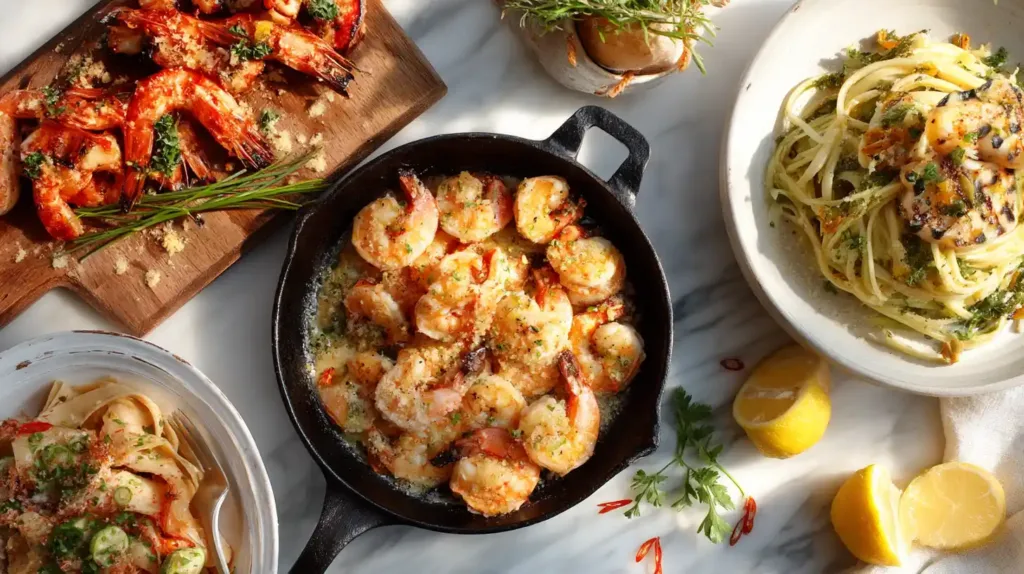
Shrimp recipes guide
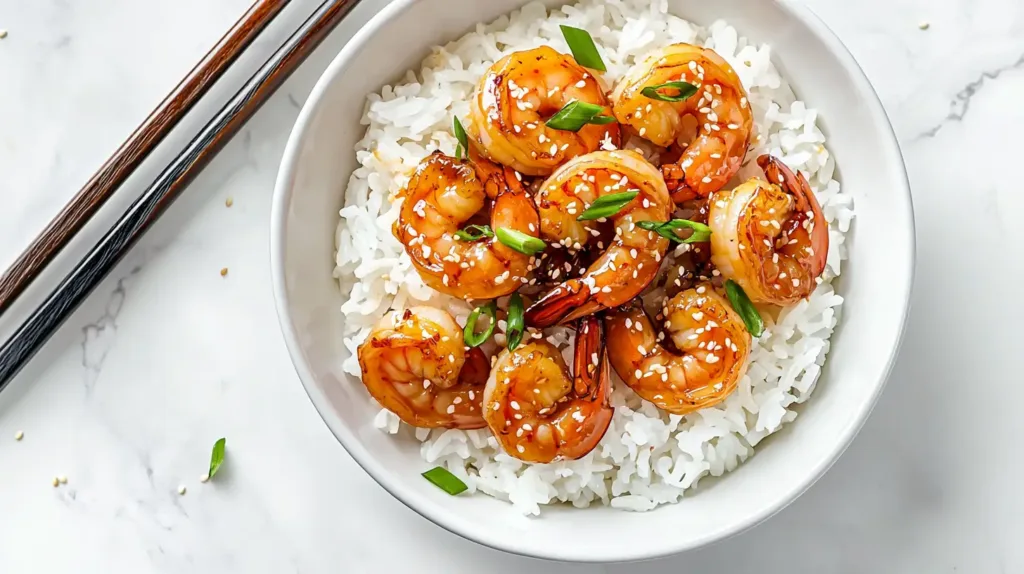
Honey garlic shrimp
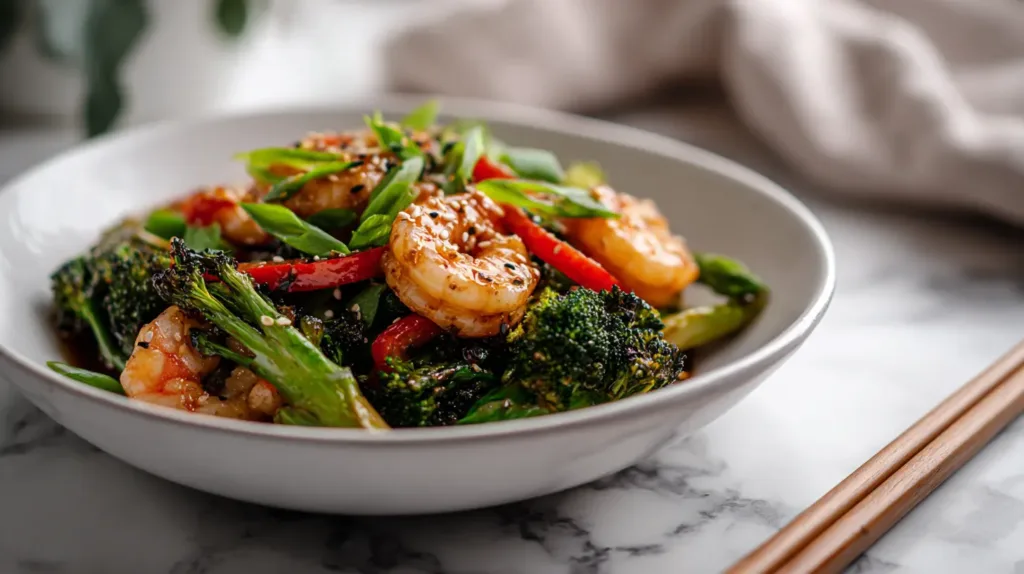
SHRIMP STIR-FRY RECIPE
Tips for Cooking Perfect Seafood Every Time
1. The Smell Test for Freshness
Fresh fish should smell like the ocean—clean and slightly briny. If it smells “fishy” or ammonia-like, pass on it. Your eyes don’t lie: look for clear (not cloudy) eyes and firm, shiny flesh.
2. Pat it dry before cooking.
This technique is crucial! Moisture on fish prevents browning and causes oil to splatter. Pat your fish completely dry with paper towels before seasoning and cooking.
3. Don’t Overcook
Fish is done when it just starts to flake with a fork and reaches 145°F internal temperature. Remember, it continues cooking slightly after you remove it from heat, so err on the side of slightly underdone.
4. Use high heat for crisp skin.
If you want crispy salmon skin or a golden sear, your pan must be hot! Medium- to high heat is your friend. And don’t move the fish around—let it develop that beautiful crust.
5. Acid is Your Best Friend
A squeeze of fresh lemon or lime or a splash of white vinegar brightens seafood and cuts through richness. Always finish fish dishes with acid right before serving.
6. Remove Pin Bones
Run your fingers along the center of fish fillets to feel for small bones. Use tweezers or needle-nose pliers to pull them out before cooking—your family will thank you!
Frequently Asked Questions About Seafood
Q: How do I know when fish is done cooking?
A: Fish is done when it reaches 145°F internal temperature and just starts to flake easily with a fork. The flesh should be opaque (not translucent) and separate into chunks when gently pressed. For salmon, I like it slightly underdone in the center—around 125°F for medium-rare.
Q: What’s the healthiest fish to eat?
A: Salmon, sardines, and mackerel top the list for omega-3 fatty acids and heart health. For lean protein, cod, tilapia, and halibut are excellent choices with minimal calories. Aim for variety and choose wild-caught when possible!
Q: How do I get rid of the fishy smell in my kitchen?
A: Prevention is key! Cook fish with proper ventilation, and simmer a pot of water with lemon slices and vinegar after cooking. Wash cutting boards immediately with dish soap and hot water. For hands, rub them with stainless steel under cold water or use lemon juice.
Q: Can I use frozen fish for these recipes?
A: Absolutely! Frozen fish is often flash-frozen on the boat, making it incredibly fresh. Thaw in the refrigerator overnight in a sealed container on a plate. Pat dry thoroughly before cooking. Never thaw at room temperature or in warm water.
Q: How do I prevent fish from sticking to the pan?
A: Three keys: hot pan, dry fish, and enough oil. Pat the fish completely dry, heat your pan until a drop of water sizzles, add oil, then add fish. Don’t move it for the first minute—let that crust develop. When ready, it’ll release easily.
More Recipe Collections You’ll Love
If you enjoyed these seafood recipes, you’ll love these other collections:
- • Healthy Recipes—More nutritious protein options
- • World Cuisine – International seafood dishes
- • Quick & Easy Meals – Fast fish dinners
- • Pasta Recipes – Seafood pasta combinations
CLOSING CTA:
I hope these recipes help you feel more confident cooking seafood at home! Fresh fish doesn’t have to be complicated or intimidating—sometimes the simplest preparation is the most delicious. Save this page for seafood nights and share in the comments which recipe you’re trying first. Happy cooking!