Baked Cod with Lemon and Dill: A Flavorful and Healthy Dish
Want something light, healthy, and packed with flavor? Baked cod with lemon and dill is exactly what you need. It’s loaded with lean protein and omega-3s, so it’s as good for you as it tastes. Best part? It’s simple enough for a Tuesday night but fancy enough when you’ve got company.
The lemon and dill? They’re perfect together. The citrus brightens everything up, while the dill adds this gentle, earthy note. It’s one of those dishes that looks like you spent hours on it when really, you didn’t. Whether fish is your thing or you’re just trying it out, this recipe won’t let you down.
We’ll show you how to pick fresh cod, cook it, and serve it perfectly. Ready? Let’s dive in.
Cooked cod provides about 23 g of lean protein per 100 g with under 1 g of fat per USDA FoodData Central.
The Harvard Nutrition Source recommends eating fish — particularly leaner fish like cod and oily fish like salmon — at least twice a week for cardiovascular benefit. Cook to an internal temperature of 145°F per FoodSafety.gov.
Why Choose a Baked Cod Recipe?
Cod just works. It’s mild, lean, and soaks up flavors like a sponge. Throw lemon and dill on it? Magic. You get this perfect mix of bright citrus and herbal goodness. Want more healthy meal ideas? Our low-sodium recipes are worth checking out.
Baked Cod with Lemon and Dill
Lemon does the heavy lifting here. It brings that tangy punch that wakes up the mild fish. It cuts through any richness, adds freshness. Dill? It’s subtle. The flavor is earthy yet not overpowering. Together, they just click.
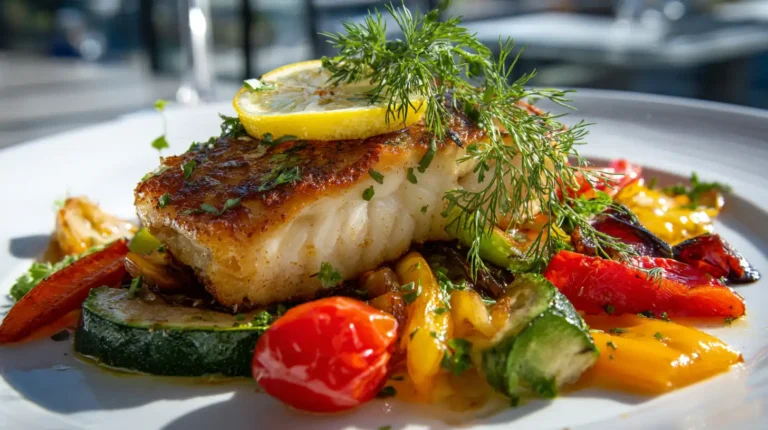
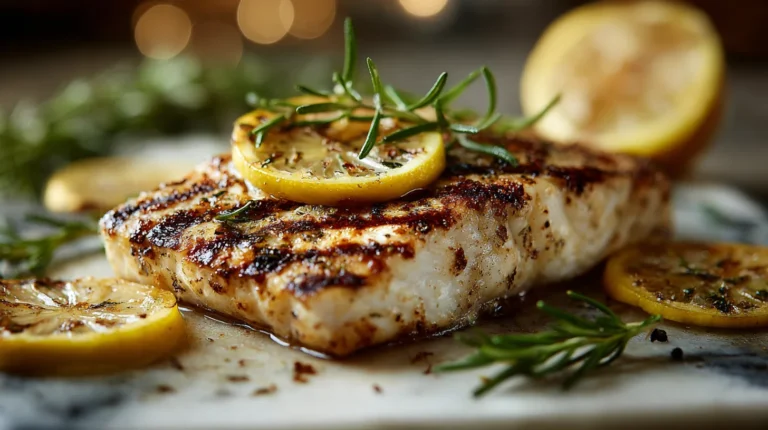
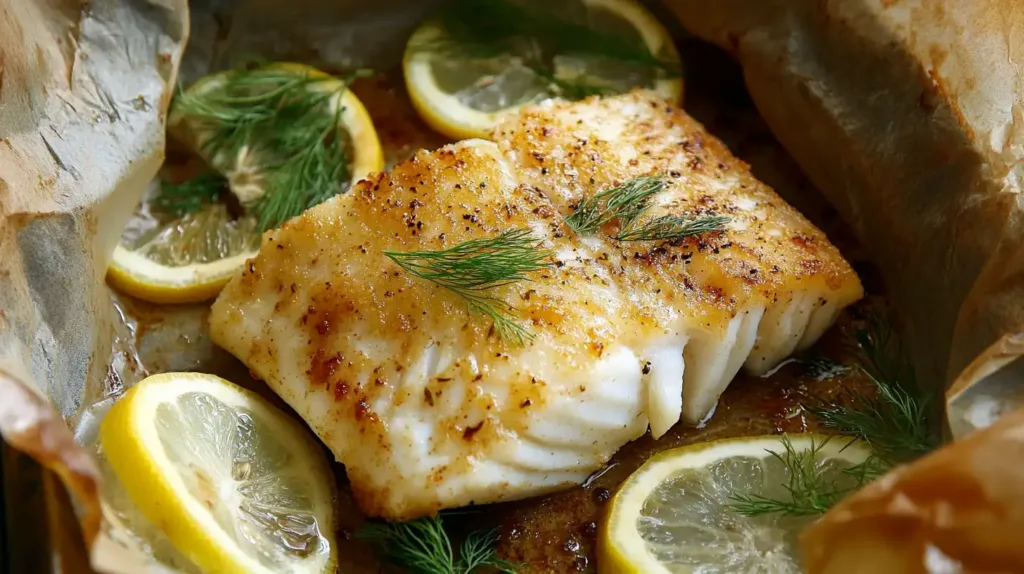
Toss a few lemon slices and dill sprigs on top before baking. Suddenly your dish looks restaurant-quality. And it’ll taste that way too.
Ingredients for a Delicious Baked Cod Recipe with Lemon and Dill
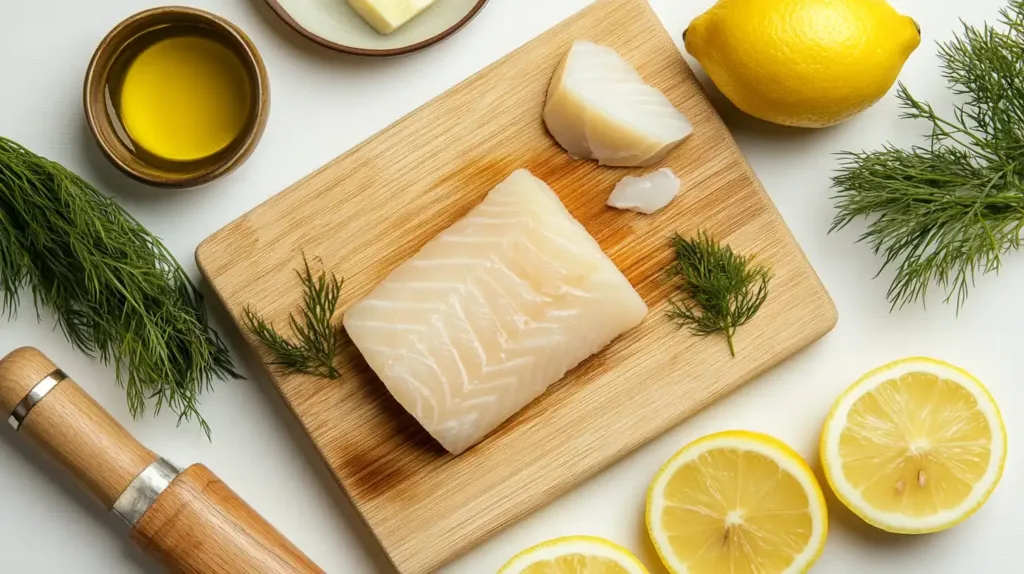
Fresh Cod is essential for creating the perfect baked cod recipe.
Fresh cod is key. Look for firm, white fillets that don’t smell funky. Hit up a reputable fishmonger if you can—they’ll steer you toward the best stuff. Quality matters a ton when you’re keeping things simple like this.
The Importance of Fresh Herbs: Why Dill?
Dill’s got this light, slightly sweet, earthy thing going on. Perfect with seafood. It’s not bold like rosemary or sharp like cilantro—just gentle and aromatic. Love herbs? Try our garlic butter baked salmon, too.
The Zesty Touch: Choosing the Right Lemon
Grab lemons that feel heavy and have smooth, bright yellow skin. Using the zest? Go organic to skip the wax. Fresh lemon juice and zest make all the difference here—don’t cheap out with bottled stuff.
Preparing the Cod for Baking
Cleaning and Deboning Cod
Give the fillets a quick rinse under cold water. Pat them bone dry. Run your fingers along the surface—feel any bones? Pull them out with tweezers. Nobody wants to deal with bones mid-bite.
Marinating for Maximum Flavor
Whip up a quick marinade. Fresh lemon juice, olive oil, minced garlic, salt, and pepper. Coat the cod well. Let it sit in the fridge for 15-20 minutes. Don’t go longer—the acid can make delicate fish mushy if you leave it too long.
Cooking Techniques
Step-by-Step Guide to Baking Cod
Preheating and Setting the Oven Temperature
Crank it to 400°F (200°C). This temp cooks the fish evenly without drying it out. You want it tender inside and lightly golden on top.
Using Foil or Parchment for Best Results
Wrap it in foil or parchment to trap moisture. Add lemon slices and dill, and seal tight. Steams itself in its own juices. Want crispy? Skip the wrap and bake straight on a greased sheet.
Baking Time and Temperature: Getting It Just Right
Twelve to fifteen minutes, depending on thickness. Quick rule: 10 minutes per inch. Done when it flakes easily and hits 145°F (63°C) inside. Don’t overbake, or you’ll end up with rubber.
Alternative Cooking Methods
Broiling for a Crispy Finish
Want crispy on top? Broil it. Put the cod on a foil-lined sheet, brush with olive oil or butter, and season well. Broil 4-6 inches from heat for 6-8 minutes. Watch close—broilers don’t mess around.
Poaching Cod with Lemon and Dill
Poaching keeps things super tender. Simmer water with lemon slices, dill, and salt in a big skillet. Add the cod gently. Cook on low 8-10 minutes till it flakes. Light, moist, and low-fat. What’s not to love?
How to Serve Baked Cod with Lemon and Dill
Side Dishes That Complement the Flavor
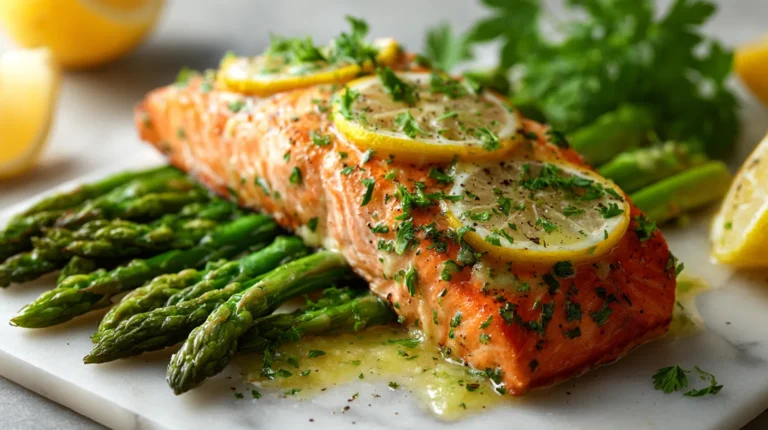
Pick sides that don’t fight with the fish. Steamed green beans, roasted asparagus, and broccoli—all great. Fluffy rice or quinoa soaks up juices perfectly. Mashed potatoes or cauliflower puree add creaminess. Light salad with citrus vinaigrette? Chef’s kiss.
Garnishing Tips for a Beautiful Lemon Dill Baked Cod Recipe
Make it pop. Thin lemon slices on the side. Fresh dill sprinkled on top. Maybe some microgreens or a drizzle of herb oil if you’re feeling extra. Little details matter.
White Wines That Pair Perfectly with a Baked Cod Recipe
Stick with crisp, light whites. Sauvignon Blanc? Bright, citrusy, perfect. Unoaked Chardonnay highlights the buttery texture. Pinot Grigio is dry, refreshing, and a safe bet every time.
Non-Alcoholic Drinks for a Healthy Baked Cod Recipe
Sparkling water with lemon and dill? Mirrors the dish perfectly. Chilled chamomile or mint tea offers subtle notes. Cucumber-lime mocktail with soda is crisp and refreshing.
Nutritional Benefits of Cod
Rich Source of Protein and Omega-3 Fatty Acids
Cod is loaded with lean protein for muscle repair. Keeps you full. The omega-3s? Great for your heart, brain, and reducing inflammation. Healthy food that actually tastes delicious—a rare find.
Low in Calories and High in Nutrients
Low-cal but nutrient-dense. Packed with B12, niacin, and selenium—all boosting energy, supporting nerves, and strengthening immunity. Tons of nutrition without tons of calories.
Lemon’s Role in Digestion and Immunity
Lemons are a vitamin C powerhouse. Boosts immunity, fights oxidative stress. The acidity helps digestion by kicking bile production into gear. Plus everything just tastes brighter.
Dill’s Anti-inflammatory and Antioxidant Properties
Dill’s not just pretty. Anti-inflammatory, antioxidant properties, and vitamins A and C. Small herb, big benefits.
Common Mistakes When Baking Cod and How to Avoid Them
Overcooking: Keeping Cod Tender
Biggest mistake ever. Overcooked cod = dry, rubbery mess. Use a thermometer. Pull it at 145°F (63°C). Should flake but stay moist. Check early. Better safe than sorry.
Underseasoning: Balancing Flavors
Cod is mild. Needs proper seasoning. Don’t hold back on lemon juice, dill, garlic, salt, and pepper. Olive oil or butter helps too. Taste as you go.
The Right Ratio of Lemon to Dill
Balance matters. One lemon per two fillets, a few dill sprigs. Too much lemon? Sour city. Too much dill? Overpowering. Find the sweet spot.
Using Fresh Ingredients for the Best Results
Fresh = better flavor, period. You should use fresh lemon juice, fresh dill, and fresh cod. It’s worth seeking out quality stuff. Makes all the difference.
Frequently Asked Questions About Baked Cod with Lemon and Dill
How Do You Know When Cod Is Fully Cooked?
The fish flakes easily with a fork and reaches an internal temperature of 145°F (63°C). Flesh should be opaque and firm, not see-through. Still jiggly? Needs more time.
Can I Use Frozen Cod for This Recipe?
Yep. Thaw it completely first—overnight in the fridge works best. If you’re in a hurry, opt for the cold water method. Pat bone dry before seasoning.
What Are Some Substitutes for Dill?
No dill? Try parsley, thyme, and chives. All bring fresh herbal vibes. Tarragon works too if you’ve got it.
How Can I Make This Dish Dairy-Free?
Already dairy-free. If using butter anywhere, swap for olive oil or plant-based butter. Check your sides too.
Can I Prepare Baked Cod in Advance?
Fish is best fresh. Can marinate up to 12 hours ahead; keep refrigerated. Reheating dries it out. If you must, reheat gently in a covered dish with a splash of broth.
Conclusion
Baked cod with lemon and dill nails it—light, healthy, flavorful, and easy. Works for Tuesday dinner or when you’re showing off. Fresh ingredients, simple technique—anyone can pull it off.
Give it a shot. Let us know how it goes. Want more healthy meals? Hit up our low-calorie lunch recipes collection.
Encouragement to Try the Recipe
Seriously, try this. This recipe is simple, delicious, and healthy. Beginner or pro, it doesn’t matter—you’ll crush it. Fresh fish, bright lemon, fragrant dill. Can’t beat that combo.
Inviting Feedback and Sharing Experiences
Let’s hear it. Share your tips, tweaks, and photos. Your feedback builds community. Let’s inspire each other to cook more good stuff at home.