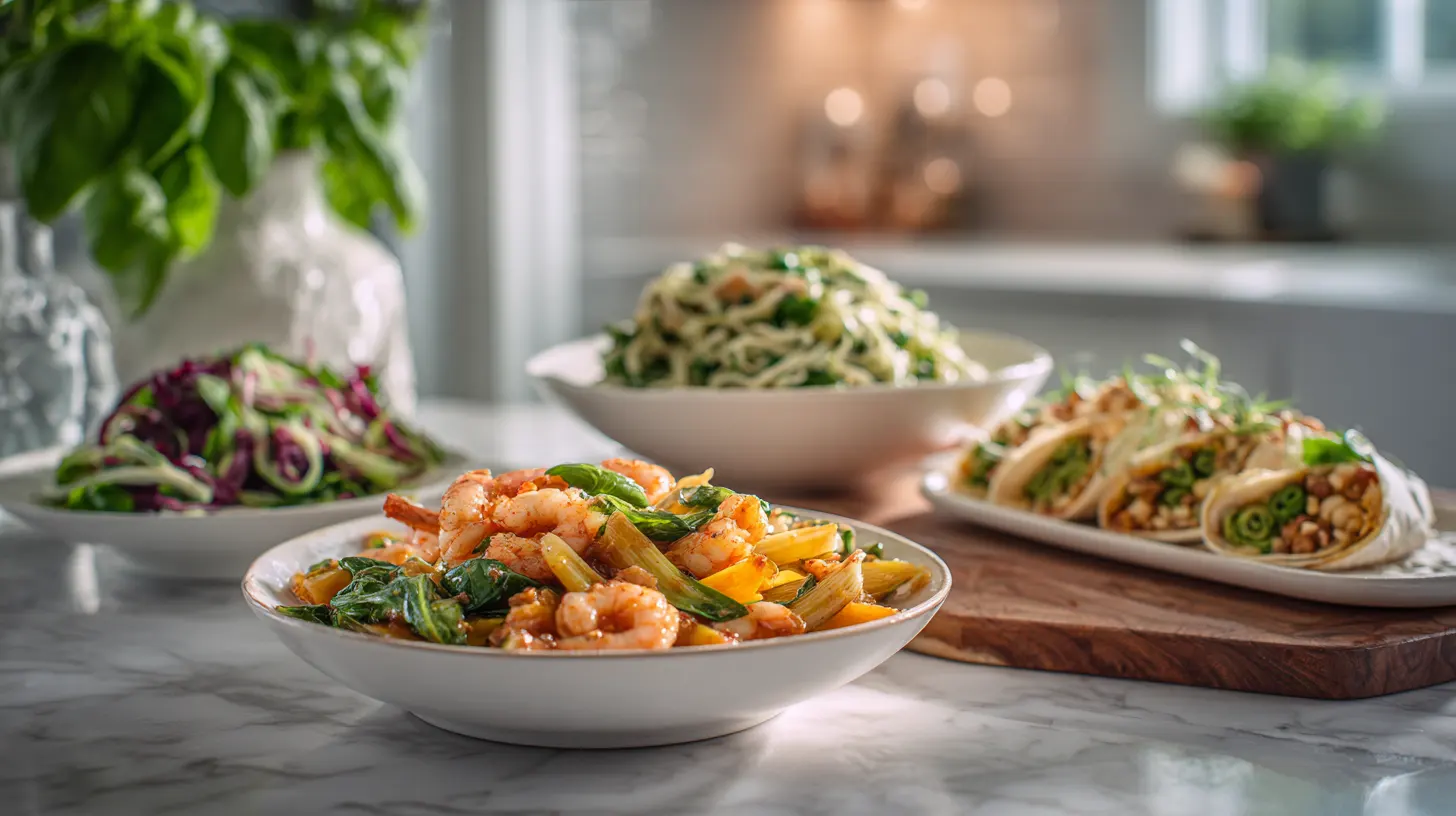
Six thirty rolls around, and everyone’s hungry. You’ve got maybe twenty minutes before the kids start raiding the pantry for cereal, and takeout means another forty-five minutes plus delivery fees. This is where quick Asian noodle recipes save the day. I’m talking about an actual fifteen minutes from the time you walk into the kitchen to plating dinner. No elaborate prep work, no specialty equipment, just straightforward cooking that delivers real flavor.
Here’s what makes these recipes work when you’re pressed for time. Asian noodle dishes rely on pantry staples that store for months, cook in minutes, and pack a serious flavor punch. A bottle of soy sauce, some sesame oil, and whatever vegetables you have on hand transform into dinner faster than ordering pizza. My three daughters request these noodle dishes more than anything else because they taste delicious and fill them up without the heavy feeling that comes from richer meals.
What Makes an Asian Noodle Recipe Actually Quick
Real quick cooking starts with the right noodles. Rice vermicelli needs only hot water soaking for five minutes. Pre-cooked udon from pouches heats in two minutes. Even instant ramen blocks, when you ditch the chemical flavor packet, cook in three minutes and work perfectly in stir-fries.
The sauce matters as much as the noodles. Forget recipes that require you to toast and grind spices or reduce liquids for twenty minutes. Quick noodle sauces mix together in a bowl while your noodles cook. Soy sauce, sesame oil, rice vinegar, and a pinch of sugar create the base. Add chili garlic sauce for heat or peanut butter for richness. These combinations take thirty seconds to whisk together.
One-pan cooking eliminates cleanup time. Cook your protein first, set it aside, and then use the same pan for vegetables and noodles. Everything comes together in layers without dirtying multiple pots and pans. This approach cuts your post-dinner cleanup in half, which matters just as much as cooking speed when you’re exhausted.
The Essential Quick Asian Noodle Pantry
Stock these items, and you’ll always be fifteen minutes away from dinner. Rice vermicelli cooks fastest, needing only a hot water soak. Keep a few packages of instant ramen for those nights when even five minutes feels too long. Pre-cooked udon pouches from the refrigerated section heat through in the time it takes to prep your other ingredients.
Your sauce arsenal needs just five things. Soy sauce provides the salty base for almost every Asian noodle dish. Sesame oil adds nutty depth with just a teaspoon. Rice vinegar brings brightness that cuts through rich flavors. Chili garlic sauce delivers heat without requiring fresh chilis. Smooth peanut butter creates creamy sauces in seconds when mixed with soy sauce and a splash of water.
For protein shortcuts, think pre-cooked. Rotisserie chicken from the grocery store shreds in seconds. Tofu puffs from Asian markets are already fried and just need heating. Eggs cook right in the pan with your noodles, adding protein without extra dishes. These options mean you’re never more than two minutes from adding substance to your meal.

Recipe 1: Peanutty Sesame Noodles
This no-cook sauce comes together while your noodles boil. Mix three tablespoons of smooth peanut butter with two tablespoons of soy sauce, one tablespoon of sesame oil, one tablespoon of rice vinegar, and a teaspoon of sugar. Add water one tablespoon at a time until it reaches the consistency of heavy cream. That’s your sauce. Total time: two minutes.
Cook eight ounces of any noodles according to package directions. Drain them, rinse with cold water to stop the cooking, then toss with the peanut sauce. Top with sliced green onions and sesame seeds. You can eat these cold or at room temperature, which means they work for lunch the next day too.
The beauty of this recipe is its flexibility. Add shredded carrots, cucumber, or bell peppers for crunch. Toss in shredded rotisserie chicken for protein. Mix in a spoonful of chili garlic sauce if you want heat. The base recipe takes exactly twelve minutes from start to finish.
Recipe 2: Spicy Garlic Chili Oil Ramen Stir-Fry
Throw away those flavor packets. The actual ramen noodle blocks cook fast and have better texture than you’d expect. Boil them for exactly three minutes, drain, and set aside.
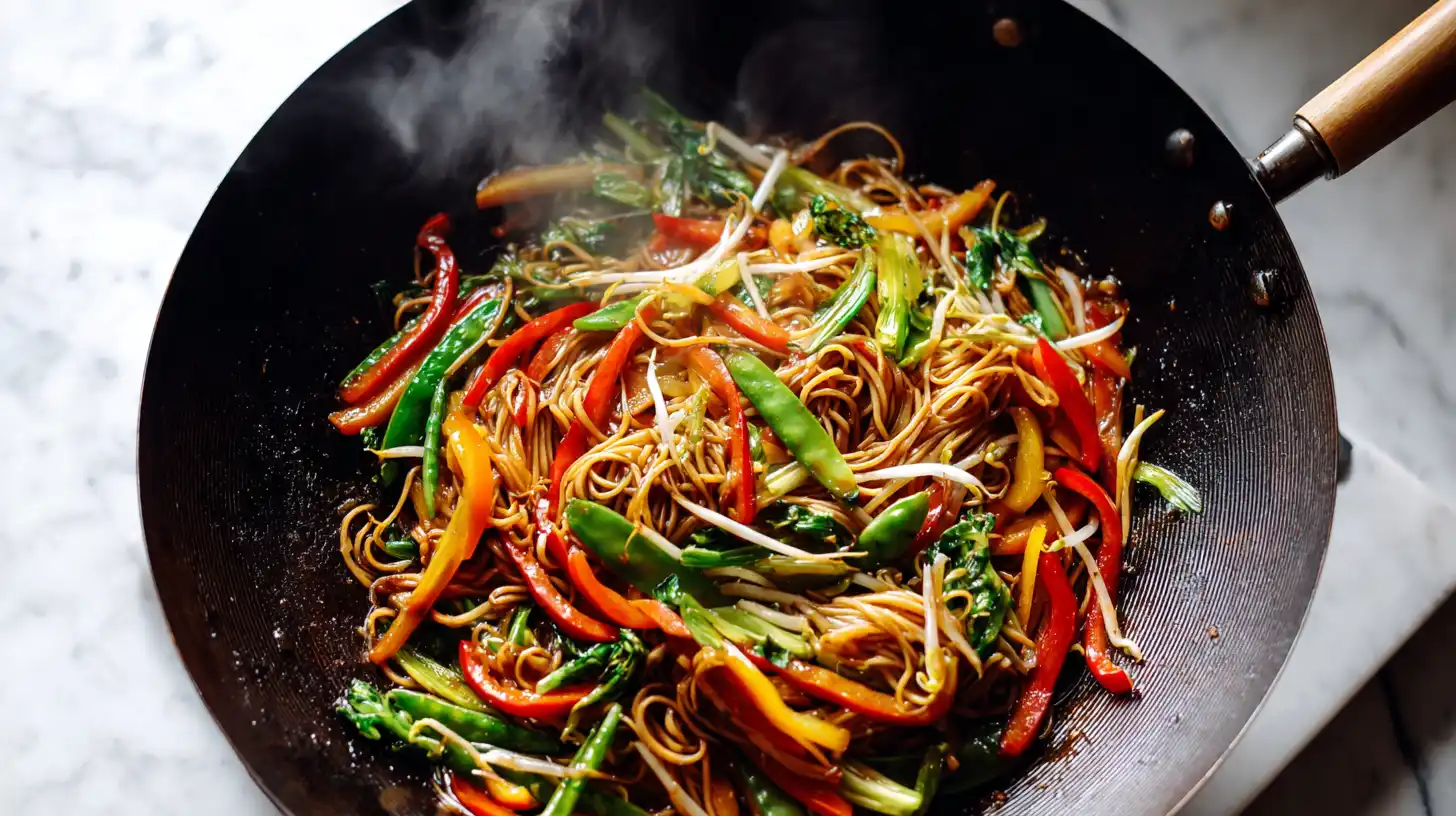
Heat two tablespoons of oil in your largest pan over high heat. Add four cloves of minced garlic and cook for thirty seconds until fragrant. Toss in whatever vegetables you have, sliced thin so they cook quickly. After two minutes, add the cooked ramen noodles.
The sauce is simple: two tablespoons of soy sauce, one tablespoon of chili crisp or chili garlic sauce, and a teaspoon of sugar. Pour it over the noodles, toss everything together for one minute over high heat, and you’re done. The high heat creates those slightly charred edges that make stir-fried noodles taste like they came from a restaurant. Total time: fourteen minutes.
Recipe 3: Vietnamese-Inspired Quick Vermicelli Bowl
Rice vermicelli needs only hot tap water, not even boiling. Put eight ounces of vermicelli in a bowl, cover with hot water from your tap, and let it sit for five minutes. Drain and rinse with cold water. Done.
While the noodles soak, make your dressing. Mix three tablespoons of rice vinegar, two tablespoons of fish sauce, one tablespoon of sugar, and one tablespoon of water. Add a minced garlic clove and a squeeze of lime juice if you have one.
Assemble your bowls with the noodles at the bottom. Top with shredded carrots, cucumber slices, fresh herbs like mint or cilantro, and any protein you have. Pour the dressing over everything. This cold noodle bowl tastes better in the summer, when you don’t want to stand over a hot stove. Total time: ten minutes.
Recipe 4: Korean-Style Speedy Soy-Garlic Udon
Pre-cooked udon pouches make this the fastest hot noodle dish you can make. Open the pouch, microwave for ninety seconds, and you have perfectly cooked noodles. That’s faster than boiling water.
Heat one tablespoon of oil in a pan over medium-high heat. Add three cloves of minced garlic and cook for thirty seconds. Add the udon noodles straight from the microwave, breaking them up with your spatula.
The sauce brings Korean flavors: two tablespoons of soy sauce, one tablespoon of brown sugar, one teaspoon of sesame oil, and a pinch of gochugaru if you have it. Pour over the noodles, and toss for two minutes until everything is coated and slightly caramelized. Finish with sliced green onions. Total time: eight minutes.
Recipe 5: Emergency Chicken and Egg Drop Noodles
This recipe saved dinner more times than I can count. Use leftover rotisserie chicken or canned chicken as a last resort, or even skip the chicken entirely. The egg creates protein-rich threads that make it satisfying.
Boil eight ounces of any quick-cooking noodles. Two minutes before they’re done, crack two eggs into a bowl and beat them. When the noodles are ready, slowly pour the beaten eggs into the pot in a thin stream while stirring. The eggs will immediately cook into ribbons.
Drain everything and return to the pot. Add shredded chicken, two tablespoons of soy sauce, one tablespoon of sesame oil, and a handful of frozen peas. Toss everything together over low heat for one minute. The residual heat warms the chicken and peas. Total time: twelve minutes.

Quick Tips for Maximum Noodle Flavor
Preheat your sauce before adding it to the noodles. Thirty seconds in the microwave or a quick swirl in the hot pan makes a difference. Warm sauce coats noodles more evenly than cold sauce, which tends to clump.
High heat is relevant for stir-frying. If your pan isn’t hot enough, noodles absorb too much sauce and turn mushy. Heat your pan until a drop of water sizzles and evaporates immediately. That’s when you add your ingredients. The high heat creates texture through caramelization and slight charring.
Frozen vegetables save prep time without sacrificing nutrition. Keep bags of frozen peas, corn, and edamame in your freezer. Frozen vegetables cook in the same amount of time as your noodles. Pre-shredded cabbage mixes from the produce section work too. No chopping means faster cooking.
Vegetarian and Vegan Swaps
Replace meat proteins with firm tofu, pressing out excess water before cubing and pan-frying until golden. Edamame adds protein, and frozen noodles cook in the time it takes to boil them. Mushrooms, sliced thin, develop rich umami flavor when cooked over high heat.
For vegan versions, check your noodles first. Many contain eggs. Rice noodles and most instant ramen blocks are naturally vegan. Swap regular soy sauce for tamari or coconut aminos. Replace fish sauce with extra soy sauce plus a pinch of seaweed flakes for that ocean flavor.
Making It Gluten-Free
Rice noodles are naturally gluten-free and cook faster than wheat noodles. Look for 100% rice vermicelli or rice stick noodles. They need only soaking, not boiling, which actually makes them quicker than regular pasta.
Replace regular soy sauce with tamari. Real tamari is made without wheat, though you need to check labels because some brands add it anyway. The flavor is nearly identical to soy sauce. Rice vinegar, sesame oil, and chili garlic sauce are typically gluten-free, but verify labels since manufacturing practices vary.
Fast Food, Elevated
These quick noodle recipes changed how my family eats on weeknights. Instead of defaulting to frozen pizzas or drive-through runs, we make real food that tastes better and costs less. The time investment is the same, but the quality difference is massive.
Start with one recipe this week. Master it until you can make it without looking at your phone. Then add another. Within a month, you’ll be rotating through five quick dinners that beat anything you could order. Your family will request them, you’ll spend less money, and you’ll feel better about what everyone’s eating.
If you enjoy exploring international flavors like these quick Asian noodles, you might also love our authentic Moroccan couscous or Turkish bulgur pilaf for other quick grain-based meals. For more pasta inspiration with an Italian twist, refer to our Italian pasta recipes collection.
For a complete guide to international cooking techniques and recipes from around the world, visit our World Cuisine Recipes Guide for everything from Mediterranean classics to Latin American favorites.
Frequently Asked Questions
Can I use spaghetti instead of traditional Asian noodles?
Yes, regular spaghetti works in most Asian noodle recipes. The cooking time will be longer than rice noodles or instant ramen, so plan accordingly. After cooking, rinse the pasta under cold water to remove excess starch, which helps prevent clumping and gives it a texture closer to Asian noodles. The flavor will be slightly different, but the sauce will still taste authentic.
How do I prevent my noodles from sticking together?
After cooking noodles, rinse them immediately under cold water to stop the cooking process and wash away excess starch. This is especially important for rice noodles. If you’re not using them right away, toss them with a teaspoon of sesame oil or neutral oil to keep them separated. When stir-frying, make sure your pan is hot enough—high heat prevents noodles from sticking and creates better texture.
What is the fastest way to defrost frozen shrimp for a stir-fry?
Place frozen shrimp in a colander and run cold water over them for five to seven minutes, turning occasionally. They’ll thaw completely and be ready to cook. Never use hot water, as it starts cooking the outside while the inside stays frozen. If you’re really pressed for time, you can cook frozen shrimp directly in a hot pan—they just need an extra two minutes of cooking time.
Are these recipes healthy?
These noodle recipes provide balanced meals with carbohydrates, protein, and vegetables. To make them healthier, use low-sodium soy sauce to reduce salt intake, increase the vegetable-to-noodle ratio, and choose whole grain or brown rice noodles when available. Adding lean proteins like chicken, tofu, or shrimp boosts nutrition. The recipes are much healthier than takeout, which typically contains more oil, sodium, and MSG.
Quick Asian Noodle Recipes
Ingredients
Noodle Base
- 8 ounces Rice vermicelli / Pre-cooked udon / Instant ramen Use according to specific recipes.
Sauce Components
- 2 tablespoons Soy sauce Base for nearly all recipes.
- 1 tablespoon Sesame oil Adds nutty depth.
- 1 tablespoon Rice vinegar Provides brightness.
- 1 teaspoon Sugar Balances flavors.
- 1 tablespoon Chili garlic sauce Optional for heat.
- 3 tablespoons Smooth peanut butter For peanutty sauce.
Vegetable Add-Ins
- 1 cup Shredded carrots Optional for crunch.
- 1 cup Cucumber slices Optional addition.
- 1 cup Any quick-cooking vegetables Use your preferences.
Protein Options
- 1 cup Shredded rotisserie chicken Quick protein option.
- 2 pieces Eggs For protein-rich threads.
Instructions
Preparation
- Choose your noodles: soak or boil as required.
- Prepare the sauce by mixing soy sauce, sesame oil, rice vinegar, and sugar in a bowl.
- Add additional ingredients like chili garlic sauce or peanut butter to the sauce if desired.
Cooking
- Cook your chosen protein, if using, and remove from heat.
- In the same pan, add sliced vegetables and cook briefly until tender.
- Add cooked noodles to the pan, along with the sauce, tossing everything to combine.
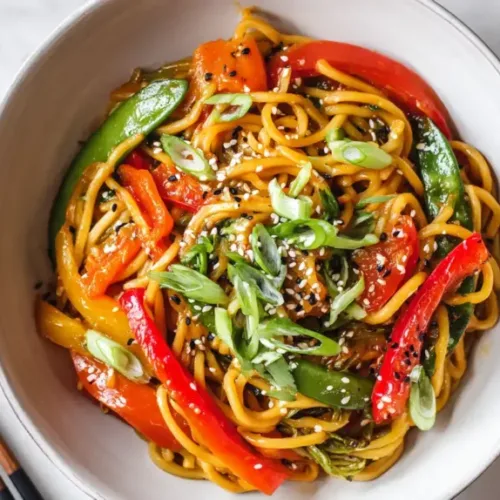
- Serve immediately, garnished with green onions and sesame seeds if desired.