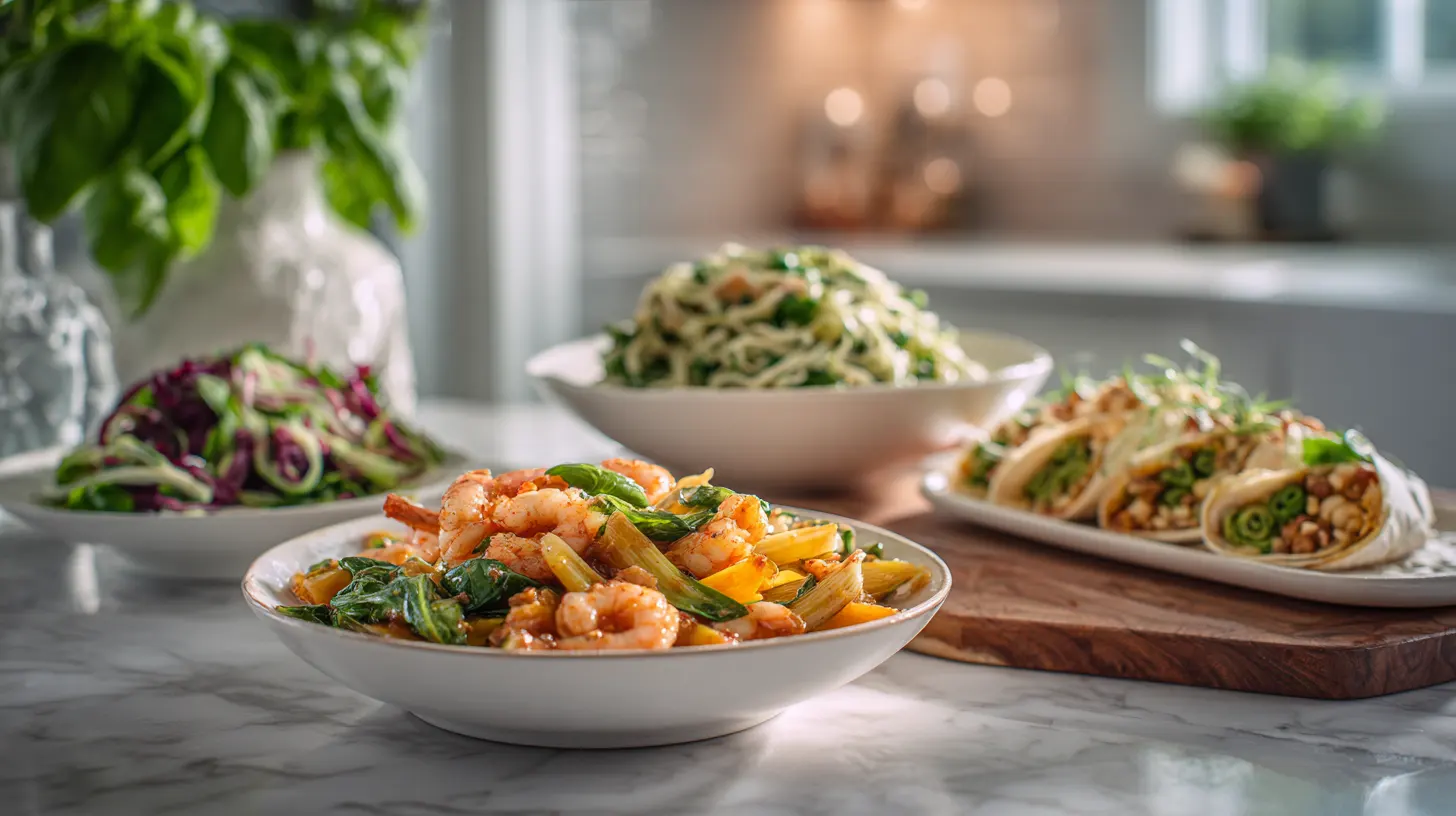
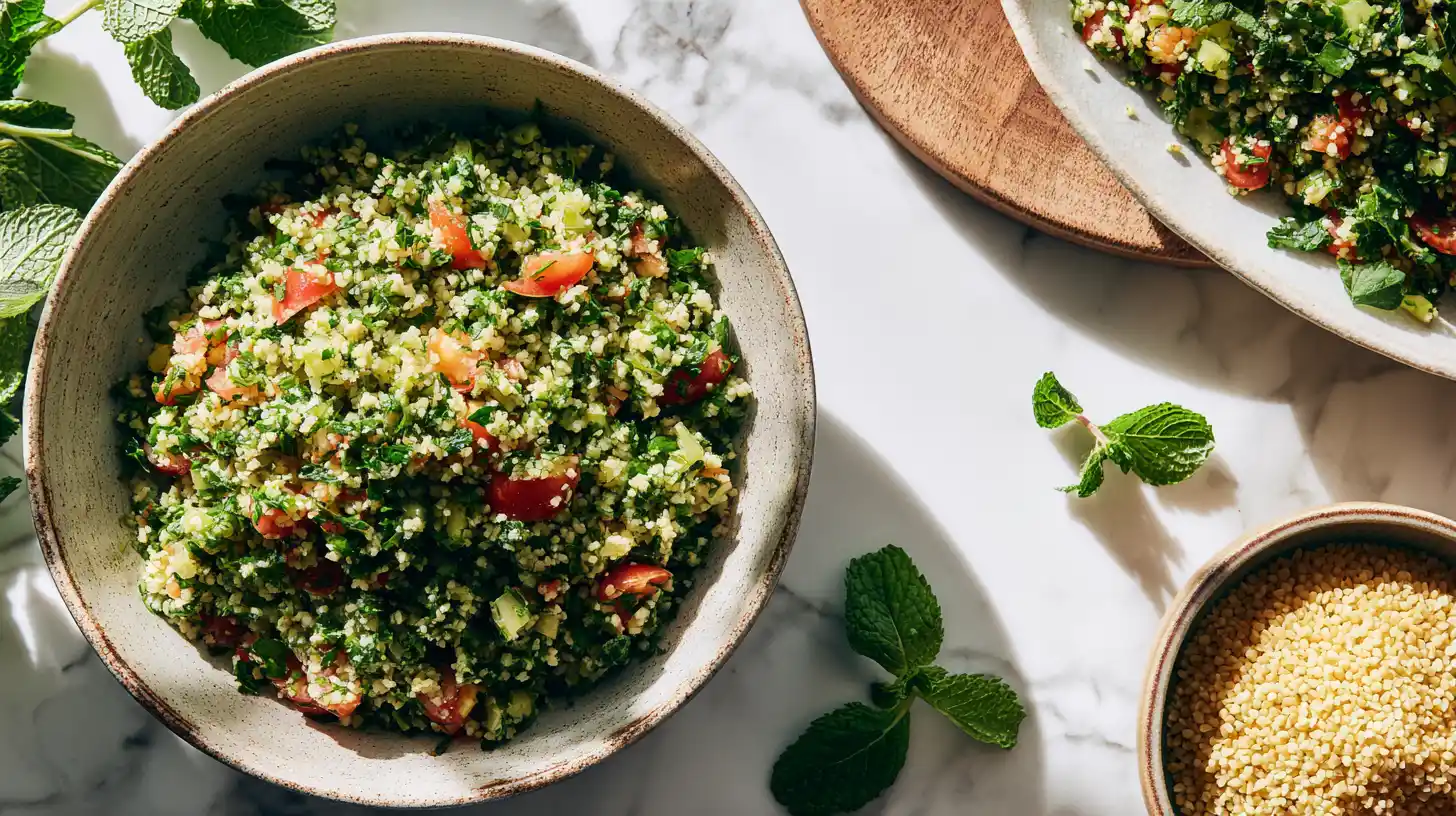
Hey there, friends! It’s Nora here, and today I’m sharing one of those recipes that completely changed weeknight dinners in our home. If you’ve ever enjoyed a Greek gyro and thought, “I wish I could make the dish easier to eat and customize,” then you’re going to love these Greek Gyro Bowls with Tzatziki Sauce.
This dish isn’t just another bowl recipe. It’s what happens when you take the bold, comforting flavors of traditional Mediterranean cooking and make them work for busy families like ours. The best part? You can prep most of it ahead, and everyone gets to build their own bowl exactly how they like it.
Trust me, once you try this dish, you’ll understand why it’s become our go-to meal when we want something healthy, satisfying, and just plain delicious.
Why Greek Gyro Bowls Work for Real Families
Let me tell you what I love most about these bowls: they solve so many dinner problems at once. You know those nights when one kid wants extra veggies while the other refuses anything green? Or when you’re trying to eat lighter but your family wants something filling?
These bowls handle it all.
The beauty of a gyro bowl is that it’s essentially a deconstructed version of the classic Greek sandwich. Instead of wrapping everything in pita bread (which can get messy), you layer all those wonderful flavors in a bowl. Everyone can customize their portions, skip what they don’t like, and add extras they love.
Plus, it’s one of those meals that actually tastes better the next day, making it perfect for meal prep. Our oldest daughter takes these to college in her meal prep containers, and she says her roommates are always asking for the recipe!
The Mediterranean Magic Behind Greek Gyro Bowls
Did you know that “gyro” means “turn” in Greek? It comes from the traditional way the meat is cooked on a vertical rotisserie that slowly turns, creating those crispy edges and juicy centers. While we’re adapting the concept for home cooking (because who has a vertical rotisserie in their kitchen?), we’re keeping all that Mediterranean goodness.
According to the Harvard School of Public Health, the Mediterranean diet is one of the healthiest eating patterns you can follow. It emphasizes fresh vegetables, lean proteins, healthy fats like olive oil, and herbs instead of heavy sauces.
That’s precisely what we’re doing here.
What Makes These Bowls So Healthy?
Let’s talk nutrition for a minute, because this matters when you’re feeding a family. These gyro bowls check so many boxes:
The protein (whether you choose chicken, lamb, or a plant-based option) keeps everyone satisfied and energized. The vegetables add fiber, vitamins, and that fresh crunch we all need more of. The whole grains provide sustained energy without the crash. And the tzatziki sauce? It’s made with Greek yogurt, which means you’re getting probiotics for gut health plus protein, all while adding incredible flavor.
The American Heart Association recommends Mediterranean-style eating for heart health, and these bowls fit perfectly into that framework.
But here’s what I really love: this doesn’t taste like “health food.” It tastes like a treat, like something you’d order at a restaurant. That’s the kind of healthy eating that actually sticks in our house.
The Essential Ingredients for Perfect Gyro Bowls
Before we dive into the recipe, let me walk you through what you’ll need. I’ve learned that having everything prepped and ready makes the actual cooking so much easier (especially on those chaotic weeknights).
Best Protein Options for Greek Gyro Bowls
You have options here, and that’s beautiful:
- Chicken thighs are my go-to. They stay juicy and flavorful, even if you accidentally cook them a minute too long (which, let’s be honest, happens). Boneless, skinless thighs work best.
- Lamb is the traditional choice and brings that authentic gyro flavor. If you can find ground lamb or thinly sliced lamb shoulder, either works wonderfully.
- Beef is a wonderful alternative if your family prefers it. Ground beef seasoned with Mediterranean spices makes excellent “gyro-style” meat.
- Falafel, falafel, or chickpeas for our vegetarian and vegan friends. Crispy falafel brings texture and protein without any meat.
For the Marinade
This is where the magic happens. You’ll need olive oil, fresh lemon juice, minced garlic, dried oregano, paprika, salt, and black pepper. These simple ingredients create that unmistakable Greek flavor profile that makes everything taste authentic.
For the Bowl Base
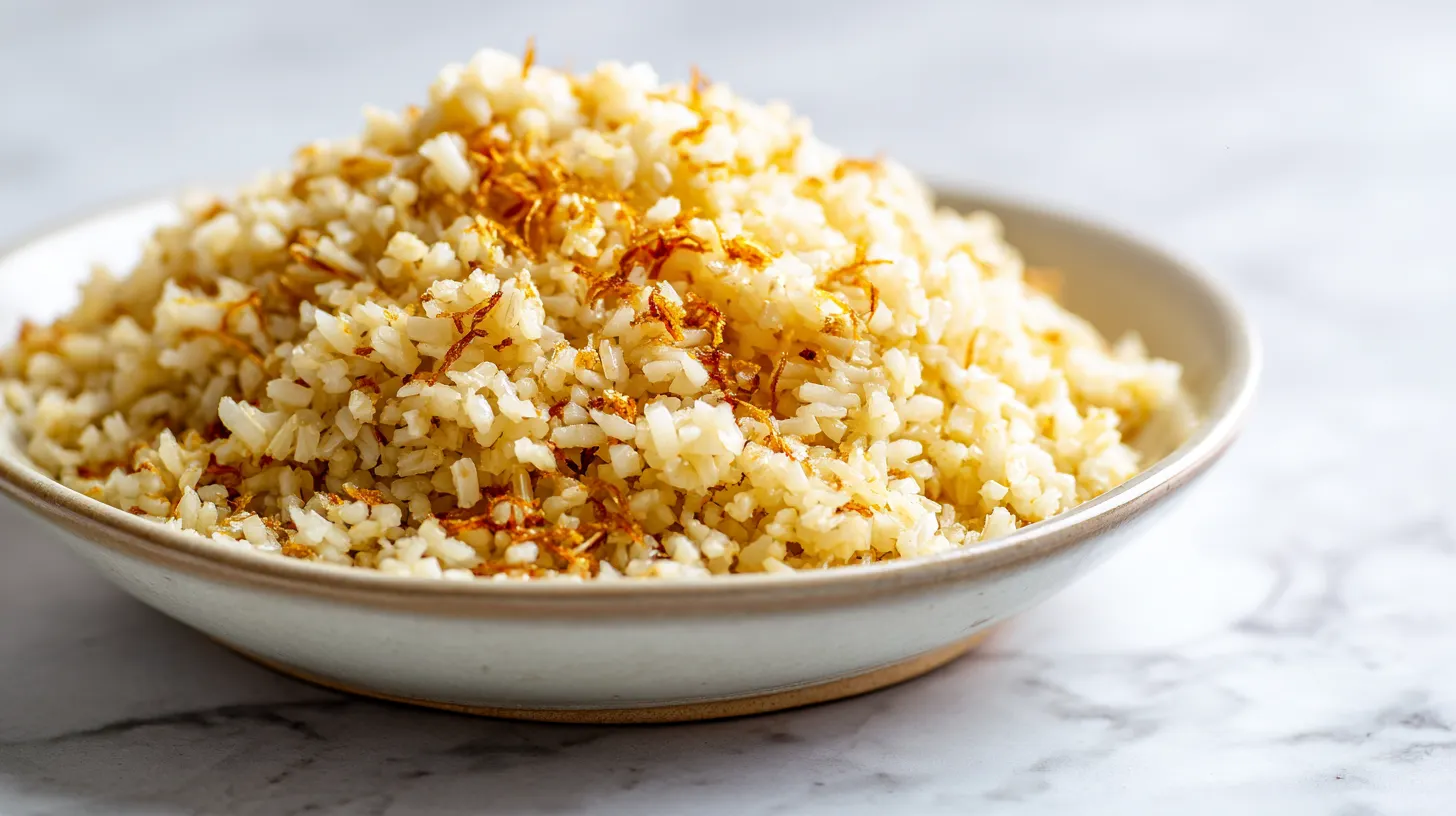
I usually make rice (white or brown), but quinoa is fantastic too. Occasionally we’ll do half rice and half cauliflower rice to lighten it up without sacrificing that satisfying bowl feeling. For tips on cooking perfect grains, the Cooking Light guide is really helpful.
For the vegetables.
Fresh is key here. You’ll want cucumbers (preferably English cucumbers since they have fewer seeds), ripe tomatoes, red onion, and some crisp lettuce. We also love adding kalamata olives and sometimes roasted red peppers for extra flavor.
For the Tzatziki Sauce
This is the star of the show, so don’t skip it! You’ll need Greek yogurt (full-fat makes it creamier), cucumber, garlic, fresh dill, lemon juice, olive oil, and salt. The EatingWell tzatziki recipe has some great tips on getting the perfect consistency.
How to Make Greek Gyro Bowls at Home
Okay, let’s get cooking! I’m going to walk you through this step by step, the same way I would if you were in my kitchen with me.
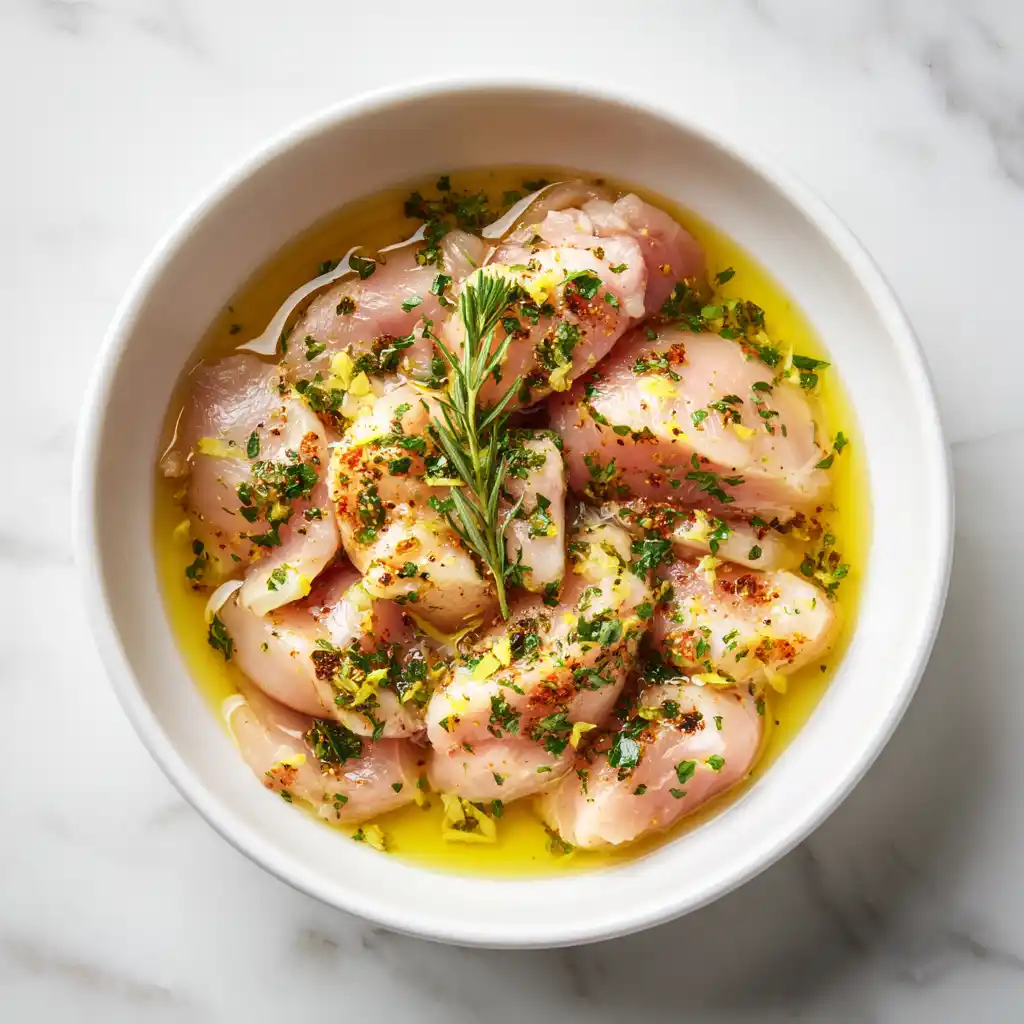
Step 1: Marinate Your Protein
In a bowl, whisk together 3 tablespoons of olive oil, juice from one lemon, 3 minced garlic cloves, 1 tablespoon of dried oregano, 1 teaspoon of paprika, salt, and pepper. Add your protein and make sure everything is well coated.
Now, if you’re like me and remembering to marinate things hours ahead feels impossible, here’s the truth: even 20 minutes makes a difference. But if you can let it sit for a couple of hours (or overnight), the flavors really develop beautifully.
Nicolas’s tip: “I throw the chicken in the marinade in the morning before work. By dinner time, it’s perfect without any extra effort.”
Step 2: Make the Tzatziki Sauce
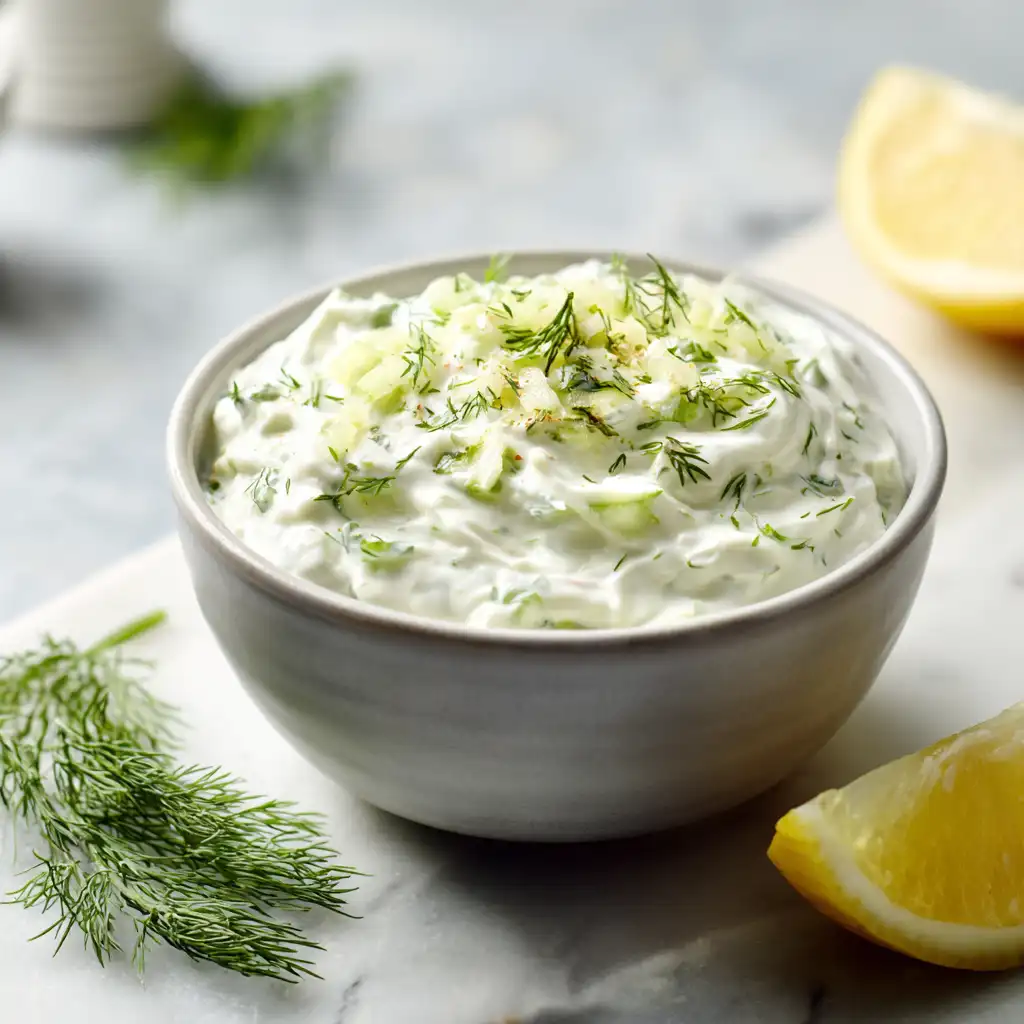
This is crucial, and there’s one key step you absolutely cannot skip: draining the cucumber. I discovered this crucial step by making watery tzatziki too many times.
Grate about half a cucumber (peel it first if you like, though I often leave the peel on for extra nutrients). Place the grated cucumber in a clean kitchen towel and squeeze out as much liquid as possible. Like, really squeeze it. This prevents your sauce from being runny.
Mix the drained cucumber with 1 cup Greek yogurt, 1-2 minced garlic cloves (depending on how much you love garlic), 2 tablespoons fresh chopped dill, 1 tablespoon olive oil, juice from half a lemon, and salt to taste.
Pop it in the fridge while you prep everything else. The flavors get even better as they meld together.
Step 3: Prep Your Vegetables
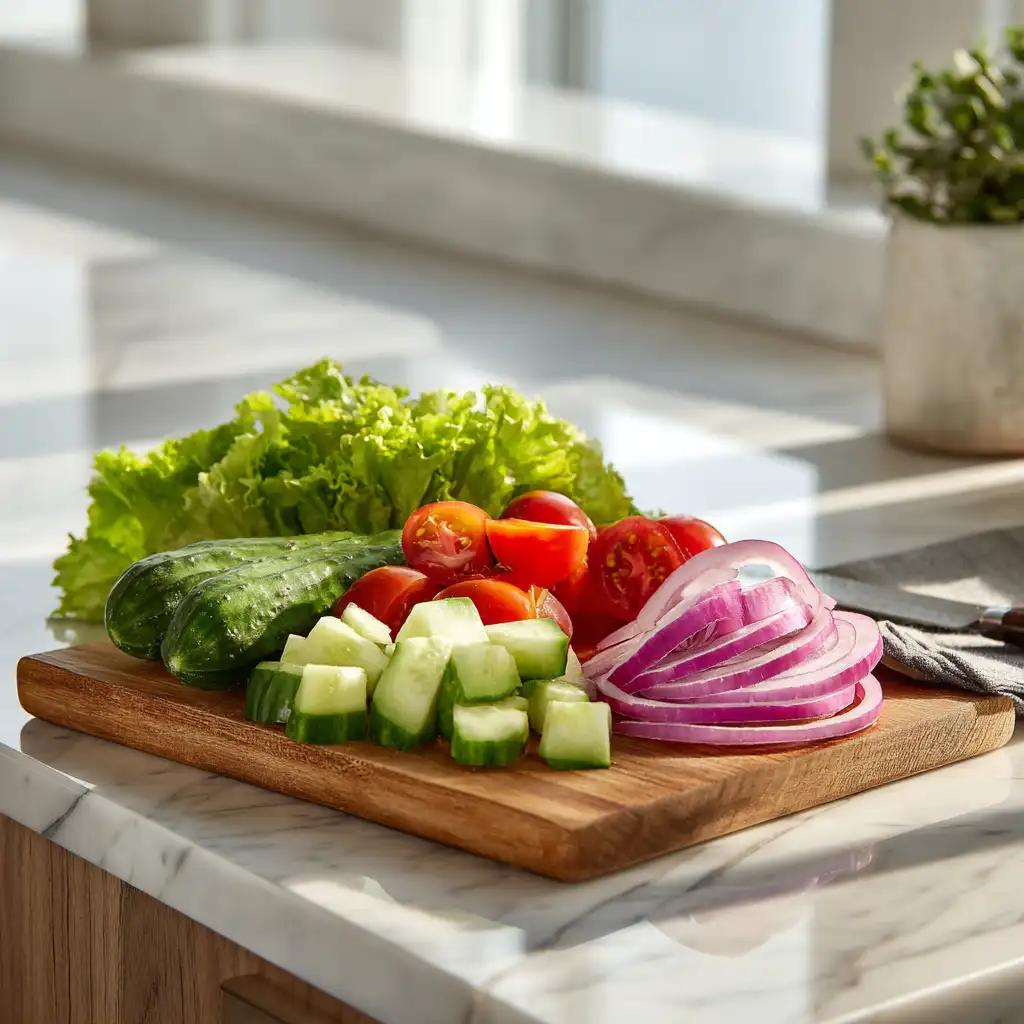
While the protein is marinating, dice your cucumbers and tomatoes, slice your red onion (I like to soak mine in cold water for 10 minutes to take the edge off), and wash your lettuce. If you’re adding olives or other toppings, get those ready too.
Here’s a family secret: I prep all my vegetables on Sunday afternoon and store them in containers. Then on weeknights, this whole meal comes together in about 15 minutes. Game changer.
Step 4: Cook Your Grain Base
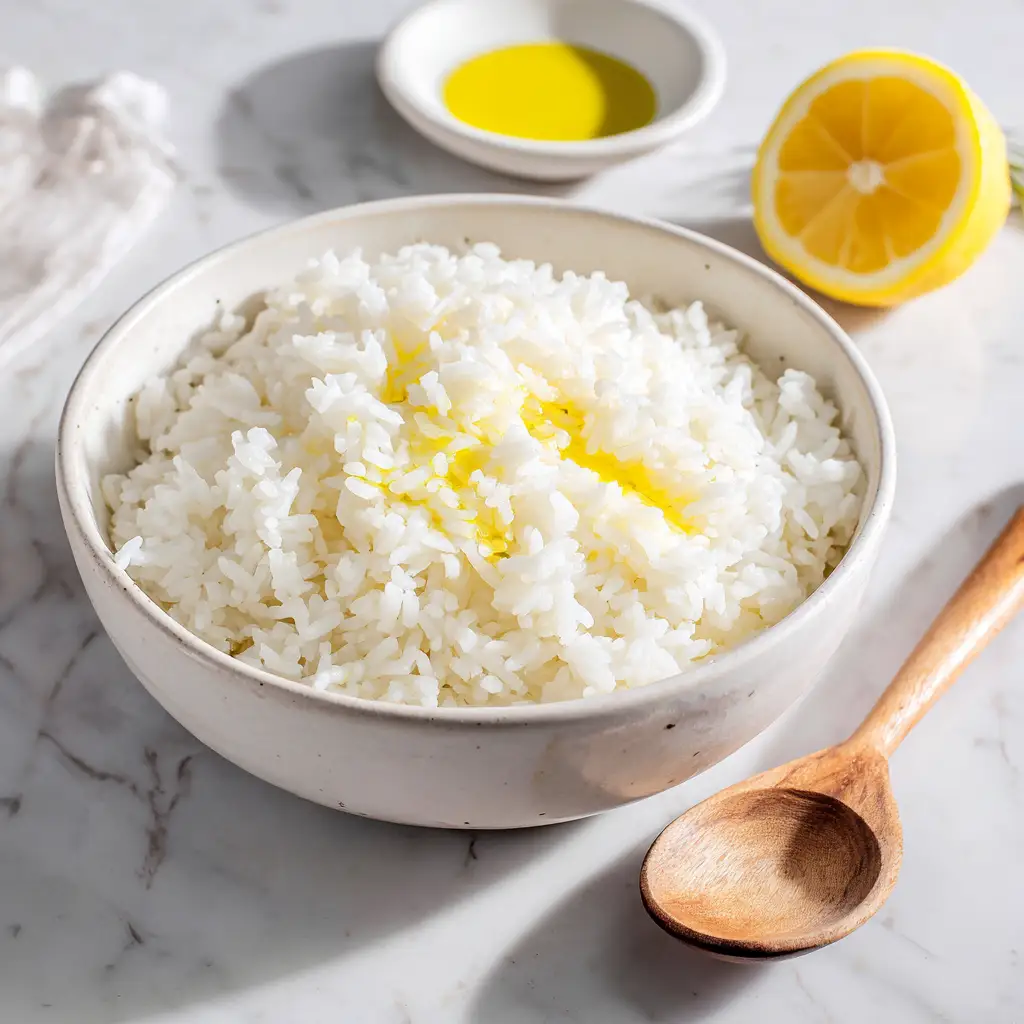
Follow the package directions for your chosen grain. My trick? After cooking, I fluff it with a fork and drizzle just a tiny bit of olive oil and lemon juice over it. This adds flavor and prevents it from sticking together.
Step 5: Cook the Protein
Here’s where you have options:
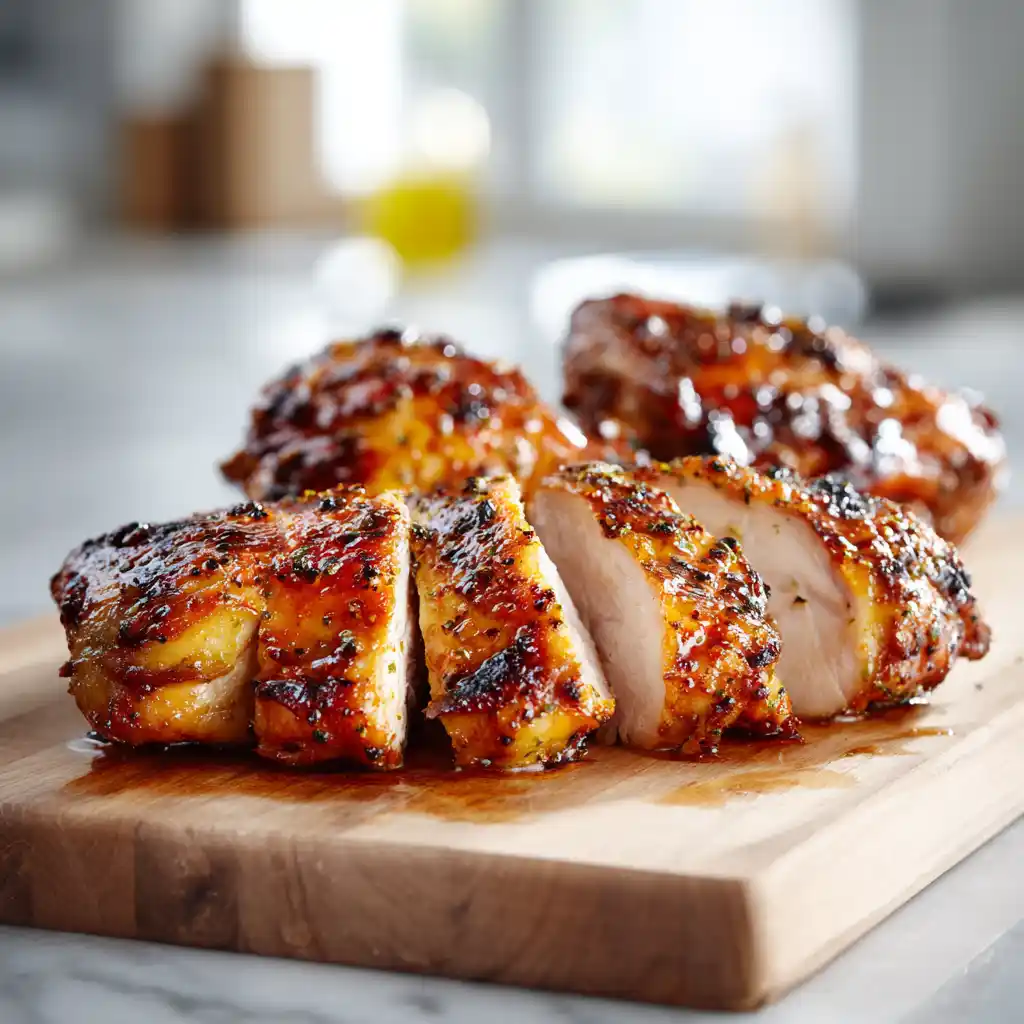
For grilling: Heat your grill to medium-high and cook chicken thighs about 6-7 minutes per side (or until they reach 165°F internally). Are the charred bits a sign of quality? That’s flavor, my friend.
For pan-frying: Heat a tablespoon of olive oil in a large skillet over medium-high heat. Cook the marinated meat until it’s golden and cooked through, about 4-5 minutes per side for chicken thighs.
For baking: This recipe is my weeknight method. Preheat the oven to 425°F, arrange the marinated meat on a baking sheet, and roast for 20-25 minutes. Easy cleanup and hands-off cooking while you prep everything else.
Let the protein rest for 5 minutes before slicing. This keeps all those juices locked in.
Step 6: Build Your Bowls
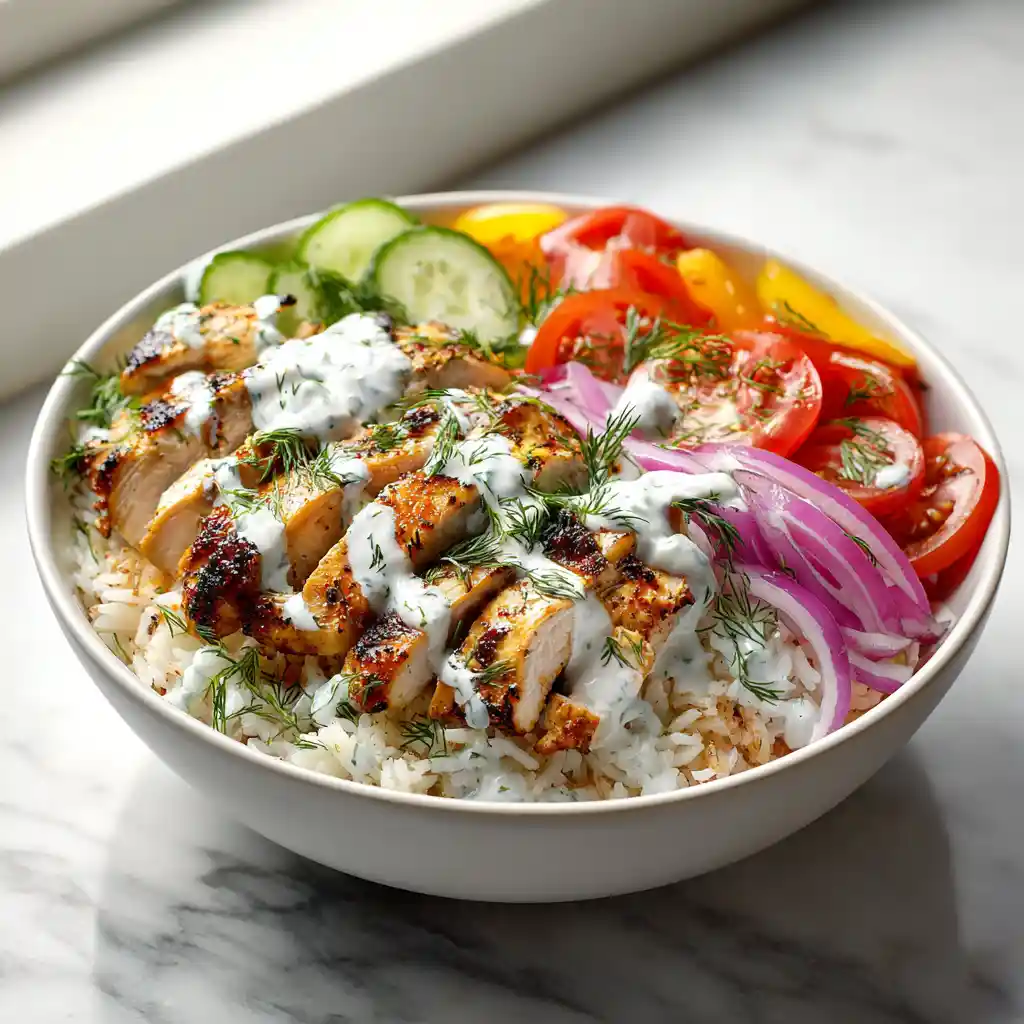
This is where it gets fun! Here’s how we do it in our house:
- Start with your grain base
- Add a handful of fresh lettuce
- Arrange your chopped vegetables
- Top with sliced protein
- Add a generous spoonful of tzatziki sauce
- Sprinkle with fresh herbs (dill or parsley)
- Finish with a drizzle of olive oil and squeeze of lemon
The girls love building their own bowls, and honestly, it’s one less thing I have to do. Everyone’s happy, and there are fewer dinner complaints. Win-win.
Tips for Making the Best Tzatziki Sauce
Since tzatziki is such an important part of these bowls, allow me to share a few more tips I’ve learned over the years:
- Use full-fat Greek yogurt. Yes, you can use lower-fat versions, but the full-fat creates that rich, creamy texture that makes the sauce irresistible.
- Fresh dill is worth it. I keep dried herbs for most things, but for tzatziki, fresh dill really makes a difference. You can find it in most grocery stores, and a little goes a long way.
- Adjust the garlic to your taste. Some people love a lot of garlic; others prefer it milder. Start with one clove and add more if you like.
- Make it ahead. Tzatziki actually tastes better after sitting in the fridge for a few hours or overnight. The flavors blend together beautifully.
Want to get creative? Try adding a pinch of cumin for warmth or some chopped mint along with the dill for a different flavor twist.
Customizing Your Greek Gyro Bowls
One of the best things about these bowls is how easily you can adapt them for different dietary needs and preferences. Here are some variations we love in our house:
Low-Carb and Keto Greek Gyro Bowls
Skip the grains entirely and use extra lettuce or spinach as your base. Add some sliced avocado for healthy fats, and you’ve got a delicious low-carb meal that doesn’t feel restrictive at all.
Vegan and Vegetarian Greek Gyro Bowls
Replace the meat with crispy falafel, roasted chickpeas, or grilled tofu marinated in the same spices. For the tzatziki, use a dairy-free Greek yogurt alternative (there are some excellent ones made from coconut or almonds now).
For more plant-based inspiration, refer to our Vegan Breakfast Recipes collection.
Meal Prep Greek Gyro Bowls for the Week
Cook everything on Sunday, store components separately in containers, and assemble fresh bowls throughout the week. Keep the tzatziki and vegetables separate from the warm components until you’re ready to eat. This keeps everything at the perfect temperature and texture.
What to Serve with Greek Gyro Bowls
While these bowls are pretty complete on their own, sometimes you want a little something extra on the side. Here are our favorite additions:
Warm Pita Bread
Even though we’re doing bowls instead of wraps, warm pita on the side is always welcome. You can tear it into pieces for scooping or just enjoy it alongside the bowl. Brush it with a little olive oil and warm it in the oven for a few minutes—it’s heavenly.
Simple Greek Salad
A traditional Greek salad with tomatoes, cucumbers, red onion, Kalamata olives, and feta cheese dressed with olive oil and lemon juice is the perfect light side. For more salad ideas, try our Fresh Quinoa Salad recipe.
Roasted Vegetables
Roasted zucchini, eggplant, or bell peppers add extra vegetables and that lovely charred flavor that complements the gyro seasoning beautifully.
Hummus and Veggies
A simple platter with hummus and crunchy vegetables gives everyone something to munch on while you’re finishing up the bowls. Plus, it’s a wonderful way to get extra veggies into picky eaters.
Troubleshooting Common Issues
Let me share some of the problems I’ve run into over the years and how to fix them:
The Dry Chicken Problem
If your chicken comes out dry, you’re likely overcooking it. Invest in a meat thermometer (they’re inexpensive and so worth it). Chicken is done at 165°F. Pull it off the heat right when it reaches that temperature, and let it rest. The residual heat will finish the job without drying it out.
Furthermore, using chicken thighs instead of breasts helps tremendously. Thighs are more forgiving and keep you juicier.
The Watery Tzatziki Problem
We talked about this earlier, but it’s worth repeating: squeeze that cucumber! Use a kitchen towel or cheesecloth and really wring it out. You’ll be amazed how much water comes out. This technique is the number one reason tzatziki turns out watery.
The Bland Bowl Problem
If your bowls taste flat, you probably need more acid and salt. A squeeze of fresh lemon juice over the finished bowl can wake everything up. Don’t be shy with the salt in your marinade and when seasoning your grains. And fresh herbs at the end really brighten all the flavors.
The “Everything Falls Apart” Problem
If you’re finding your ingredients are sliding around and the bowl feels messy, start with your grains or greens as a stable base, arrange heavier items (like proteins and vegetables) thoughtfully, and add the sauce in the center or drizzle it strategically. A bowl should look beautiful and be easy to eat.
Frequently Asked Questions
Can I Make Greek Gyro Bowls Ahead of Time?
Absolutely! In fact, we do this every week. Cook your protein and grains, prep your vegetables, and make your tzatziki separately. Store everything in airtight containers in the fridge for up to 4 days. When you’re ready to eat, you can either enjoy it cold (surprisingly delicious) or warm up the protein and grains.
What’s the Best Protein for Greek Gyro Bowls?
Honestly, this comes down to personal preference. Traditional gyro uses lamb, which has that distinctive rich flavor. But in our house, we usually make it with chicken because it’s what we have on hand, and the girls prefer it. Ground beef or turkey also works great, and for our vegetarian friends, falafel is absolutely delicious.
How Do I Store Leftover Tzatziki?
Keep it in an airtight container in the refrigerator for up to 4 days. You might notice some separation—that’s normal. Just give it a proper stir before using. The flavors actually deepen over time, so day-two tzatziki is often even better than fresh.
Can I Freeze Greek Gyro Bowls?
You can freeze the cooked protein and grains, but I don’t recommend freezing the fresh vegetables or tzatziki. They don’t hold up well to freezing and thawing. Instead, freeze the protein and grains in portions, then add fresh vegetables and freshly made tzatziki when you’re ready to eat.
Are Greek Gyro Bowls Gluten-Free?
They can be! Just make sure your grain choice is gluten-free (rice and quinoa both are), use gluten-free seasonings (some spice blends contain wheat), and skip the pita bread or choose a gluten-free version. The tzatziki and vegetables are naturally gluten-free.
For more gluten-free options, refer to our guide on Does Rice Have Gluten for safe grain choices.
Why This Recipe Works for Busy Families
Let me be real with you for a minute. As a mom trying to balance healthy eating with the chaos of real life, I need recipes that work on multiple levels. This recipe fulfills all of my requirements:
It’s flexible. Have you forgotten to thaw the chicken? Use chickpeas. Don’t have fresh dill? Dried dill can serve as an alternative. Hate cucumbers? There are more tomatoes.
It’s scalable. Creating a meal for two is simple. Easy. Are you feeding a crowd? Just double (or triple) everything.
It’s make-ahead friendly. Sunday meal prep means you’ve got lunches or quick dinners sorted for half the week.
It’s nutritionally balanced. Protein, vegetables, whole grains, healthy fats, and dairy (or dairy alternatives) all in one bowl.
Everyone can customize it. This matters so much when you have picky eaters. They can skip what they don’t like and pile on what they love.
The Mayo Clinic emphasizes that sustainable healthy eating is about finding patterns that work for your life, not following restrictive rules. That’s precisely what this recipe offers.
A Final Note from Our Kitchen to Yours
You know what I love most about this recipe? It’s become one of those meals that brings our family together. The girls help with the chopping and assembling, Nicolas taste-tests the tzatziki (he takes this job very seriously), and we all sit down to bowls that look restaurant-worthy but were made with love in our kitchen.
There’s something special about food that nourishes both body and soul. These Greek Gyro Bowls do exactly that. They’re healthy without making you feel like you’re sacrificing anything. They’re delicious without being complicated. And they’re flexible enough to work for wherever you are in your cooking journey.
Whether you’re a seasoned cook or just starting to experiment with new flavors, I hope you’ll give these bowls a try. Start with the basic recipe, then make it your own. That’s what cooking is really about—taking inspiration and turning it into something that works for your family.
And if you try this recipe, I’d love to hear about it! Share your creations with us on Pinterest, Instagram, or Facebook. There’s nothing we love more than seeing how our readers make these recipes their own.
From our kitchen to yours, enjoy cooking!
Nora, Nicolas, and the Dalim Family
Have questions or tips to share? Drop a comment below or email us. We read every single one and love hearing from you!