I served Italian sliders at a birthday party once with nothing but chips on the side. There were just sliders and a bag of Lay’s on the side. People ate the sliders politely and then stood around looking confused, like, “Is that it?” The party felt incomplete, people left early, and I realized too late that sliders need supporting dishes. They’re too rich and heavy to eat alone without something to balance them. That embarrassment taught me side dishes aren’t optional extras—they’re structural requirements for meal success.
Italian sliders work best when paired with dishes that cut richness, add freshness, or provide textural contrast. The bread and cheese are heavy, and the meats are salty and fatty, so you need lighter, brighter, or crunchy elements to make the meal feel complete instead of overwhelming. Get the pairings right, and sliders become the centerpiece of an actual meal instead of just a snack people tolerate. For more Italian cooking, see our Italian meatloaf guide.
Why Italian Slider Pairings Actually Matter
Sliders alone are a one-note experience. Bread, meat, cheese, repeat. After two or three, your mouth feels coated with grease and salt. You need palate cleansers—something acidic, something fresh, something with a different texture.
Think about what happens when you eat pizza. Good pizza places serve salad or garlic knots alongside because you need contrast. The same principle applies to sliders. The sides aren’t decoration—they’re functional components that make the sliders themselves taste better by providing relief between bites.
My chip-only disaster proved this. People wanted sliders but couldn’t keep eating them because there was no variety, no freshness, and nothing to cut through the richness. The meal became exhausting instead of enjoyable.
Best Appetizers for Italian Slider Pairings
Garlic Breadsticks for Italian Slider Pairings
Garlic breadsticks seem like overkill—more bread with bread-based sliders. However, they are effective because they offer a unique type of bread experience. Breadsticks are crispy, garlicky, and meant for dipping. Sliders are soft, savory, and self-contained.
Make them or buy frozen (I buy frozen—no shame). Serve with marinara for dipping. People eat these while waiting for sliders to finish baking, which prevents the “I’m starving and everything takes forever” grumpiness.
Mistake I made: Served breadsticks fresh from the oven at the same time as hot sliders. Everything was too hot to eat; nothing had cooled down enough. Serve breadsticks 10 minutes before sliders come out.
Caprese Salad Skewers with Italian Sliders
Caprese skewers are the perfect appetizer for sliders because they’re the complete opposite—cold, fresh, acidic, and light. Cherry tomato, mozzarella ball, and basil leaf on a toothpick, drizzled with balsamic glaze.
These look fancy but require zero cooking skill. Thread ingredients on toothpicks, arrange on a plate, and drizzle with balsamic reduction (buy it bottled; don’t try making it unless you have time). This task takes 10 minutes and impresses people more than the effort required would suggest.
Pro tip: Don’t add balsamic until right before serving. It makes everything look wet and sad if it sits too long.
Soups and Salads for Italian Slider Pairings
Italian Wedding Soup with Sliders
Italian wedding soup works because it’s light but substantial. Mini meatballs, spinach or escarole, and tiny pasta in chicken broth. Warm and comforting without being heavy.
Make a big batch the day before and reheat when needed. The soup actually improves overnight as flavors blend. Serve in small bowls or cups—people don’t need a full soup course, just a few spoonfuls to break up the slider richness.
For more soup ideas, check out our vegetarian soup collection.
Caesar Salad as Italian Slider Side
Caesar salad is reliable choice because most people like it and it provides necessary crunch. Romaine lettuce, Parmesan, croutons, and creamy dressing. Nothing revolutionary, but it works.
Common mistakes: overdressing (makes lettuce soggy), adding dressing too early (same problem), using iceberg lettuce instead of romaine (wrong texture). Dress salad right before serving; use tongs to toss so every leaf gets a light coating instead of dressing pooling at the bottom.
Skip the anchovies if serving a mixed crowd—they are a divisive ingredient that some people hate. Regular Caesar without anchovies still tastes delicious.
Side Dishes for Italian Slider Pairings
Roasted Vegetables with Italian Sliders
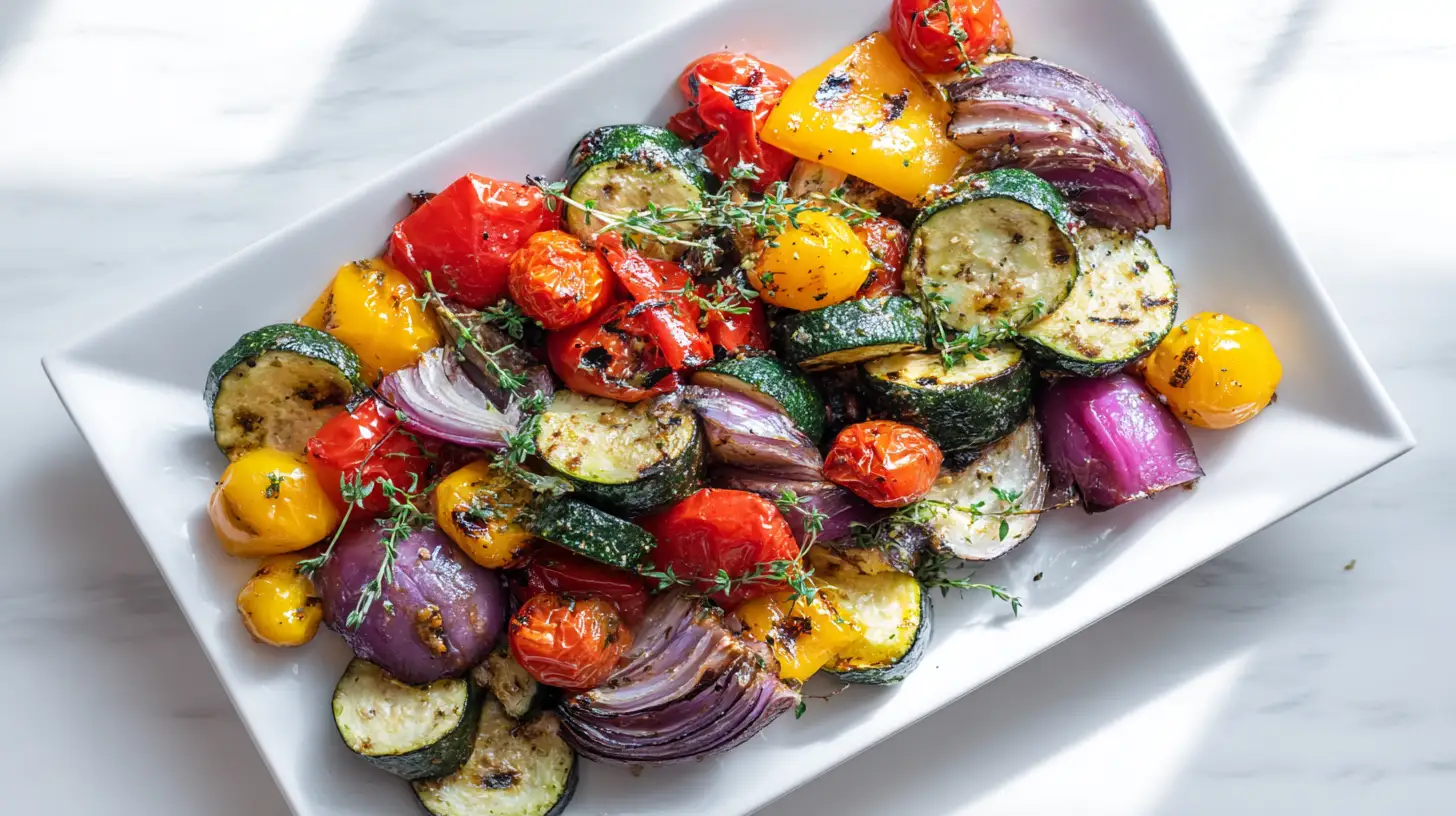
Roasted vegetables provide the textural contrast sliders need. Zucchini, bell peppers, cherry tomatoes, and red onion—cut into chunks, tossed with olive oil and Italian seasoning, and roasted at 425°F for 25-30 minutes until caramelized.
The key to achieving this is using high heat and avoiding overcrowding the pan. Too many vegetables crowded together steam instead of roasting. Use two pans if necessary. You want browned, slightly crispy edges—that’s where flavor comes from.
My method: Cut everything the same size so it cooks evenly. Put harder vegetables (onions, peppers) on the pan first, and add softer ones (zucchini, tomatoes) halfway through cooking. Otherwise zucchini turns to mush while peppers are still raw.
Parmesan Fries as Italian Slider Accompaniment
Fries with sliders feels redundant but works when you elevate them. Regular fries are boring. Parmesan fries with garlic and herbs are different enough to feel special.
Use frozen fries (again, no shame—homemade fries are too much work for a party). Bake according to the package, then immediately toss hot fries with grated Parmesan, garlic powder, dried parsley, and salt. The heat melts cheese slightly and makes it stick.
Serve with garlic aioli for dipping. Mix mayo with minced garlic, lemon juice, and a pinch of salt. It takes 2 minutes, and it tastes way better than plain ketchup.
Pasta Salad for Italian Slider Sides
Pasta salad works for crowds because it’s make-ahead, serves many people, and provides carbs beyond the slider buns. Use rotini or penne (shapes that hold dressing), and add diced salami, cubed mozzarella, cherry tomatoes, olives, and pepperoncini.
Dress with Italian vinaigrette (bottled is fine, or make with olive oil, red wine vinegar, Italian herbs, garlic, salt, and pepper). Make it several hours ahead or the night before—pasta salad improves as it sits and absorbs dressing.
Critical detail: Slightly undercook pasta (1-2 minutes less than package says). It continues absorbing liquid from the dressing and will soften to the perfect texture by serving time. Fully cooked pasta becomes mushy after sitting in dressing.
Pasta and Grain Dishes for Italian Sliders
Parmesan Risotto with Italian Sliders
Risotto with sliders sounds excessive but works for a sit-down dinner (as opposed to a casual party). Creamy, rich, and luxurious—turns sliders into an elegant meal instead of casual food.
Make basic Parmesan risotto: sauté onion, add Arborio rice, gradually add hot broth while stirring constantly, and finish with butter and Parmesan. Takes 30-40 minutes of active stirring. Not difficult but requires attention.
Serve risotto on plates with sliders on top or alongside. The creaminess contrasts with crispy slider edges nicely.
Penne Arrabbiata as Spicy Italian Slider Side
Arrabbiata (angry pasta) is spicy tomato sauce with garlic and red pepper flakes. Works as a side if you want heat that the sliders themselves might lack.
Cook penne, and make a quick sauce with canned crushed tomatoes, garlic, olive oil, and red pepper flakes. Simmer 15 minutes. Toss with pasta. Done.
Adjust heat level: Start with 1/4 teaspoon red pepper flakes, taste, and add more if needed. It’s easier to add heat than remove it. Some people can’t handle spicy food at all.
Italian Couscous Salad with Sliders
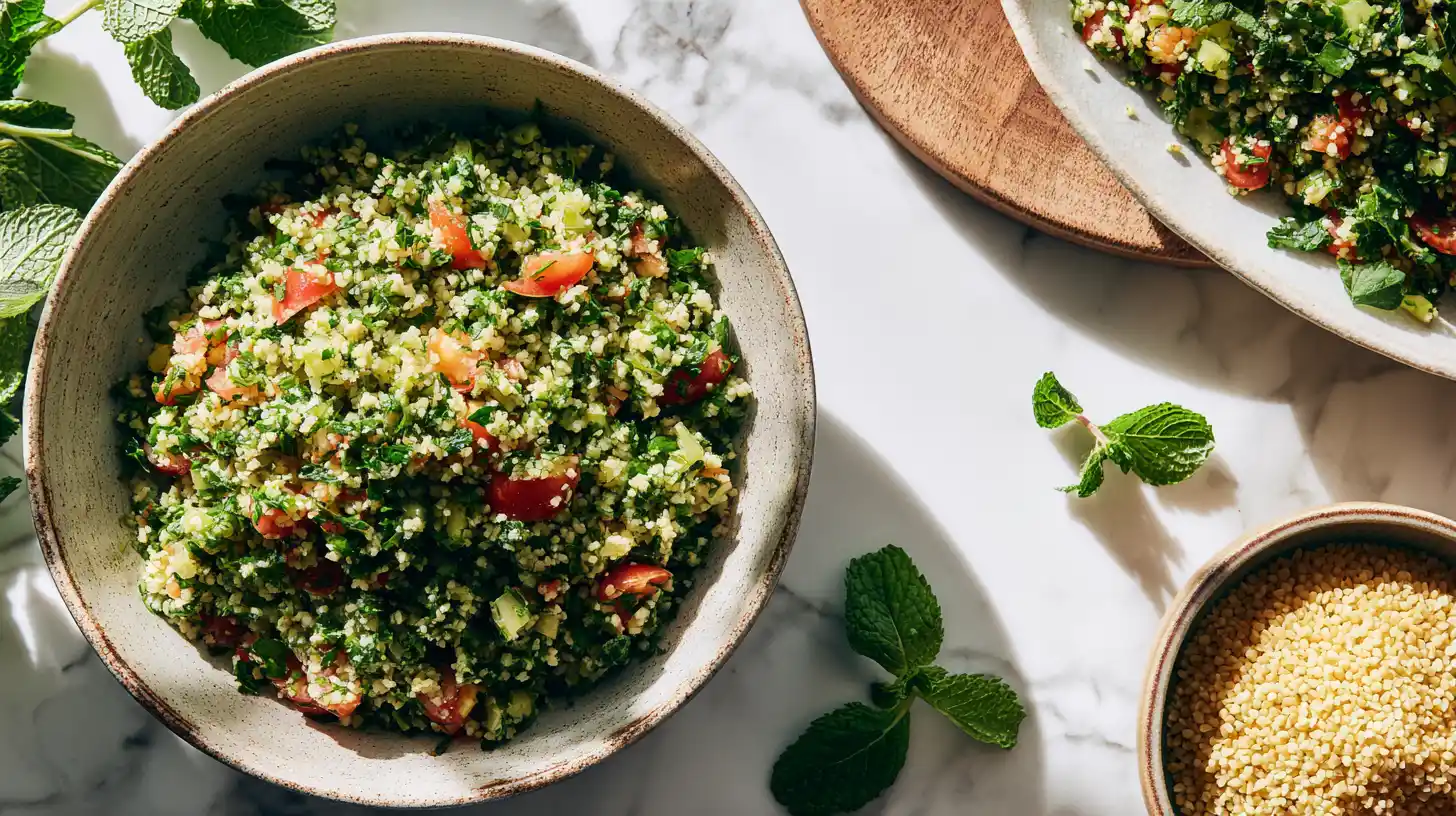
Pearl couscous (Israeli couscous) makes a tasty light side. It’s technically pasta but feels more like grain. Cherry tomatoes, cucumber, olives, feta, and lemon vinaigrette.
Cook couscous in salted water, drain, and cool completely. Mix with chopped vegetables and dressing. Refreshing, slightly chewy texture, doesn’t compete with sliders for attention.
Sauces and Dips for Italian Slider Pairings
Marinara Sauce for Italian Sliders
Marinara is an obvious choice but necessary. Some people want extra sauce for dipping sliders or breadsticks. Warm it and serve it in a small bowl with a ladle.
Buy decent jarred sauce (Rao’s is good, expensive but worth it) or make a simple version: sauté garlic in olive oil, add canned crushed tomatoes, salt, and dried basil, and simmer for 20 minutes. Both work fine.
Pesto Aioli for Italian Sliders
Mix jarred pesto with mayo (ratio 1:3, one part pesto to three parts mayo). Creamy, garlicky, herbaceous. Good for dipping fries, spreading on extra slider buns, or just eating with vegetables.
Garlic Butter for Italian Sliders
Melt butter, and add minced garlic, red pepper flakes, and chopped parsley. Brush on breadsticks or serve as a dip for crusty bread. Simple, but people love it.
Desserts for Italian Slider Meals
Tiramisu After Italian Sliders
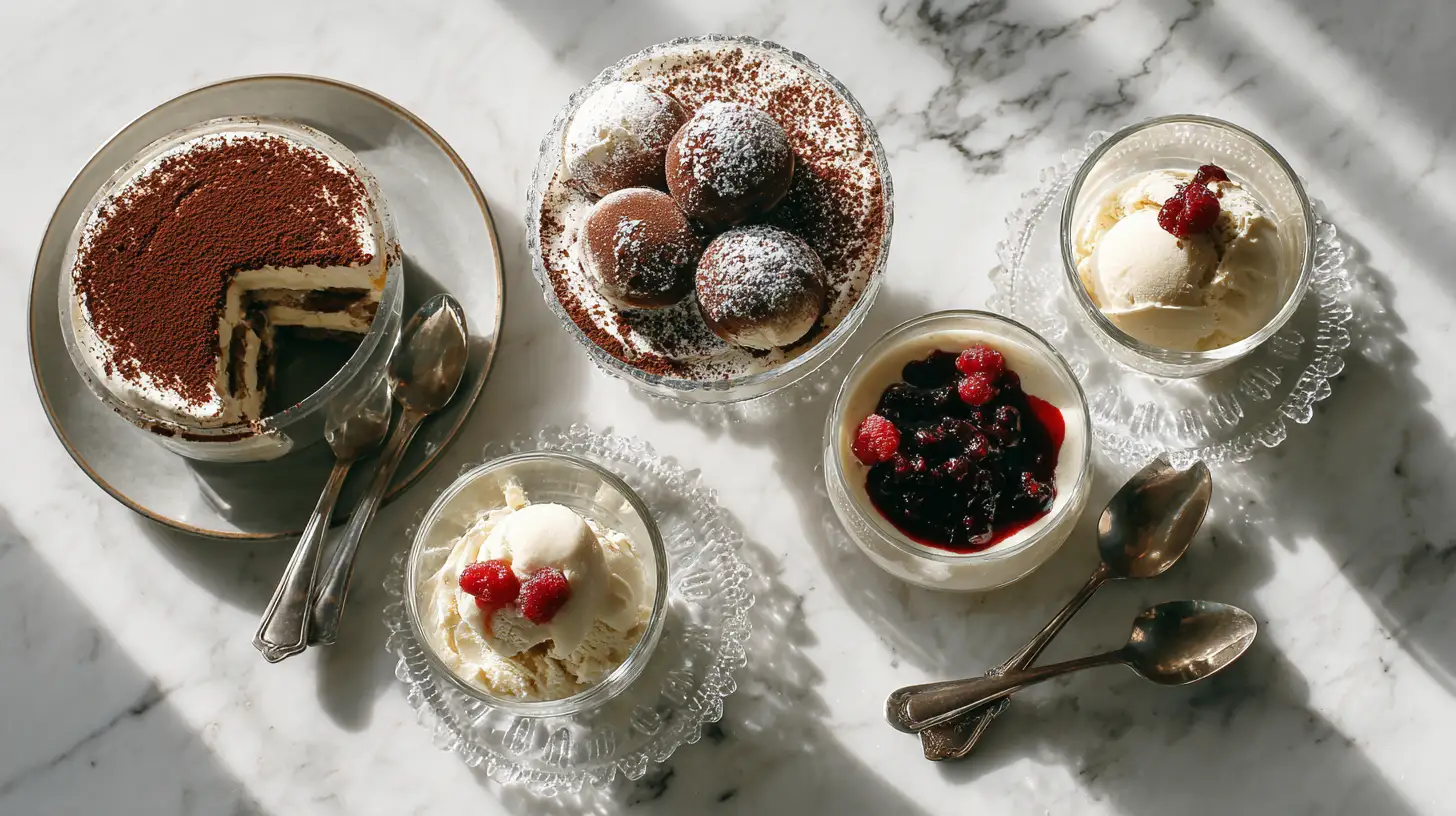
Tiramisu is a classic Italian dessert that works after a heavy meal because it’s light despite being rich. Espresso-soaked ladyfingers, mascarpone cream, and cocoa powder. Cold, creamy, and coffee-flavored.
Make the day before—it needs several hours to set and flavors to meld. This dish serves many people from a single pan. Traditional ending to an Italian meal.
Gelato with Italian Sliders
Buy high quality gelato (not regular ice cream—different texture, more intense flavor, less air). Serve small scoops—after sliders and sides, people don’t need huge dessert portions. The cold, creamy sweetness cleanses the palate after a savory meal.
Serve small scoops—after sliders and sides, people don’t need huge dessert portions. Panna cotta (cooked cream) is an elegant, simple dessert.
Panna Cotta for Italian Slider Dinners
Panna cotta (cooked cream) is an elegant, simple dessert. Sweetened cream set with gelatin, topped with berry compote or caramel sauce. Silky smooth, lightly sweet, not too heavy.
Prepare the dessert in individual ramekins or glasses the day before. Easy to portion, looks fancy, and requires no last-minute work. For more dessert ideas, see our brookie recipe.
Drinks for Italian Slider Pairings
Italian Sodas with Sliders
Italian sodas are a festive, refreshing, alcohol-free option everyone can drink. Club soda with flavored syrup (blood orange, lemon, or raspberry) and a splash of cream if desired.
Serve over ice in tall glasses. Looks elegant, tastes delicious, and kids and adults both like them. Way more intriguing than plain soda.
Sparkling Grape Juice for Italian Sliders
Sparkling grape juice (white or red) in wine glasses makes a meal feel special without alcohol. Chilled, bubbly, slightly sweet. This is good for celebrations or when you want an elegant presentation.
Martinelli’s makes good-quality sparkling juice that actually tastes like grapes instead of sugar water. Worth spending an extra dollar or two.
Fresh Lemonade with Italian Sliders
Fresh lemonade cuts through rich, salty slider flavors perfectly. Made with fresh lemon juice, sugar, water, and fresh herbs (basil or mint). Tart, refreshing, and palate-cleansing.
Prepare the pitcher in advance and serve the drink over ice. Add berries or cucumber slices for visual interest. Simple but effective.
Italian-Style Iced Tea
Brew strong black tea, sweeten lightly, and add lemon slices and fresh mint. Serve over ice. Less sweet than Southern sweet tea, more refreshing than plain water.
Common Problems with Italian Slider Pairings
Everything Too Rich Problem
Problem: Sliders, creamy pasta, cheese-heavy sides—the meal feels like eating blocks of grease.
Fix: Add acid and freshness. Include salad with vinegar-based dressing, pickled vegetables, or citrus-based sides. Raw vegetables with dip. Anything bright and tangy would cut richness.
Dietary Restrictions Issue
Problem: Someone’s gluten-free, someone’s vegetarian, and someone’s low-carb. It’s impossible to please everyone.
Fix: Make sides that naturally accommodate restrictions. Roasted vegetables (everyone can eat). Salad without croutons (add them on the side for people who want them). Gluten-free slider buns for those who need them. Don’t try making completely separate meals—focus on flexible options.
Timing Everything Problem
Problem: Sliders come out of the oven, the sides are cold, the salad is wilted, and nothing’s ready at the same time.
Fix: Work backwards from serving time. Cold sides first (pasta salad, regular salad in fridge). Hot sides 20 minutes before serving (roasted vegetables can sit at room temperature). Sliders last 15-20 minutes baking. Have appetizers and drinks ready when guests arrive so they have something while waiting.
Italian Slider Pairing Questions
What slider variations work best for pairings?
Classic Italian (salami, ham, and provolone) pairs with most sides. Chicken Parmesan sliders work with lighter sides (salad, roasted vegetables). Caprese sliders (tomato, mozzarella, and basil) need heartier sides since they’re lighter themselves. Match slider weight to side weight—heavy sliders need light sides, and light sliders can handle heavier sides.
Can you make everything ahead?
Most, yes. Assemble sliders, refrigerate, and bake when needed. Make pasta salad the night before. Prep vegetables for roasting; roast day-of. Make soup the day before and reheat it. Desserts like tiramisu are better made ahead. Only last-minute items: final salad assembly (don’t dress until serving), baking sliders, reheating soup.
What drinks work for casual dinners?
Italian sodas, sparkling juices, fresh lemonade, and iced tea are suitable options for casual dinners. All work for mixed groups, including kids and non-drinkers. Simple, refreshing, and not too sweet. Serve cold with ice; it looks lovely in clear glasses or pitchers.
How to handle dietary restrictions?
Ask ahead what restrictions exist. Provide gluten-free buns as an option. Make a vegetarian slider variation. Focus sides on vegetables, salads, and options that naturally fit multiple diets. Label dishes if helpful (“contains gluten,” “vegetarian,” etc.). Don’t stress about perfect accommodation—do a reasonable best effort.
How much of each side per person?
Plan 2-3 sliders per person as main. Then 1-2 sides (1/2 cup each). One appetizer option. One dessert. People eat less of each thing when variety exists. Better to have slight leftovers than run out. Cold sides store well, hot sides reheat okay, extra sliders freeze.
Final Reality on Italian Slider Pairings
Italian sliders need supporting dishes to become an actual meal instead of a heavy snack. The richness of bread, meat, and cheese requires balance from fresh, acidic, or crunchy elements. My chip-only party disaster proved sides aren’t optional decoration—they’re a functional requirement.
Start with basics: salad for freshness, roasted vegetables for contrast, and breadsticks for a different bread experience. Add pasta salad if feeding a crowd. Include simple desserts (gelato, tiramisu, and panna cotta) and refreshing drinks (Italian sodas, lemonade, and sparkling juice).
Don’t overthink it. Three good sides beat six mediocre ones. Make what you can ahead of time, keep hot items to finish together, and focus on a variety of textures and temperatures. Get this right, and sliders become the centerpiece of a complete, satisfying meal people actually enjoy eating. For more pairing ideas, check out our complete recipe collection.