The Ultimate Guide to Perfecting Your Corn Chowder Recipe
So here’s the thing about corn chowder—it’s one of those recipes that sounds complicated but really isn’t. You get this creamy, hearty soup that tastes like you spent hours on it, when really it’s just corn, potatoes, and a few other basics doing their thing. Perfect for when it’s cold out, or honestly, any time you want something that feels like a warm blanket in a bowl.
In this guide, we’ll break down where this dish comes from, what actually makes it good, and how to nail it without overthinking. Along the way, I’ll point out the mistakes people make (so you don’t have to), ways to make it your own, and what to serve it with. Let’s get into it.
Introduction to the Corn Chowder Recipe
What is corn chowder?
At its core, corn chowder is a thick, creamy soup made with sweet corn, potatoes, and usually some dairy for that rich texture. Unlike regular soups that are thinner, chowders are meant to be hearty and filling—the kind of meal that actually sticks with you.
Most versions throw in smoky bacon, onions, and herbs, which all meld together into this bowl of comfort. It’s big in American cooking, especially in New England, but the cool thing is you can tweak it however you want. Vegan? A Brief History of Corn Chowder There’s a version for you.
A Brief History of Corn Chowder Recipes
Chowder itself traces back to French and English settlers who brought the idea to America. But corn chowder became its own thing in New England, where corn was everywhere and cheap. Initially, it served as a cost-effective method to stretch ingredients and provide a meal for a family. Now? It is simply a beloved classic that people enjoy making because it tastes incredible.
Why This Corn Chowder Recipe Stands Out
This isn’t just another corn chowder recipe—it’s about making something memorable. We’ll walk through getting that perfect creamy texture, layering flavors so nothing tastes flat, and giving you the confidence to customize it. By the end, you’ll be a chowder pro.
Essential Ingredients for a Perfect Corn Chowder Recipe
Fresh Corn vs. Canned Corn: What to Choose?
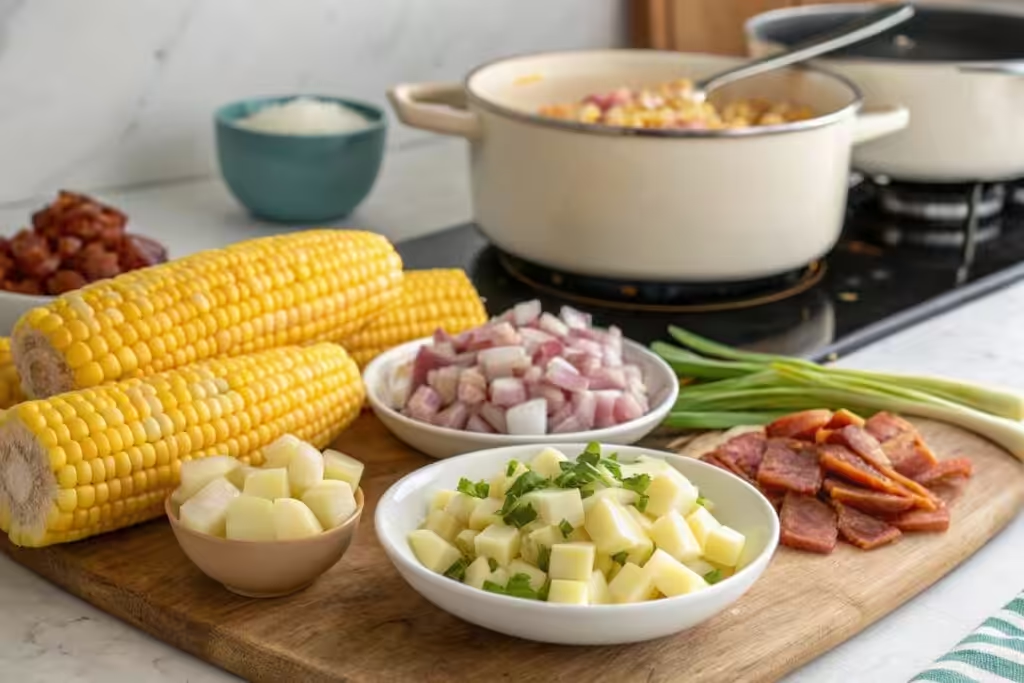
Okay, so fresh corn in summer is unbeatable. It’s sweet, it’s crisp, and it makes your corn chowder recipe taste like you really tried. But let’s be real—canned or frozen corn works just fine when fresh isn’t available. Frozen especially keeps most of the flavor and texture. Just use what you’ve got and don’t stress about it.
The Role of Potatoes in Corn Chowder Recipes
Potatoes are what make chowder, well, chowder. They bulk it up and help thicken the soup naturally as they break down. Yukon Golds are great because they’re creamy. Russets work too. Just dice them evenly so they cook at the same rate and you get consistent bites in every spoonful.
Enhancing Flavor with Cream, Bacon, and Spices
The creaminess in corn chowder recipes usually comes from milk, heavy cream, or half-and-half. Bacon brings that smoky punch that balances the corn’s sweetness perfectly. Don’t skip the spices either—thyme, garlic powder, a little smoked paprika… they all add layers. Going vegetarian? Coconut milk or cashew cream works surprisingly well for that same rich texture.
Want more veggie-friendly ideas? Check out Vegetarian Soup Ideas for inspiration.
Step-by-Step Corn Chowder Recipe
Prepare the Ingredients
Before you start cooking, get everything ready. You’ll need sweet corn (fresh, frozen, or canned), diced potatoes, onion, garlic, milk or cream, and your seasonings. Do you have bacon? Great. Want to keep it plant-based? Consider omitting it and using smoked paprika instead. Having everything prepped makes the actual cooking way smoother.
Cooking Techniques for a Creamy Corn Chowder Recipe
Start by sautéing diced onions and garlic in a big pot with butter or bacon grease. Once they smell wonderful, toss in your potatoes and corn, stirring occasionally. Pour in chicken or vegetable broth and bring it to a gentle boil. This step softens the potatoes and lets all the flavors get to know each other. Want more inspiration? Our best soup veggies guide covers what to add.
When the potatoes are tender (fork-tender, not mushy), stir in your milk or cream and lower the heat. You should avoid letting it boil now, as this could cause the dairy to curdle. Let it simmer gently to thicken up. For extra creaminess, blend a cup or two of the soup and stir it back in.
Timing Tips: From Sautéing to Simmering
Timing matters with corn chowder recipes. Let your onions caramelize a bit for sweetness—that takes about 5 minutes. Simmer the potatoes until they’re just tender, around 15-20 minutes. Add your cream at the end to keep it smooth and silky. Stir occasionally so nothing sticks to the bottom of the pot.
Variations and Add-Ons to Customize Your Corn Chowder Recipe
Vegetarian and Vegan Corn Chowder Recipe Options
Making a corn chowder recipe vegetarian or vegan is easier than you think. Ditch the bacon and use smoked paprika or liquid smoke for that smoky vibe. Swap cream for coconut milk or cashew cream—both give you that luscious texture. Use vegetable broth instead of chicken stock. Throw in extra veggies like bell peppers or zucchini, and you’ve got a wholesome, veggie-packed meal.
Adding Seafood for a Gourmet Twist
Love seafood? Adding shrimp, crab, or clams takes your corn chowder recipe to the next level. The natural sweetness of seafood plays really well with the corn. Just add it towards the end so it doesn’t overcook—shrimp gets rubbery fast. For even more flavor, use seafood stock as your base instead of regular broth.
Seasonal Variations: Summer Corn vs. Winter Comfort
Corn chowder works year-round. In summer, fresh corn cut straight from the cob adds this burst of sweetness and crunch. Toss in fresh basil or cilantro for a lighter feel. In winter, frozen or canned corn does the job perfectly, giving you that cozy, hearty bowl you’re craving. Add nutmeg or chili flakes to amp up the warmth.
For more seasonal comfort food, explore Red Pepper Gouda Soup Recipes to find your next favorite!
Common Mistakes to Avoid When Making Corn Chowder Recipe
Why Does My Corn Chowder Recipe Taste Bland?
Bland corn chowder almost always means you didn’t season enough. Salt brings out the corn’s sweetness. Pepper adds depth. Fresh or dried herbs like thyme and parsley brighten everything up. Spices like smoked paprika or cayenne add complexity. Taste as you go and adjust. Don’t be shy with the seasoning.
How to Prevent a Watery Texture
Thin, watery chowder is a bummer. To avoid this, use starchy potatoes like Russets—they thicken the soup naturally. If it’s still too thin, make a quick cornstarch slurry (mix cornstarch with cold water) and stir it in. Or just blend part of the chowder and mix it back in for that velvety texture everyone loves.
Achieving the Perfect Balance of Flavors
The secret to a great corn chowder recipe is balancing sweet, savory, and smoky. A pinch of sugar can boost the corn’s natural sweetness. A splash of lemon juice or vinegar brightens everything. Layer your flavors gradually, tasting as you go, until you find the perfect balance.
The Science of Chowder: How to Thicken a Corn Chowder Recipe
Using Flour or Cornstarch for Thickening
Want to thicken your corn chowder recipe? Mix equal parts flour or cornstarch with cold water until smooth, then slowly stir it into the simmering chowder. This creates a creamy texture without messing with the flavor. Going gluten-free? Use cornstarch. Just add it gradually so you don’t accidentally make it too thick.
Pureeing for a Creamier Consistency
For a more natural approach, puree part of your chowder. Scoop out a cup or two, blend it until smooth, then stir it back in. You’ll get this rich, velvety texture without needing extra ingredients. This approach works especially well if you’re using starchy potatoes or fresh corn—their natural starches do the work for you.
The Role of Dairy in Texture
Adding cream, half-and-half, or milk at the end gives your corn chowder recipe that luxurious finish. Heavy cream makes it extra indulgent. Want something lighter? Stick with regular milk or evaporated milk. Just remember to lower the heat before adding dairy—high heat can make it curdle, and nobody wants that.
Serving Suggestions and Pairings for Corn Chowder Recipe
The Best Sides to Serve with Corn Chowder Recipe
A bowl of corn chowder is great on its own, but the right sides make it even better. Warm, crusty bread for dipping is essential. Or try buttery biscuits for a Southern twist. Want something lighter? A crisp green salad with tangy vinaigrette cuts through the richness perfectly.
Wine and Beverage Pairings
For drinks, a light white wine like Sauvignon Blanc or Pinot Grigio pairs beautifully with the creamy, slightly sweet flavors of corn chowder. Not drinking? Sparkling water with citrus or a refreshing iced tea works great. They cut through the creaminess and keep everything balanced.
Garnish Ideas for Presentation
Make your corn chowder recipe look as good as it tastes. Crumbled bacon, chopped chives, or a sprinkle of smoked paprika add flavor and visual appeal. Want something fresh? Top it with parsley or cilantro. Feeling fancy? A drizzle of cream swirled on top adds that elegant touch.

FAQs About Corn Chowder Recipe
Why does my corn chowder taste bland?
If your corn chowder tastes bland, you probably didn’t season it enough. Salt brings out the corn’s natural sweetness, while spices like black pepper, smoked paprika, or cayenne add depth. Fresh herbs like thyme or parsley brighten everything up. Taste as you cook and adjust gradually. A splash of lemon juice near the end can also add a subtle tang that makes everything pop.
What is the difference between soup and chowder?
Soups and chowders are both liquid-based, but chowders are way thicker and heartier. Chowders, including classic corn chowder recipes, usually have cream, milk, or potatoes to create that rich, velvety texture. Soups can be anything from light broths to pureed vegetables. Think of chowder as a cozy hug compared to soup’s lighter embrace.
Why is it called corn chowder?
The word “chowder” comes from the French “chaudière,” which was the pot fishermen used to cook hearty stews. Over time, regional variations popped up, and corn chowder became huge in the United States. Corn, potatoes, and cream were cheap and accessible, making this dish a staple in tons of households.
How do you thicken a corn chowder recipe?
There are a few ways to thicken corn chowder. You can use a flour or cornstarch slurry, puree part of the soup, or rely on starchy potatoes for natural thickening. Adding cream or heavy dairy near the end also helps create that luxurious texture. Each method gives you a thick, satisfying chowder without overwhelming the flavors.
Final Thoughts and Pro Tips for Corn Chowder Recipe
Key Takeaways for a Perfect Corn Chowder Recipe
Mastering corn chowder comes down to balancing flavors and nailing the texture. Start with quality corn (fresh if you can, but frozen or canned works), layer your flavors with spices and herbs, and use thickening tricks like pureeing or adding a starch slurry. Taste and adjust as you go—every little tweak makes a difference.
Experimenting with Regional and Cultural Variations
Corn chowder’s super versatile and open to creative spins. Try regional ingredients like smoked sausage in the South or seafood along the coast. Experiment with global flavors—curry spices or coconut milk can give it an exotic twist. The possibilities are endless, and every experiment helps you discover your signature version.
With these tips and variations, your corn chowder recipe will become a go-to favorite, perfect for sharing with friends and family on any occasion!
Corn Chowder
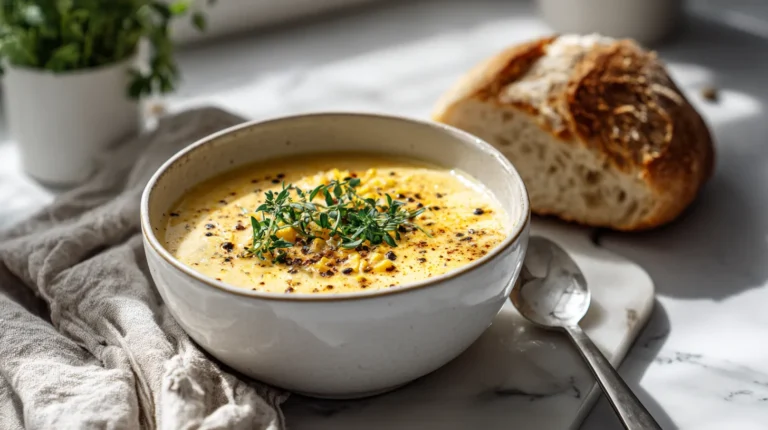
This corn chowder is a thick, creamy, comforting soup of sweet corn, tender potatoes, and a smoky, herby base. The potatoes thicken it naturally, a splash of cream makes it luxurious, and it comes together in about 40 minutes — easy enough for a weeknight, cozy enough for a cold day.
Ingredients
- 4 cups corn (fresh, frozen, or canned (~4 ears or two 15 oz cans))
- 4 slices turkey or beef bacon (chopped, optional)
- 2 tbsp butter (or bacon grease)
- 1 onion (diced)
- 3 cloves garlic (minced)
- 4 medium potatoes (Yukon Gold or russet, diced)
- 4 cups chicken or vegetable broth
- 1 cup milk, half-and-half, or heavy cream
- 1 tsp dried thyme
- 1/2 tsp smoked paprika
- salt and pepper (to taste)
- chives or parsley (for garnish)
Instructions
- If using bacon, cook the chopped turkey or beef bacon in a big pot until crisp, then remove and set aside (leave a little fat, or use butter).
- Sauté the diced onion and garlic in the butter (or bacon fat) until soft and fragrant, about 5 minutes.
- Add the potatoes and corn, stir, then pour in the broth. Bring to a gentle boil and simmer 15-20 minutes until the potatoes are fork-tender.
- For a creamier chowder, blend 1-2 cups of the soup and stir it back in (or mash some of the potatoes against the side of the pot).
- Lower the heat and stir in the milk or cream, the thyme, and the smoked paprika. Simmer gently without boiling (so the dairy doesn't curdle) until thickened. Season with salt and pepper.
- Serve garnished with the reserved bacon, chives or parsley, and a sprinkle of smoked paprika.
Notes
Season generously — salt brings out the corn's natural sweetness.
Thicken it by blending part of the soup, using starchy potatoes, or stirring in a cornstarch slurry.
Add the dairy at the end over low heat so it doesn't curdle, and a small splash of lemon juice brightens everything.
Variations: vegetarian/vegan (omit the bacon and use smoked paprika or liquid smoke, swap cream for coconut milk or cashew cream, and use vegetable broth), or a seafood twist (add shrimp, crab, or clams near the end).