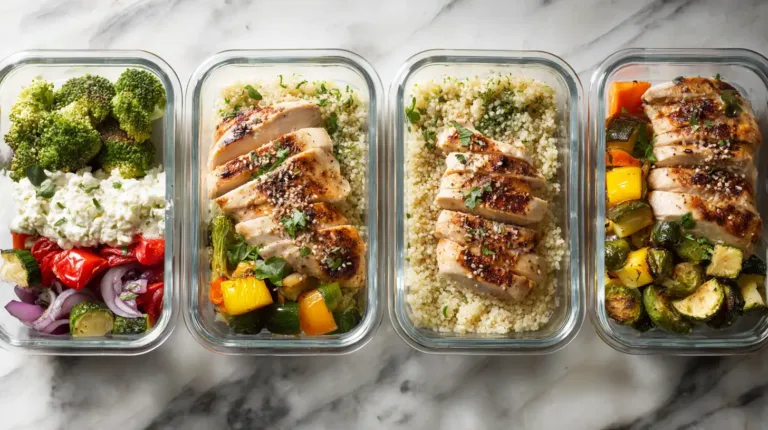
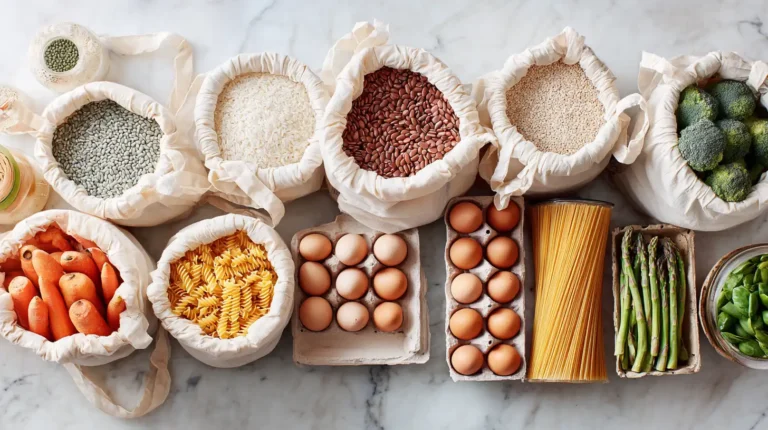
MEAL PREP FOR BEGINNERS: THE COMPLETE GUIDE TO GETTING STARTED
I used to stand in my kitchen every single night at 5 PM, staring into an almost-empty fridge, wondering what on earth I was going to feed my kids. Again. The exhaustion was real. The guilt was heavy. And the constant scramble to throw together something—anything—edible was wearing me down.
Then I discovered meal prep. Not the Instagram-perfect version with color-coded containers and professionally photographed bowls. Real, messy, actually-doable meal prep that works for single parents who are juggling work, kids, homework, and everything else life throws at us.
Meal prep changed my weeknights from chaotic disasters into manageable evenings where dinner was already handled. No more panic. No more guilt. No more standing in the kitchen at 7 PM with two hungry kids and zero plan.
If you’re new to meal prep and feel overwhelmed by where to start, this guide is for you. I’ll walk you through exactly how to begin, what you actually need, and the simple strategies that work for real families with real schedules.
What Is Meal Prep, Really?
Meal prep means preparing meals or meal components ahead of time so you’re not making desperate decisions every single night. That’s it. It’s not complicated, and it doesn’t require fancy equipment or culinary school skills.
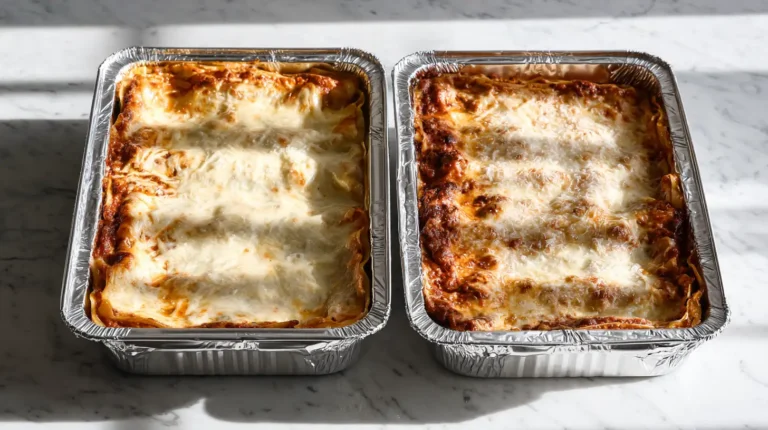
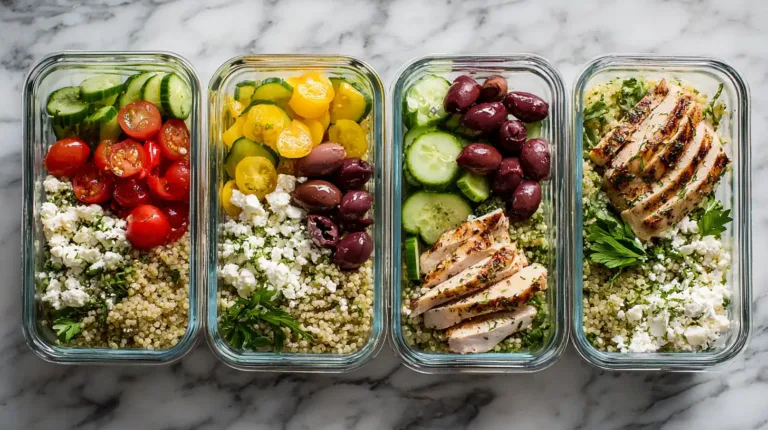
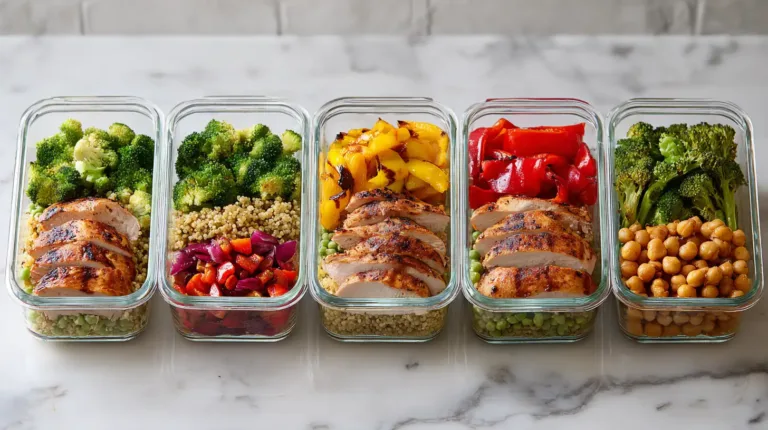
Some people cook complete meals on Sunday and divide them into containers for the week. Others prep ingredients separately so assembly during the week is quick. Some focus on freezer meals they can pull out anytime. There’s no single “correct” way—only what works for your schedule and your family’s preferences.
For busy families, especially those of us doing it solo, meal prep isn’t a luxury. It’s survival. It’s the difference between another drive-through dinner you feel guilty about and a real meal you feel good serving.
Why Meal Prep Works for Beginners
When I first started meal prep, I was skeptical. How could spending a few hours on Sunday make my entire week easier? Wouldn’t I get sick of eating the same thing? What if my kids refused to eat “leftovers”?
Here’s what I learned: meal prep works because it removes the hardest part of cooking—decision-making when you’re already exhausted. At 5 PM on a Tuesday, I’m not making good decisions. I’m tired. The kids are hungry and cranky. That’s when drive-throughs happen.
But when I open the fridge and see containers with actual meals already prepared? That Tuesday evening looks completely different. I heat something up, dinner is ready in 10 minutes, and we’re eating real food instead of fast food.
The benefits that actually matter:
- Saves genuine time: Spend 2-3 hours once instead of scrambling for an hour every night
- Reduces stress: No more 5 PM panic about what’s for dinner
- Saves real money: Less food waste, fewer random grocery runs, no emergency takeout
- Healthier eating: Pre-planned meals mean better nutrition without extra effort
- Mental relief: One less decision when your brain is already fried
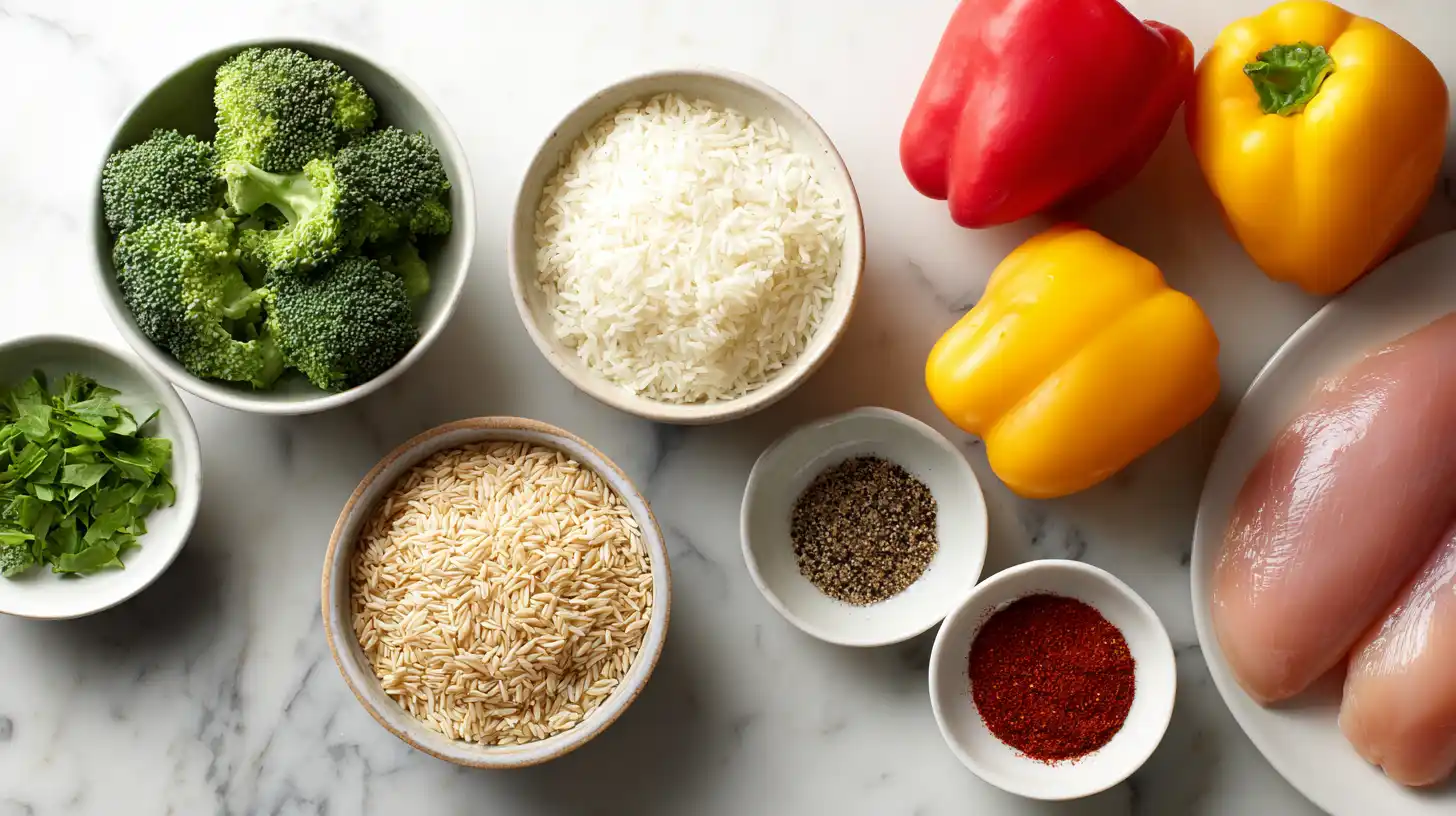
What You Actually Need to Start Meal Prep
Forget the fancy meal prep kits and expensive container systems you see online. You don’t need any of that to start. Here’s what actually matters:
Essential equipment for beginners:
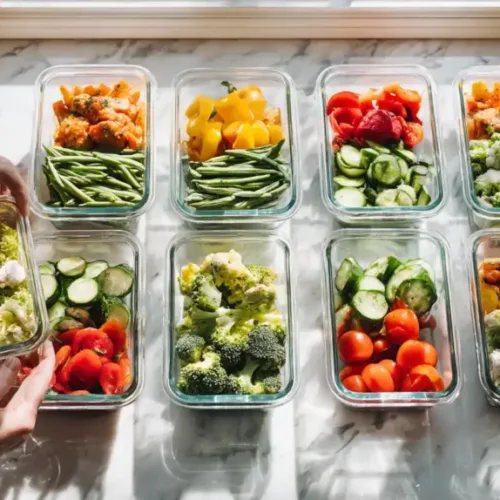
- Storage containers: Start with 8-10 containers in 2-3 sizes. Glass is ideal for reheating; BPA-free plastic works fine for cold storage. You probably already have some.
- Two sheet pans: For roasting multiple items at once
- One large pot: For cooking grains, soups, or pasta in batches
- Sharp knife and cutting board: Makes prep work faster and safer
- Freezer bags: Gallon-size bags for freezer meals if you go that route
- Masking tape and marker: For labeling everything with dates
That’s it. Don’t buy anything fancy until you see what you actually use. I started with mismatched containers I already owned and Ziploc bags. It worked fine.
Your First Meal Prep Session: Simple Step-by-Step
Start small. Don’t try to prep every meal for an entire week your first time. That’s how people burn out and never meal prep again.
Here’s your first session:
Step 1: Pick Three Simple Recipes
Choose three recipes you already know how to make. Don’t experiment with new, complicated dishes your first time. Stick with familiar foods your family actually eats.
Good beginner options:
- Baked chicken breast with roasted vegetables
- Ground turkey taco meat (use for tacos, burrito bowls, quesadillas)
- Simple pasta with marinara sauce
Step 2: Make Your Grocery List
Write down every ingredient needed for all three recipes. Check what you already have. Shop for the rest. Stick to the list—no wandering around adding random items.
Step 3: Shop Saturday or Early Sunday
Don’t try to shop and prep the same day. You’ll be exhausted. Get groceries Saturday or early Sunday morning when stores are less crowded.
Step 4: Prep Sunday Afternoon (2 Hours)
Block out 2 hours Sunday afternoon. Turn on music or a podcast. Make it pleasant, not a chore.
Simple prep order:
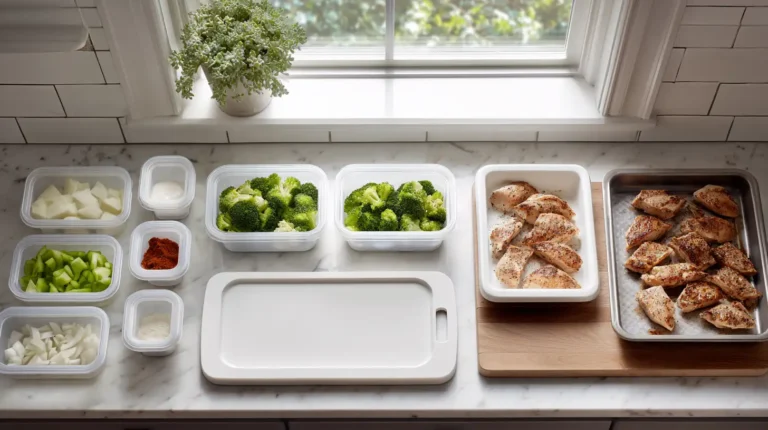
- Start anything that takes longest (like baking chicken)
- While that cooks, chop vegetables
- Cook grains or pasta
- Assemble everything into containers
- Label with name and date
- Store in fridge or freezer
Step 5: Use Throughout the Week
Meals in the fridge last 3-4 days. Eat those first. Meals in the freezer last 2-3 months. Pull it out the night before to thaw in the fridge.
Your first session won’t be perfect. You’ll probably take longer than expected. You might forget something. That’s completely normal. The second time will be easier. The third time, even more so.
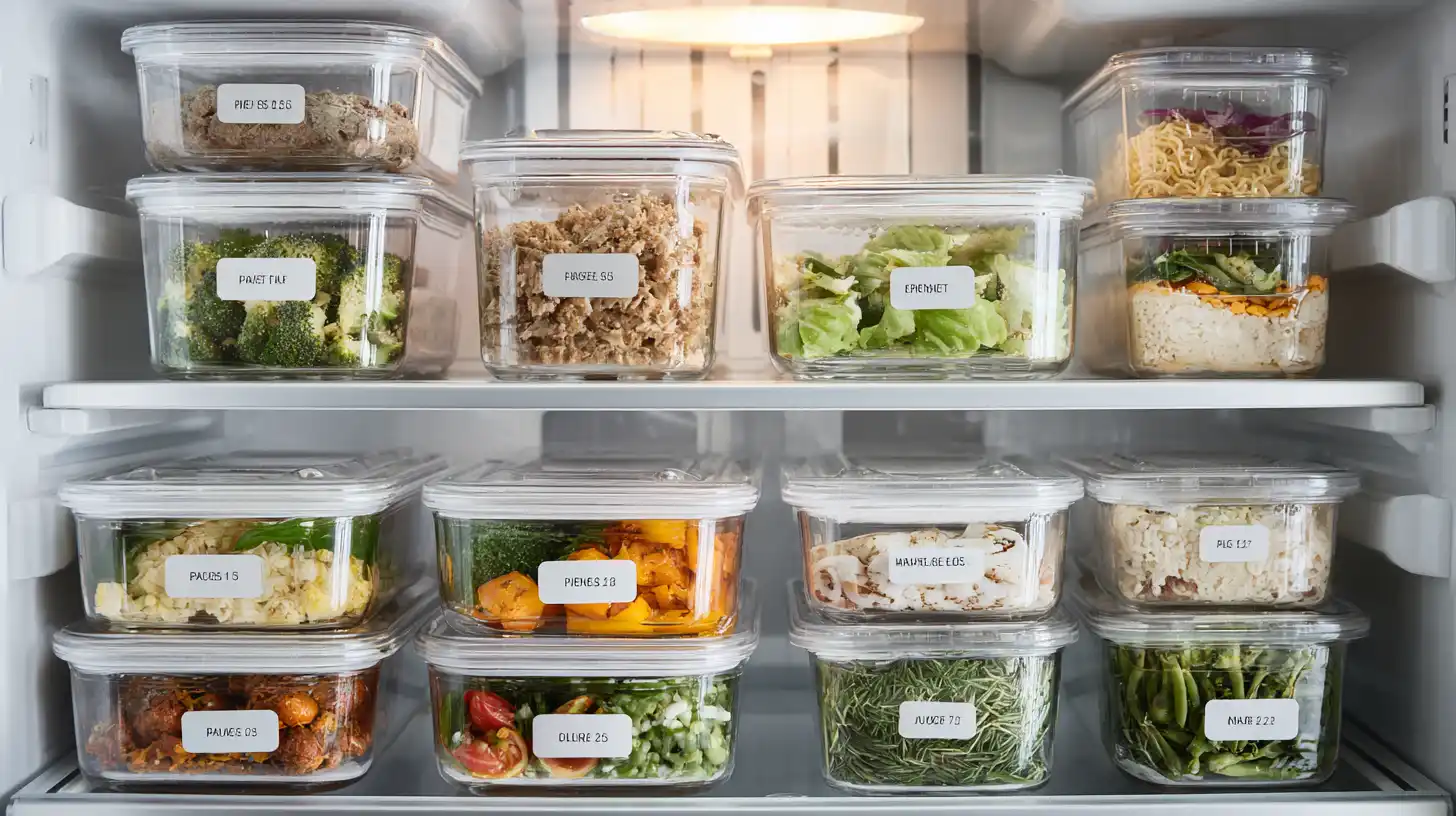
Common Beginner Mistakes (And How to Avoid Them)
I made every single one of these mistakes when I started. Learn from my failures:
Mistake 1: Prepping Too Much
Don’t spend six hours making 14 meals your first time. Start with 3-4 dinners maximum. Build gradually. Sustainability matters more than perfection.
Mistake 2: Choosing Complicated Recipes
Save the fancy recipes for nights you have time and energy. Meal prep should be simple. Baked chicken, roasted vegetables, cooked rice—basic foods that reheat well.
Mistake 3: Not Labeling Anything
Future you will have no idea what’s in that mystery container or when you made it. Label everything with the name and date. Use masking tape if you don’t have fancy labels.
Mistake 4: Trying to Prep Everything in One Day
Don’t exhaust yourself. Split tasks across days if needed. Shop Saturday. Prep vegetables Saturday night. Cook proteins Sunday morning. Assemble meals Sunday afternoon.
Mistake 5: Ignoring Your Family’s Preferences
Don’t use meal prep as an opportunity to introduce seven new foods nobody wants. Start with recipes your family already likes. Save experimentation for fresh-cooked nights.
Simple Beginner Meal Prep Recipes
These three recipes are perfect for first-time meal preppers. They’re simple, they reheat well, and families actually eat them.
Recipe 1: Basic Baked Chicken Breast
Season chicken breasts with salt, pepper, and garlic powder. Bake at 375°F for 25-30 minutes. Use throughout the week in salads, tacos, pasta, or grain bowls.
Recipe 2: Ground Turkey Taco Meat
Brown ground turkey in a large skillet. Add taco seasoning and a bit of water. Simmer until thickened. Use for tacos, burrito bowls, nachos, or quesadillas all week.
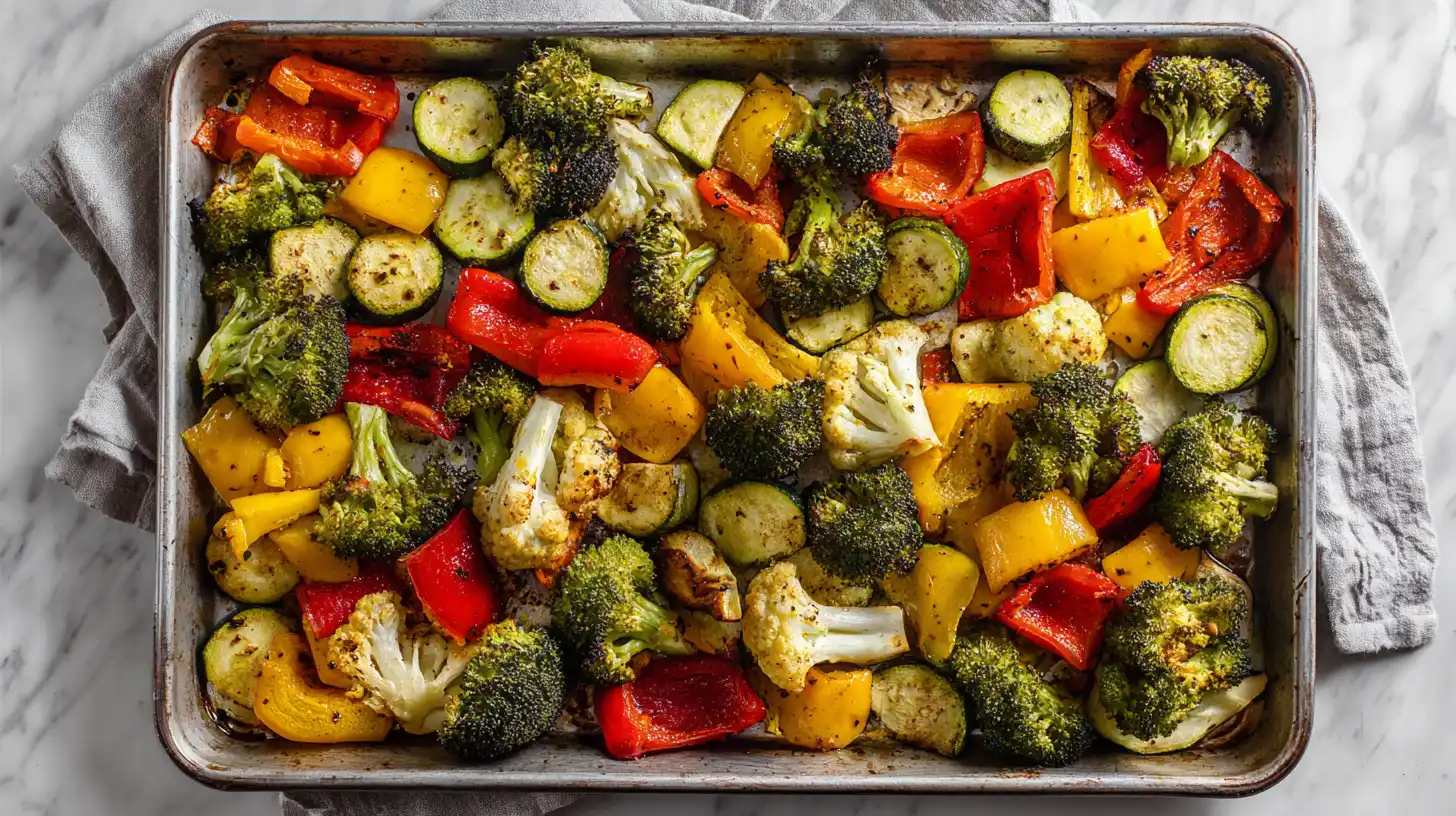
Recipe 3: Sheet Pan Roasted Vegetables
Chop broccoli, bell peppers, and zucchini. Toss with olive oil, salt, and pepper. Roast at 425°F for 20-25 minutes. Serve as sides throughout the week.
These three recipes give you protein, vegetables, and endless combination options for different meals all week without getting bored.
How to Store Meal Prep Properly
Proper storage makes the difference between meal prep that lasts all week and food that goes bad by Wednesday.
Refrigerator storage times:
- Cooked chicken, beef, or turkey: 3-4 days
- Cooked rice or grains: 4-5 days
- Roasted vegetables: 3-4 days
- Assembled meals: 3-4 days
Freezer storage times:
- Cooked meals: 2-3 months
- Soups and stews: 3-4 months
- Cooked proteins: 2-3 months
Critical storage rules:
- Let hot food cool before sealing containers (prevents condensation and sogginess)
- Label everything with name and date
- Store in airtight containers
- Keep sauces separate until eating (prevents sogginess)
- Thaw frozen meals in the fridge overnight, never on the counter
Building Your Meal Prep Routine
Once you’ve done a few successful prep sessions, develop a routine that works for your schedule.
My weekly routine:
Thursday evening: Plan next week’s meals while kids do homework. Look at the calendar, note busy nights, and choose recipes accordingly.
Saturday morning: Grocery shop with a complete list. Get everything needed for the week.
Sunday afternoon (2 hours): Meal prep session. Cook proteins, chop vegetables, and make any freezer meals.
Monday-Friday: Reheat or quickly assemble meals. Spend 15 minutes on dinner instead of 60.
The routine becomes automatic after a few weeks. I don’t even think about it anymore—it’s just what Sunday afternoon looks like.
Tips for Staying Motivated
Meal prep gets easier with practice, but some weeks you won’t feel like doing it. Here’s how I stay motivated:
Make it enjoyable: Put on your favorite music or podcast. Pour yourself something nice to drink. Don’t make it a chore.
Remember why you’re doing this: Think about how much easier Tuesday evening will be when dinner is already done.
Start small when tired: If you’re exhausted, prep just one or two meals instead of your usual four. Something is better than nothing.
Involve kids if helpful: My older daughter helps label containers. My younger one washes vegetables. They’re more invested when they help.
Give yourself grace: Some weeks you won’t meal prep. That’s okay. Do it again next week. One skipped week doesn’t mean you’ve failed.
What to Do When Things Don’t Go as Planned
Real life happens. Sometimes meal prep doesn’t go perfectly, and that’s completely normal.
If you didn’t prep: Order takeout without guilt. Try again next week.
If nobody wants to eat what you prepped, keep backup options like frozen vegetables and pasta for quick pivot meals.
If food went bad: Learn from it. Maybe that recipe doesn’t store well, or maybe you prepped too far in advance.
If you’re bored with the same meals: Rotate new recipes in gradually. Try one new recipe alongside two familiar ones.
Meal prep isn’t about perfection. It’s about making your life a little easier, one week at a time.
Next Steps After Your First Success
Once you’ve successfully prepped a few times, here’s how to build on that foundation:
Weeks 4-6: Add breakfast prep to your routine. Make a batch of breakfast burritos or overnight oats.
Weeks 7-9: Try one freezer meal. Make a double batch of something and freeze half.
Weeks 10-12: Experiment with ingredient prep instead of full meals. Cook proteins and grains separately, then mix and match during the week.
Month 4+: Develop your rotation of 12-15 reliable recipes. Rotate through them so you have variety without constantly planning new meals.
Frequently Asked Questions About Meal Prep for Beginners
How long does meal prep take for beginners?
For beginners, expect 2-3 hours on Sunday to prep 3-4 dinners for the week. As you get more experienced and develop systems, you can prep 5-6 dinners in the same timeframe. The first few sessions take longer because you’re learning, but by your fourth or fifth prep session, you’ll be much faster.
What are the easiest meals to meal prep?
The easiest meals for beginners are baked chicken with vegetables, ground turkey or beef for tacos, simple pasta with marinara, roasted sheet pan vegetables, and cooked rice or grains. These reheat well, require minimal cooking skills, and can be used in multiple ways throughout the week.
Do I need special containers for meal prep?
No, you don’t need special containers to start. Use whatever storage containers you already have—glass containers, plastic takeout containers, or even mason jars work fine. As you see what sizes you use most, you can invest in proper meal prep containers. Glass is best for reheating; BPA-free plastic works for cold storage.
Won’t meal prep food get soggy or taste bad after a few days?
Proteins, cooked grains, and roasted vegetables stay fresh for 3-4 days when stored properly. The key is keeping wet and dry components separate—add dressing right before eating, keep sauces separate from pasta, and don’t assemble salads until you’re ready to eat. Foods that don’t meal prep well include anything crispy or fresh salads with dressing already added.
What if my family won’t eat leftovers?
Don’t call them leftovers—call it meal prep. Present the same ingredients in different ways throughout the week so they feel different. Monday: chicken and rice in a bowl. Wednesday: same chicken in tacos. Friday: same rice in fried rice with vegetables. Same ingredients, completely different presentations. Also, freezer meals don’t feel like leftovers since they’ve been frozen and “saved for later.”
How much money can I save with meal prep?
Most families save $200-400 per month with meal prep by eliminating food waste, reducing impulse grocery purchases, and avoiding emergency takeout. You’re buying only what you need, using everything you buy, and not making expensive last-minute food decisions when you’re tired and hungry.
Can I meal prep if I have picky eaters?
Absolutely. Use the ingredient prep method instead of complete meals. Prep proteins, grains, and vegetables separately, then let each person assemble their plate with what they like at dinnertime. It takes 10 minutes instead of starting from scratch but accommodates different preferences without making multiple separate meals.
Is meal prep worth it for just one or two people?
Yes, meal prep is even more valuable for smaller households. Small families often struggle with food waste because recipes serve 4-6 people. Meal prep lets you cook once, portion properly, and freeze extras for later. You get variety without waste or cooking every single night.
What’s the difference between meal prep and batch cooking?
Batch cooking means making large quantities of one recipe to eat throughout the week or freeze. Meal prep is broader—it includes batch cooking but also ingredient prep (cooking components separately to mix and match) and freezer prep (assembling meals to cook later). Both save time, but meal prep offers more variety.
How do I keep meal prep from getting boring?
Use the same base ingredients in different ways throughout the week. Prep chicken, vegetables, and grains on Sunday, then make bowls Monday, tacos Tuesday, stir-fry Wednesday, and soup Thursday. Also, develop a rotation of 12-15 recipes and cycle through them monthly so you’re not eating the exact same meals every week.
Final Thoughts
Meal prep completely changed my weeknights from chaotic scrambles to manageable evenings where I actually had dinner handled. But it didn’t happen overnight, and it didn’t look like those perfect Instagram posts.
Real meal prep for real families is messier, more flexible, and completely doable even when you’re doing everything yourself.
Start this Sunday. Pick three simple recipes. Spend two hours prepping. See how it feels to have those meals ready during the week.
You don’t need to be perfect. You don’t need fancy equipment. You don’t need to prep every single meal.
You just need to start.
Because if I can meal prep as a single mom juggling work and two kids, you absolutely can too. I promise.
Meal Prep Basics
Ingredients
Essential Ingredients
- 4 pieces Chicken breasts For baked chicken recipe
- 1 cup Ground turkey For taco meat
- 2 cups Broccoli For roasted vegetables
- 2 cups Bell peppers For roasted vegetables
- 2 cups Zucchini For roasted vegetables
- 1 tablespoon Olive oil For roasting vegetables
- 1 tablespoon Taco seasoning For ground turkey taco meat
- 1 package Pasta For simple pasta with marinara
- 1 jar Marinara sauce To be used with pasta
Instructions
Preparation Steps
- Pick three simple recipes that you already know how to make.
- Make a grocery list of every ingredient needed for the recipes.
- Shop for groceries on Saturday or early Sunday.
- Block out 2 hours on Sunday afternoon to assemble your meals.
- Start with anything that takes the longest (like baking chicken).
- While that cooks, chop vegetables, and cook grains or pasta.
- Assemble everything into meal containers.
- Label containers with names and dates and store in the fridge or freezer.
Notes
Want to take your prep game further? Explore our complete guide to batch cooking recipes for even more time-saving strategies.
Looking for meal ideas? Browse our quick and easy recipes guide — real meals in 30 minutes or less, perfect for busy weeknights.