
I used to stand in my kitchen at 5 PM every single night, staring into an almost-empty fridge, wondering what on earth I was going to feed my kids. The exhaustion was real, the guilt was heavy, and the constant scramble to throw together something edible was wearing me down.
Quick Answer
- Effective meal prep takes 2 hours on Sunday and saves 5 to 7 hours of cooking time during the week
- The best proteins to batch-cook are chicken thighs, ground beef, and hard-boiled eggs — all last 4 days
- Grains (rice, quinoa, bulgur) and roasted vegetables are the two most versatile prep components
- Glass containers keep prepped food fresh longer and are safer for reheating than plastic
- All meal prep recipes here are halal-compliant and designed for real family schedules and budgets
Then I discovered meal prep. Not the Instagram-perfect version with color-coded containers, but real, messy, doable meal prep that works for single parents juggling work, kids, and life.
This guide covers everything you need to master meal prep: beginner strategies, freezer meal techniques, batch cooking methods, and organizational systems that work for YOUR family. Whether you’re brand new or looking to refine your approach, you’ll find practical recipes and realistic advice that actually fit into real life.
Table of Contents
- Getting Started with Meal Prep
- Freezer Meal Essentials
- Batch Cooking & Meal Prep Bowls
- Weekly Planning & Organization
- Specific Meal Prep by Type
- Budget-Friendly Meal Prep
- Tips for Meal Prep Success
- Frequently Asked Questions
Getting Started with Meal Prep
Starting meal prep feels overwhelming when you see elaborate systems online. Forget all that! These beginner-friendly guides show you exactly how to start with simple equipment, basic recipes, and realistic time commitments. Perfect for your first prep session!

Meal Prep for Beginners

Crockpot Freezer Meals
Freezer Meal Essentials
Freezer meals are meal prep magic—make once, eat for weeks! These recipes and guides show you how to prep freezer-friendly meals that actually taste delicious when reheated. Perfect for unpredictable schedules and emergency backup dinners.

Freezer Meals for Beginners

How Long Does Meal Prep Last?
Batch Cooking & Meal Prep Bowls
Cook once, eat multiple times! Batch cooking and meal prep bowls let you use the same base ingredients in different ways throughout the week so you never get bored. Mix and match proteins, grains, and vegetables for endless variety.

Batch Cooking Recipes

Freezer Breakfast Burritos

Meal Prep Bowls
Weekly Planning & Organization
The secret to sustainable meal prep is having a repeatable system. These guides show you exactly how to plan your week, create grocery lists, schedule your prep time, and stay organized without spending your entire Sunday in the kitchen.

Sunday Meal Prep Ideas

Weekly Meal Prep Plan
Specific Meal Prep by Type
Whether you need breakfast ready to grab, lunches for the week, or protein-packed dinners, these targeted guides show you exactly what to prep. Includes options for vegetarians, high-protein needs, and picky eaters!

Meal Prep Breakfast Ideas
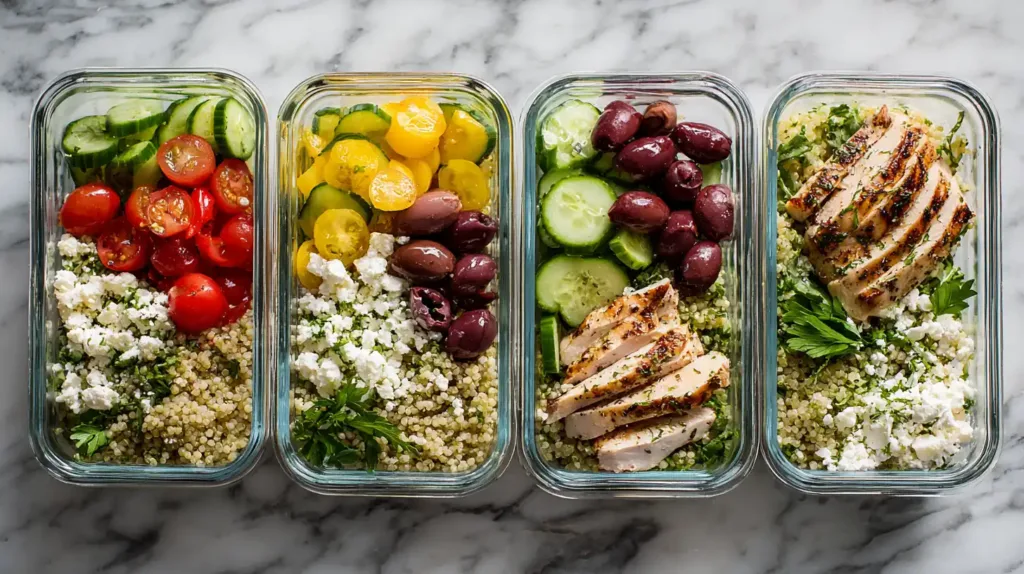
Meal Prep Lunch
Budget-Friendly Meal Prep
Meal prep saves money by reducing food waste, eliminating impulse purchases, and avoiding emergency takeout. These strategies show you how to meal prep on a tight budget without sacrificing quality or taste.

Meal Prep on a Budget
Tips for Meal Prep Success
1. Start Small and Build Gradually
Don’t try to prep every meal for an entire week your first time. Start with 3-4 dinners maximum. Build gradually as you get comfortable with the process. Sustainability matters more than perfection.
2. Choose Simple, Family-Friendly Recipes
Stick with recipes your family already likes. Don’t use meal prep as an opportunity to introduce seven new foods. Save experimentation for fresh-cooked nights when you have time and energy.
3. Invest in Quality Containers
You don’t need fancy systems, but you do need containers that seal properly and stack well. Glass is ideal for reheating; BPA-free plastic works for cold storage. Start with 10-12 containers in 2-3 sizes.
4. Label Everything with Dates
Future you will have no idea what’s in that mystery container or when you made it. Label everything with name and date using masking tape and permanent marker. This simple step prevents food waste.
5. Keep a Meal Prep Rotation
Develop a rotation of 12-15 reliable recipes. Cycle through them monthly so you have variety without constantly planning new meals. Keeps things interesting while maintaining efficiency.
6. Prep Ingredients, Not Just Complete Meals
Sometimes prepping components separately gives you more flexibility. Cook proteins, chop vegetables, and make grains—then mix and match during the week for different meals from the same base ingredients.
Frequently Asked Questions About Meal Prep
Q: How long does meal prep actually take?
A: For beginners, expect 2-3 hours on Sunday to prep 3-4 dinners for the week. As you get more experienced and develop systems, you can prep 5-6 dinners in the same timeframe. Advanced preppers who use multitasking can prep an entire week of meals in 3-4 hours.
Q: Do I need special containers for meal prep?
A: No. Start with whatever containers you have—glass storage containers, plastic takeout containers, even repurposed jars. As you see what sizes you use most, invest in proper meal prep containers with secure lids. Glass is ideal for reheating; BPA-free plastic works fine for cold storage.
Q: Won’t food get soggy or gross sitting in the fridge for days?
A: Some foods hold up better than others. Proteins, cooked grains, and roasted vegetables stay fresh for 3-4 days. Keep wet and dry components separate—add dressing right before eating and keep sauces separate from pasta. Foods that don’t meal prep well: crispy items that get soggy, fresh salads with dressing, and sandwiches (bread gets mushy).
Q: What if my family won’t eat leftovers?
A: Don’t call them leftovers—call it meal prep! Present meals in different ways throughout the week so they feel different. Monday: chicken and rice in a bowl. Wednesday: same chicken in tacos. Friday: same rice as fried rice. The ingredients are the same, but the presentation is different. Furthermore, freezer meals don’t feel like leftovers since they’ve been saved for later
Q: Can I meal prep if I have picky eaters?
A: Absolutely! Use the ingredient prep method instead of full meal prep. Prep proteins, grains, and vegetables separately. At dinnertime, each person assembles their plate with what they like. It takes 10 minutes instead of starting from scratch, but it accommodates different preferences.
Q: Is meal prep worth it for just one or two people?
A: Yes, maybe even more so! Smaller households often struggle with food waste because recipes serve 4-6. Meal prep lets you cook once, portion properly, and freeze extras for later. You get variety without waste or cooking every single night.
Q: How much money can I save with meal prep?
A: Most families save $200–400 per month on meal prep by eliminating food waste, reducing impulse grocery purchases, and avoiding emergency takeout. You’re buying only what you need, using everything you buy, and not making expensive last-minute food decisions when you’re worn out.
Q: What’s the difference between meal prep and batch cooking?
A: Batch cooking means making large quantities of one recipe to eat throughout the week or freeze. Meal prep is broader—it includes batch cooking but also ingredient prep (cooking components separately to mix and match) and freezer prep (assembling meals to cook later). Both save time!
Meal prep transformed my chaotic weeknights into manageable evenings where dinner was already handled. No more 5 PM panic, no more guilt about drive-through meals, and no more exhausted cooking when I was already running on empty.
But here’s what I want you to understand: meal prep doesn’t have to look like those perfect Instagram posts. It doesn’t require spending your entire Sunday in the kitchen or eating the exact same thing for five days straight.
Real meal prep for real families is messier, more flexible, and completely doable even when you’re doing everything solo. Start small, find YOUR system, and build from there. Because if I can meal prep as a single mom juggling work and two kids, you absolutely can too.