Herbal Cordial Recipe: A Flavorful and Refreshing Homemade Delight
There’s something magical about walking through my herb garden in the morning, touching the mint leaves and breathing in that fresh, clean scent. Last summer, I had so much mint and lemon balm growing that I started looking for ways to use it all up—and that’s how I stumbled into the world of herbal cordials. Honestly, I had no idea what I was doing at first, but after a few experiments (and one batch that was way too sweet), I figured out a simple method that works beautifully every time.
If you’ve never made cordial before, don’t worry. It’s basically a concentrated herbal syrup that you can mix with sparkling water for a refreshing drink, drizzle over vanilla ice cream, or even use in cooking. The best part? You probably already have everything you need in your kitchen. I’m going to walk you through exactly how I make mine, including the mistakes I made so you don’t have to.
Why This Herbal Cordial Recipe Is Worth Making
The History Behind Herbal Cordial Recipes
Cordials have been around forever. People in ancient Egypt and China were infusing herbs into drinks thousands of years ago, mostly for wellness reasons. They believed these drinks could boost energy, calm nerves, or help with digestion. Over time, cordials became popular in European households as a way to preserve summer herbs and enjoy them all year long.
What I love about making cordials now is that you’re in complete control. Store-bought syrups are loaded with artificial flavors and way too much sugar. When you make your own, you decide how sweet it is, which herbs to use, and whether you want something calming or energizing. There’s no comparison to the fresh, clean taste you get from herbs you’ve grown or bought from the farmers market.
Best Herb Combinations for Your Cordial Recipe
I’ve tried probably twenty different herb combinations by now, and some were definitely better than others. Here are the ones my family actually asks me to make again:
Mint and lemon balm is my go-to for summer. It’s cooling and bright, perfect when you mix it with cold sparkling water on a hot afternoon. Nicolas says it tastes like the garden version of a spa drink.
Chamomile and lavender makes a cordial that’s surprisingly soothing. I use this one before bed sometimes, mixed with warm water and a little honey. Just don’t use too much lavender—it can taste soapy if you go overboard.
Rosemary and orange peel is Nicolas’s favorite. It’s earthy but citrusy at the same time, kind of sophisticated. He likes to add a splash to stir-fried vegetables as a glaze.
Ginger and turmeric creates this warm, spicy cordial that’s great in the fall and winter. It’s got that kick to it, and honestly, it’s the kind of thing that makes you feel like you’re doing something good for yourself. Mix it with hot water when you’re feeling under the weather.
Basil and lime surprised me the most. I didn’t think basil would work in a drink, but it’s actually really refreshing. The lime cuts through any bitterness and makes it taste almost like a mocktail.
Thyme and honey is gentle and slightly sweet without being cloying. This one’s nice for people who don’t want something too intense.
Hibiscus and cinnamon turns out this gorgeous deep red color and tastes tart and a little spicy. It looks impressive when you serve it to guests, and everyone always asks for the recipe.
Choosing Herbs for Your Cordial Recipe
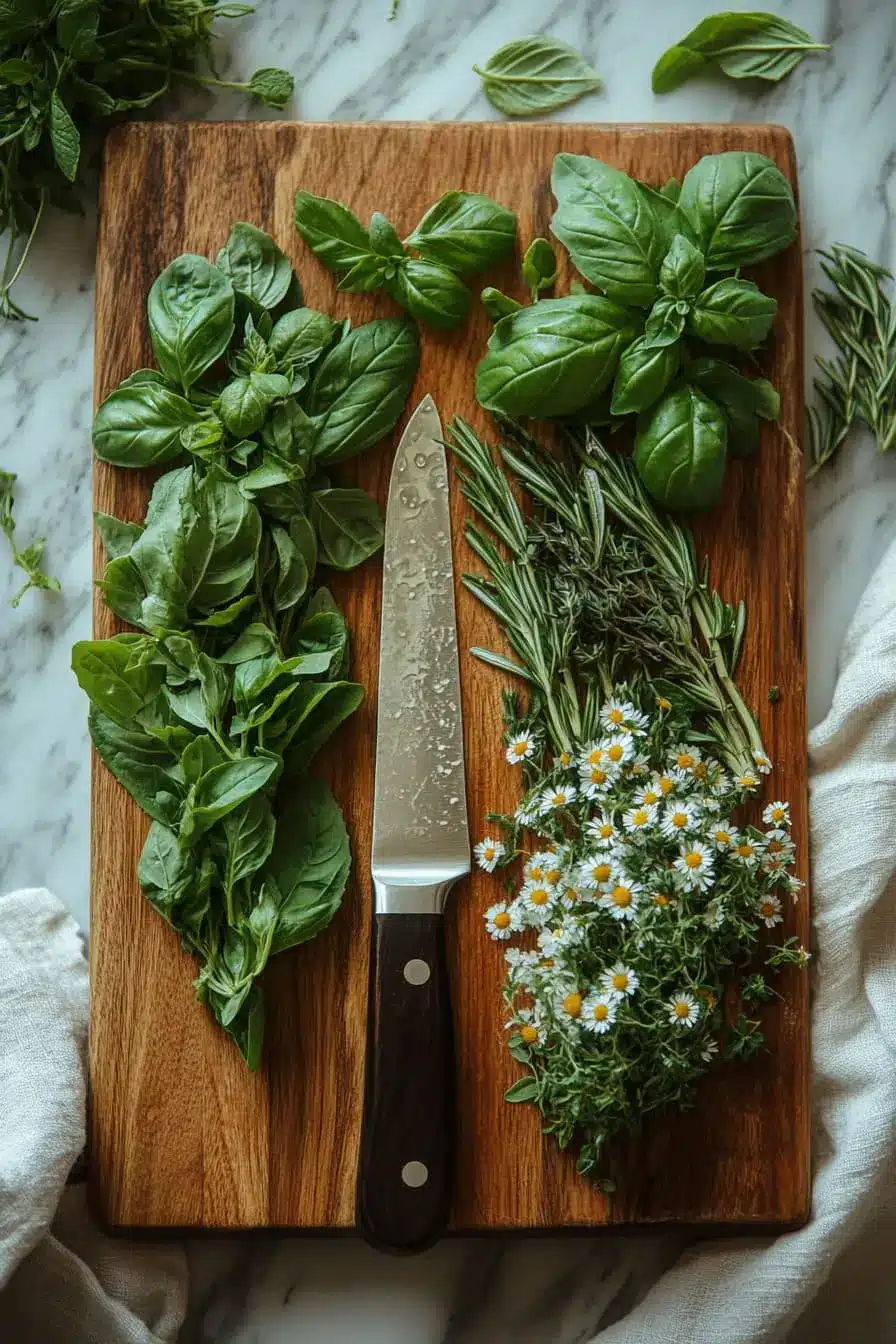
The herbs you choose completely change the flavor. Mint gives you that cooling, refreshing taste. Chamomile is mild and floral. Ginger brings heat and spice. When you’re starting out, I’d say stick with one or two herbs you already know you like. You can always experiment once you get the hang of it.
Some herbs work better for different things too. If you want something calming, go with chamomile or lavender. If you’re looking for an energy boost, try mint or ginger. And if you just want something that tastes good with dinner, basil or rosemary are great options.
| Herb | What It Tastes Like | What It’s Good For |
|---|---|---|
| Mint | Cool and refreshing | Digestion, perking you up |
| Chamomile | Mild and a little floral | Relaxing, helping you sleep |
| Ginger | Spicy and warming | Settling your stomach, reducing inflammation |
| Lemon Balm | Bright and citrusy | Calming nerves, lifting your mood |
| Basil | Sweet with a hint of spice | Supporting immunity, aiding digestion |
Essential Ingredients for Herbal Cordial Recipe
Equipment Needed for Making Herbal Cordial
The good news is you don’t need any special equipment for this. Here’s what I use:
A medium saucepan for heating everything up. A fine-mesh strainer or some cheesecloth to strain out the herbs. Glass jars or bottles for storing your finished cordial—I like using old glass bottles with swing-top lids because they look nice and seal well. A funnel makes pouring easier but isn’t essential. And measuring cups and spoons so you’re not guessing.
That’s it. If you have a pot and something to strain with, you’re ready to go.
Fresh vs. Dried Herbs in Cordial Recipes
This is something I get asked about all the time. The truth is, both work, but they give you different results.
Fresh herbs have a lighter, brighter flavor. They’re perfect if you want something delicate and you don’t mind using more of them. I usually use about a cup of fresh herbs for one batch of cordial. The downside is they don’t last as long in your pantry, so you need to use them while they’re still good.
Dried herbs are more concentrated, so you need less—usually about a third of what you’d use fresh. They have a deeper, earthier flavor that works really well for things like rosemary or thyme. The convenience factor is nice too since you can keep them in your cabinet and make cordial whenever you want.
My approach? I use fresh herbs when I have them from the garden, and dried herbs the rest of the year. Both work great.
Creative Ways to Customize Your Herbal Cordial Recipe
Adding Citrus and Floral Notes to Herbal Cordials
Once you’ve made a basic cordial, you can start adding other ingredients to make it more interesting. Citrus zest is one of my favorite additions. A little lemon or orange zest brightens everything up and adds complexity without making it taste like lemonade.
Floral herbs like lavender or rose petals are beautiful but tricky. Use too much and it tastes like perfume. Use just a little and it’s lovely. Start small—maybe a teaspoon of dried lavender or a handful of rose petals—and taste as you go.
| Floral Herb | Citrus to Add | What It Tastes Like |
|---|---|---|
| Lavender | Lemon zest | Calming and bright |
| Rose petals | Orange zest | Sweet and fragrant |
| Chamomile | Lime zest | Light and refreshing |
| Hibiscus | Grapefruit zest | Tart and floral |
Best Sweeteners for Herbal Cordial Recipe
The sweetener you use changes the whole character of the cordial. Regular white sugar dissolves easily and doesn’t interfere with the herb flavors, so it’s a safe bet. Honey adds depth and a subtle floral taste that works beautifully with chamomile or mint. Maple syrup gives you a warm, slightly caramel-like sweetness that’s perfect for fall cordials with ginger or cinnamon.
I’ve also tried coconut sugar, which has this mild, earthy sweetness. And if you’re watching your sugar intake, stevia works, though I find the aftertaste a little strange. Start with less sweetener than you think you need—you can always add more, but you can’t take it out.
How to Store Your Herbal Cordial Recipe
Storage Tips for Homemade Herbal Cordial
Storage is important if you want your cordial to last. I always use glass bottles or jars—never plastic, because plastic can absorb flavors and mess with the taste. Keep it in the fridge once it’s cooled down. A well-made cordial will last about a month in there, sometimes longer if you used enough sugar.
Write the date on the bottle with a piece of masking tape. That way you’re not playing the “is this still good?” guessing game three weeks later. Give it a shake before you use it since some ingredients might settle at the bottom. And if it starts to smell off or looks cloudy, just make a fresh batch.
Common Cordial Recipe Mistakes to Avoid
Don’t store it in plastic bottles. I tried this once and the cordial tasted like chemicals after a week. Glass only. Don’t leave it out at room temperature thinking it’ll be fine like maple syrup. It won’t. Always refrigerate. Don’t skip straining out all the herb bits. Those little pieces will keep breaking down and eventually make your cordial taste bitter or cause it to spoil faster. And don’t add so much sweetener that it’s basically sugar water with a hint of herb. Balance is everything.
Now that you’ve got your cordial made and stored, let me show you how I use it in actual cooking. This herb-infused roasted vegetable dish is one of those recipes where the cordial adds just the right amount of sweetness and flavor.
Ingredients
This is a simple weeknight dinner that looks fancy but comes together fast. The cordial glaze is what makes it special—it caramelizes a little in the oven and gives everything this beautiful shine.
Carrots – They get sweet and tender when roasted. Cut them into similar sizes so they cook evenly.
Bell peppers – Any color works, but I like red and yellow because they’re sweeter than green.
Zucchini – Absorbs all the flavors beautifully. Don’t cut it too thin or it’ll turn to mush.
Red onion – Gets mellow and slightly sweet when roasted.
Olive oil – Helps everything crisp up. Don’t skip this.
Garlic – Because roasted garlic makes everything better.
Fresh herbs – I use whatever I have, usually rosemary, thyme, or basil.
Herbal cordial glaze – This is where your homemade cordial comes in. Mix it with a little lemon juice and you’ve got an instant glaze.
Step-by-Step Instructions
Heat your oven to 400°F. While it’s warming up, chop all your vegetables into roughly the same size pieces. This is important—if some pieces are huge and others are tiny, they won’t cook at the same rate and you’ll end up with some that are burnt and some that are raw.
Toss everything in a big bowl with olive oil, minced garlic, and your fresh herbs. Make sure everything gets coated. Don’t be shy with the oil—you want enough to coat the vegetables but not so much that they’re swimming in it.
Spread the vegetables on a baking sheet in a single layer. This is crucial. If you pile them up, they’ll steam instead of roast, and you won’t get those nice caramelized edges. If you need to use two baking sheets, do it.
Roast for about 25 to 30 minutes, flipping everything halfway through. You want them tender and starting to brown at the edges. In the last five minutes, drizzle your herbal cordial glaze over everything. It’ll caramelize a little and create this beautiful, shiny coating.
Serving
These vegetables are great straight from the oven while they’re still hot. I usually serve them as a side dish with some quinoa or alongside grilled chicken. But honestly, they’re good enough to eat on their own.
You can also stuff them into a wrap, toss them with pasta, or layer them in a grain bowl. If you have any leftovers, they’re excellent cold in a salad the next day. Before serving, I like to add one more tiny drizzle of the cordial glaze—it makes them look really pretty and adds another layer of flavor.
What to Serve with Herb-Infused Roasted Vegetable Medley
Best Quinoa Salad – Light and protein-packed, it’s a perfect match for the roasted vegetables.
Turkish Bulgur Pilaf – Nutty and hearty, adds nice texture to the meal.
Southern Cornbread – A slightly sweet bread that soaks up all those delicious juices.
Low-Calorie Lunch Recipes – If you’re looking for lighter options to pair with this.
Tips and Hacks
Switch up the vegetables based on what you have. Sweet potatoes, mushrooms, cherry tomatoes—they all work great. If you want more depth, add a splash of balsamic vinegar to the glaze. Fresh herbs are better than dried for this recipe because they stay vibrant when roasted. And if you’re short on time, you can roast the vegetables ahead and just reheat them before serving.
Nutrition Facts
Per serving (about 1 cup): roughly 180 calories, 9g fat, 22g carbs, 3g protein, 120mg sodium, 5g fiber.
These are estimates and can vary based on the exact ingredients and portion sizes you use.
Prep Time
Chopping everything takes about 10 minutes. Roasting takes 30 minutes. Total time is around 40 minutes from start to finish.
Your cooking time might be a little different depending on your oven and how big you cut your vegetables.
FAQs
What are the three basic ingredients of cordials?
You need herbs for flavor, water to extract that flavor, and some kind of sweetener to balance everything out. That’s really it. Everything else is just variations on those three things.
How long will homemade cordial last?
About a month in the fridge if you store it properly in a sealed glass bottle. If it starts smelling funny or looks cloudy, toss it and make a fresh batch. You can also freeze it in ice cube trays if you want to keep it longer.
What is a substitute for citric acid in cordial?
Lemon juice works great. Lime juice or even a little apple cider vinegar will do the job too. Use the same amount you would use of citric acid.
What is the healthiest cordial?
The one you make yourself with fresh herbs, natural sweeteners, and no artificial anything. I like using honey or maple syrup as the sweetener, and herbs like ginger or mint that have actual health benefits. When you make it at home, you know exactly what’s in it.

Why Making Your Own Cordial Is Worth It
Making herbal cordial at home is simpler than you’d think. You pick some herbs you like, heat them with water and sweetener, strain it, and you’re done. The whole process takes maybe thirty minutes, and then you have this concentrated syrup you can use in a dozen different ways.
Mix it with sparkling water for a refreshing drink. Drizzle it over ice cream or pancakes. Use it as a glaze for roasted vegetables or grilled chicken. You can even add it to salad dressings for a unique twist. The possibilities are pretty endless once you have a bottle in your fridge.
What I love most is that every batch is a little different. Sometimes I make it with whatever herbs are growing in the garden. Sometimes I add citrus zest or a cinnamon stick I found in the back of the pantry. It’s one of those recipes where you can’t really mess it up, and experimenting with different combinations is half the fun. Give it a try and see what flavors you come up with.