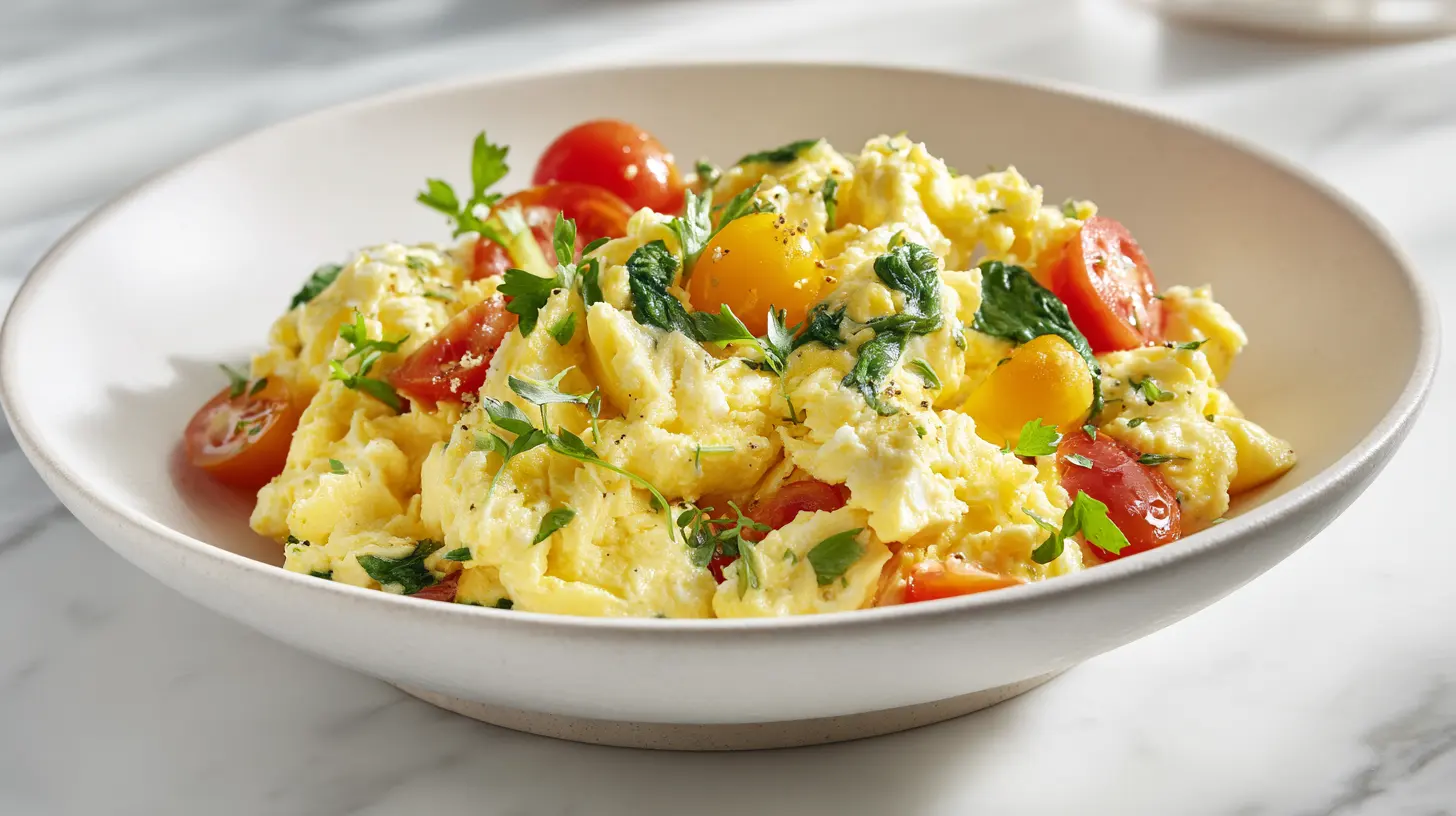
Egg-white breakfast recipes
If you’re looking for a way to pack more protein into your morning without loading up on calories, egg whites are your answer. They’re basically pure protein—no fat, no cholesterol, just the good stuff your body needs. I used to think egg whites were bland and boring, but once I started experimenting with different ways to cook them, I realized how versatile they actually are. You can scramble them, bake them, fold them into omelets, or even blend them into smoothies. The possibilities are endless.
In this guide, I’m going to show you everything I’ve learned about cooking with egg whites. We’ll discuss their benefits, how to store them, and some tasty recipes. Whether you’re trying to build muscle, lose weight, or just eat healthier, these recipes will help you start your day right. And if you’re looking for more protein-packed breakfast ideas, refer to our High-Protein Cottage Cheese Pancakes for another great option.
Why Egg Whites Work So Well for Breakfast
Pure Protein, Minimal Calories
Here’s what makes egg whites so special—one large egg white gives you about 17 calories and 4 grams of protein. That’s an incredibly efficient protein source. Compare that to a whole egg, which has around 70 calories, and you’ll see why egg whites are popular with people watching their calorie intake.
The protein in egg whites is also complete, meaning it contains all nine essential amino acids your body can’t make on its own. This makes them ideal for muscle repair and growth, especially if you’re working out regularly. For more ways to boost your protein intake, explore our Chicken Breakfast Recipes collection.
No Cholesterol Worries
All the cholesterol in an egg sits in the yolk. Egg whites allow you to enjoy eggs without worrying about your cholesterol levels or dietary cholesterol limits. This makes them heart-friendly and safe for people with cholesterol issues or cardiovascular concerns.
That said, recent research shows that dietary cholesterol doesn’t affect blood cholesterol as much as we once thought for most people. However, if you’re taking precautions or your doctor has advised you to limit your cholesterol, egg whites are the optimal choice.
They Keep You Full
Protein takes longer to digest than carbs, which means egg whites keep you satisfied longer. I’ve noticed that when I have egg whites for breakfast, I don’t get hungry again until lunch. Compare that to a sugary breakfast, which leaves me starving an hour later. This makes egg whites perfect for anyone trying to manage their weight or avoid mid-morning snacking.
Egg Whites vs. Whole Eggs: What’s the Difference?
The Nutrition Breakdown
Let’s be clear about what you’re getting with each option:
Egg Whites:
- High protein, low calorie
- No fat, no cholesterol.
- Contains riboflavin and selenium.
- Missing vitamins A, D, and E and healthy fats.
Whole Eggs:
- More calories and fat (from the yolk)
- Rich in vitamins A, D, E, K
- Contains healthy fats and choline
- Has dietary cholesterol
When to Choose Which
I use egg whites when I’m focusing on protein and keeping calories low—like when I’m cutting weight or just want a light meal. Whole eggs are better when I need sustained energy and don’t mind the extra calories, like on workout days or when I’m making something rich like quiche.
Honestly, both have their place. Some people do a mix—two whole eggs plus two egg whites. This approach combines the advantages of both methods.
How to Separate and Store Egg Whites
Separating Egg Whites
Separating egg whites is easier than it looks, but it does take a little practice. Here’s how I do it:
- Start with cold eggs because they separate more cleanly than room-temperature ones.
- Crack the egg gently on a flat surface to avoid breaking the yolk.
- Transfer the yolk back and forth between the shell halves, letting the white drip into a bowl below.
- Use your hands if needed—sometimes it’s easiest to just let the white slip through your fingers while holding the yolk.
If you break a yolk into your whites, start over with a fresh egg. Even a tiny bit of yolk can prevent egg whites from whipping properly if you’re making meringues or soufflés.
Storing Egg Whites
Fresh egg whites keep in the fridge for 3-4 days in an airtight container. I like to date mine so I know when to use them. For longer storage, pour them into ice cube trays, freeze them, then pop the cubes into a freezer bag. Each cube equals about one egg white, making it super easy to grab what you need.
Frozen egg whites last up to a year and thaw quickly in the fridge overnight. They work just as well as fresh ones for most recipes.
Simple Egg White Breakfast Recipes to Start Your Day
Fluffy Egg White Scramble for Breakfast Recipes
This is my go-to on busy mornings. It takes maybe five minutes and tastes way better than plain scrambled eggs.
Ingredients:
- 4 egg whites
- Splash of milk (optional)
- Salt and pepper
- Diced vegetables (bell peppers, spinach, tomatoes—whatever you’ve got)
How to make it:
- Whisk the egg whites until slightly frothy
- Heat a non-stick pan over medium-low heat
- Pour in the egg whites and let them sit for a few seconds
- Gently stir and fold, adding your veggies halfway through
- Remove from heat while still slightly wet—they’ll continue cooking
This pairs perfectly with whole-grain toast or as a filling for breakfast wraps. For more healthy meal inspiration, try our Low-Sodium Recipes collection.
Veggie-Packed Egg White Omelet
Omelets are where egg whites really shine because you can stuff them with whatever you want.
Ingredients:
- 3-4 egg whites
- Handful of spinach
- Diced bell peppers and onions
- Optional: feta cheese or your favorite cheese
How to make it:
- Sauté your veggies in a pan until soft
- Remove veggies and set aside
- Pour whisked egg whites into the same pan
- Once the edges start setting, add veggies to one half
- Fold over and cook until set
The key is low heat and patience. Rush it, and you’ll end up with rubbery egg whites.
Egg White Breakfast Wrap
Perfect for eating on the go or meal prepping for the week.
Ingredients:
- 4 scrambled egg whites
- Whole wheat tortilla
- Fresh spinach
- Salsa or hot sauce
- Optional: avocado slices
How to make it:
- Scramble your egg whites
- Warm the tortilla for 10 seconds in the microwave
- Layer spinach, egg whites, and toppings down the center
- Roll it up tight and enjoy
These wraps keep well in the fridge for a couple days, making them perfect for meal prep. For more wrap ideas, check out our Grilled Chicken Caesar Wraps.
Protein-Packed Egg White Recipes
Baked Egg White Cups
These are amazing for meal prep. Make a batch on Sunday, and you’ve got breakfast sorted for the week.
Ingredients:
- 8 egg whites
- Diced vegetables (mushrooms, peppers, onions)
- Cooked turkey or chicken sausage (optional)
- Shredded cheese (optional)
How to make it:
- Preheat oven to 375°F (190°C)
- Spray a muffin tin with cooking spray
- Divide veggies and meat among the cups
- Whisk egg whites and pour over fillings
- Bake for 15-20 minutes until set
Let them cool completely before storing in the fridge. Pop them in the microwave for 30 seconds when you’re ready to eat.
Egg White and Avocado Toast
This is basically the perfect breakfast—protein, healthy fats, and complex carbs all in one.
Ingredients:
- 3 scrambled egg whites
- 1 slice whole-grain bread, toasted
- Half an avocado, mashed
- Red pepper flakes (optional)
- Squeeze of lemon
How to make it:
- Toast your bread
- Spread mashed avocado on top
- Layer scrambled egg whites over the avocado
- Finish with lemon juice and pepper flakes
The creaminess of the avocado pairs perfectly with the egg whites. It’s filling without being heavy.
Advanced Egg White Recipes
Egg White Soufflé
This sounds fancy, but it’s actually not that hard. Just takes a bit of attention.
Ingredients:
- 4 egg whites
- Fresh herbs (chives, parsley)
- Grated Parmesan cheese
- Pinch of cream of tartar
How to make it:
- Preheat oven to 375°F (190°C)
- Beat egg whites with cream of tartar until stiff peaks form
- Gently fold in herbs and cheese
- Pour into greased ramekins
- Bake for 12-15 minutes until puffed and golden
Serve immediately—soufflés deflate quickly once they cool. For more elegant breakfast ideas, try our Puff Pastry Breakfast Recipes.
Egg White and Quinoa Breakfast Bowl
This is hearty enough to keep you full all morning.
Ingredients:
- Cooked quinoa
- 3-4 scrambled egg whites
- Sautéed spinach and cherry tomatoes
- Drizzle of olive oil
- Fresh herbs
How to make it:
- Place quinoa in a bowl as your base
- Top with scrambled egg whites
- Add sautéed veggies
- Drizzle with olive oil and garnish with herbs
The quinoa adds fiber and complex carbs, making this a complete meal. For similar grain-based breakfast bowls, explore our Quinoa Porridge Superfood Breakfast.
Tips for Cooking Perfect Egg Whites
Getting That Fluffy Texture
- Use room-temperature egg whites for whipping—they foam better than cold ones
- Don’t overcook—egg whites turn rubbery when cooked too long or at too high heat
- Add a splash of milk to scrambled egg whites for extra creaminess
- Cook low and slow for the best texture
Common Mistakes to Avoid
Overcooking: This is the biggest problem. Egg whites go from perfect to rubbery in seconds. Pull them off the heat while they’re still slightly wet—they’ll continue cooking from residual heat.
Using too much oil: Egg whites don’t need much fat. Use a non-stick pan with just a light spray of cooking oil, or cook them in a bit of water for a completely fat-free option.
Forgetting to season: Egg whites are pretty bland on their own. Don’t be shy with salt, pepper, herbs, and spices.
Common Questions About Egg Whites
Are egg whites healthier than whole eggs?
It depends on your goals. If you’re cutting calories or avoiding fat and cholesterol, egg whites are better. But whole eggs provide more nutrients overall, including vitamins and healthy fats. Both have their place in a healthy diet.
How many egg whites should I eat for breakfast?
Most people do 3-4 egg whites, which gives you about 12-16 grams of protein. Adjust based on your protein needs and activity level. Athletes might eat 6 or more, while others might be fine with 2-3.
Can I cook egg whites ahead of time?
Absolutely. Cooked egg whites keep in the fridge for 3 days. Reheat gently to avoid drying them out. Baked egg white cups freeze well too—just pop them in the microwave from frozen.
Are liquid egg whites as good as fresh?
Liquid egg whites from a carton are pasteurized and super convenient. They work great for cooking, though some people notice a slightly different taste. Nutritionally, they’re essentially identical to fresh egg whites.
What are vegan alternatives to egg whites?
Aquafaba (chickpea liquid) whips up like egg whites and works in many recipes. For scrambles, try tofu or Just Egg. For more plant-based breakfast options, check out our Vegan Breakfast Recipes collection.
Time to Start Cooking
Egg whites are one of the most versatile, healthy ingredients you can keep in your kitchen. They’re perfect for anyone looking to increase protein intake without adding extra calories or fat. From simple scrambles to fancy soufflés, there’s an egg white recipe for every skill level and taste preference.
The key is experimenting until you find what you like. Start with the basic recipes, then branch out as you get more comfortable. Before long, you’ll have a rotation of egg white breakfasts that keep your mornings interesting and nutritious.
Save this guide and come back to it whenever you need fresh breakfast ideas. Your body will thank you for all that quality protein. For even more healthy breakfast inspiration, explore our complete collection of breakfast recipes.