The Ultimate Guide to Making Creamy Boursin Pasta
I made Boursin pasta for the first time after seeing it everywhere online and completely botched it. Used the entire package of cheese but forgot to add any liquid—cream, pasta water, nothing. The result was clumpy cheese globs coating dry pasta. Inedible. My husband took one bite, looked at me, and said, “This is…interesting,” which is marriage code for “absolutely terrible.” That failure taught me Boursin needs liquid to become sauce. It’s flavored cream cheese, not magic that automatically turns into a silky coating.
Boursin pasta works when you treat the cheese as a base flavor that needs proper technique to transform into actual sauce. Just melting it produces greasy clumps. Adding cream or pasta water and emulsifying creates a smooth coating. The garlic-herb Boursin provides instant seasoning so you skip measuring individual spices, but the texture requires correct liquid ratios and heat management. For more quick pasta ideas, check out our rotelle pasta guide.
What Is Boursin Pasta
Boursin Cheese Reality
Boursin is French-flavored cream cheese sold in 5.2-ounce rounds. The Garlic & Fine Herbs variety contains a cream cheese base mixed with garlic, parsley, chives, and black pepper. It’s soft and spreadable at room temperature and melts when heated. Similar texture to American cream cheese but pre-seasoned.
Other brands make similar products (Alouette, store brands) that work identically. “Boursin pasta” just became the popular name because Boursin is the most recognizable brand. Any garlic-herb spreadable cheese produces the same results.
Why Boursin Pasta Got Popular
TikTok made this viral because it looks impressive (creamy pasta, restaurant-quality appearance) but uses minimal ingredients and takes 20 minutes. Appeals to people who want “fancy” results without actual cooking skills. The pre-seasoned cheese does heavy lifting—no chopping herbs, measuring garlic powder, or balancing flavors. Just melt cheese with liquid and toss pasta.
Popularity doesn’t mean it’s foolproof. My clumpy disaster proves you still need basic technique.
Boursin Pasta Ingredients
What you need:
- 1 package (5.2 oz) Boursin cheese, Garlic & Fine Herbs flavor
- 12 oz pasta (any short shape—penne, rigatoni, farfalle, rotini)
- 1 cup heavy cream (not half-and-half—too thin)
- ½ cup pasta water (reserved from cooking)
- 2 tbsp butter
- 2-3 garlic cloves, minced (Boursin has garlic but fresh adds depth)
- Salt for pasta water
- Black pepper
- Parmesan for serving (optional)
Optional additions:
- Cherry tomatoes (halved, sautéed until blistered)
- Fresh spinach (wilts in residual heat)
- Grilled chicken (sliced)
- Cooked shrimp
- Fresh basil or parsley for garnish
How to Make Boursin Pasta Correctly
Cook Pasta
Boil 4-6 quarts of salted water (1 tablespoon salt). Cook pasta 1-2 minutes LESS than package directions for al dente. It finishes cooking in sauce.
Critical step: Before draining, scoop out 1 cup of pasta water. Set aside. This starchy water is essential for sauce consistency. Drain pasta; don’t rinse.
Build Sauce Properly
Here’s where technique matters:
Step 1: Heat a large skillet over medium-low (not high—cream burns). Add butter, let it melt. Add minced garlic and cook 30 seconds until fragrant.
Step 2: Add Boursin cheese to skillet. Break it up with a wooden spoon. It won’t melt smoothly yet—this is normal.
Step 3: Pour in heavy cream. Stir constantly. As cream heats, cheese will start melting and incorporating. Keep stirring to prevent clumping.
Step 4: Add ¼ cup pasta water. Stir vigorously. The starch helps emulsify cheese and cream into a smooth sauce. Keep heat at medium-low—boiling breaks the sauce.
Step 5: Simmer gently 2-3 minutes, stirring frequently. Sauce should coat the back of the spoon. If too thick, add more pasta water gradually (tablespoon at a time). If too thin, simmer longer uncovered.
Combine Everything
Add drained pasta to a skillet. Toss to coat every piece with sauce. If pasta absorbed too much sauce and looks dry, add remaining pasta water and toss again.
Let pasta sit in sauce 1-2 minutes off heat. It absorbs flavors, and the sauce thickens slightly from pasta starch.
Taste and adjust salt (Boursin is already salted, so you probably need minimal). Add black pepper. Grate fresh Parmesan on top if desired.
Common Boursin Pasta Problems
Clumpy Cheese Sauce
Cause: Not enough liquid (like my disaster), heat too high, didn’t stir enough.
Fix: Add more pasta water or cream, reduce heat to low, and whisk vigorously. If severely clumped, transfer to a blender with a splash of hot pasta water, blend until smooth, and return to the pan.
Greasy Separated Sauce
Cause: Heat too high caused cream to separate; it didn’t emulsify properly with pasta water.
Fix: Remove from heat immediately. Whisk in cold pasta water vigorously—the temperature drop and starch help bring the sauce back together. If that doesn’t work, whisk in a teaspoon of cornstarch dissolved in cold water.
Bland Flavorless Pasta
Cause: Under-salted pasta water, didn’t add fresh garlic, used too much pasta for amount of sauce.
Fix: Salt pasta water heavily next time (should taste like seawater). Always add fresh garlic even though Boursin contains it. The ratio should be 5.2 oz Boursin to 12 oz pasta maximum—more pasta dilutes the flavor too much.
Watery Thin Sauce
Cause: Too much pasta water, used milk instead of cream, didn’t simmer long enough.
Fix: Simmer sauce longer to reduce liquid. Add grated Parmesan (thickens as it melts). Use heavy cream, not milk—higher fat content creates proper consistency.
Boursin Pasta Variations
Tomato Boursin Pasta
Add 1 cup halved cherry tomatoes to a skillet with garlic. Sauté until tomatoes blister and release juices (5-7 minutes). Then add Boursin and cream. Tomato acidity cuts richness nicely. Fresh basil is essential here.
Chicken Boursin Pasta
Season 1 lb chicken breast with salt, pepper, and Italian seasoning. Pan-sear until cooked through (internal temp 165°F). Slice thin. Make sauce as directed, and add sliced chicken at the end. Or use rotisserie chicken for a shortcut. For more chicken ideas, see our chicken recipe collection.
Vegetable Boursin Pasta
Sauté mushrooms, zucchini, and bell peppers before making sauce. Or add fresh spinach at the very end (it wilts from residual heat). Roasted broccoli works well too—roast separately at 425°F until crispy, and add to finished pasta.
Shrimp Boursin Pasta
Cook 1 lb peeled, deveined shrimp in butter with a pinch of paprika and garlic powder. Remove shrimp, make sauce in same pan (picks up shrimp flavor), and add shrimp back at the end. Shrimp overcooks easily, so don’t let it sit in hot sauce long.
What to Serve with Boursin Pasta
Rich creamy pasta needs lighter sides for balance:
- Simple green salad—romaine, arugula, lemon vinaigrette, and cut cream
- Garlic bread—for sauce mopping (yes, more garlic)
- Roasted asparagus—oven-roasted with olive oil, salt, pepper
- Cherry tomato salad—fresh tomatoes, basil, balsamic if you didn’t add tomatoes to pasta itself
Drink pairings (halal options):
- Sparkling white grape juice (chilled, served in wine glass)
- Italian soda (blood orange or lemon flavor)
- Sparkling water and a lemon wedge
- Iced tea with fresh mint
Storage and Reheating
Refrigerate: Store in an airtight container for up to 3 days. Cream sauce separates when cold—this is normal.
Reheat on stovetop: Best method. Add a splash of cream or milk to the pan with pasta. Heat gently over medium-low, stirring constantly until warmed through and the sauce comes back together. Don’t overheat or break the sauce again.
Reheat in microwave: Add a tablespoon of milk or cream to pasta. Microwave in 1-minute intervals on 70% power, stirring between. Full power makes sauce greasy.
Freeze: Not recommended. Cream sauces freeze poorly—the texture becomes grainy when thawed. Edible but noticeably worse quality.
Boursin Pasta Questions
Can I substitute Boursin cheese?
Yes. Mix 8 oz regular cream cheese (room temperature) with 2 minced garlic cloves, 2 tablespoons fresh chopped parsley, 1 tablespoon fresh chopped chives, and ¼ teaspoon black pepper. This approximates Boursin flavor. Alouette or store-brand garlic herb cheese works identically.
Do I need heavy cream?
Heavy cream creates proper consistency. Half-and-half makes thinner sauce (edible but less luxurious). Milk too thin—doesn’t work well. For dairy-free, use full-fat coconut cream (adds slight coconut flavor).
What pasta shape works best?
Short shapes with grooves or curves hold cream sauce better than long pasta. Penne, rigatoni, shells, farfalle, and rotini are all excellent. Spaghetti works, but sauce slides off more easily. Avoid delicate shapes like angel hair—too fine for heavy sauce.
Can I make this ahead?
Not ideal. Boursin pasta is best fresh—pasta absorbs sauce as it sits, and cream sauce breaks down. If you must prep ahead, cook pasta and store separately from sauce. Make sauce right before serving, and combine hot pasta with hot sauce.
How do I make this healthier?
Use whole wheat pasta (more fiber). Reduce cream to ½ cup, increase pasta water. Add many vegetables (spinach, tomatoes, and mushrooms) for volume without many calories. Use light cream cheese with garlic and herbs instead of Boursin. Can’t make cream sauce truly “healthy,” but these modifications help.
Can I make this vegan?
Use dairy-free cream cheese (Kite Hill, Violife) mixed with fresh garlic and herbs. Replace heavy cream with full-fat coconut cream or cashew cream. Use vegan butter. Works but tastes different—not identical to the original.
Final Reality on Boursin Pasta
Boursin pasta stopped being a clumpy disaster when I learned cream cheese needs liquid and gentle heat to become sauce, not just melting. My first attempt failed because I treated Boursin like it would magically transform into a silky coating on its own. It’s flavored cream cheese—it needs cream or pasta water, constant stirring, and medium-low heat to emulsify properly.
The viral popularity makes sense once you understand technique. Pre-seasoned cheese eliminates measuring individual herbs and spices. The short ingredient list feels accessible. Takes genuinely 20-25 minutes. Results look restaurant-quality when done right. But “easy” doesn’t mean “no technique required.” You still need proper liquid ratios, heat management, and emulsification.
This is good quick weeknight pasta when you follow the actual method instead of assuming melted cheese equals sauce. The garlic-herb Boursin does provide an excellent flavor foundation. It just needs correct execution to achieve the creamy consistency everyone expects. My husband now requests this regularly—vindication after that first terrible batch.
Creamy Boursin Pasta
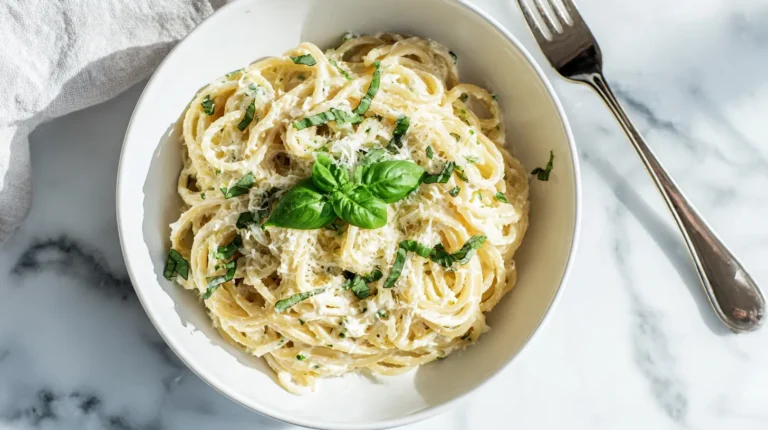
This creamy Boursin pasta turns one package of garlic-and-herb Boursin into a silky restaurant-style sauce with heavy cream, butter, fresh garlic, and starchy pasta water. The pre-seasoned cheese does the flavor work, so dinner is on the table in about 25 minutes — the technique is all in the emulsification.
Ingredients
- 1 package (5.2 oz) Boursin cheese (Garlic & Fine Herbs flavor)
- 12 oz pasta (any short shape — penne, rigatoni, farfalle, rotini)
- 1 cup heavy cream (not half-and-half, too thin)
- 1/2 cup pasta water (reserved from cooking)
- 2 tbsp butter
- 2-3 cloves garlic (minced — Boursin has garlic but fresh adds depth)
- salt (for the pasta water)
- black pepper (to taste)
- Parmesan (for serving, optional)
Instructions
- Cook the pasta in generously salted boiling water 1-2 minutes less than package directions — it finishes in the sauce. Before draining, scoop out 1 cup of pasta water. Drain; don't rinse.
- Heat a large skillet over medium-low (not high — cream burns). Melt the butter, add the minced garlic, and cook 30 seconds until fragrant.
- Add the Boursin and break it up with a wooden spoon. It won't melt smoothly yet — that's normal.
- Pour in the heavy cream, stirring constantly. As the cream heats, the cheese melts and incorporates.
- Add 1/4 cup of the reserved pasta water and stir vigorously — the starch emulsifies the cheese and cream into a smooth sauce. Keep the heat at medium-low; boiling breaks the sauce.
- Simmer gently 2-3 minutes, stirring frequently, until the sauce coats the back of a spoon. Too thick? Add pasta water a tablespoon at a time. Too thin? Simmer longer, uncovered.
- Add the drained pasta and toss to coat every piece, adding the remaining pasta water if it looks dry. Let it sit 1-2 minutes off the heat to absorb flavors and thicken.
- Taste and adjust — Boursin is already salted, so go easy. Finish with black pepper and freshly grated Parmesan if you like.
Notes
The sauce needs liquid and gentle heat — never just melt the cheese alone, and never let it boil. Ratio matters: one 5.2 oz Boursin for 12 oz pasta maximum. If the sauce clumps, whisk in more pasta water off the heat. Keeps 3 days in the fridge; reheat gently with a splash of cream. Don't freeze — cream sauces turn grainy. Substitute: 8 oz cream cheese + 2 minced garlic cloves + parsley, chives, and black pepper.