Meal Prep Bowls: build better lunches in minutes.
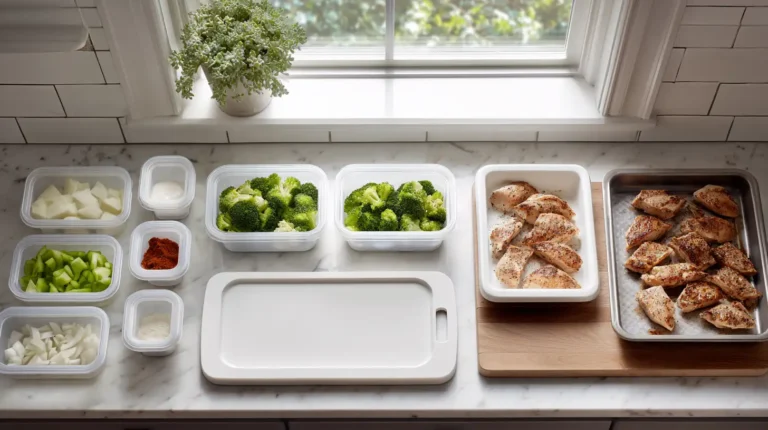
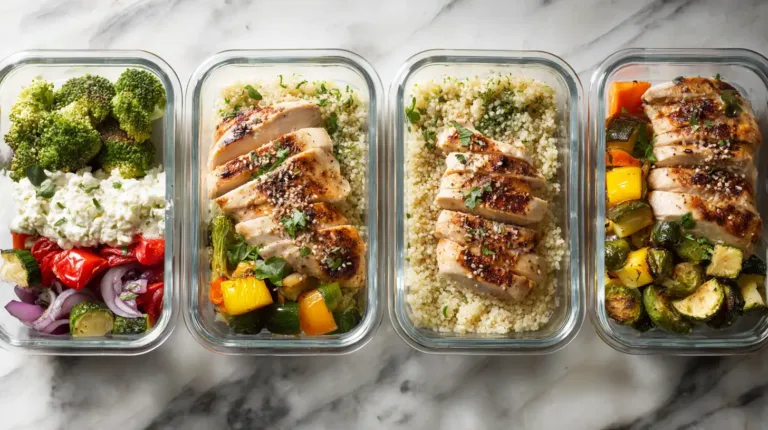
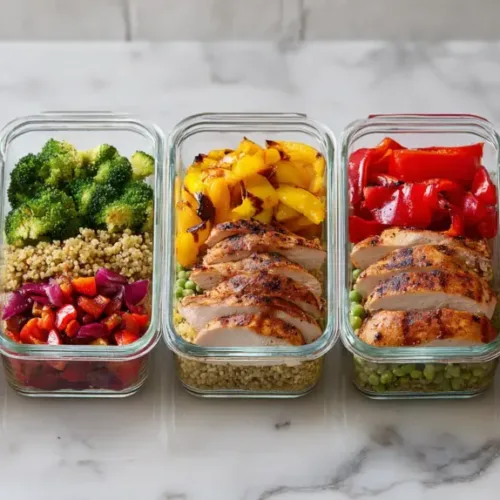
The first time I made meal prep bowls, I felt like I’d discovered a secret that organized people had been keeping from me. Five glass containers lined up on my counter, each holding a complete lunch that would take seconds to grab and go. That was the moment I realized meal prep didn’t have to mean complicated recipes or hours of cooking—it could be as simple as putting nutritious ingredients together in the right proportions.
Meal prep bowls have become the foundation of how I feed my family during busy weeks. They’re infinitely customizable, reheat well, and eliminate the daily question of what to eat for lunch. Whether you’re packing lunches for work, feeding hungry kids after school, or trying to eat healthier without the constant decision fatigue, these bowls deliver.
What Makes Meal Prep Bowls Different
Meal prep bowls follow a simple formula that makes planning and execution straightforward. Unlike casseroles or one-pot meals where flavors meld together, bowls keep components separate. This approach lets you mix and match ingredients, adjust portions based on appetite, and avoid the boredom that comes from eating the exact same thing every day.
The basic structure includes a grain or base, a protein, vegetables, and a sauce or dressing. This formula works whether you’re making Mediterranean bowls with quinoa and chicken or Asian-inspired bowls with rice and beef. The components change, but the method stays consistent.
Flexibility makes bowls sustainable long-term. You can eat five different lunches using the same prepped components just by varying the sauce or adding different toppings. This variety prevents meal prep burnout while keeping the system simple. If you’re just starting your meal prep journey, our guide on meal prep for beginners covers the fundamentals that will set you up for success.
The Perfect Meal Prep Bowl Formula
Following this formula ensures every bowl is balanced, satisfying, and nutritious. The proportions work for most adults, though you can adjust based on individual calorie needs and preferences.
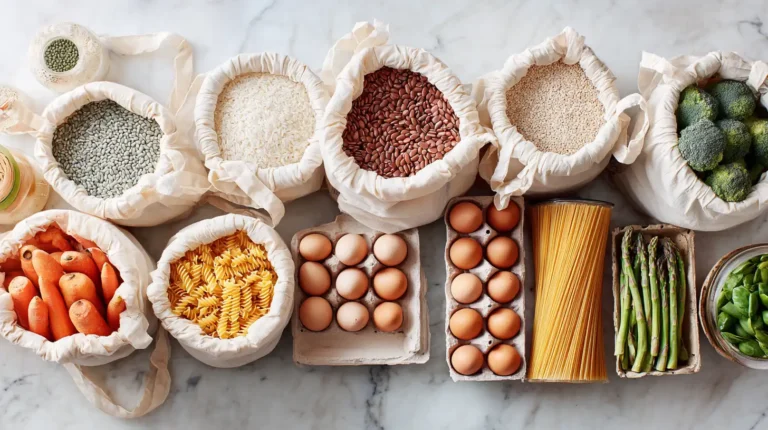
Start with one cup of grains or your chosen base. This provides the foundation and the majority of your carbohydrates. Rice, quinoa, farro, or even cauliflower rice for lower-carb options all work well. Cook grains with broth instead of water for extra flavor that requires zero extra effort.
Add four to six ounces of protein. Chicken, beef, fish, tofu, or legumes all serve this purpose. Having enough protein keeps you full until your next meal and provides the amino acids your body needs. I often cook two different proteins during prep sessions to create variety without extra planning.
Include one to two cups of vegetables. Aim for color variety—each color represents different nutrients. Roasted vegetables work particularly well because they hold up during storage and reheating. Raw vegetables work too but should be stored separately to maintain crunch.
Finish with two to three tablespoons of sauce or dressing. This is where bowls go from excellent to great. A boring chicken and rice bowl becomes exciting with chimichurri or tahini dressing. Store sauces separately to prevent sogginess.
According to the Harvard Healthy Eating Plate, filling half your plate with vegetables and fruits, one quarter with whole grains, and one quarter with protein creates the foundation for balanced meals—exactly what well-designed meal prep bowls deliver.
Best Grains and Bases for Meal Prep Bowls
Not all grains hold up equally well during storage and reheating. These options have been tested through countless meal prep sessions and consistently deliver excellent results four to five days later.
Brown Rice
Brown rice maintains texture well and reheats without turning mushy. Cook it slightly al dente since it will soften a bit in storage. One cup dry yields about three cups cooked—enough for five bowls. Add a tablespoon of olive oil to cooked rice to prevent clumping during storage.
Quinoa
Quinoa provides more protein than most grains and has a pleasant, slightly nutty flavor. Rinse thoroughly before cooking to remove the natural coating that can taste bitter. Fluff with a fork after cooking and spread on a sheet pan to cool quickly, which prevents overcooking from residual heat.
Farro
Farro has a chewy texture that holds up exceptionally well over several days. It takes longer to cook than rice or quinoa—about 25-30 minutes for semi-pearled farro. The hearty texture pairs well with robust flavors like Mediterranean or Middle Eastern seasonings.
Cauliflower Rice
For low-carb bowls, cauliflower rice serves as an excellent base. Cook it until just tender—overcooking makes it mushy. Season generously since cauliflower itself is mild. Store separately from other ingredients if possible, as it can release moisture over time.
Mixed Greens
Not all bases need to be cooked. Sturdy greens like kale, spinach, or mixed spring greens work well for cold bowls or Buddha bowls. Store greens at the bottom of the container with heavier ingredients on top, or keep them completely separate until eating.
Protein Options That Reheat Well
Protein choice affects how well your bowls hold up throughout the week. Some proteins improve with time as flavors meld, while others suffer from extended storage.
Chicken Thighs
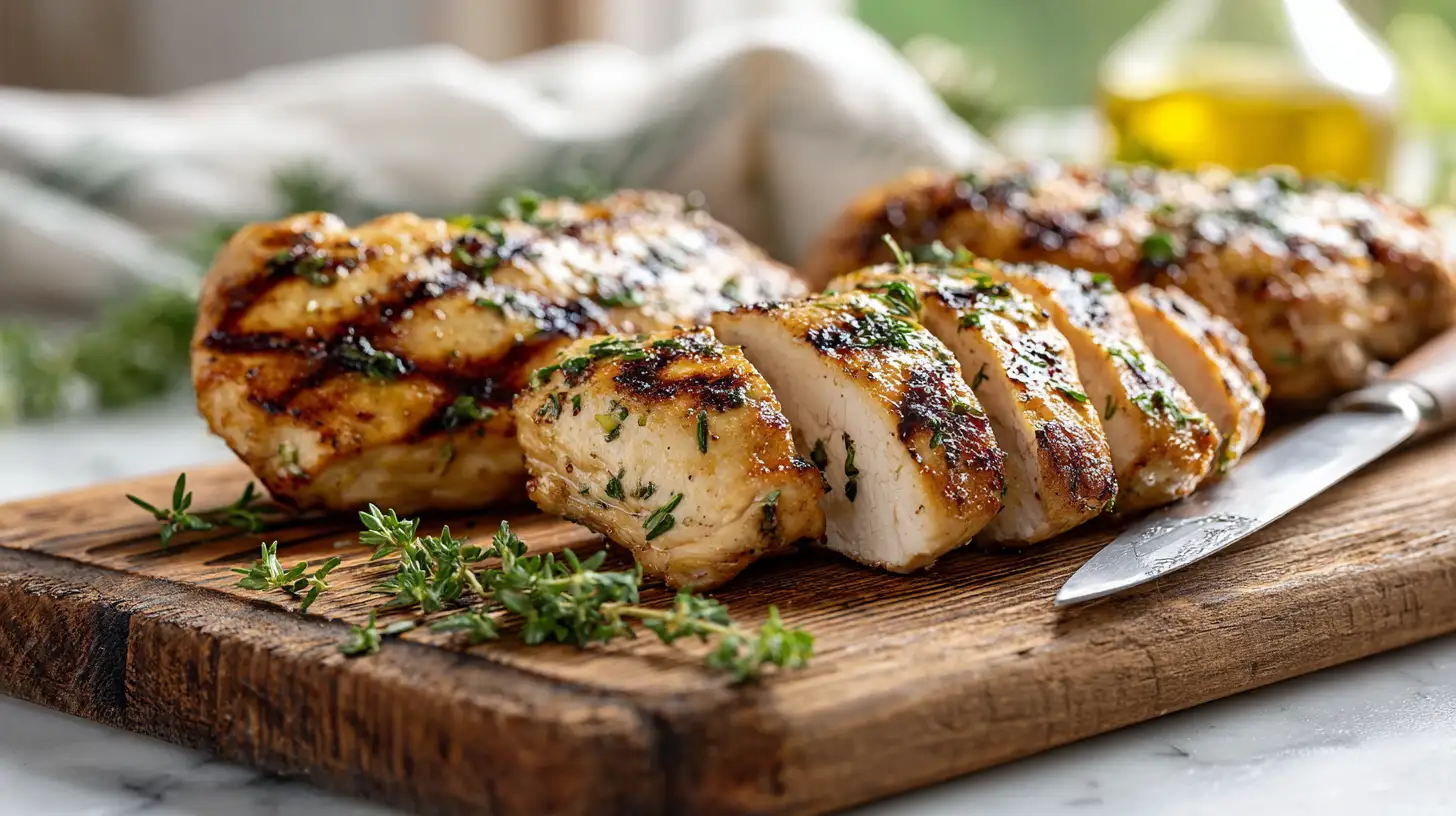
Chicken thighs stay moister than breasts during storage and reheating. The higher fat content prevents them from drying out. Season simply with salt, pepper, and garlic powder, or marinate for more complex flavor. Slice before storing for easier portion control and faster reheating.
Ground Beef or Turkey
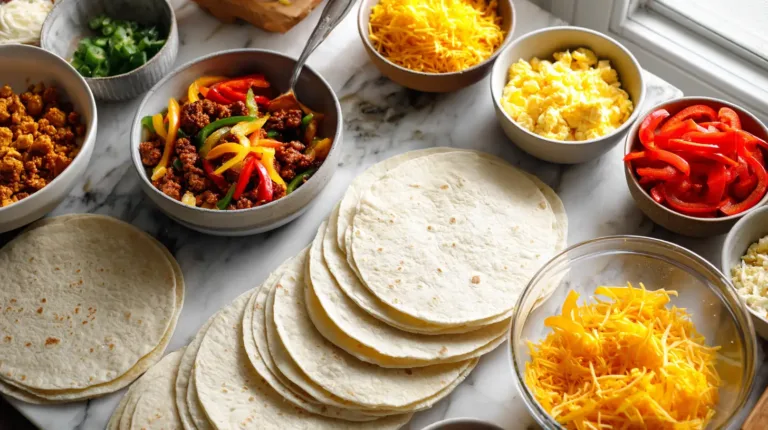
Ground meats cook quickly and absorb seasonings well. Cook with taco seasoning for Mexican bowls, Italian herbs for Mediterranean bowls, or Asian-inspired sauces for stir-fry-style bowls. Drain excess fat before adding to bowls to prevent greasiness after storage.
Grilled Steak
Slice steak thin against the grain for tender bites that reheat well. Cook to medium-rare since it will continue cooking slightly when reheated. Flank steak and skirt steak work particularly well for bowls because they’re flavorful and relatively affordable.
Chickpeas and Black Beans
Legumes provide plant-based protein that’s budget-friendly and versatile. Canned beans work perfectly—just drain and rinse. Roast chickpeas with spices for added crunch, or keep beans tender for a softer texture. These options make excellent vegetarian bowl proteins.
Salmon
Salmon holds up reasonably well for 3-4 days when stored properly. Bake or pan-sear with simple seasonings. Eat salmon bowls earlier in the week since fish quality diminishes faster than other proteins. Add fresh herbs when eating to brighten the flavor.
Vegetables That Hold Up in Storage
Vegetable selection can make or break your meal prep bowls. Some vegetables taste excellent on day one but become sad and soggy by day four. Focus on vegetables that maintain their texture and flavor throughout the week.
Roasted vegetables are an excellent choice for meal prep. The roasting process removes excess moisture, which means they hold up better during storage. Broccoli, bell peppers, zucchini, sweet potatoes, and Brussels sprouts all roast beautifully and stay delicious for days.
Sturdy raw vegetables work when stored separately. Cucumbers, carrots, radishes, and snap peas maintain their crunch if kept away from wet ingredients. Pack them in small containers or bags to add fresh crunch when eating.
Pickled vegetables add brightness and last exceptionally well. Quick-pickled red onions, pickled jalapeños, or store-bought pickled vegetables provide acid and crunch that enhance any bowl. The vinegar also acts as a natural preservative.
Avoid vegetables that wilt quickly or release water. Lettuce (unless added fresh), raw tomatoes, and delicate herbs like basil don’t hold up well. Add these fresh when eating rather than during prep.
Sauce Recipes That Transform Your Bowls
A delicious sauce turns simple ingredients into something you actually look forward to eating. These sauces store well and pair with various bowl combinations.
Tahini Dressing
Whisk together 1/4 cup tahini, 2 tablespoons lemon juice, 1 minced garlic clove, and water until drizzling consistency. Season with salt and a pinch of cumin. This creamy dressing works with Mediterranean, Middle Eastern, and Asian-inspired bowls.
Chimichurri
Blend 1 cup fresh parsley, 1/4 cup olive oil, 2 tablespoons red vinegar, 3 garlic cloves, and red pepper flakes to taste. This bright, herbaceous sauce pairs exceptionally well with steak and chicken bowls. It actually improves after a day as flavors meld.
Peanut Sauce
Combine 1/4 cup peanut butter, 2 tablespoons soy sauce, 1 tablespoon honey, 1 tablespoon lime juice, and sriracha to taste. Thin with water as needed. Perfect for Asian-inspired bowls with rice and vegetables.
Greek Yogurt Ranch
Mix 1/2 cup Greek yogurt with 1 tablespoon dried dill, 1/2 teaspoon garlic powder, 1/2 teaspoon onion powder, and salt to taste. Add milk to the desired consistency. This healthier ranch works well with Southwestern and American-style bowls.
Honey Mustard Vinaigrette
Whisk 3 tablespoons olive oil, 1 tablespoon Dijon mustard, 1 tablespoon honey, and 1 tablespoon apple cider vinegar. Season with salt and pepper. This versatile dressing brightens grain bowls and pairs well with chicken or salmon.
Five Complete Meal Prep Bowl Recipes
These complete bowl recipes provide starting points for your meal prep. Each one has been tested for flavor and storage stability throughout a workweek.
Mediterranean Chicken Bowl
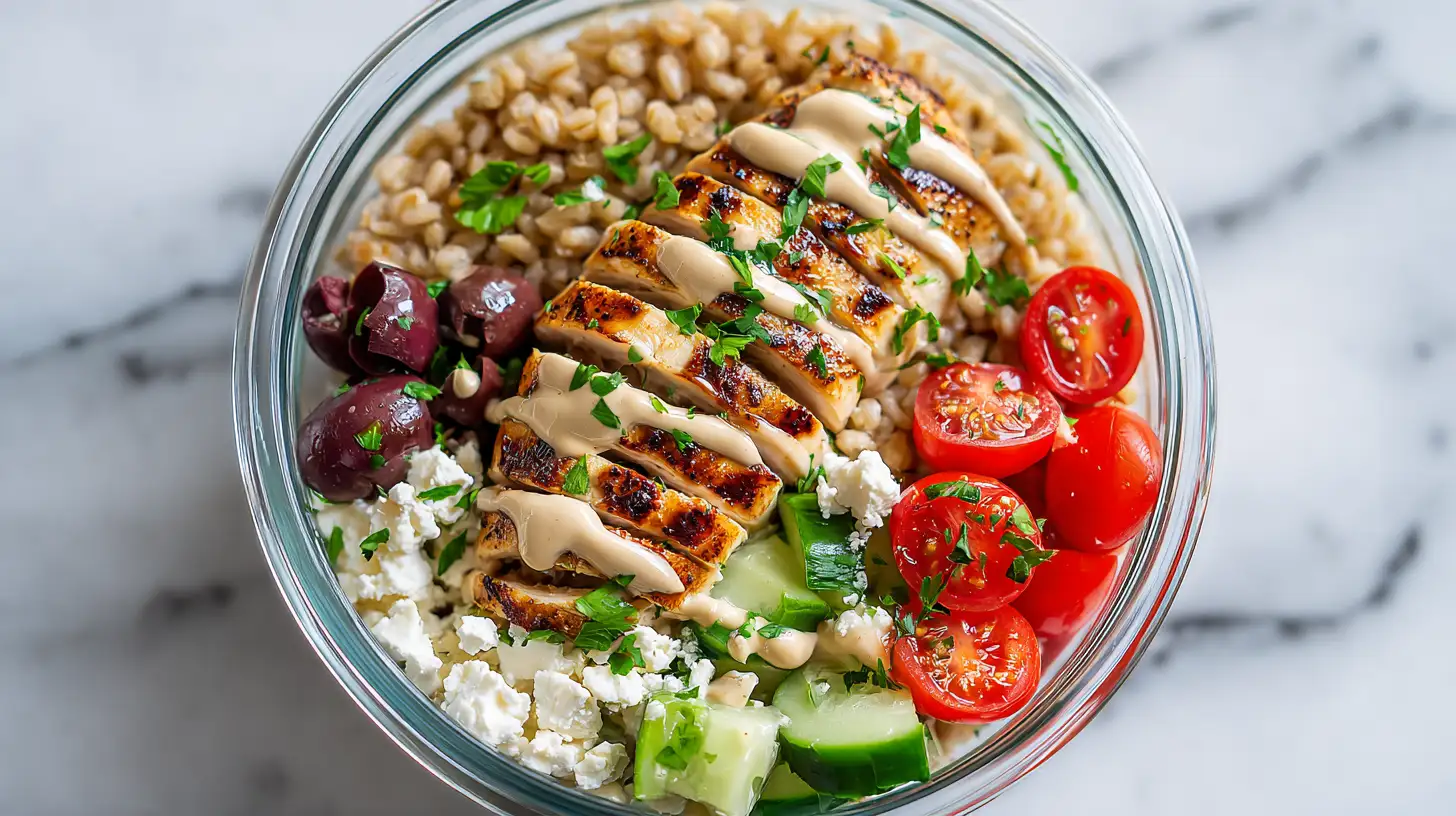
Layer farro with sliced grilled chicken thighs, roasted cherry tomatoes, cucumber, Kalamata olives, and crumbled feta. Drizzle with tahini dressing or olive oil and lemon. Fresh parsley adds brightness when eating.
Teriyaki Beef Bowl
Start with brown rice, add thin-sliced beef cooked in homemade teriyaki sauce, roasted broccoli, shredded carrots, and edamame. Top with sesame seeds and green onions. Store extra teriyaki sauce on the side for drizzling.
Southwest Chicken Bowl
Combine cilantro lime rice with seasoned chicken, black beans, roasted corn, and bell peppers. Add pickled jalapeños for heat. Serve with Greek yogurt ranch or a simple lime crema. Fresh cilantro and avocado are added when eating to elevate this bowl.
Greek Lamb Bowl
Layer quinoa with seasoned ground lamb cooked with oregano and garlic, roasted zucchini, red onion, and cucumber. Top with tzatziki sauce and a sprinkle of sumac. Fresh mint adds authentic flavor when eating.
Buddha Bowl
Arrange mixed greens, quinoa, roasted chickpeas, sweet potato cubes, shredded red cabbage, and avocado. Drizzle with tahini dressing. This vegetarian option provides complete protein from the quinoa and chickpea combination.
Step-by-Step Prep Day Guide
An organized prep day makes the difference between enjoying the process and dreading it. This system works whether you’re making five bowls or fifteen.
Start by cooking your grains. Grains take the longest and can cook unattended while you prep other components. Get rice or quinoa started first, then move on to other tasks.
Prep vegetables while grains cook. Wash, chop, and arrange vegetables on sheet pans for roasting. Most vegetables roast well at 400°F for 20-25 minutes. Use multiple sheet pans to cook different vegetables that may need different times.
Cook proteins while vegetables roast. Season and cook chicken, beef, or other proteins on the stovetop or grill. This parallel cooking significantly reduces total prep time compared to sequential cooking.
Make sauces while things cool. Sauces come together quickly and can be prepared while other components cool to safe temperatures. Never pack hot food into containers—it creates condensation and encourages bacterial growth.
Assemble bowls systematically. Set out all containers and add components in order: grains first, then protein, then vegetables. This assembly line approach is faster than making one complete bowl at a time. For more strategies on efficient cooking sessions, explore our batch cooking recipes guide.
Storage Tips for Maximum Freshness
Proper storage extends the life of your bowls and maintains quality throughout the week. These techniques come from experience and solve the most common meal prep problems.
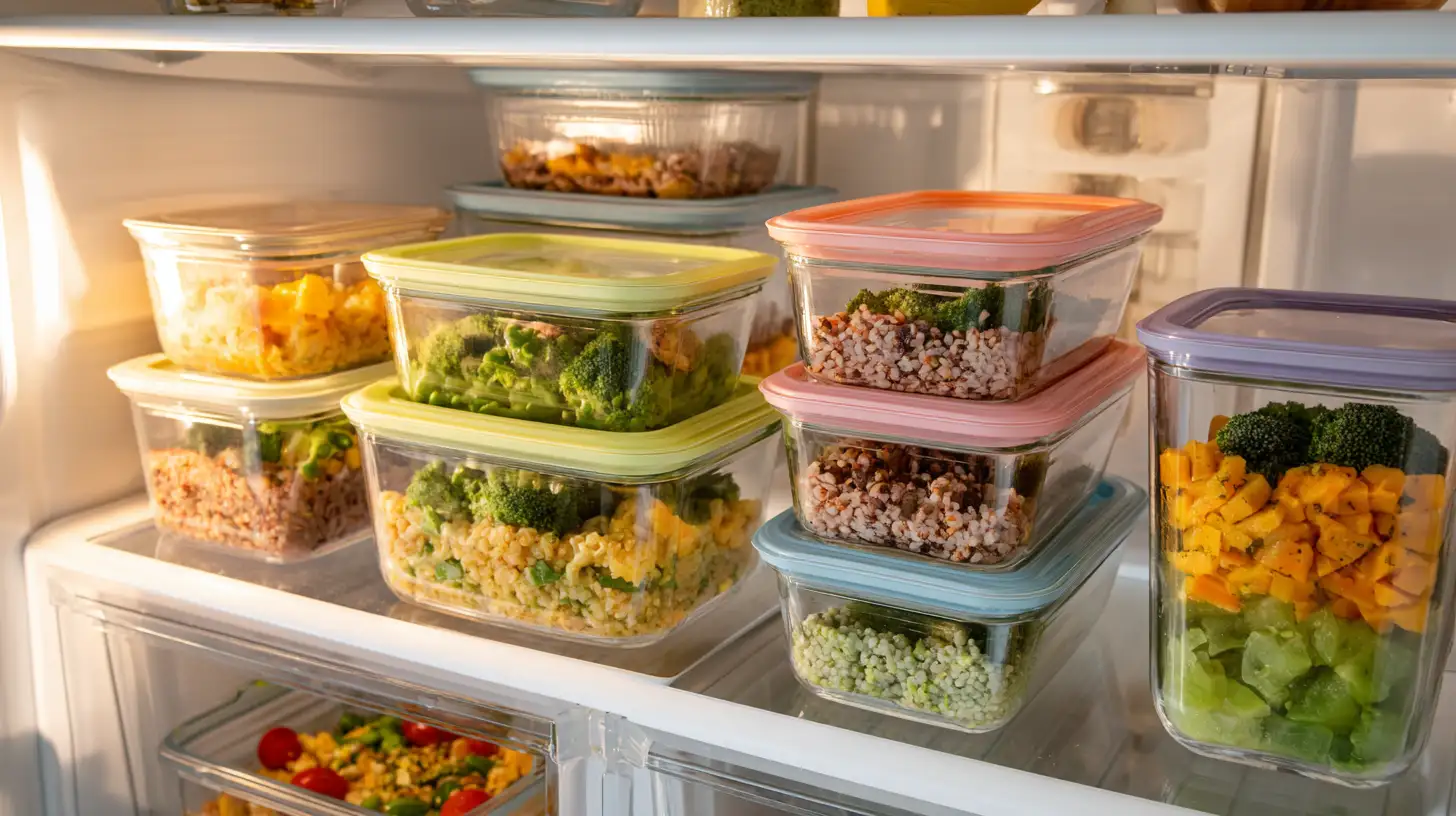
Use glass containers with tight-fitting lids. Glass doesn’t absorb odors or stains like plastic, and you can see exactly what’s inside. Invest in quality containers that seal completely—air exposure is the enemy of freshness.
Store wet and dry components separately when possible. Sauces in small containers, crunchy toppings in bags, and the main bowl components together. This prevents soggy grains and wilted vegetables.
Cool everything completely before refrigerating. Putting warm food in the fridge raises the overall temperature and can affect other stored foods. Spread hot items on sheet pans to cool faster if you’re in a hurry.
Stack strategically in your refrigerator. Put the bowls you’ll eat first in front and the later ones in back. Label with the day you plan to eat each one if you’re making multiple varieties.
Plan for a five-day maximum. Most meal prep bowls maintain quality for four to five days when stored properly. If you need more, consider freezing additional portions or prepping twice per week. Our freezer meals for beginners guide covers options for longer storage.
Reheating for Best Results
How you reheat affects how your bowl tastes. Different components benefit from different approaches.
Remove cold toppings before reheating. Take out any fresh vegetables, cheese that should stay unmelted, or toppings that don’t benefit from heat. Add these back after reheating.
Add a splash of water before microwaving. A tablespoon of water over grains prevents them from drying out. Cover loosely to trap steam while allowing some to escape.
Microwave in 30-second intervals. Stir between intervals for even heating. This method prevents hot spots that overcook some parts while leaving others cold.
Consider eating some bowls cold. Buddha bowls, grain salads, and Mediterranean bowls often taste excellent at room temperature or slightly chilled. Not everything needs to be hot to be delicious.
Add sauces after reheating. Drizzling sauce over a hot bowl allows it to warm slightly while maintaining its fresh flavor. Sauce added before reheating can separate or become too thick.
Budget-Friendly Bowl Strategies
Meal prep bowls can be as economical or as indulgent as you choose. These strategies maximize nutrition while minimizing cost. If budget is a primary concern, our detailed meal prep on a budget guide offers even more money-saving strategies.
Buy proteins in bulk when on sale. Chicken thighs, ground beef, and beans often go on sale. Stock up and freeze portions for future prep sessions. The cost per bowl drops significantly when you buy strategically.
Use seasonal vegetables. In-season produce costs less and tastes better. Summer means zucchini and tomatoes; fall brings squash and root vegetables. Adapt your bowl recipes to what’s affordable and available.
Make your own sauces. Store-bought dressings and sauces add up quickly. Homemade versions cost pennies per serving and taste fresher. Most sauces keep for a week or more in the refrigerator.
Incorporate more plant-based proteins. Chickpeas, black beans, and lentils cost a fraction of meat proteins. Even replacing meat in two of five weekly bowls creates noticeable savings without sacrificing nutrition or satisfaction.
Shop your pantry first. Before your grocery trip, check what grains, canned goods, and seasonings you already have. Build your bowl plan around existing ingredients supplemented by fresh purchases.
Building Your Personal Bowl System
The most sustainable meal prep happens when you create a system that fits your life. Generic advice only goes so far—you need to adapt these principles to your schedule, preferences, and family’s tastes.
Start with one week of bowls. Make five identical bowls using a simple recipe. This teaches you the mechanics without overwhelming you with variety. Once the process feels comfortable, add complexity.
Track what works and what doesn’t. Note which bowls you looked forward to eating and which ones became a chore by day four. This information guides future planning and prevents repeating mistakes.
Build a rotation of three to four bowl types. Once you have several reliable recipes, rotate through them. This step provides variety while keeping planning simple. My family cycles through Mediterranean, Southwest, and Asian-inspired bowls throughout each month.
Schedule prep time like any important appointment. Whether Sunday afternoon or Wednesday evening, block time on your calendar. Treating meal prep as non-negotiable makes it happen consistently.
Involve your household. Family members can help with chopping, stirring, or assembly. Kids who participate in meal prep are more likely to eat the results. Partners who help understand the effort involved and appreciate the convenience.
Meal prep bowls represent a straightforward solution to the daily question of what to eat. They’re flexible enough to accommodate preferences, simple enough to execute weekly, and satisfying enough to stick with long-term. Once you find your rhythm, you’ll wonder how you ever managed lunch any other way. For a complete overview of all meal prep strategies, visit our comprehensive meal prep guide.
Frequently Asked Questions
How long do meal prep bowls last in the refrigerator?
Most meal prep bowls stay fresh for 4-5 days when stored properly in airtight containers at 40°F or below. Seafood-based bowls should be consumed in 3–4 days. If you’re unsure, use the smell test—if anything smells off, don’t eat it. For longer storage, some components can be frozen and thawed as needed.
Can I freeze meal prep bowls?
Yes, but with some modifications. Grains, cooked proteins, and roasted vegetables freeze well. Raw vegetables, fresh herbs, and creamy dressings don’t. Freeze components separately rather than assembled bowls for best results. Thaw overnight in the refrigerator before reheating and assembling with fresh toppings.
What containers work best for meal prep bowls?
Glass containers with snap-lock lids work best—they don’t absorb odors, are microwave-safe, and last for years. Look for containers with compartments if you want to keep components separated. Round containers are easier to eat from, while square ones stack more efficiently in the refrigerator.
How do I prevent meal prep bowls from getting soggy?
Store wet components separately from dry ones whenever possible. Keep sauces and dressings in small containers until eating. Place grains at the bottom with drier ingredients on top. Avoid adding fresh tomatoes, cucumbers, or leafy greens until ready to eat, or store them in separate containers.
How many calories are in a typical meal prep bowl?
Calorie content varies widely based on ingredients and portions. A typical bowl following the formula of 1 cup grains, 4-6 oz protein, 1-2 cups vegetables, and 2-3 tablespoons sauce ranges from 400 to 600 calories. Adjust portions based on your individual calorie needs—increase grains and protein for higher calories, or swap grains for extra vegetables for lower calories.
Meal Prep Bowls
Ingredients
Grains and Bases
- 1 cup Brown rice Cook slightly al dente for best storage.
- 1 cup Quinoa Rinse before cooking to remove bitter coating.
- 1 cup Farro Cook for 25-30 minutes for best texture.
- 1 cup Cauliflower rice Cook until just tender to avoid mushiness.
- 1 cup Mixed greens Store at the bottom of the container.
Proteins
- 4-6 oz Chicken thighs Moister than chicken breasts and reheats well.
- 4-6 oz Ground beef or turkey Cook quickly and absorb seasonings well.
- 4-6 oz Grilled steak Cook to medium-rare for best texture.
- 1 can Chickpeas Drain and rinse; may roast with spices.
- 4-6 oz Salmon Consume earlier in the week for better quality.
Vegetables
- 1-2 cups Roasted vegetables (broccoli, bell peppers, sweet potatoes) Roast until slightly caramelized.
- 1-2 cups Sturdy raw vegetables (cucumbers, carrots, radishes) Store separately to maintain crunch.
- 1 cup Pickled vegetables Adds brightness and lasts well.
Sauces and Dressings
- 1/4 cup Tahini Mix with lemon juice and garlic for dressing.
- 1 cup Chimichurri Blend parsley, olive oil, vinegar, and garlic.
- 1/4 cup Peanut butter sauce Mix with soy sauce, honey, and lime juice.
- 1/2 cup Greek yogurt ranch Made with yogurt, dill, and garlic powder.
- 3 tablespoons Honey mustard vinaigrette Whisk together for a fresh dressing.
Instructions
Prep Day Instructions
- Cook grains (rice, quinoa, or farro) as the first step.
- Prep and roast vegetables while grains are cooking.
- Cook proteins while vegetables are roasting.
- Prepare sauces once all items have cooled.
- Assemble bowls starting with grains, then protein, followed by vegetables and sauces.
Storage Tips
- Use glass containers with tight-fitting lids for storage.
- Store wet and dry components separately when possible.
- Cool food completely before refrigerating.
Reheating Instructions
- Remove any cold toppings before reheating.
- Add a splash of water before microwaving grains.
- Microwave in 30-second intervals, stirring in between.
- Consider serving some bowls cold or at room temperature.